 NL
NL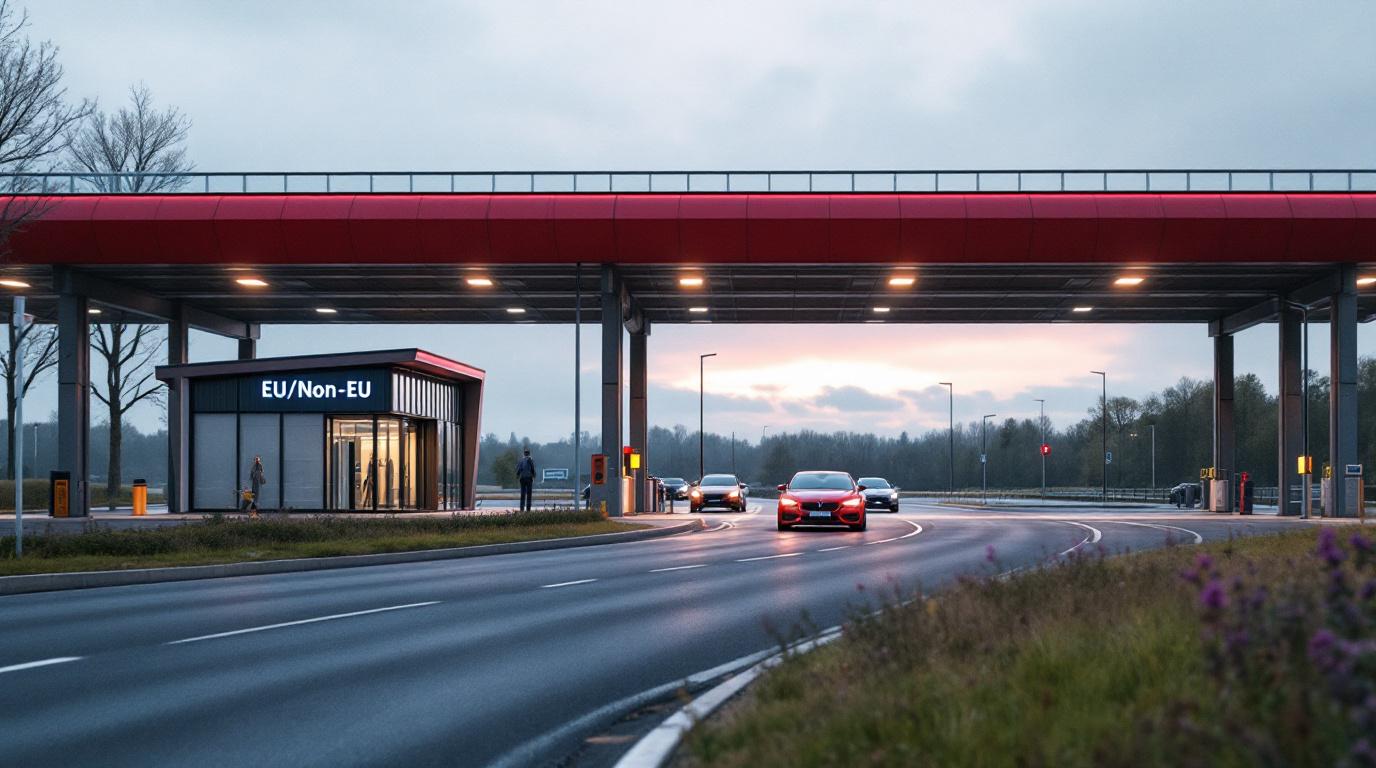
Border Crossings, Customs, and Travel Formalities: crossing the border worry-free
Good preparation for border crossings, customs, and travel formalities is the foundation for a relaxed driving holiday. By checking in advance which documents and rules apply, you avoid delays, fines, and other unexpected problems at the border. Within and outside Europe, you’ll travel confidently with the correct papers and knowledge of local legislation. Read on to discover how to smoothly pass through every border post.
The basics: travel documents for you and your fellow passengers
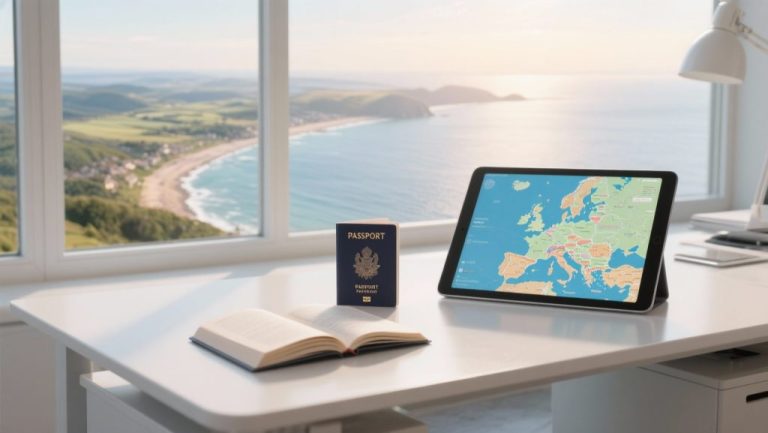
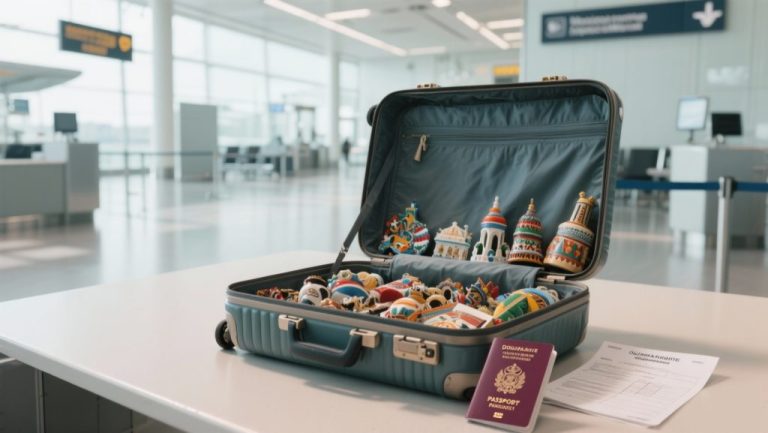
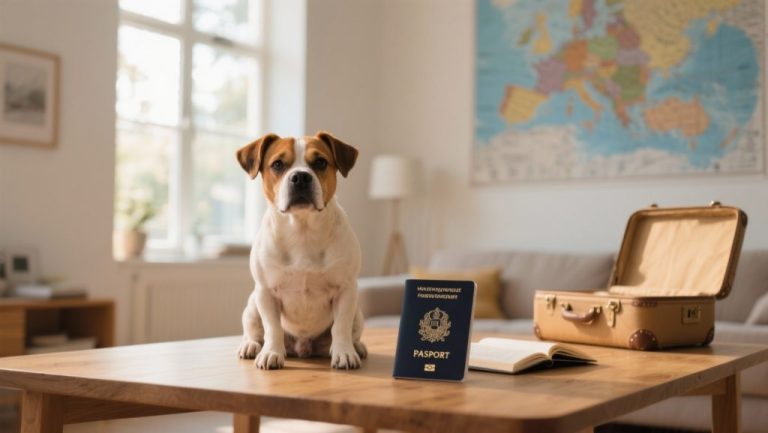
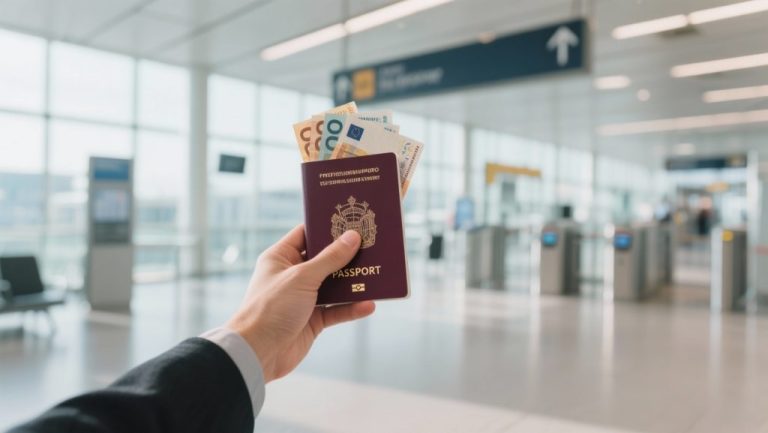
A valid travel document is the most important item on your packing list. Without it, you won’t be able to cross the border. In many European countries, EU citizens can travel with an identity card. For destinations outside the European Union, a passport is almost always mandatory. Check the validity of everyone’s document well before departure. Some countries require a passport to be valid for at least three or six months after the planned departure date from the country. This applies to all travellers, including children. They need their own identification and are no longer allowed to travel on their parents’ passports. Well-planned car journeys begin with having these documents in order.
‘ Without a valid document, you risk a fine. ’
Within Schengen: free travel, but stay alert
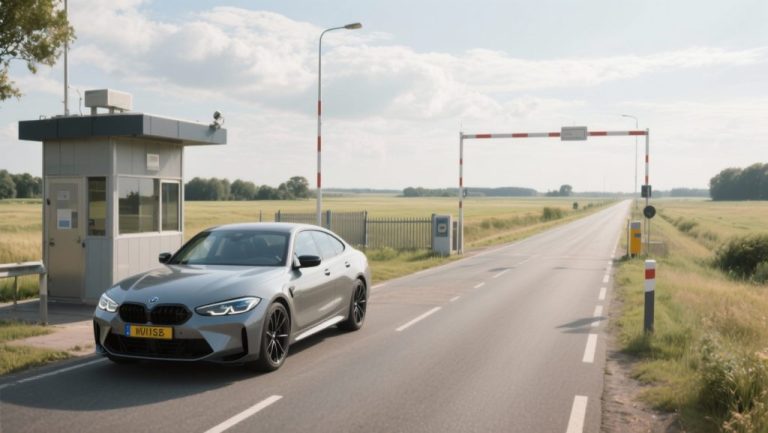
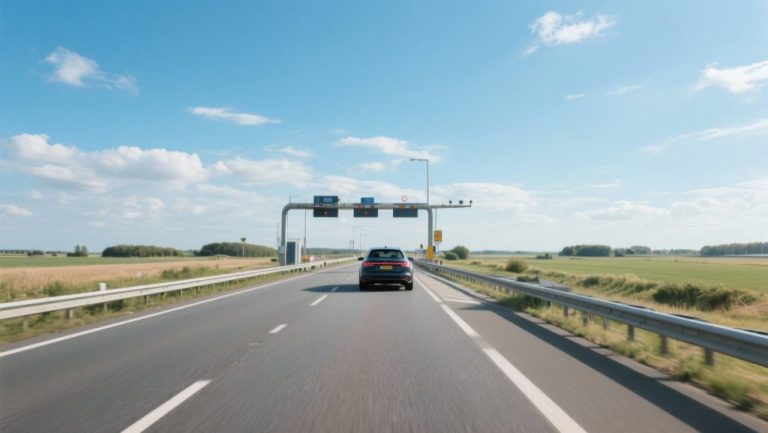
The Schengen Area, a region of 27 European countries, has significantly simplified travel by abolishing personal border controls. This means that when crossing the border between, for example, the Netherlands and Germany, or France and Spain, you do not need to stop. The free movement of people is one of the great advantages of European cooperation.
However, it is important to always carry a valid identification document. Countries sometimes temporarily reintroduce border controls for reasons of public order or national security. An identification obligation also applies in various countries. In the event of a random check or a traffic offence, you must identify yourself. Without a valid document, you risk a fine. Therefore, always keep your passport or ID card within easy reach, even if the border appears completely open.
Outside Schengen: prepared for external borders
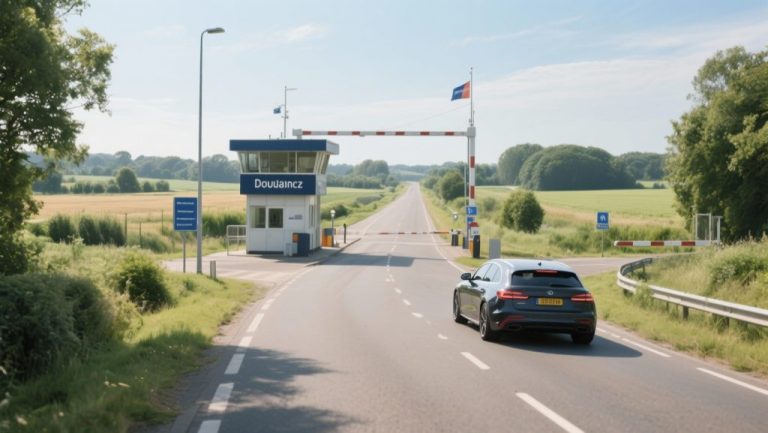
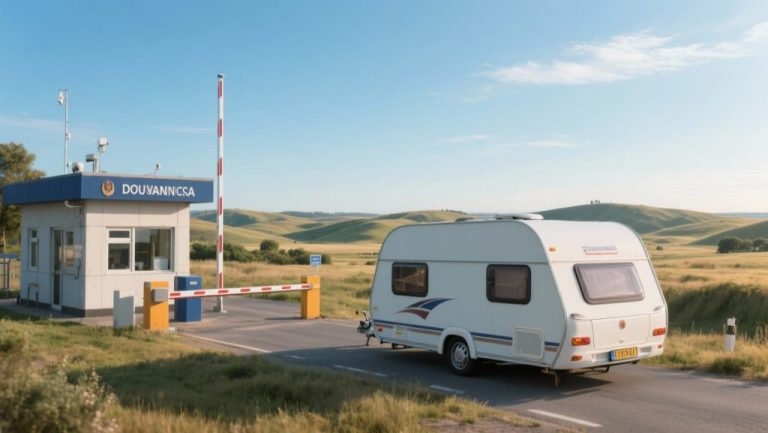
When you cross the external borders of the Schengen Area, you will face systematic controls. This applies to travel to the United Kingdom, Morocco, or Balkan countries that are not members of the EU. Here, everyone is checked. The customs officer will not only check your passport but sometimes also ask questions about your travel purpose, your whereabouts, and the duration of your trip. Make sure you have this information readily available.
For various countries outside the EU, as a Dutch citizen, you do not need a visa for a short tourist stay. Nevertheless, it is always wise to check this in advance with the embassy or consulate of the respective country. Rules sometimes change. The new Entry/Exit System (EES), which the EU is gradually implementing, digitally registers travellers from outside the EU with biometric data. Although this system is primarily aimed at non-EU citizens, it affects processes at external borders and sometimes leads to additional waiting times.
Your vehicle in order: documents for your car
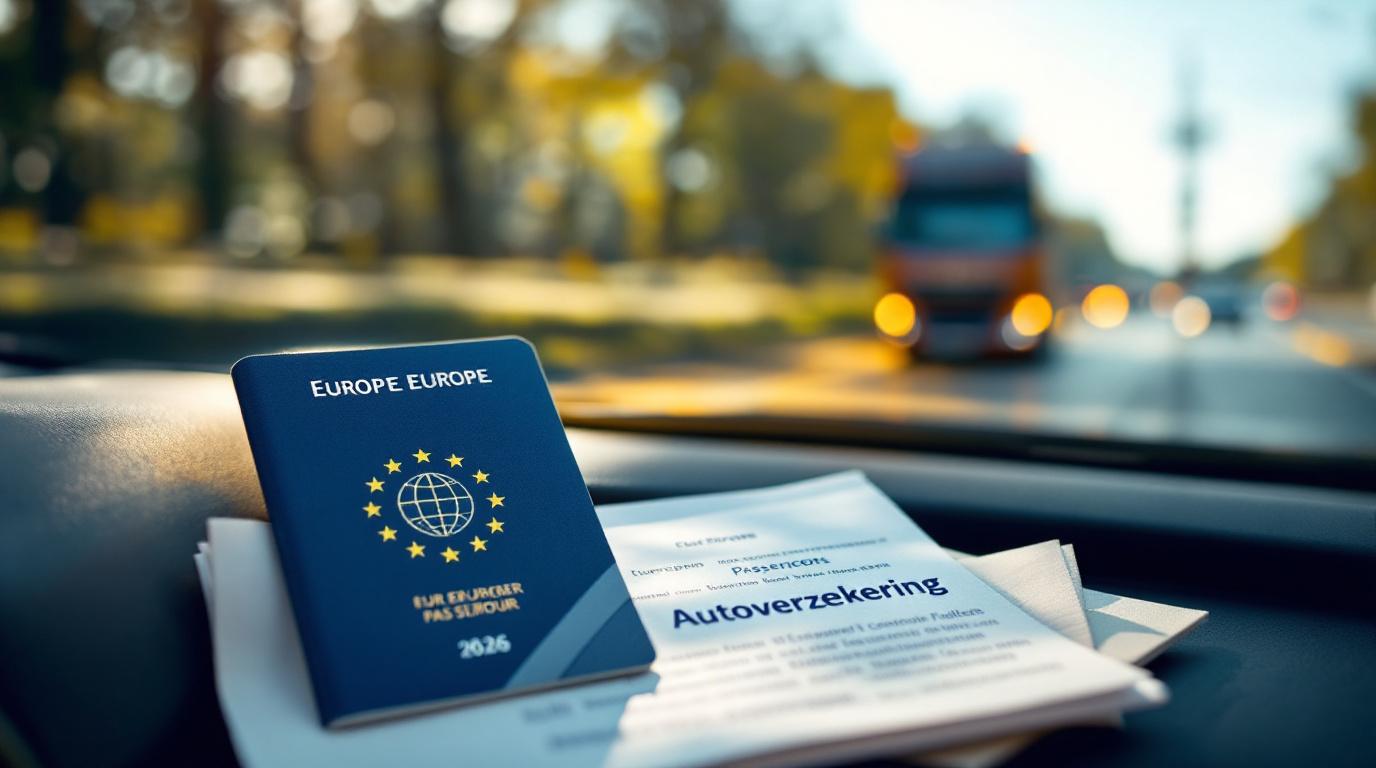
In addition to personal documents, you must also have your vehicle’s papers in order. A smooth border crossing depends on a complete set of documents proving that you are the rightful driver and that the car is insured and approved. The following documents are indispensable:
- Vehicle Registration Certificate: This document, often in the form of a registration card, proves that the car is registered in your name. Take both the vehicle registration certificate and the proof of ownership with you.
- Driving Licence: The entire EU and many other countries recognise a valid Dutch driving licence.
- International Driving Permit: For some countries outside Europe, an International Driving Permit (IDP) is required in addition to your Dutch driving licence. This is a translation of your national driving licence and can be applied for at the ANWB.
- Green Card: Although the Green Card is no longer mandatory to carry in the EU, it is an internationally recognised proof of insurance. It is strongly recommended to take it with you, especially if you are travelling outside the EU. In some countries, presenting it is still mandatory.
‘ Importing counterfeit goods, endangered animal and plant species, and meat and dairy products from outside the EU is prohibited. ’
Customs regulations: what can and cannot cross the border?
Customs inspects the goods you are carrying. Within the EU, you can take almost anything for personal use, as long as you do not exceed the guidelines for products such as alcohol and tobacco. The limits for these are generous. Stricter rules apply for travel to and from countries outside the EU. You may import goods up to a value of 430 euros tax-free.
Pay close attention to what you bring with you. Importing counterfeit goods, endangered animal and plant species, and some foodstuffs such as meat and dairy products from outside the EU is prohibited. Rules also apply to cash: amounts of 10,000 euros or more must be declared to customs. Check the specific rules of your destination to avoid problems.
Border controls and waiting times: smart planning
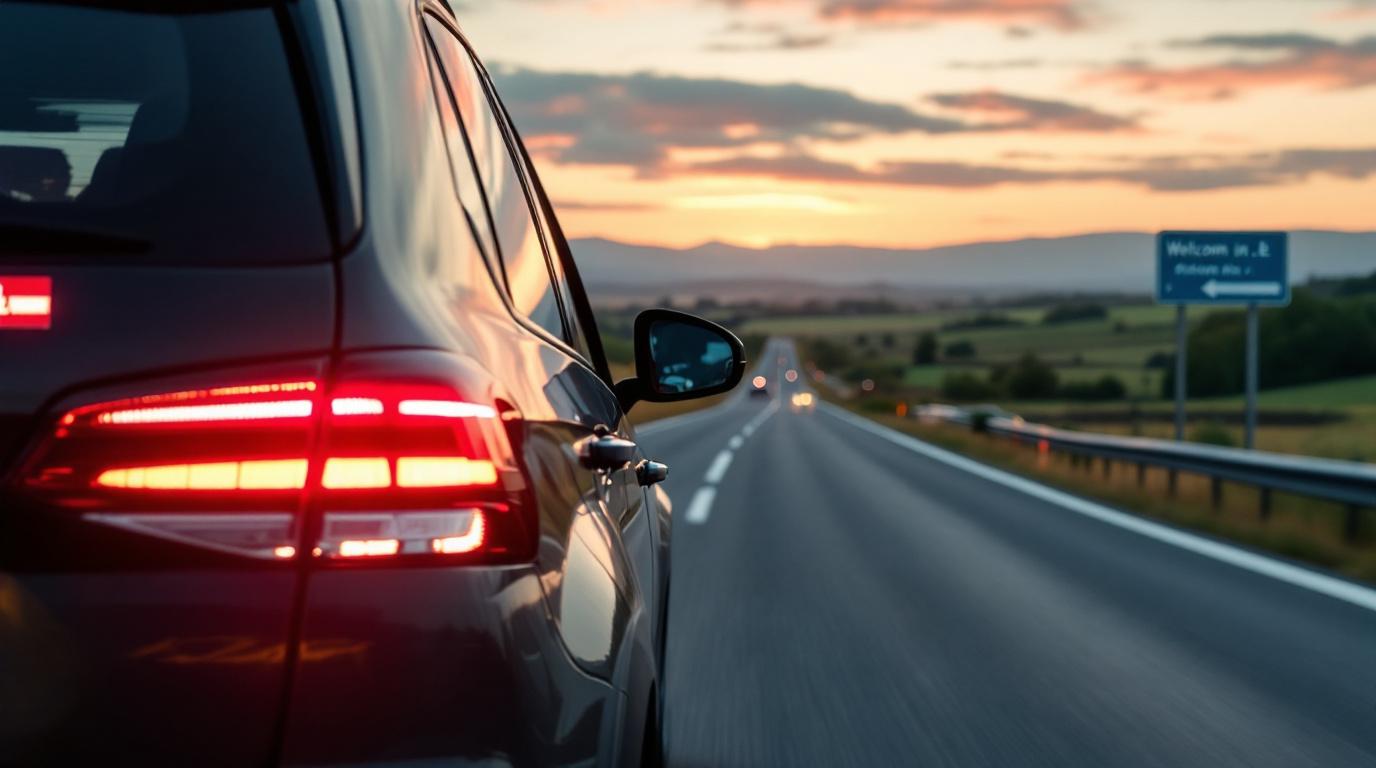
Although many borders are open, waiting times do occur, especially during peak season, holidays, or due to unexpected checks. Try to avoid busy border crossings on ‘Black Saturdays’. Travel at night or on weekdays, if possible. Use traffic apps to check the current situation at border posts. Sometimes a small detour via a less busy, local border crossing can save you a lot of time. Keep in mind that controls at the external borders of Schengen always take more time.
Practical tips for a smooth border crossing
Good preparation is half the battle. With a few simple steps, you can cross the border quickly and without stress. Have all necessary documents for yourself, your passengers, and your vehicle ready in a folder in an easily accessible place, such as the glove compartment. Make sure you know where you are going and what the purpose of your trip is. Be friendly and patient with border staff; they are doing their job. Follow their instructions carefully. Should you have any questions, ask them calmly and clearly.
‘ Once on the road, all that matters is the path ahead and the destinations waiting to be discovered. ’
Enjoy your well-prepared driving holiday
By paying attention to travel formalities, you lay the foundation for a worry-free journey. Checking documents, knowing customs regulations, and smartly planning your route may seem like small details, but they make a big difference. This way, you start your holiday relaxed and fully enjoy the freedom and experience that a car journey offers. Once on the road, all that matters is the path ahead and the destinations waiting to be discovered.