 NL
NL
Complete Guide to Car Holidays: From Preparation to Emergency Scenarios
A well-prepared car holiday is the key to a relaxed and unforgettable trip, where freedom and adventure go hand in hand. A successful road trip is not a matter of luck, but of smart planning, from the technical condition of your car to the smallest details of your route. In this guide, you will find all the information you need to make your next car holiday a guaranteed success.
Car Check and Maintenance Before Departure
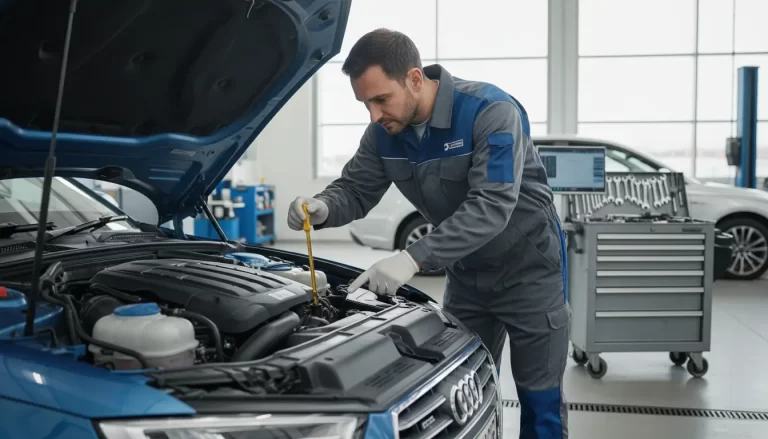
A thorough check of your car is the first step towards a safe journey. It is advisable to plan this at least two weeks before departure, to allow enough time for any potential repairs.
- Fluids: It is important to check the levels of engine oil, coolant, brake fluid, and windscreen washer fluid. Top up where necessary or have this done. A recent oil change is recommended for a long-distance journey.
- Tyres: The tyre pressure should be correct for a fully loaded car; the correct values can often be found in the owner’s manual or on the inside of the door jamb. The tread depth (minimum 1.6 mm, but 3 mm is recommended for better grip) and any cracks or damage also require attention. Don’t forget the spare wheel.
- Brakes: It is advisable to test the brakes. Do they feel spongy or is a grinding noise audible? If so, a visit to a garage is immediately necessary.
- Lights: A walk around the car allows you to check all the lights: headlights, tail lights, brake lights, and indicators.
- Air Conditioning: A properly working air conditioning system is indispensable during summer journeys. The system can be checked and refilled if the cooling is poor.
Many basic checks can be done yourself, but for matters such as brakes, air conditioning, or if in doubt about the technical condition of your car, a visit to a professional is always the best choice.
Read more: Car Check & Maintenance Before Departure
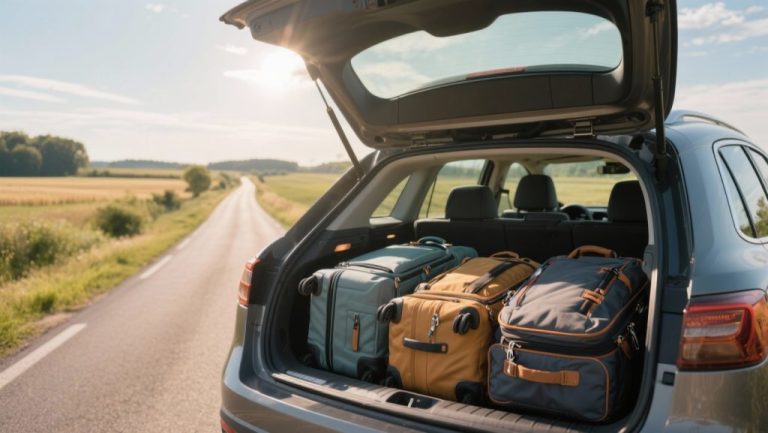
‘ It is important that luggage does not extend above the rear seats to maintain a clear view to the rear. ’
Packing and Luggage Organisation in the Car
Smart packing ensures greater comfort and safety on the road. A well-organised car prevents chaos and ensures that everything is within reach.
- Weight Distribution: The heaviest items, such as suitcases, should ideally be placed as low as possible and directly against the rear seats. This ensures more stable road holding.
- Soft Bags: Travel bags are more flexible than hard suitcases and often utilise boot space more efficiently.
- Storage Boxes and Bags: Storage boxes for loose items and special organiser bags for the back of the front seats are ideal for snacks, drinks, toys, and electronics.
- Keep Essentials Separate: A small bag with items you will need on the go, such as passports, driving licence, snacks, water, a first-aid kit, and medicines, can be kept in an easily accessible place, such as on the passenger seat or in the glove compartment.
- Safety First: It is important that luggage does not extend above the rear seats to maintain a clear view to the rear. A cargo net is advisable when loading up to the roof.
Read more: Packing & Luggage Organisation in the Car
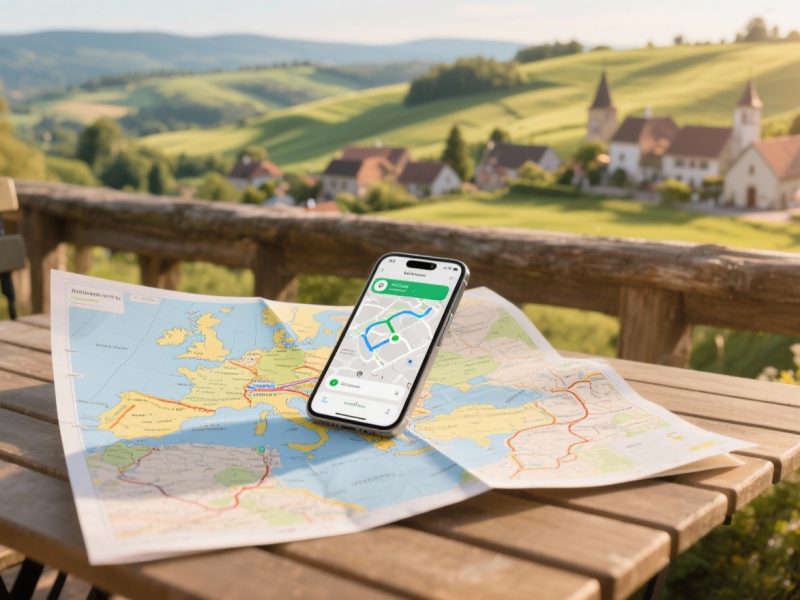
Traffic Rules and Driving Abroad
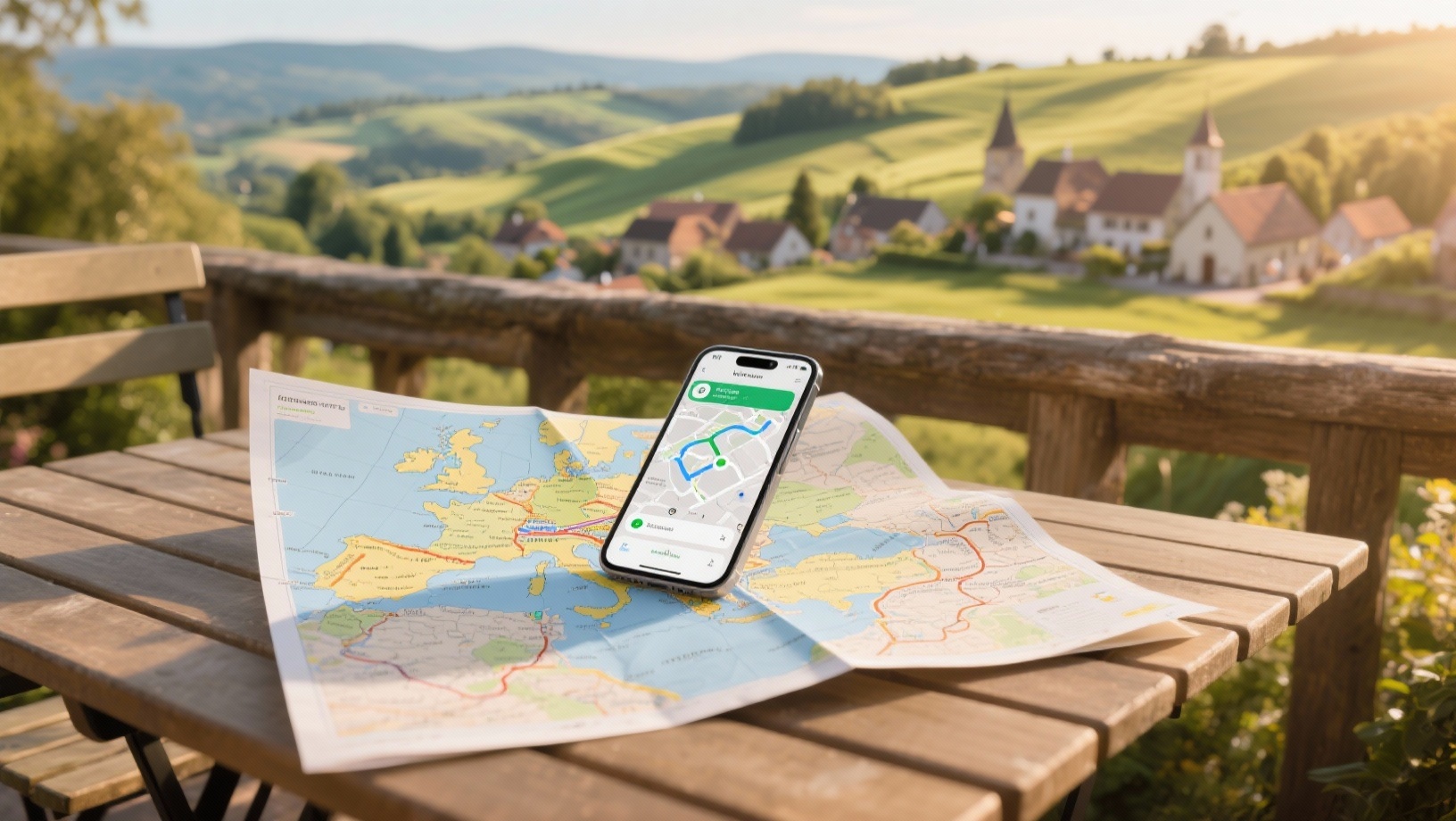
Every country has its own traffic rules. Good preparation prevents fines and dangerous situations. It is advisable to specifically inform yourself about the rules in the countries you will be travelling through.
- Speed Limits: Maximum speeds vary significantly by country and road type. In Germany, an advisory speed limit applies on parts of the Autobahn, while France has reduced the limit on secondary roads.
- Alcohol: The permitted alcohol limit for drivers is lower in many countries than in the Netherlands. In countries such as the Czech Republic and Hungary, there is even a zero-tolerance policy.
- Mandatory Equipment: It is useful to check which items are mandatory in your car. Examples include a warning triangle, high-visibility vests (for all occupants), a first-aid kit, and in some countries, even a fire extinguisher.
- Local Customs: It is good to be prepared for different driving styles. In Southern European countries, traffic can be more chaotic, while in Scandinavia, people generally drive very disciplined.
Read more: Traffic Rules & Driving Abroad
Car Documents, Insurance, and Breakdown Assistance
It is important that you have all the necessary documents with you and are well insured for your trip through Europe.
- Documents:
- Valid driving licence
- Vehicle registration certificate
- Green Card (international insurance certificate)
- European accident statement form
- Insurance: It is advisable to check the foreign coverage of your car insurance. Travel insurance with additional vehicle cover can be useful.
- Breakdown Assistance: Breakdown assistance insurance with European coverage is recommended. It is important to carefully check which services are covered, such as replacement transport, vehicle repatriation, and accommodation costs in case of a breakdown.
‘ These can be purchased online in advance or at the border to avoid fines. ’
Toll Roads, Vignettes, and Route-Specific Charges
Many European countries levy tolls on motorways. The systems for this vary greatly.
- Vignettes: In countries such as Austria, Switzerland, and Slovenia, a vignette is mandatory to drive on the motorway. These can be purchased online in advance or at the border to avoid fines.
- Toll Gates: In France, Italy, Spain, and Portugal, tolls are paid per travelled section at toll gates (péage). Payment can be made in cash, by credit card, or via an electronic toll badge.
- Route-Specific Charges: Some specific tunnels and bridges, such as the Brenner Pass between Austria and Italy, have a separate route-specific charge.
- Toll-Free Routes: When planning the route, a toll-free option can be deliberately chosen. Sometimes a toll-free route is a beautiful and relaxed alternative, although it often takes more time. Navigation apps usually offer an option to avoid toll roads.
Border Crossings, Customs, and Travel Formalities
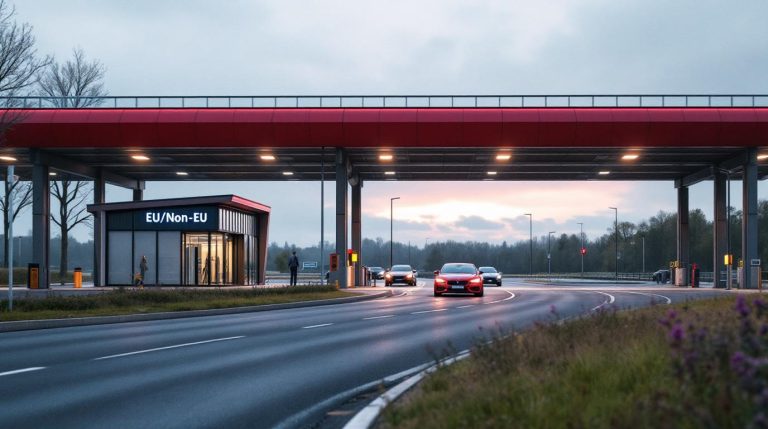
Within the Schengen Area, there are usually no border controls, but identification must always be possible.
- Identification: It is important that all travellers carry a valid passport or identity card.
- Goods: There are limits on the amount of alcohol and tobacco that may be taken duty-free.
- Pets: For taking pets, a European pet passport is required, with proof of a valid rabies vaccination.
- Medicines: When carrying medicines, a medical passport can be requested from the pharmacy. For some medication (such as opiates), an official declaration is required. It is important that the medicines remain in their original packaging.
Navigation and Route Apps
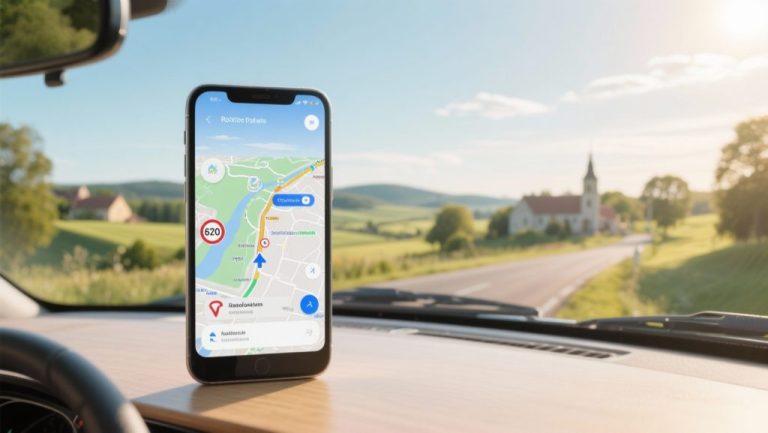
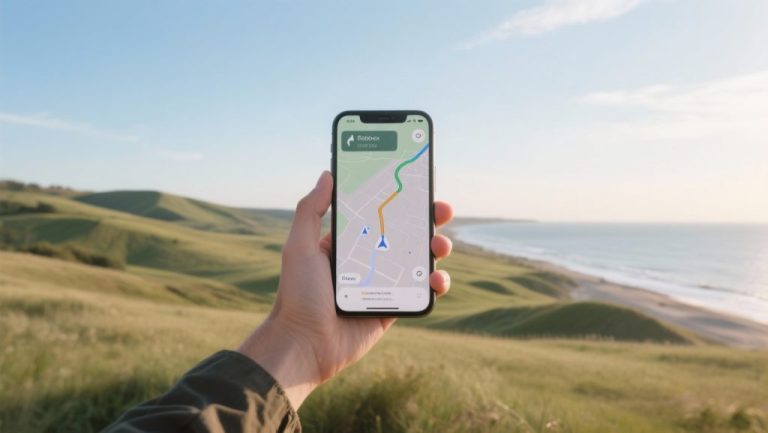
A reliable navigation system is indispensable. The choice between a classic system and an app depends on your preference.
- GPS Systems: A traditional navigation system (such as TomTom or Garmin) is reliable and not dependent on a mobile network. It is important that the maps are recently updated.
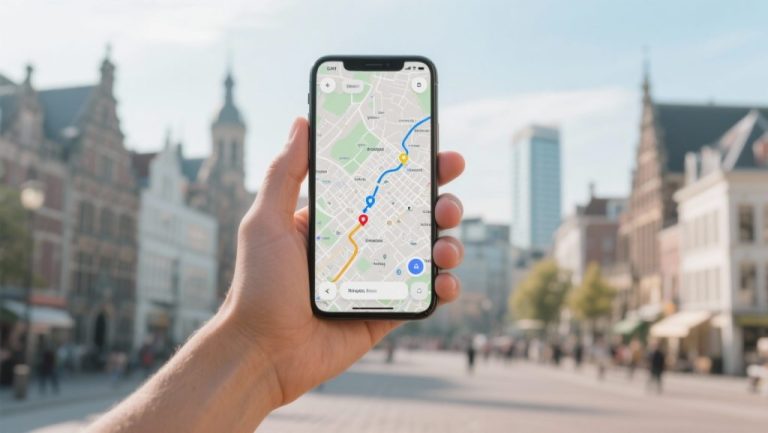
- Route Apps: Apps like Google Maps, Waze, and Apple Maps offer real-time traffic information and alternative routes in case of traffic jams. However, they do consume data.
- Offline Maps: To save data costs, maps can be downloaded in advance in Google Maps, or an app like Maps.me, which works completely offline, can be used.
- Combining: It is possible to combine the best of both worlds: a route app for live traffic info and offline maps as a backup in areas with poor coverage.
Read more: Navigation & Route Apps
‘ A calm and consistent driving style increases your range. ’
Electric Driving on a Car Holiday (EV)
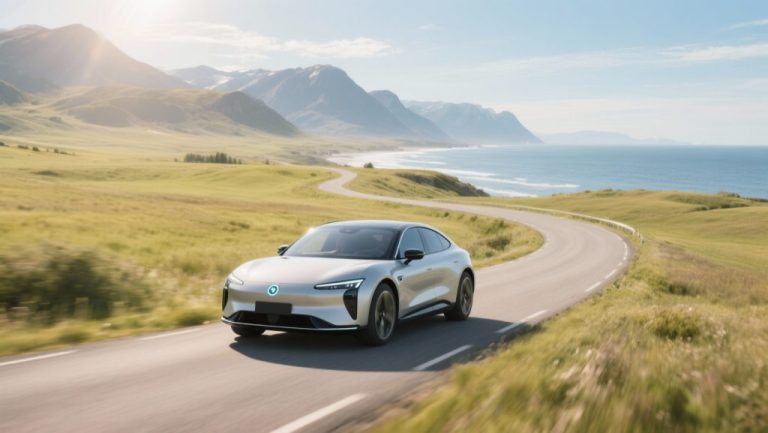
A car holiday with an electric car requires slightly different planning, but is entirely possible.
- Route Planning: It is advisable to plan the route along rapid charging stations. Apps such as A Better Routeplanner (ABRP) or those from charging point providers can assist with this. It is wise to allow for a buffer; charging stops can be planned when your battery still has 20-30% capacity.
- Charging Cards: It is useful to apply for multiple charging cards that offer coverage in the countries you are travelling to. This way, you are not dependent on a single network.
- Optimising Range: A calm and consistent driving style increases your range. A lower speed on the motorway can save an extra charging stop.
- Charging at Accommodation: It is advisable to look for hotels or campsites with charging facilities, so you can start each day with a full battery.
Read more: Electric Driving on a Car Holiday (EV)
Parking, Environmental Zones, and City Access
More and more European cities have introduced environmental zones (Low-Emission Zones) to improve air quality.
- Environmental Stickers: For cities in Germany (Umweltplakette), France (Crit'Air), and other countries, an environmental sticker is required. These can be ordered online well in advance, as delivery times can be long.
- Access Rules: It is important to inform yourself about the specific rules. Some zones are permanently closed to certain vehicles, others only at specific times.
- Parking: Parking apps such as ParkMobile or EasyPark make it easy to find a parking space and pay. Park & Ride (P+R) locations on the outskirts of the city can be an affordable and relaxed alternative for a city visit.
Read more: Parking, Environmental Zones & City Access
Road Safety and Breakdown Scenarios
Despite good preparation, something can always go wrong. It is important to know what to do in case of a breakdown or an accident.
- Safety Equipment: The mandatory safety equipment (high-visibility vests, warning triangle) should be within easy reach.
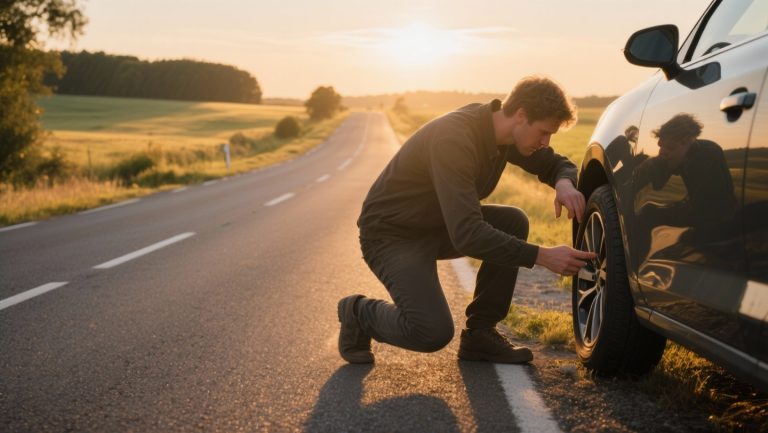
- In case of breakdown:
- Pull the car over to a safe place (hard shoulder).
- Wear a high-visibility vest before getting out.
- Place the warning triangle at a sufficient distance behind the car (approx. 100 metres on motorways).
- You and your passengers should move to safety behind the crash barrier.
- Call your breakdown assistance service. It is important to have your contact details and policy number to hand.
- In case of an accident: Follow the same safety steps. Together with the other party, fill out the European accident statement form and take photos of the situation and the damage. In case of injury, always call the local emergency services (European emergency number: 112).
Careful planning is the foundation for any successful car holiday, but the real adventure only begins when you have the space to be spontaneous. With Traveler Tips’ comprehensive route guides and checklists, you lay a foundation you can trust. This way, you no longer have to worry about practical matters on the road, but can fully focus on discovering new places and creating memories.
Read more: Road Safety & Breakdown Scenarios