 NL
NL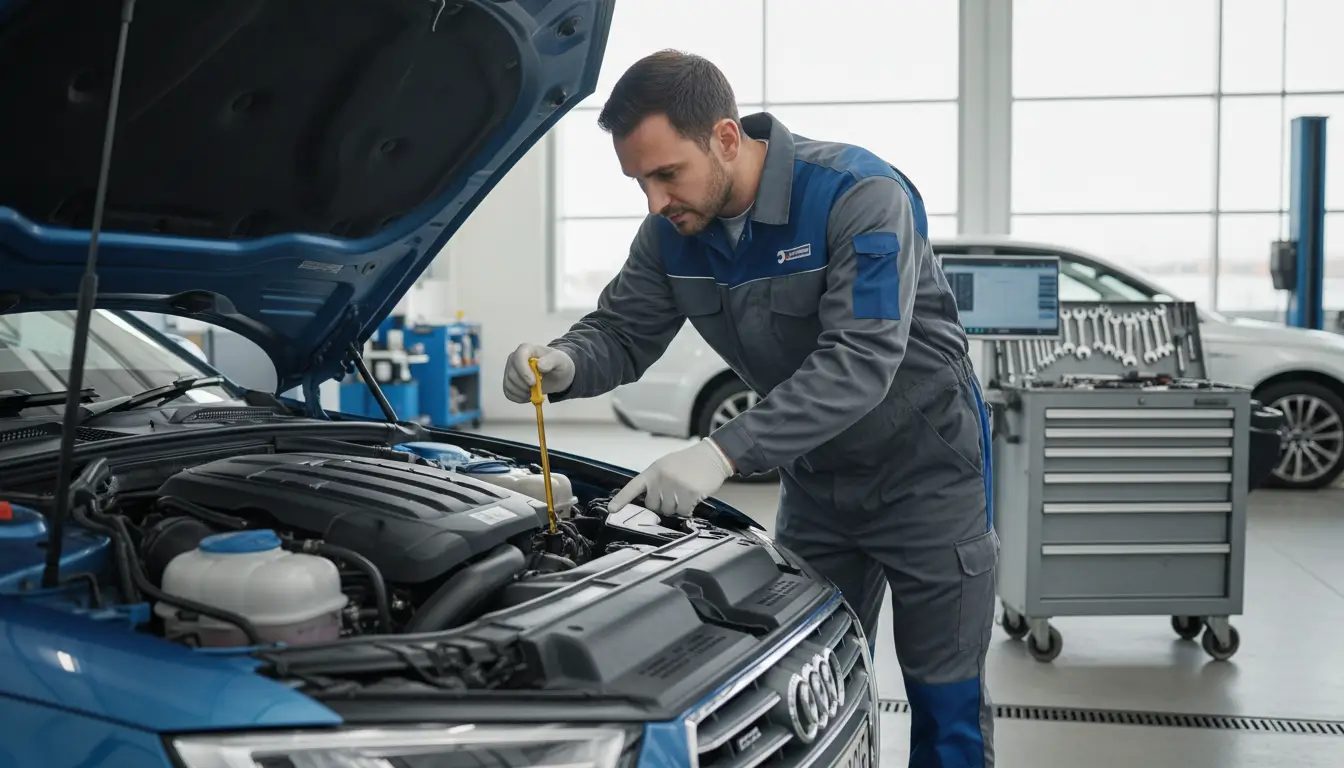
The essential car check for your carefree holiday
A complete car check and maintenance before departure is the basis of every successful and safe motoring holiday. It provides peace of mind and comfort, and reduces the chance of unpleasant surprises such as breakdowns, unexpected costs, or dangerous situations on the road. With a well-prepared car, your holiday begins the moment you step inside. Read on and discover how a systematic approach ensures you don’t overlook anything.
Good preparation is half the battle, especially when planning car journeys. This doesn’t start on the day of departure, but ideally several weeks in advance. By paying timely attention to your car’s maintenance, you prevent stress and can hit the road with confidence. It gives you the freedom to fully enjoy the journey, the route, and the destination.
Timing is crucial: service and MOT
One of the most important steps in preparing for your motoring holiday is scheduling a professional service. Don’t wait until the last week. Book an appointment with your garage at least two to three weeks before your departure date. This gives the mechanic enough time to thoroughly inspect the car and identify any potential issues. Should a part need replacing that isn’t immediately in stock, there will still be plenty of time to order and fit it without jeopardising your trip.
At the same time, check the expiry date of your MOT (Ministry of Transport) test certificate. An expired MOT can lead to hefty fines and insurance problems abroad. Is your MOT nearly due for renewal? Combine it with your service. This way, you kill two birds with one stone and ensure your car meets all legal safety requirements.
‘ Their condition is therefore of great importance for your safety, especially with heavy loads and long distances. ’
Tyres: your foundation on the road
Your tyres are the only point of contact between your car and the road surface. Their condition is therefore of great importance for your safety, especially with heavy loads and long distances. A tyre inspection consists of three parts: pressure, tread depth, and general condition.
Checking tyre pressure
Correct tyre pressure ensures stable road handling, a shorter braking distance, and lower fuel consumption. The correct pressure for your car can often be found in the owner’s manual, on a sticker in the door frame, or on the inside of the fuel cap. Note: a higher recommended pressure usually applies to a fully loaded car. Check the pressure when the tyres are ‘cold’, i.e., before you have driven a long distance. Don’t forget the spare wheel either; it would be a shame if you discovered your spare wheel was also flat when you had a puncture.
Measuring tread depth
Sufficient tread on your tyres is essential for water dispersion and maintaining grip on a wet road surface. The legal minimum tread depth in Europe is 1.6 millimetres. However, for optimal safety, it is recommended to travel with a minimum of 3 millimetres of tread. You can check the depth with a tread depth gauge or via the wear indicators in the main grooves of the tyre. These are small rubber blocks that become visible when the tyre is worn.
Fluids: essential for a smooth ride
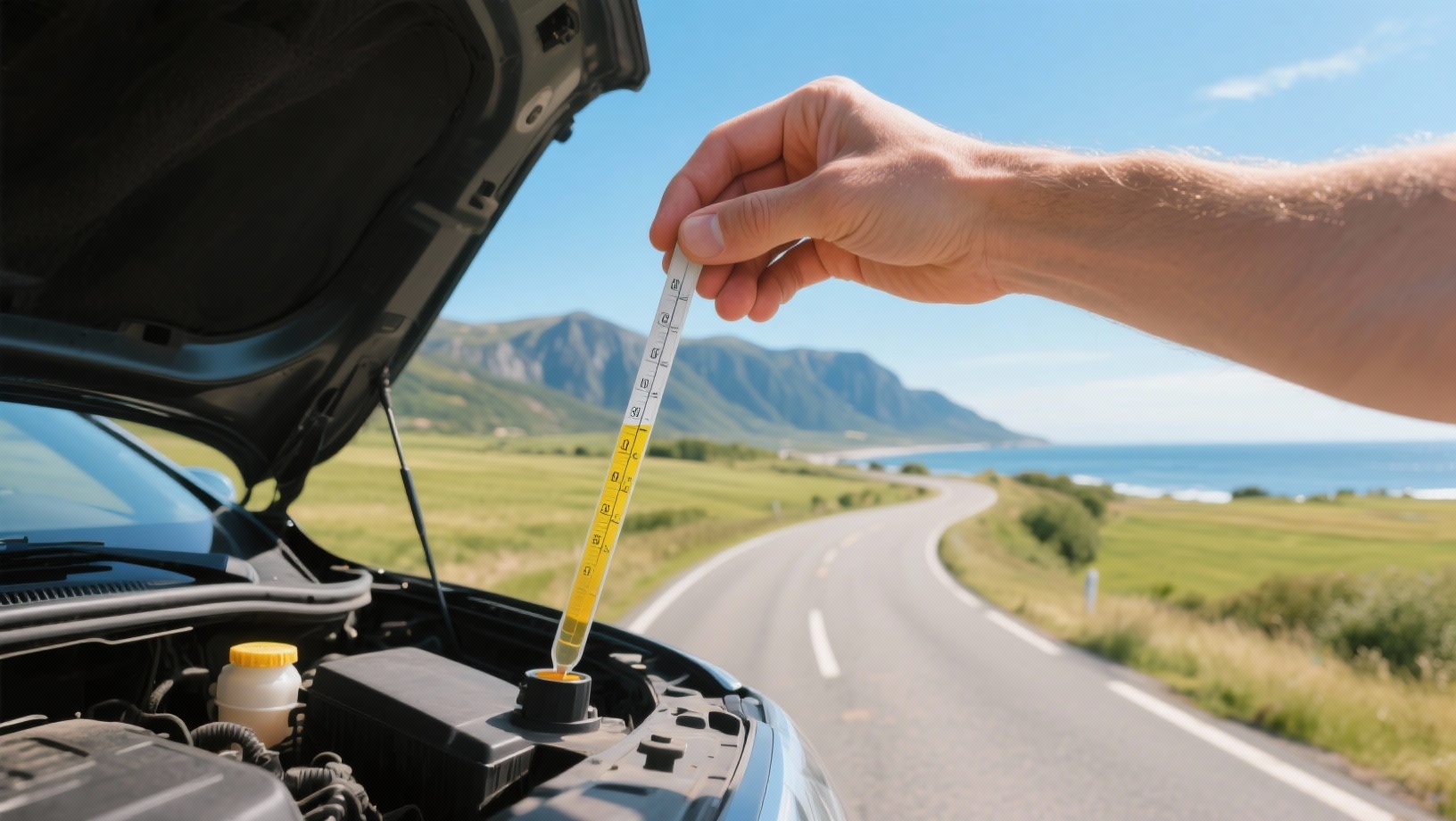
The engine and other systems in your car function using various fluids. It is important to check the levels of these fluids before departure and top them up if necessary.
- Engine oil: Check the engine oil when the engine is cold and on level ground. The level on the dipstick should be between the min and max marks. Too low an oil level can cause serious engine damage. If necessary, take a litre of the correct type of oil with you for the journey.
- Coolant: Coolant prevents the engine from overheating. Check the level in the expansion tank; again, it should be between the min and max indications. Only top up with the prescribed coolant when the engine has completely cooled down to prevent injury.
- Brake fluid: A correct level of brake fluid is crucial for the functioning of your brakes. The reservoir is usually transparent, making it easy to read the level. If in doubt or if the level is low, have your garage inspect it.
- Windscreen washer fluid: Ensure a full reservoir of windscreen washer fluid. In summer, you can use a variant with insect remover for clear visibility. This is a small effort that significantly increases comfort and safety.
Brakes and lighting: seeing and stopping safely
A well-functioning braking system and correctly working lights are crucial for your safety. While driving, listen carefully for any unusual noises when braking, such as a grinding or squealing sound. This could indicate worn brake pads. Always have this checked by a professional.
Before departure, walk around the car to test all the lights. Ask someone to help you check the brake lights and reverse lights. Check the headlights (dipped beam and main beam), indicators, tail lights, and fog lights. A faulty bulb is often easy to replace yourself and prevents a fine or an unsafe situation in the dark or in bad weather.
‘ An older or weak battery can fail precisely during a holiday. ’
Battery and air conditioning: ready to start and comfortable
The battery is heavily loaded during long journeys by the use of navigation, charging devices, and air conditioning. An older or weak battery can fail precisely during a holiday. If you notice the car starting with more difficulty, have the battery tested at a garage. In any case, ensure that the battery terminals are clean and corrosion-free for good conductivity.
The air conditioning ensures a pleasant temperature in the car, which contributes to the driver’s concentration. Test its operation well before departure. If the air conditioning is no longer cooling properly, the system probably needs recharging. Have this carried out by a specialist. A properly working air conditioning also helps to quickly clear misty windows, which improves visibility.

Loading and towing weight: stability and safety
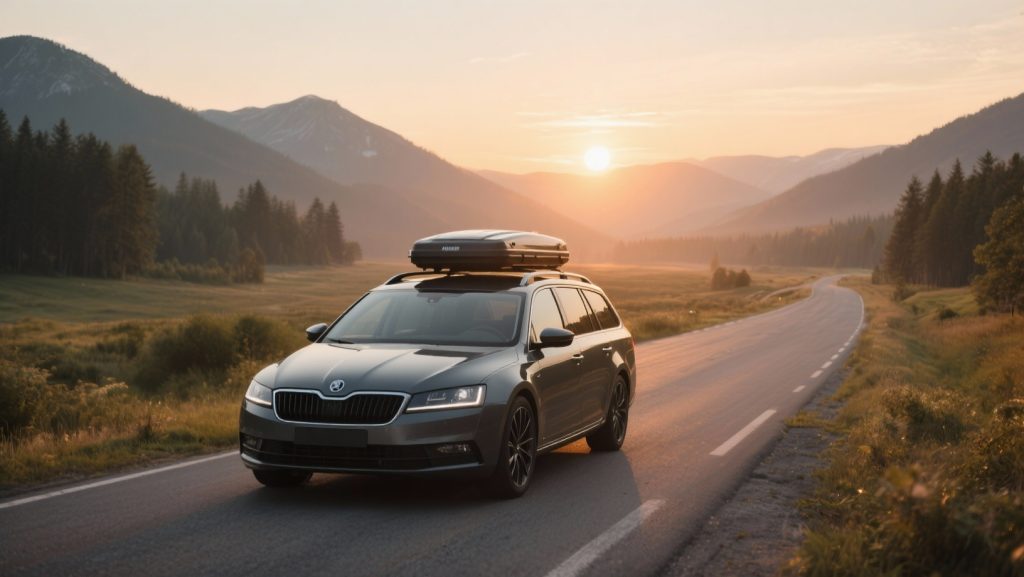
A correctly loaded car is more stable and safer. Distribute the weight of the luggage evenly and place the heaviest items as low as possible and as close as possible to the backrest of the rear seat. This ensures a low centre of gravity and better road holding. Make sure there are no loose items on the parcel shelf; these can become dangerous projectiles during sudden braking.
Check your car’s maximum permissible payload. This information is stated on the vehicle registration certificate. If you are travelling with a trailer or caravan, also check the maximum towing weight. Overloading negatively affects driving behaviour, braking distance, and wear and tear on the car.