NL
NL
Electric driving on a car holiday: Your complete guide to a carefree road trip
With thorough preparation, electric driving on a car holiday (EV) is a comfortable, smart, and remarkably relaxed way to travel. The image of charging anxiety makes way for well-planned journeys and breaks at interesting locations. The journey itself thus becomes an important part of your holiday experience. Read on and discover how to set off with confidence and pleasure, armed with the right knowledge and tools.
This way of travelling perfectly aligns with the growing interest in conscious and carefully planned car journeys. The route is just as important as the destination. You explore Europe at a different pace and truly get to know your own vehicle and its capabilities.
Planning is half the battle: Preparing at home
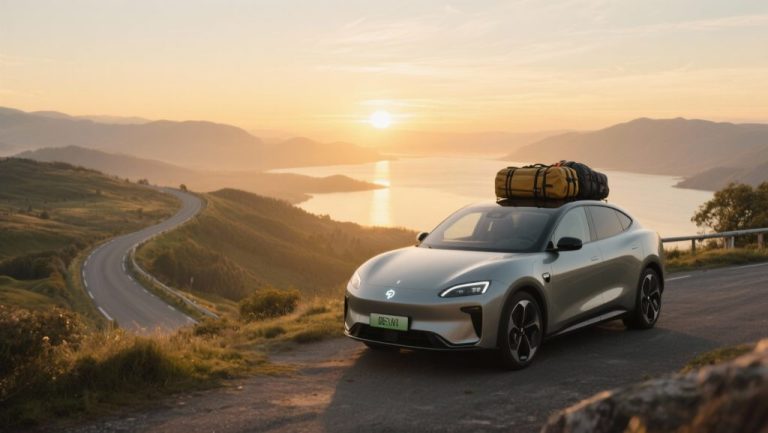
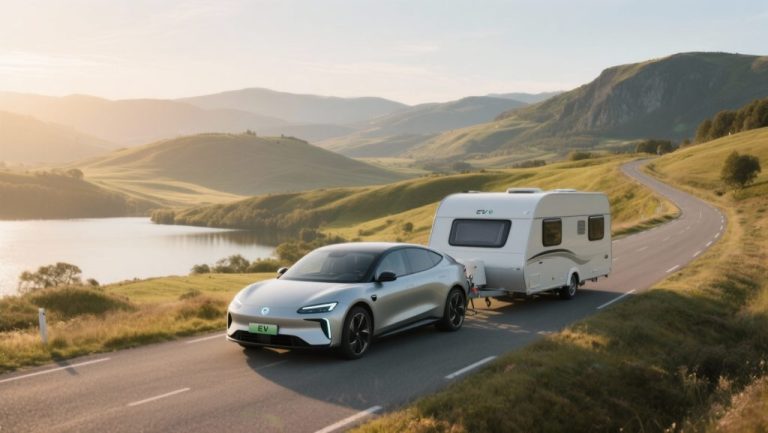
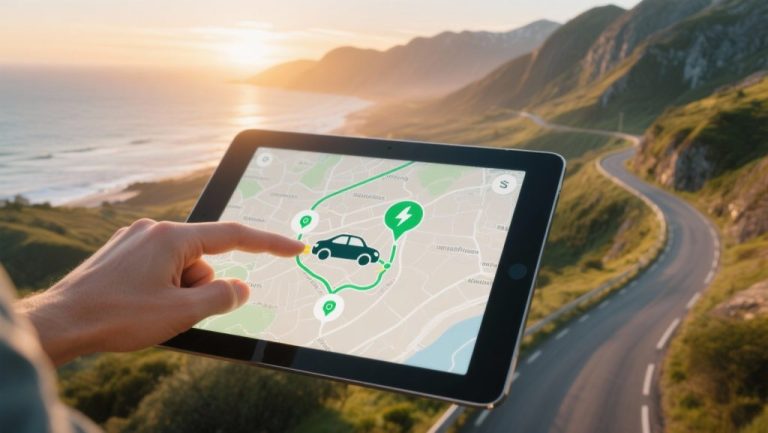
A successful EV road trip begins with good preparation at home. Before you depart, it’s wise to map out three things: your car, your route, and the conditions. Know the realistic range of your car; the value provided by the manufacturer is often based on ideal conditions. Factors such as a roof box, extra weight, and the use of air conditioning can reduce the range by 10 to 30 per cent. Use an EV route planner like A Better Routeplanner (ABRP) to create a realistic travel schedule including charging stops. These apps take into account your specific car, weather conditions, and the landscape.
‘ Although the number of charging points is also growing there, a trip to, for example, Southern Italy or Spain requires slightly more careful planning. ’
Charging Networks in Europe: Where can you charge?
The coverage of charging networks in Europe has improved enormously in recent years, but there are still significant differences between countries. Northern and Western European countries such as Norway, Germany, and France have excellent infrastructure with many rapid chargers along the motorways. Major providers like Ionity, Fastned, and Allego are well-represented here. In Southern and Eastern Europe, the network is less dense. Although the number of charging points is also growing there, a trip to, for example, Southern Italy or Spain requires slightly more careful planning. Check the availability of rapid chargers (DC chargers) on your route in advance to avoid long waiting times or unnecessary detours.
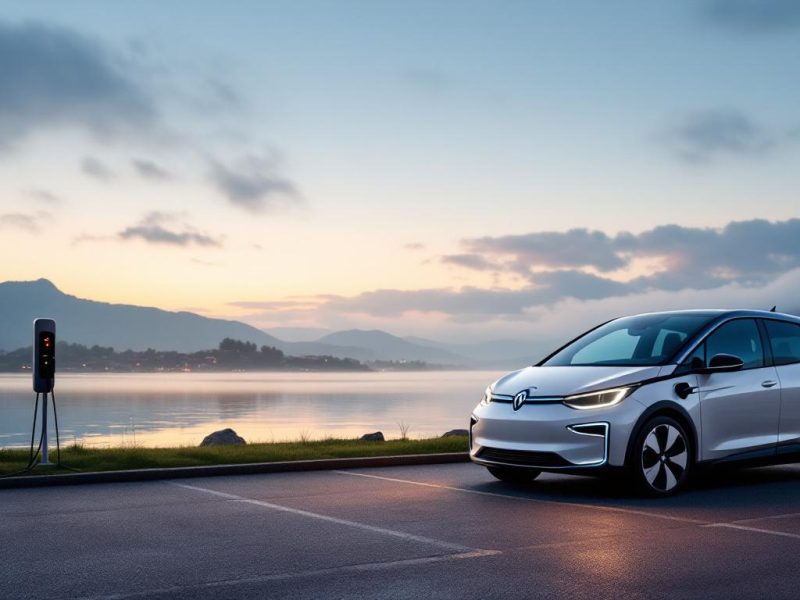
Charging cards and apps: Your indispensable digital tools
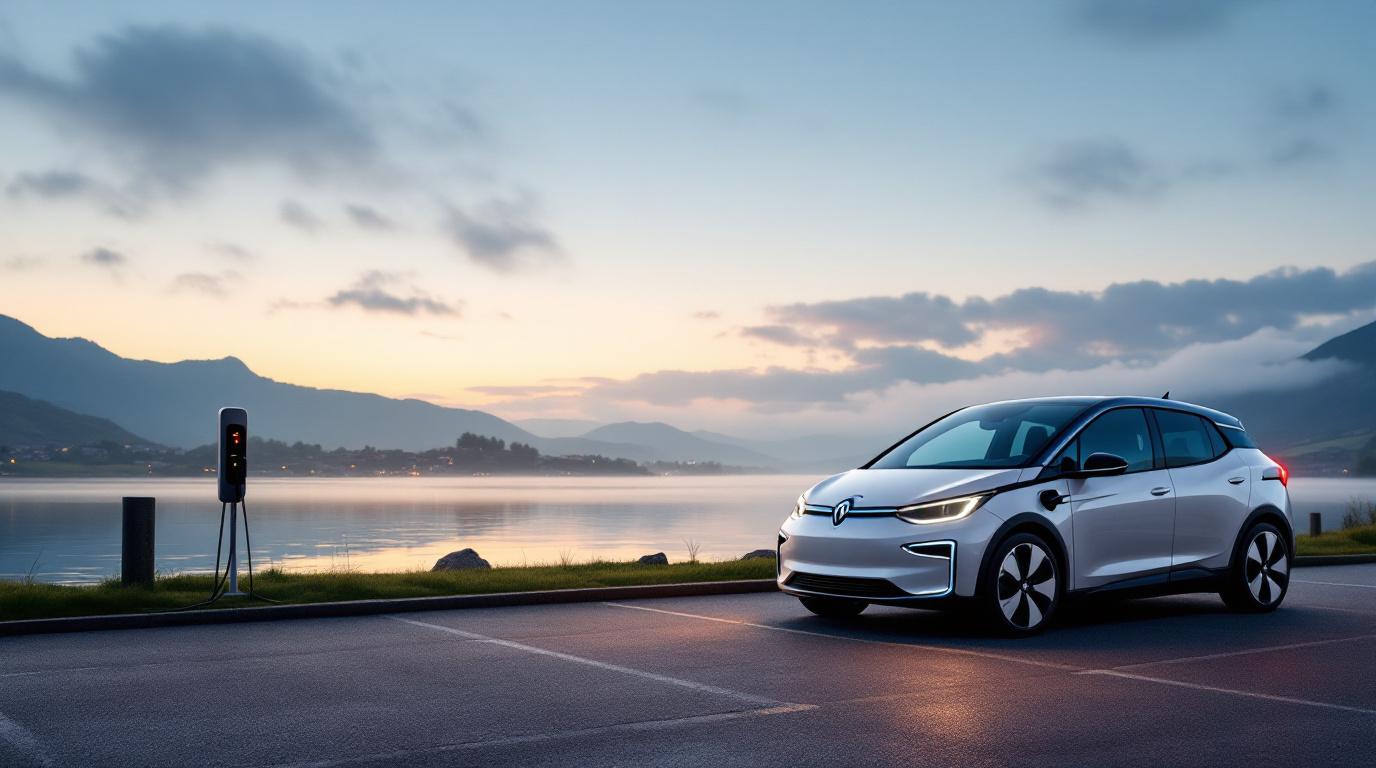
For carefree charging on the go, the right charging cards and apps are indispensable. It is advisable to carry at least two different charging cards. A card from a major provider with broad European coverage, such as Shell Recharge or ANWB, is a good foundation. Supplement this with a second card, in case you encounter a charging point that does not accept your primary card. Additionally, apps that show the availability and prices of charging points, such as Plugsurfing or Chargemap, are very useful. Increasingly, you can also pay directly at charging stations with a credit card or via the provider’s app, which further simplifies the process.
Your smart charging strategy: Optimal charging on the go
Efficient travel with an electric car requires a smart charging strategy. Instead of fully charging your battery at every stop, it’s faster to drive in shorter stages and charge more frequently to around 80 per cent. This is because charging the last 20 per cent of the battery takes significantly longer. Plan your charging stops at logical moments, for example, during a lunch break or a coffee stop. In this way, charging becomes not an interruption, but a natural part of your journey. By making these ‘frog leaps’, you keep travel time limited and the atmosphere relaxed.
‘ Generally, you’ll spend considerably less on ‘electricity’ than on petrol or diesel. ’
Charging times and costs: What do you pay and how long does it take?
The time and cost for charging can vary greatly. It’s good to know the difference between the types of chargers:
- AC chargers (normal chargers): These are often found at hotels, in cities, and in car parks. They are ideal for charging your car overnight or during a longer stop.
- DC chargers (rapid chargers): These are located along motorways and can charge your battery to 80 per cent in 20 to 40 minutes. Perfect for on the go.
- HPC chargers (High Power Charging): These are the fastest chargers, offering even shorter charging times for compatible cars.
Costs are usually calculated per kilowatt-hour (kWh) and vary by provider and country. Use an app to compare rates, as prices can differ significantly. Generally, you’ll spend considerably less on ‘electricity’ than on petrol or diesel.
Charging at your destination: Comfort at hotels and campsites
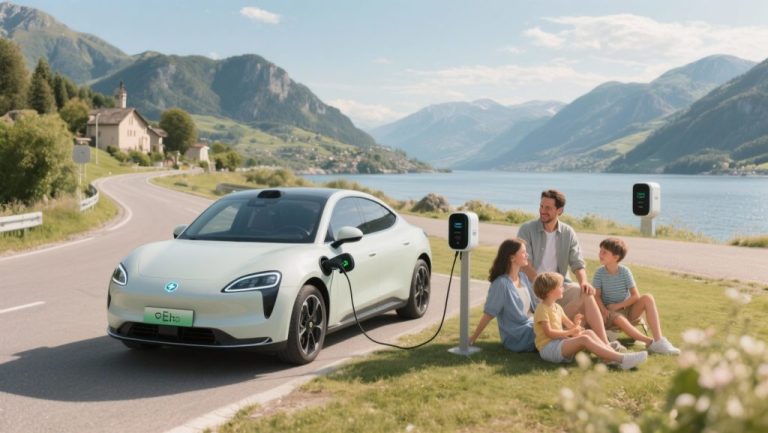
One of the biggest advantages of driving an electric car on holiday is the ability to charge at your destination. Many hotels, holiday parks, and even campsites offer charging facilities. This means you start each day with a full battery. This gives you the freedom to explore the surroundings without worrying about range. When booking your accommodation, you can often filter for the presence of a charging point. This small piece of extra planning when booking ensures great convenience and comfort during your stay.
Specific conditions: Range in mountains and winter
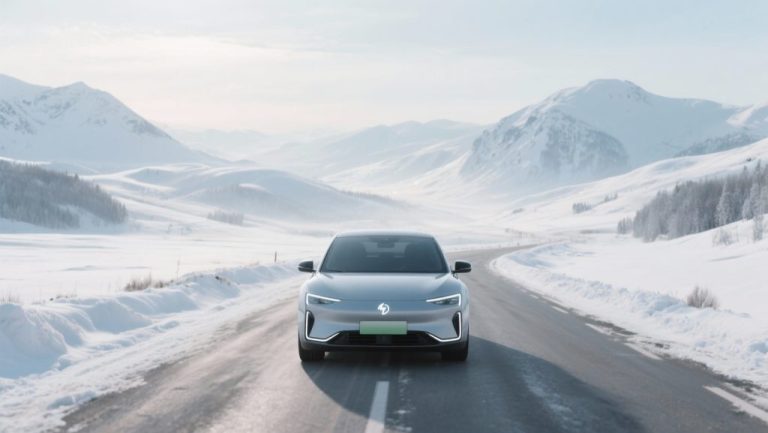
Extreme temperatures and altitude differences affect the range of your electric car. In the mountains, climbing a slope consumes a lot of energy, but when descending, you regain energy through regenerative braking. On balance, your consumption in the mountains is higher. Cold also has a negative effect. In winter, the range can decrease by 20 to 30 per cent because the battery operates less efficiently and the interior heating consumes energy. A useful tip is to pre-heat the car while it is still connected to the charging point. This way, you use electricity from the grid instead of from your battery.
‘ Modern electric cars provide multiple warnings well in advance. ’
Emergency scenarios: What to do in case of a breakdown or a flat battery?
The chance of your battery running completely flat is small. Modern electric cars provide multiple warnings well in advance. Should it happen nonetheless, don’t panic. Use a charging app on your phone to find the nearest, possibly slower, charging point. Also, make sure you know whether your breakdown assistance service has experience with electric vehicles. Some services have mobile chargers to give you enough power on the spot to reach the next charging point. Good preparation also includes checking your breakdown cover abroad.