 NL
NL
Cruise: choose and plan your holiday
Cruising is no longer reserved for decadent holidaymakers. A cruise is a surprisingly smart way to combine several destinations. You avoid the stress of checking out, packing and figuring out transport. But a cruise is not for everyone. If you want to set your own pace completely, dive deep into a single destination or are allergic to fixed mealtimes and a groupy atmosphere, cruising may suit you less. Find out whether cruising is something for you.
Why a cruise can work for self-organising travellers
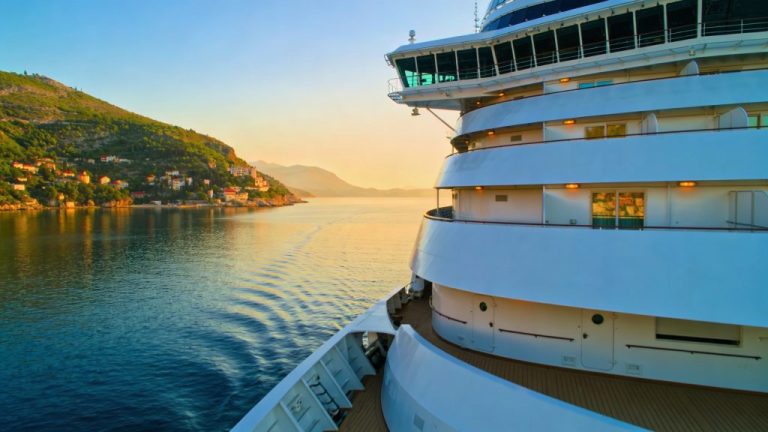
A cruise works like a mobile hotel. You sleep in the same cabin every night, while the ship takes you to different cities, islands or nature areas. Breakfast, lunch and dinner are taken care of, entertainment and a swimming pool are often available. The schedule is fixed, but what you do ashore you arrange yourself. Instead of an organised coach tour you book a bike hire locally, walk through a city independently or take public transport.
Normally you might plan road trips, train journeys or car holidays. This is a different way of travelling. You get structure without having to work out all the logistics yourself, but keep the freedom to shape routes and experiences as you see fit. This makes a cruise attractive if you want a change, or want to explore an area where independent travel is complicated. It is also a good option if you would like to combine several destinations without constantly having to look for new hotels.
A cruise is less suitable if you:
- prefer to travel at your own pace without fixed arrival and departure times
- deliberately choose to stay in one place for longer in order to explore it more deeply
- struggle with fixed mealtimes, group activities or the social character of a ship
- have no desire for entertainment, buffets or the atmosphere on board
- attach great value to total control over how you structure your day
Cruising requires a willingness to adapt to a rhythm that is partly fixed. For those it suits, it can be an efficient and pleasant way to see a lot.
‘ Expedition cruises offer the most variety and experience, but also demand more flexibility and adaptability. ’
Many different kinds of cruises
Ocean cruises are the best known. But there are many more types of cruises. Each type differs in ship, group size, atmosphere and the degree of freedom you experience. Discover the type of cruise that matches your holiday wishes.
Ocean cruises sail the Mediterranean, Atlantic Ocean or, for example, the Caribbean. Ships are often large, with hundreds to thousands of passengers and extensive facilities such as swimming pools, theatres and multiple restaurants. The atmosphere is well organised, sometimes structured, and there is a wide range of activities. You sail between major port cities and islands.
River cruises are smaller in scale. Ships sail rivers such as the Rhine, Danube or Seine and carry several dozen to several hundred passengers. The atmosphere is calmer, more intimate and often focused on culture, cities and landscapes that you see changing from the water. Mooring often happens right in the city centre, allowing you to start exploring on your own quickly.
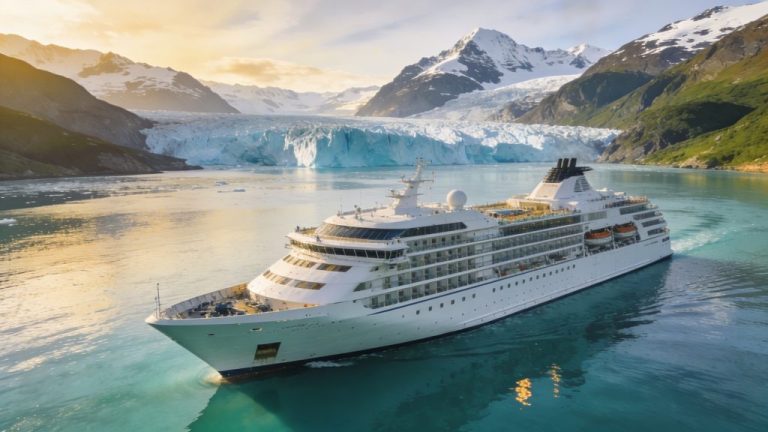
Expedition cruises focus on remote and untouched areas such as polar regions, Greenland or islands in the Pacific Ocean. Ships are small, robust and equipped for landings in places without port infrastructure. You travel with dozens up to about a hundred other passengers, often accompanied by nature guides and researchers. The focus is on nature, wildlife and an adventurous experience with zodiacs (rigid inflatable boats), walks and lectures on board.
The degree of freedom for passengers differs per type of cruise. On large ocean cruises you can easily do your own thing, but the group size can make it busy and anonymous. On river cruises the group is smaller and the organisation tighter, but you are more quickly in authentic surroundings. Expedition cruises offer the most variety and experience, but also demand more flexibility and adaptability.
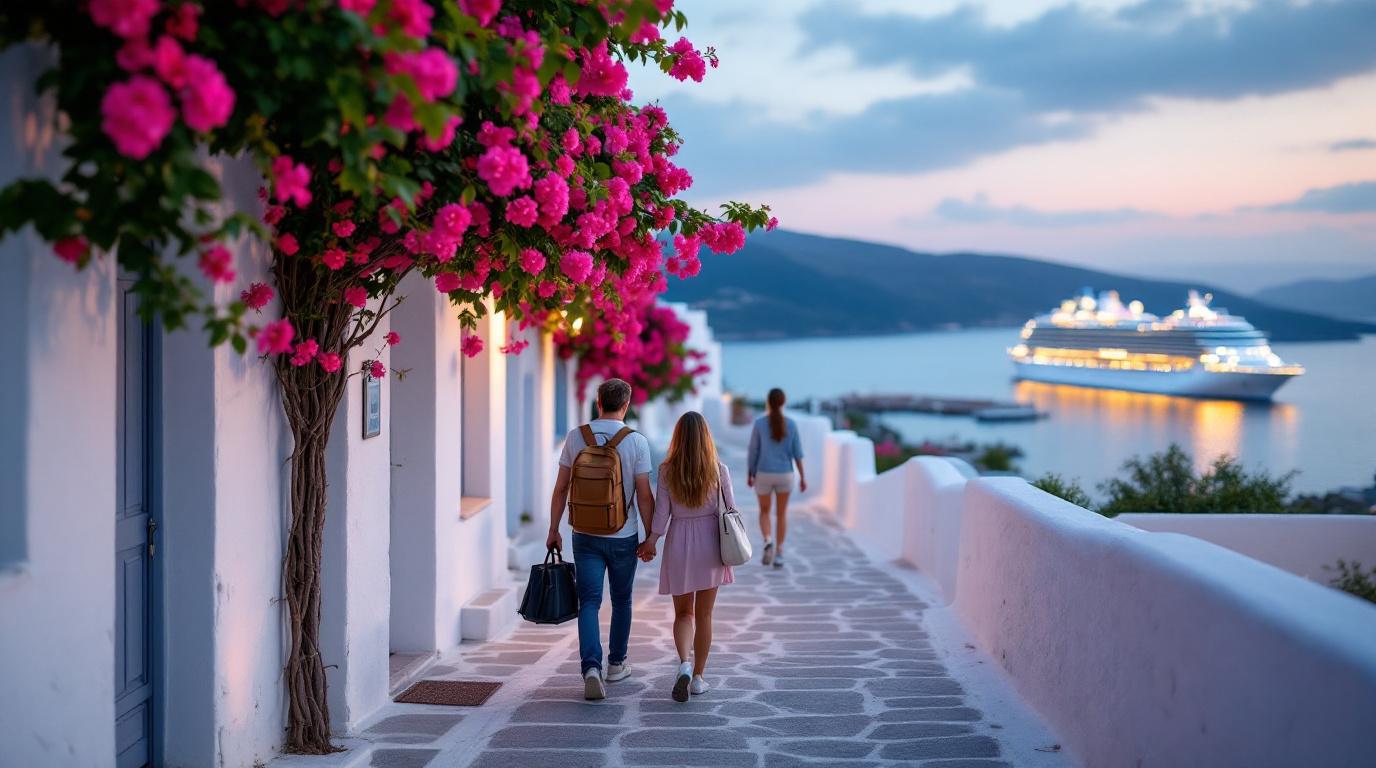
Cruise destinations: which route suits your travel style?
Each cruise region has its own character. The route determines the type of ports and climate. It also influences the activities and atmosphere on board. If you choose consciously, you can find a cruise that matches the way you usually travel.
Northern Europe and Norway
Norway and Northern Europe are popular with travellers who enjoy nature, tranquillity and smaller ports. You sail along fjords, mountain landscapes and coastal towns such as Bergen, Ålesund, Geiranger and Tromsø. Routes often combine Norway with Denmark, Sweden or the Baltic states. The focus is on experiencing nature, hiking, Viking history and having space to be outdoors.
The best period is from April to September. In these months there is long daylight, the nature is green and the fjords are easily navigable. Those who want to see the Northern Lights choose the winter months, but should allow for shorter days and cold.
Ships are often medium-sized, which means you call at smaller ports where large cruise ships do not go. The atmosphere on board is calmer, more focused on the surroundings than on entertainment. This suits those who want to plot their own routes ashore: ports are compact, walking routes accessible and public transport well organised.
Iceland, Scotland and Greenland
These regions offer rugged nature, solitude and less tourist pressure. Routes around Iceland combine volcanoes, waterfalls, geysers and small villages. Scotland adds castles, whisky and Highlands. Greenland goes even further: icebergs, no roads between villages and a way of life you will not see elsewhere.
The ships are usually smaller, sometimes expedition vessels. You travel with fewer people and the focus is on hiking, wildlife and nature. Swimming pools and shows are less important than excursions, zodiac landings and time out on deck. The weather is changeable, so warm and waterproof clothing is required.
This suits those who like to be active, do not enjoy sun and beach and want to see remote places without having to organise all the logistics of a road or train trip through these regions themselves.
Mediterranean and Canary Islands
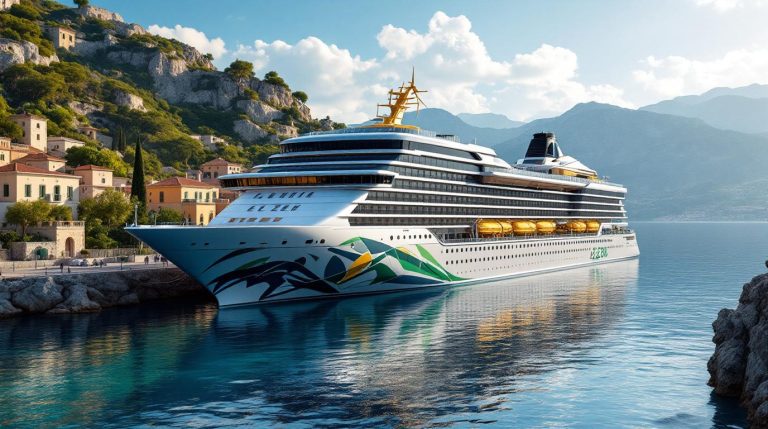
The Mediterranean and Canary Islands can be compared well to a touring holiday by hire car, but without having to drive yourself. You sail between Spain, Italy, Greece, Croatia or the islands. Cities such as Barcelona, Rome, Venice, Dubrovnik and Valletta are accessible from the ports, often by public transport or a short walk.
The climate is pleasant from spring to autumn. In summer it can be busy, both in the ports and on the ship. In winter the Canary Islands are a good alternative: sunny, mild and less crowded.
Ships are varied: from large vessels with many facilities to smaller ones with a quieter atmosphere. You can plan your own city walks, visit museums or take a train to a nearby village. Organised excursions are often unnecessary if you are used to finding your own way.
This type of cruise is well suited to those who want to combine cultural cities, seek the sun and value comfort without moving accommodation every day.
Caribbean and winter sun
The Caribbean focuses on sun, island-hopping and beaches. Routes combine islands such as Bonaire, Barbados, Aruba, Curaçao and Antigua. The emphasis is on swimming, snorkelling and relaxing. Ports are often easy to reach, with compact capitals or beach areas within walking distance.
The best period runs from December to April, outside the hurricane season. Ships are often large, with many facilities and a relaxed atmosphere. For those who like to travel independently it is possible to combine a cruise with a pre- or post-trip. For example, book a few extra days on one island and hire a car there to explore the interior.
This suits travellers who want to escape the cold, have no appetite for complicated logistics and would like to see several islands without much planning.
World cruises and longer routes
World cruises are itineraries of several weeks to months, during which you visit several continents. An example is a Grand World Voyage of more than 130 days with dozens of ports. You sail via Europe, Asia, Australia, South America and back. For most travellers this is a later step, often after gaining experience with shorter cruises.
Long cruises require adjustment: you are bound to the ship, the social life on board and a fixed daily routine for a long period. Many passengers are older and have time. For those who work or have a very flexible lifestyle this fits less well. You can, however, often book parts of such a cruise, for example a segment of a few weeks.
This type of cruise is interesting for those who want to see a lot without planning everything themselves, and who are willing to commit to one form of travel for a longer time.
Read more: Cruise destinations
Expedition cruises: for those who want to go beyond the standard route
Expedition cruises focus on remote areas where there is little or no tourist infrastructure. You sail with small ships to polar regions, islands in the Pacific, Antarctica or Greenland. The aim is to experience nature, wildlife and landscapes that are otherwise hard to reach.
How expedition cruises differ from regular cruises
The ships are smaller and more functional. On average 50 to 150 passengers travel on board. There are fewer facilities, but there is room for zodiacs, drying rooms for your clothing and lecture halls. The atmosphere is informal and focused on learning and discovery. Nature guides, biologists and sometimes researchers accompany excursions and give presentations.
The daily schedule is flexible. If whales are spotted, the programme is adjusted. Landings with zodiacs depend on the weather and conditions. You are expected to participate actively: getting in and out of the inflatable boats, walking across rough terrain, sometimes in cold or wet conditions. Clothing is functional, there are no formal evenings.
Expedition cruises place higher demands on your fitness and adaptability. If you prefer comfort, fixed schedules and luxurious facilities, you are better off choosing another form of cruising.
Destinations and seasons
Popular areas include:
- Spitsbergen and the North Pole: May to September, polar bears, pack ice, Arctic nature
- Antarctica: November to March (southern hemisphere summer), penguins, icebergs, research bases
- Greenland: June to September, ice fjords, Inuit culture, small villages without roads
- Remote islands: Atlantic islands such as South Georgia, the Falklands or the Azores, often as stopovers
The season is short and dictated by the weather. Book well in advance and be prepared for changing conditions. Travelling outside the season is usually not possible.
Practical and budget considerations
Expedition cruises are more expensive than regular cruises. Prices often start at several thousand euros per week, depending on destination, ship and duration. The price usually includes all excursions, lectures, meals and sometimes even expedition jackets or boots. Extra costs are limited to drinks, tips and possibly special activities such as kayaking.
The added value lies in access to areas that you would otherwise only reach with a lot of self-organisation, time and budget. You travel with experts, in a group with the same interests, and with logistics that are already arranged. For those who consciously choose unique nature experiences and are willing to invest, this is a good option.
Read more: Expedition cruises
Sustainable cruises: how to make more conscious choices at sea
Cruising has an impact on the environment. Large ships consume fuel, produce emissions and generate waste. Travellers who are conscious of this want to know how it compares to other forms of travel and what choices are possible.
Cruising’s environmental impact in perspective
An average cruise ship emits more CO2 per passenger per day than a plane over the same distance. This is due to the energy needed to move the ship, keep all facilities on board running and process large amounts of water and waste. At the same time cruises often replace several flights, hotels and car hire, which makes the overall picture more nuanced.
River cruises use less fuel and cover shorter distances, which lowers their impact. Expedition cruises often have smaller ships and stricter environmental rules, especially in protected areas such as Antarctica.
What to look for when choosing a cruise line and ship
Not all ships and cruise lines are the same. You can opt for newer ships that are equipped with more economical engines, LNG (liquefied natural gas) as fuel or hybrid systems. Waste and water treatment systems also differ. Some ships can use shore power in ports so that engines can be switched off and local electricity is used instead.
Labels and certifications help: look for Green Award, Blue Angel or certification by organisations such as Friend of the Sea. Cooperation with local partners and respect for local residents are also indicators of responsible behaviour.
You will often find this information on the cruise lines’ websites, but also in comparison tools or sustainability tests by consumer organisations.
Smarter travel: departure, route and behaviour
Choose to depart from the Netherlands if you can. This avoids flights to a departure port elsewhere in Europe or the world. Amsterdam, Rotterdam and IJmuiden offer enough routes to Northern Europe, the North Sea and sometimes beyond.
Opt for longer cruises with more ports per trip. This lowers the ratio between sea days and time spent at destinations. Avoid short cruises where you mainly sail and spend little time ashore.
Behaviour on board makes a difference:
- Use buffets mindfully and only take what you will eat
- Reuse towels instead of having them replaced daily
- Use refillable water bottles instead of plastic bottles
- Choose your own excursions instead of mass bus tours that burden the local environment
- Buy locally and support small businesses instead of shops on board or in cruise terminals
A cruise will always have an impact, but conscious choices can reduce it.
Read more: Sustainable cruises
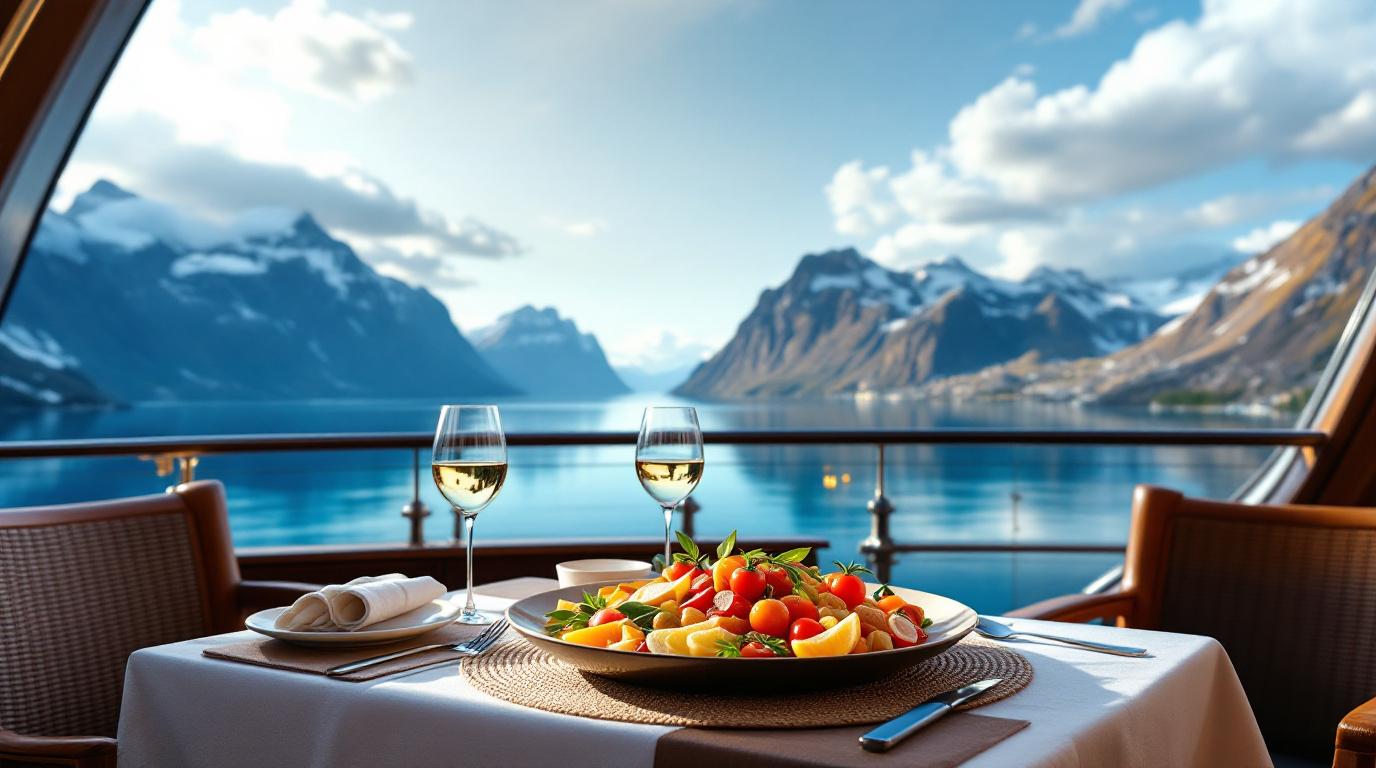
Cabins and accommodation on board: which choice suits you?
Your cabin is your fixed base during the cruise. The type of cabin affects comfort, price and how you experience the trip. There are different categories, each with pros and cons.
Cabin types explained
Inside cabins are located in the middle of the ship, without a window or porthole. They are often smaller and cheaper, but rely entirely on artificial light. For those who spend little time in the cabin and mainly sleep there, this is sufficient.
Outside cabins have a window or porthole, giving you daylight and a view outside. The window often does not open. This gives a greater sense of space and connection with the surroundings, without the extra cost of a balcony.
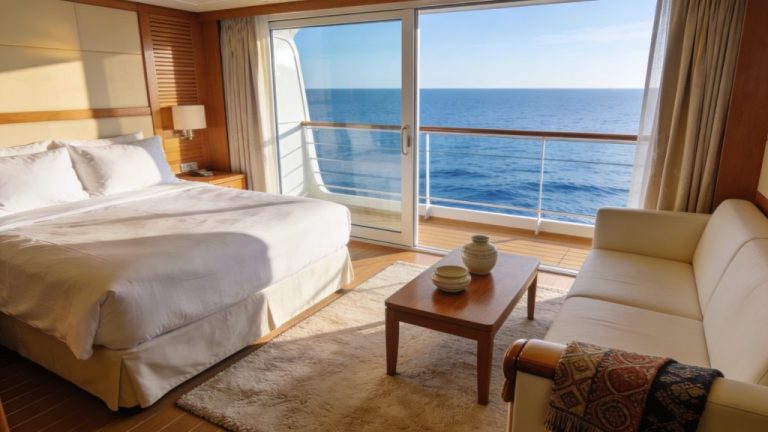
Balcony cabins have their own balcony or French balcony (large window that can be opened, without seating space). This offers privacy, fresh air and the option to sit outside. It is more expensive, but a good choice if you like being outside and value peace and quiet.
Suites are larger, with separate living and sleeping areas, sometimes with extra services such as priority boarding or access to exclusive restaurants. This is mainly interesting for longer cruises or if you simply want more space.
Family cabins are designed for families, with bunk beds or extra sleeping space. They are often located near child-friendly decks and offer more privacy than two separate cabins.
Choosing smart for your travel style
For travellers used to being on the move a lot and using the cabin mainly as a place to sleep, an inside cabin is sufficient. You save budget and will still spend most of the day outside or on deck.
If you want to work while travelling or value daylight, choose an outside or balcony cabin. A desk, good wifi and quiet surroundings then become more important than just the view.
Travelling with children requires space and proximity to child facilities. Choose a cabin on a deck with a kids’ club or play area, and make sure the cabin has enough sleeping places. A balcony offers extra space if children need to stay inside for a while.
Location on the ship and seasickness
The location of the cabin affects movement, noise and peace. Midships and on lower decks the ship is most stable. The higher and further forward or aft you are, the more movement you feel. This is important if you are prone to seasickness.
Noise can come from theatres, restaurants, bars and machinery. Avoid cabins directly below or above busy areas. Cabins near lifts or staircases can also suffer from noise in the corridors.
To prevent seasickness, choose stable cabin locations, get plenty of fresh air, eat light meals and, if necessary, use medication such as travel sickness tablets or wristbands. If in doubt, choose a cabin with a window or balcony so you can quickly get some fresh air.
Read more: Cabins & accommodation on board
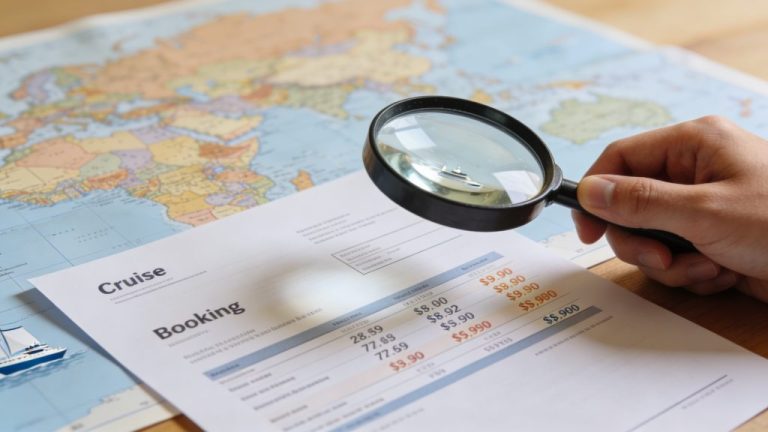
Cruise prices and hidden costs: how to set a realistic budget
Cruise prices can look attractive, but the final costs can increase considerably because of extras that are not included in the base price. Travellers who are used to planning everything themselves want to know exactly where their money goes.
What is normally included in the price?
The base price usually includes:
- Accommodation in the chosen cabin for the entire duration
- Full board: breakfast, lunch and dinner in the main restaurants
- Coffee, tea and tap water
- Entertainment such as shows, films and live music
- Use of swimming pools, saunas, sports facilities and lounge areas
Some cruise lines include more, such as soft drinks, beer and wine with meals, or access to speciality restaurants. This varies greatly by cruise line and type of cruise. Read the terms carefully or ask what exactly is included.
Common extra and hidden costs
Costs that often come on top of the base price:
- Drinks: soft drinks, beer, wine and cocktails outside of mealtimes
- Tips or service charges: often automatically added to your bill, around 10 to 15 euros per person per day
- Speciality restaurants: paid restaurants with specific cuisines such as sushi, steakhouse or Italian
- Excursions: organised trips ashore, often between 30 and 150 euros per person
- Spa, massage and wellness: extra payments for treatments
- Laundry or dry cleaning: having your clothes washed costs extra
- Internet: wifi is usually not included and is sold per package or per day
- Port charges: sometimes billed separately, not always included in the advertised price
- Transfers to and from the port: shuttle buses, taxis or parking at the terminal
- Drinks packages: unlimited drinks for a fixed price per day, only worthwhile if you make heavy use of them
Budget tips for careful planners
Draw up a realistic total budget in advance. Add the base price, port charges, tips, internet and an average of two drinks per day. Also factor in any excursions or special meals.
Drinks packages are only worthwhile if you have more than four or five drinks a day. Work out what you would normally drink and compare it with the package price.
Arrange excursions yourself. In many ports you can use public transport or book local bike hire for a fraction of the price of an organised tour. You have more freedom and support local businesses.
Book early. Early booking discounts can add up to hundreds of euros, especially for cruises outside the high season. Last-minute deals can also be good value, but offer less choice.
Many cruise lines offer children’s discounts: children up to a certain age cruise for free or at a reduced rate, provided they share the cabin with two adults.
Read more: Cruise prices and hidden costs
Your first cruise: step-by-step from idea to departure
If you have never chosen a cruise holiday before, a first cruise requires some preparation. We help you choose.
How do you choose a cruise line and ship?
Cruise lines differ in atmosphere, target group and service. Holland America Line is known for elegant ships, Dutch-speaking staff and a slightly more formal feel. MSC Cruises is more modern, aimed at families and younger travellers. Costa Cruises is budget-friendly, with children sailing free and an Italian touch. AIDA is informal, sporty and often offers all-inclusive options.
Ship size determines how many facilities there are and how busy it feels. Large ships offer lots of entertainment, but are busier and more anonymous. Smaller ships are calmer, more personal and can call at smaller ports, but have less choice of restaurants or shows.
The language on board can be important. Some cruises offer Dutch-speaking hosts, others are English- or German-speaking. Check this in advance, especially if you are travelling with children or older people.
The ideal first route
Start with a shorter cruise of seven to ten days. This gives you enough time to get to know the ship, get used to the rhythm and discover whether cruising suits you. Long cruises of several weeks are a big investment in time and money, and less suitable for a trial run.
Choose departure from the Netherlands. Amsterdam, Rotterdam or IJmuiden offer routes to Norway, the North Sea and sometimes the Baltic states. This saves flight costs and time, and you can drive to the port in your own car if you wish.
Popular starter routes include the Norwegian fjords in summer, the Canary Islands in winter, or a loop around Northern Europe via Denmark and Sweden. These routes combine nature, culture and accessible ports.
Check-in, life on board and daily routine
Check-in works much like at an airport. You hand over your luggage, go through security and receive your boarding pass and cabin key. Your luggage will be delivered to your cabin later. Check-in usually starts a few hours before departure.
Immediately after boarding there is a mandatory safety briefing. All passengers must attend and learn where life jackets are stored and how evacuation works.
The daily routine has set times for meals, activities and shows. Breakfast, lunch and dinner are at fixed times, sometimes with two sittings to spread the crowds. You can usually choose freely when you eat, unless you have booked a fixed table. Shows, activities and excursions are listed in a daily programme that is delivered to your cabin each evening or can be found in an app.
In ports you can go ashore independently or book an organised excursion. Going on your own is cheaper and more flexible, but do ask on board for the departure time. If you return too late, the ship will leave without you.
Dress codes vary. During the day informal clothing is normal. Some evenings are formal or semi-formal, with a request for smart clothing such as trousers and a shirt or a dress. This is indicated in the programme.
Packing and preparation
Pack for all weather conditions:
- Layers of clothing for changeable weather
- Rain jacket or windbreaker for out on deck
- Comfortable walking shoes for excursions
- Smart clothing for formal evenings
- Swimwear and flip-flops for pool and sauna
- Medication and, if needed, seasickness tablets
- Travel documents: passport, booking confirmation, insurance papers
If you add pre- or post-trips, take account of extra luggage and storage on board. Some ships offer luggage storage, others do not. Check this beforehand.
Make sure you have travel insurance that covers cruises. Standard policies do not always cover cruise travel or medical costs at sea.
Read more: Your first cruise
Internet on your cruise
Internet at sea is different from at home. The connection is slower, less stable and often more expensive. If you want to work, navigate or stay in touch while travelling, you should make a plan in advance.
How internet at sea works
Ships use satellite connections to offer internet access. This is slower and less reliable than fixed connections on land. Downloads and video streaming are often slow or blocked. Email, messaging apps and browsing usually work, but can suffer delays.
Near the coast or in ports the ship can switch to mobile networks, which are faster. This does not always happen automatically.
Packages and prices on board
Internet packages vary by cruise line. Typical options are:
- Social media package: access to WhatsApp, Facebook, Instagram. Cheapest option, but no general browsing or email
- Email and browsing package: suitable for light tasks, browsing and email. No streaming
- Premium or full package: fastest connection, suitable for video calls and streaming. Most expensive option
Prices range from a few euros per day for social media to several tens of euros per day for premium. Sometimes packages per trip are cheaper than per day. Book online in advance, this is often cheaper than on board.
Pay attention to fair use policies. Unlimited internet does not always mean truly unlimited. With high usage your speed may be reduced.
Smart strategies to keep costs down
Download offline maps and travel guides beforehand. Apps such as Google Maps and Maps.me offer offline navigation. This allows you to get around on land without internet.
Use wifi in ports. Many cities offer free wifi in cafés, libraries or squares. This is often faster and free.
Turn off data roaming on your phone. If your phone automatically connects to a mobile network at sea, high roaming charges can apply. Switch off data roaming in your settings and only connect via onboard wifi.
Set data limits. Some phones warn you or block data automatically when you use too much. This helps prevent unintended costs.
Use local SIM cards when you are spending longer in a port or taking a pre- or post-trip. This is cheaper than roaming or ship’s internet.
Read more: Internet on your cruise
Combining a cruise with a car, train or road trip
A cruise does not have to be your whole holiday. You can integrate a cruise into a self-organised trip, with your own transport before and after the cruise.
No-fly options and departures close to home
Departing from the Netherlands saves flight costs, time and CO2 emissions. Amsterdam has the Passenger Terminal Amsterdam, Rotterdam the cruise terminal at the Wilhelminapier, and IJmuiden also offers cruise departures. All three are easily accessible by train and car.
Travelling to the port by train works well. Amsterdam Central is within walking distance of the terminal. Rotterdam Central is connected by tram or metro. IJmuiden can be reached by bus from Haarlem.
Parking at the terminal is possible, but expensive. Allow 10 to 20 euros per day. Some terminals offer parking packages with shuttle services. Alternatives include parking at park-and-ride sites outside the city and taking public transport to the terminal, or travelling with someone who can drop you off and pick you up.
Staying overnight near the terminal before or after the cruise gives peace of mind and avoids stress with early or late arrival times. Hotels in and around Amsterdam and Rotterdam often offer cruise packages including parking and transfers.
Organising pre- and post-trips smartly
Combine a cruise with a city break. For example, book two days in the city from which you depart or to which you return. This way you see more of the region without the cruise dictating your entire schedule.
Link a train journey to your cruise. For instance, travel through Norway by train for a few days before boarding a Norwegian fjords cruise. Or explore Italy by train around a Mediterranean cruise. This adds depth and makes the trip more varied.
Plan a road trip. Hire a car after the cruise and explore the area further. This works well in Norway, Iceland or on islands in the Caribbean. In this way you combine the convenience of the cruise with the freedom of your own route.
When does cruising suit your way of travelling?
Cruising is a good fit if you:
- want to see multiple destinations without constantly changing accommodation
- value structure and convenience, but want freedom when ashore
- want to explore regions where travelling independently is complicated
- are curious about a different way of travelling than you are used to
- are willing to adapt to fixed times and a group environment
Cruising is less suitable if you:
- want total control over how you plan your day
- want to dive deeper into a single place with more time
- have no desire for facilities, entertainment or a group atmosphere
- place great weight on environmental impact and prefer alternative options
The choice is personal. Try a short cruise from the Netherlands to find out whether it suits you. If you enjoy it, you can build on that. If not, you will at least have explored a region and know for sure that independent travel suits you better.
—
You can combine cruising with careful planning very well. Think carefully in advance about the type of cruise, destination, ship and budget. Choose consciously which route suits you and which facilities you really need. This way you arrange a trip that matches your way of travelling. At Traveler Tips you will find practical tools, routes and tips that help you prepare your cruise smartly and combine it with your own travel plans. That way you travel comfortably, consciously and with more depth of experience.