
 NL
NL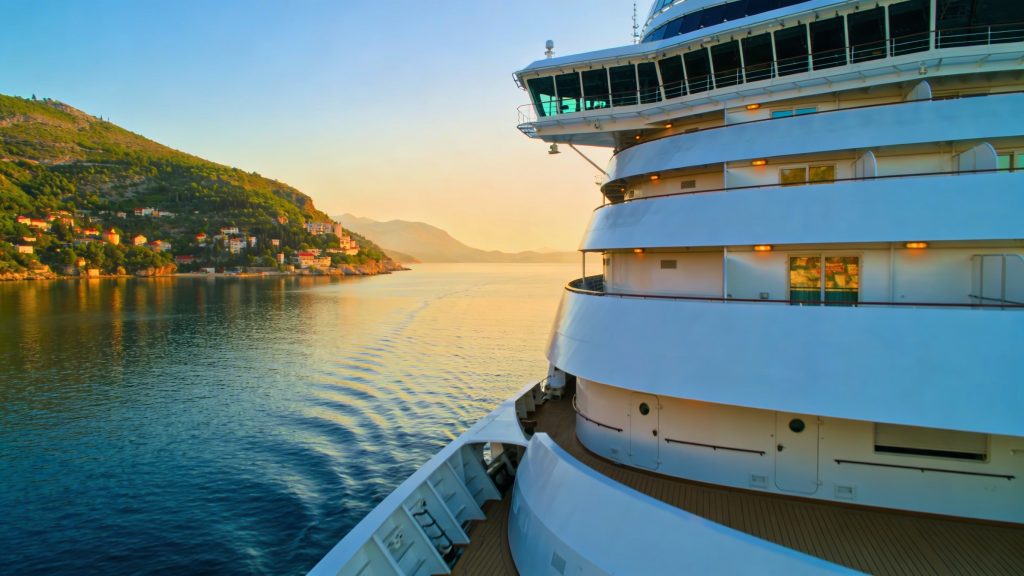
Cruise destinations: discovering the world from the water
Cruise destinations offer the smartest way to visit multiple countries and cultures without the logistical hassle of different hotels, flights and transport. With a single ticket you visit various ports, enjoy comfort on board and plan exactly what you want to see and experience in advance. From sunny Caribbean islands to spectacular Norwegian fjords: the choice is wider than ever.
For travellers who consciously put together their holiday, a cruise is an efficient way to travel. You unpack once, have a new destination every day and keep full control over your schedule. In this article you will read which cruise destinations are most popular, what makes each area unique and how to choose the ideal route for your preferences.
Why choose a cruise destination?
A cruise destination combines several advantages that traditional holidays do not offer. You visit different cities or countries without repeatedly checking in or moving your luggage. This makes cruising suitable for people who want to travel efficiently and see a lot.
Comfort plays a major role: you have a hotel room that travels with you. In addition, you plan in advance which excursions you book and how much time you spend in each port. This gives you control over your budget and your schedule. Another advantage is the diversity: within a single trip you alternate beach destinations with historic cities or natural areas. For families, couples or solo travellers this offers variety that requires more effort with other types of travel.
‘ The travel season determines which areas offer the best weather. ’
Choosing the ideal cruise destination: what should you pay attention to?
The choice of a cruise destination depends on various factors. The travel season determines which areas offer the best weather. For the Mediterranean you ideally plan between May and October, while Alaska is best visited from May to September. The Caribbean is comfortable from December to April, outside the hurricane season.
Your budget also plays a role: shorter cruises of four to seven days are more affordable than longer trips of two to three weeks. The region influences costs as well. Caribbean routes often depart from Florida, which means lower travel costs to the departure port for European travellers flying via a stopover. Northern Europe is usually more expensive due to longer travel distances.
Think about the type of experience you are looking for. Do you mainly want to relax on beaches? Then choose tropical destinations such as the Caribbean. Do you love history and culture? The Mediterranean or Asia offer harbour cities rich in heritage. For nature lovers, Alaska, Norway or Antarctica are more suitable.
The Mediterranean: sun, culture and history
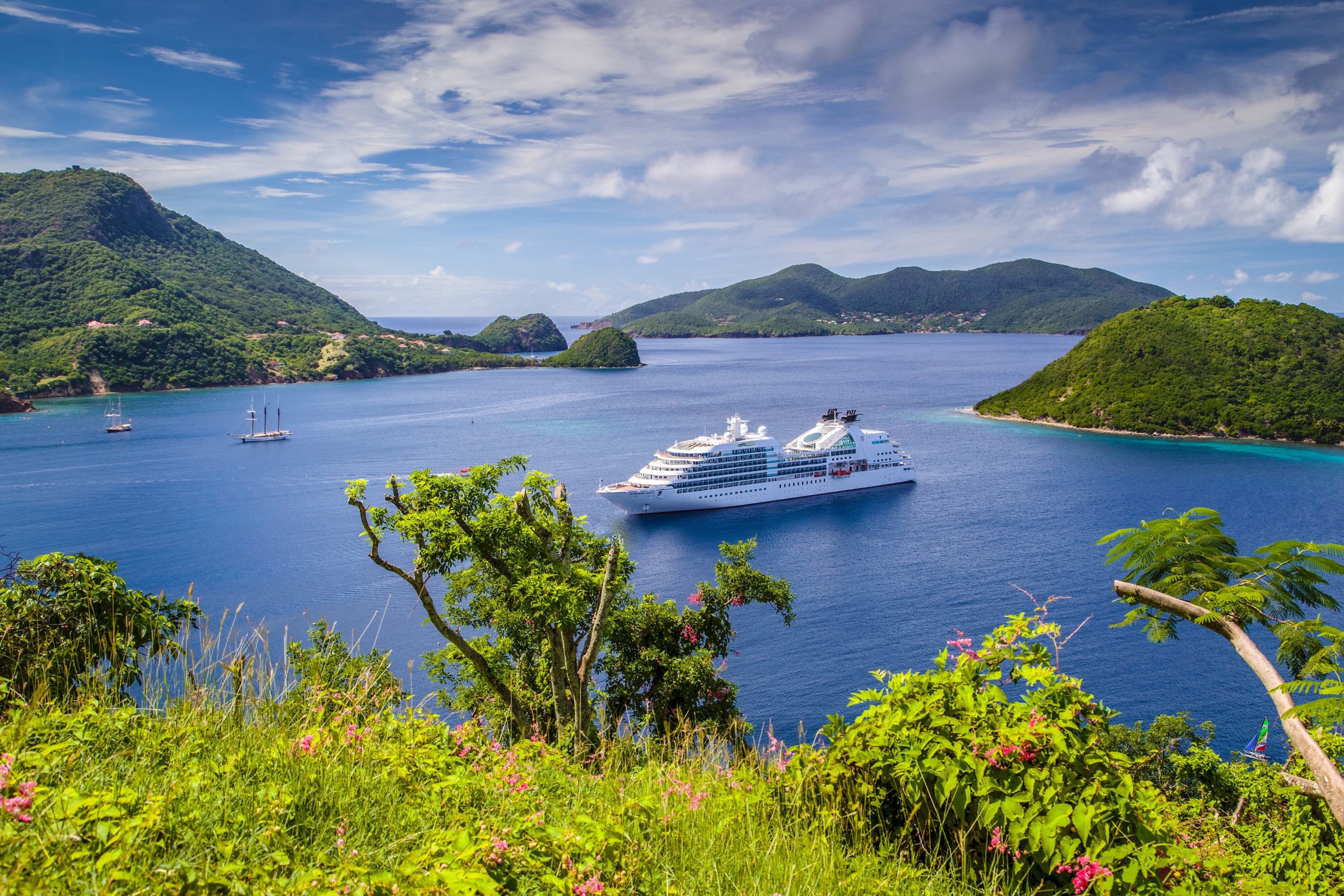
The Mediterranean is one of the most popular cruise regions. Routes in this area are often split into Western Mediterranean and Eastern Mediterranean. A western route includes ports such as Barcelona, Marseille, Rome and Florence via Livorno. Eastern routes stop at Greek islands such as Mykonos, Santorini and Rhodes, plus Turkish coastal towns such as Kusadasi.
The travel season runs from May to October, with July and August as the busiest and hottest months. A typical cruise lasts seven to ten days. Many travellers combine the cruise with a stay in the departure or arrival city. The advantage of this area is the variety: you visit ancient temples, taste local cuisines and swim in clear bays, all within one trip.
Expect on average 25 to 30 degrees in the summer months and pleasant weather in May, June and September. Ports are often close to historic centres, which makes excursions straightforward. For those who like to plan ahead: popular UNESCO sites such as Pompeii and the Acropolis require early bookings to avoid crowds.
Northern Europe and Norwegian fjords: spectacular nature and historic cities
Northern Europe attracts travellers looking for impressive landscapes and Scandinavian culture. Routes through Norway visit fjords such as the Geirangerfjord and the Sognefjord, with steep cliffs and waterfalls. Other stops include Bergen, Stavanger and Alesund, cities with colourful wooden houses and a rich maritime history.
Cruises through the Baltic States combine natural beauty with cities such as Tallinn, Riga, Stockholm and Saint Petersburg. These routes usually last ten to fourteen days and often depart from Amsterdam, Copenhagen or Hamburg. The best time to travel is from May to September, with the longest days in June and July. In these months you experience the midnight sun in northern areas.
The climate is very different from Mediterranean destinations: expect temperatures between 15 and 22 degrees. Pack layers of clothing and rainwear, especially for fjord areas where the weather changes quickly. Many ports offer excursions to natural highlights such as the Preikestolen (Pulpit Rock) or wildlife spotting. Smaller ships can sometimes access narrower fjords that larger ships cannot reach.
‘ The best period is December to April, outside the hurricane season which runs from June to November. ’
The Caribbean: paradise beaches and tropical islands
The Caribbean is a classic cruise destination with white sand, palm trees and clear turquoise water. Routes are often divided into Eastern, Western and Southern Caribbean. Eastern routes stop at islands such as Barbados, Sint Maarten, Antigua and the Virgin Islands. Western routes visit Jamaica, Grand Cayman, Cozumel and Belize. Southern cruises go to Aruba, Curaçao and Bonaire.
Most cruises depart from Miami, Port Canaveral or Fort Lauderdale. Shorter trips of four to five days focus on the Bahamas, while longer cruises of seven to fourteen days combine several islands. The best period is December to April, outside the hurricane season which runs from June to November.
Expect temperatures around 27 to 30 degrees and little rain in the dry season. Many cruise lines have private islands where you can snorkel or relax undisturbed. For divers and snorkellers, the Caribbean offers rich coral reefs. Plan excursions in advance if you want to do specific activities such as zip-lining or visiting nature reserves. Take cash for local markets and small ports where cash machines are scarce.
Alaska: wild nature and gigantic glaciers
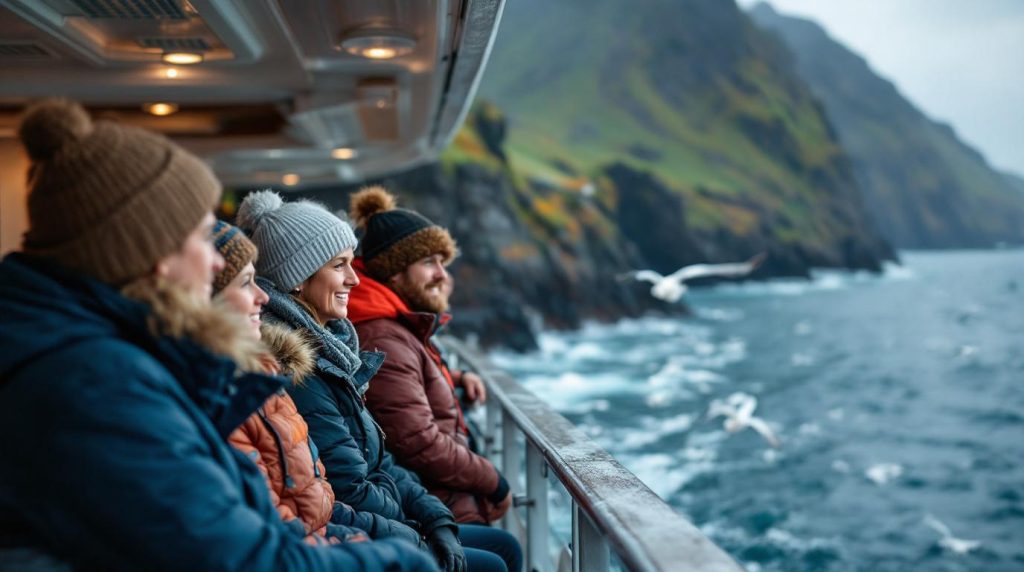
Alaska is known for its rugged nature, glaciers and wildlife. Cruises usually depart from Seattle or Vancouver and sail through the Inside Passage, a sheltered sailing route along islands and fjords. Key stops are Juneau, Ketchikan, Skagway and Sitka. Many routes add a day where the ship slowly sails past glaciers such as the Hubbard Glacier.
The cruise season runs from May to September, with June, July and August as the peak months. During these months temperatures are highest, usually between 12 and 18 degrees. Prepare for changeable weather and pack warm, waterproof clothing. Layers are essential: it can be cold on deck, while you warm up through movement during walks ashore.
Wildlife spotting is a major attraction. From the deck you regularly see whales, sea otters, sea lions and bears. Some cruise lines offer zodiac boat trips to get closer to wildlife and glaciers. Choose smaller ships if you are looking for more intense nature experiences. Larger ships offer more facilities but get less close to remote areas. For travellers who are prone to seasickness: the Inside Passage is relatively sheltered, but take medication for rougher sections.
Asia: exotic culture and vibrant metropolises
Asian cruises offer a mix of culture, beaches and modern cities. Popular routes start in Singapore and visit Thailand, Vietnam, Hong Kong and Japan. Other cruises focus specifically on Japan during the cherry blossom season in March and April, with stops in Tokyo, Osaka and Hiroshima.
The best time to travel varies by region. For Southeast Asia you should plan between October and April to avoid the monsoon season. Japan is pleasant in spring and autumn. Cruises often last ten to fifteen days and combine historic temples with lively night markets and tropical islands such as Phuket or Boracay.
Expect diverse climates: tropical heat in Thailand and Vietnam, temperate conditions in Japan. Many ports are close to city centres, but major cities such as Bangkok require longer travel times from the port. Book excursions in advance for efficiency, especially for popular sites such as Angkor Wat (reachable from Cambodian ports on itineraries with longer port calls). For travellers interested in local culture: markets and street food offer authentic experiences that you can easily organise yourself with local SIM cards for navigation.
‘ This type of cruise is more adventurous than ocean cruises and requires adjusting to basic comfort levels. ’
South America: adventure, diversity and unspoilt nature
South America combines vibrant cities with unique ecosystems. Cruises along the west coast visit Chilean fjords, Patagonian glaciers and ports such as Valparaíso and Lima. East coast itineraries stop in Brazilian cities such as Rio de Janeiro and Buenos Aires. Specialised cruises sail to the Galápagos Islands, known for their unique animal species that you will not find anywhere else.
Another option is Amazon river cruises. These small-scale expeditions depart from Manaus or Iquitos and usually last seven to ten days. They offer in-depth nature experiences with guides who explain the flora and fauna. This type of cruise is more adventurous than ocean cruises and requires adjusting to basic comfort levels.
The best travel period depends on the route. For Patagonia and Chile, November to March is ideal, during the South American summer season. The Galápagos can be visited year-round, but expect cooler weather from June to November. It is better to plan Amazon cruises in the dry season from June to November to avoid intense rainfall. Prepare for diverse climates: cold wind in Patagonia, humid heat in the Amazon and temperate conditions in coastal cities.
Australia and New Zealand: lands of contrasts and unique wildlife
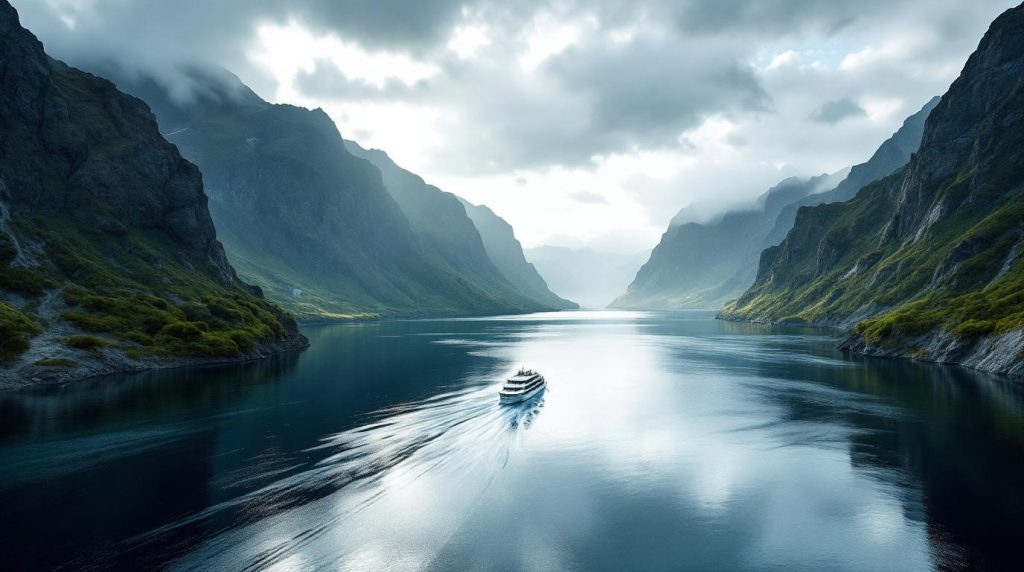
Cruises around Australia and New Zealand attract nature lovers and fans of spectacular coastlines. Australian routes stop in Sydney, Melbourne, Cairns and the Whitsunday Islands. Excursions provide access to the Great Barrier Reef, rainforests and red rock formations. New Zealand cruises visit Auckland, Wellington, Christchurch and Milford Sound, a fjord with waterfalls and mountains.
Most cruises last two to three weeks and take place during the Southern Hemisphere summer from November to March. Some routes combine both countries, crossing the Tasman Sea. This stretch can be rough: take medication if you are sensitive to motion.
Expect temperatures between 20 and 30 degrees, depending on the region. Northern parts of Australia are more tropical, while southern areas and New Zealand are more temperate. Wildlife spotting is a highlight: kangaroos, koalas, penguins and dolphins are regularly seen. For active travellers, ports offer opportunities to hike, dive or kayak. Plan excursions in advance for popular activities such as helicopter flights over Milford Sound.
Practical tips for planning your cruise
Start by deciding on your travel period and destination. Check the climate and avoid extreme seasons such as hurricanes in the Caribbean or excessive heat in the Mediterranean. Book early for lower prices and more cabin options. Inside cabins are more affordable. They have no natural light. Balcony cabins offer more space but cost extra.
Download port maps and apps in advance to navigate independently. Travel insurance with cancellation cover is sensible, especially for early bookings. Check whether you need a visa for specific ports. Some countries, such as Russia, require a visa unless you book a cruise line excursion.
Allow for extra costs for excursions, usually between 50 and 150 euros per activity. All-inclusive drinks packages can be better value on longer trips. Take enough cash for ports without cash machines. Pack versatile clothing: layers for changeable weather, comfortable shoes for walking and formal clothes if your ship has gala dinner rules.
For families, cruise lines with children’s programmes are suitable. For couples seeking peace and quiet, adults-only ships offer more privacy and calm. Smaller ships reach remote ports and offer more personal service, but fewer facilities. Larger ships provide entertainment, swimming pools and varied restaurants, but feel busier.
‘ The world is ready to be discovered from the water. ’
Your perfect cruise adventure awaits
Cruise destinations offer a suitable option for every traveller. Whether you want to explore Mediterranean culture, spot Alaskan wildlife or discover tropical beaches: the combination of comfort, planning and diversity makes cruising an efficient way to travel. Decide what matters most to you, choose the destination that matches it and plan ahead. With the right preparation you get more out of every port and experience exactly the trip you have in mind. The world is ready to be discovered from the water.