NL
NL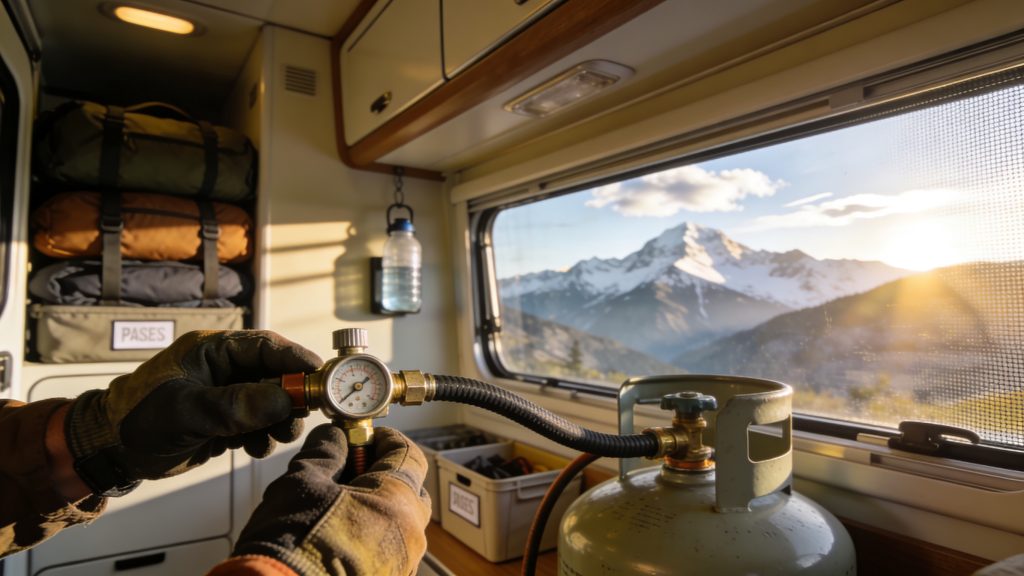
A safe gas installation is the foundation for a carefree motorhome holiday, but many travellers underestimate the importance of a thorough check before departure. Always inspect hoses, couplings and closures for cracks, and systematically test connections for leaks using soapy water. A small investment of time prevents fire risk, carbon monoxide poisoning and annoying problems on the road.
Why a gas installation check is indispensable
Gas is used daily in many motorhomes for cooking, heating and hot water. A small error in the installation can immediately lead to fire risk or carbon monoxide poisoning. The limited space in a motorhome means that pipes, couplings and gas bottles are often located close to living and storage areas. This makes a visual inspection especially important. A proper motorhome check and maintenance always includes an inspection of the gas installation.
As the owner, you are personally responsible for the safety of the installation. Official sources advise having gas equipment checked at least once a year by a certified installer. Combine this professional inspection with your own check before every trip. This keeps risks to a minimum and allows you to travel with peace of mind.
‘ Never look for a leak with a flame. ’
What do you check in a safety check?
A full safety check of your gas installation consists of several elements. Always start with a visual inspection before moving on to testing. Take your time for each step and do not skip anything.
Visual inspection of pipes and hoses
Check all visible pipes and hoses for cracks, kinks, ageing and damage. Pay particular attention to places where hoses make sharp bends or run along sharp edges. Aged hoses become hard and brittle, making them more likely to tear. Replace hoses preventively if they are more than five years old, even if there is no visible damage.
Make sure all pipes remain easily accessible for inspection. Pipes that disappear behind fixed cupboards or panels are difficult to check. If you are in any doubt about the condition of a hose, replace it before departure.
Checking couplings and connections
Check that all couplings are secure and do not turn loosely. A coupling that gradually works loose while driving can cause a leak on the road. Tighten couplings by hand, but do not force them. Too much force can damage the seal.
Also look for corrosion or dirt on the couplings that could affect the seal. Clean dirty couplings before tightening them again. Replace damaged or corroded components immediately.
Carrying out a leak test with soapy water
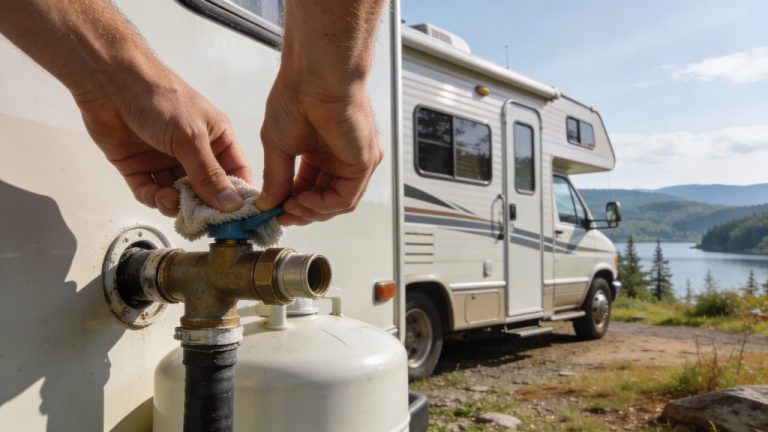
Never look for a leak with a flame. Always use a soapy solution or special leak detection spray. Make a simple soapy solution by mixing some washing-up liquid with water. Apply this solution to all couplings, connections and taps while the gas supply is open.
Watch for bubbles forming. Bubbles indicate a gas leak. Even small clusters of bubbles are a reason to check the connection, retighten the coupling or replace parts. Test each connection systematically and note which points you have checked.
Checking ventilation
Gas appliances need sufficient ventilation to operate safely. Check that all ventilation grilles, ducts and exhaust openings are free of obstructions. Dust, cobwebs or stored items can block vents without you immediately noticing.
Also check that gas lockers and bottle compartments close properly and that any drain for leaks to the outside is clear. These compartments are specifically designed to safely vent any leaking gas. A blocked drain can be dangerous.
Securing gas bottles
Gas bottles must be secured firmly and safely to prevent them from sliding or tipping over while driving. Check that the securing straps are intact and hold the bottle properly. Even a bottle you think is “empty” can still contain residual gas and is therefore not gas-free.
Check the rubber ring in the pressure regulator. This ring ensures a good seal between bottle and regulator. Replace the ring if it is damaged, hard or deformed. A new ring costs little but prevents many problems.
When do you need professional help?
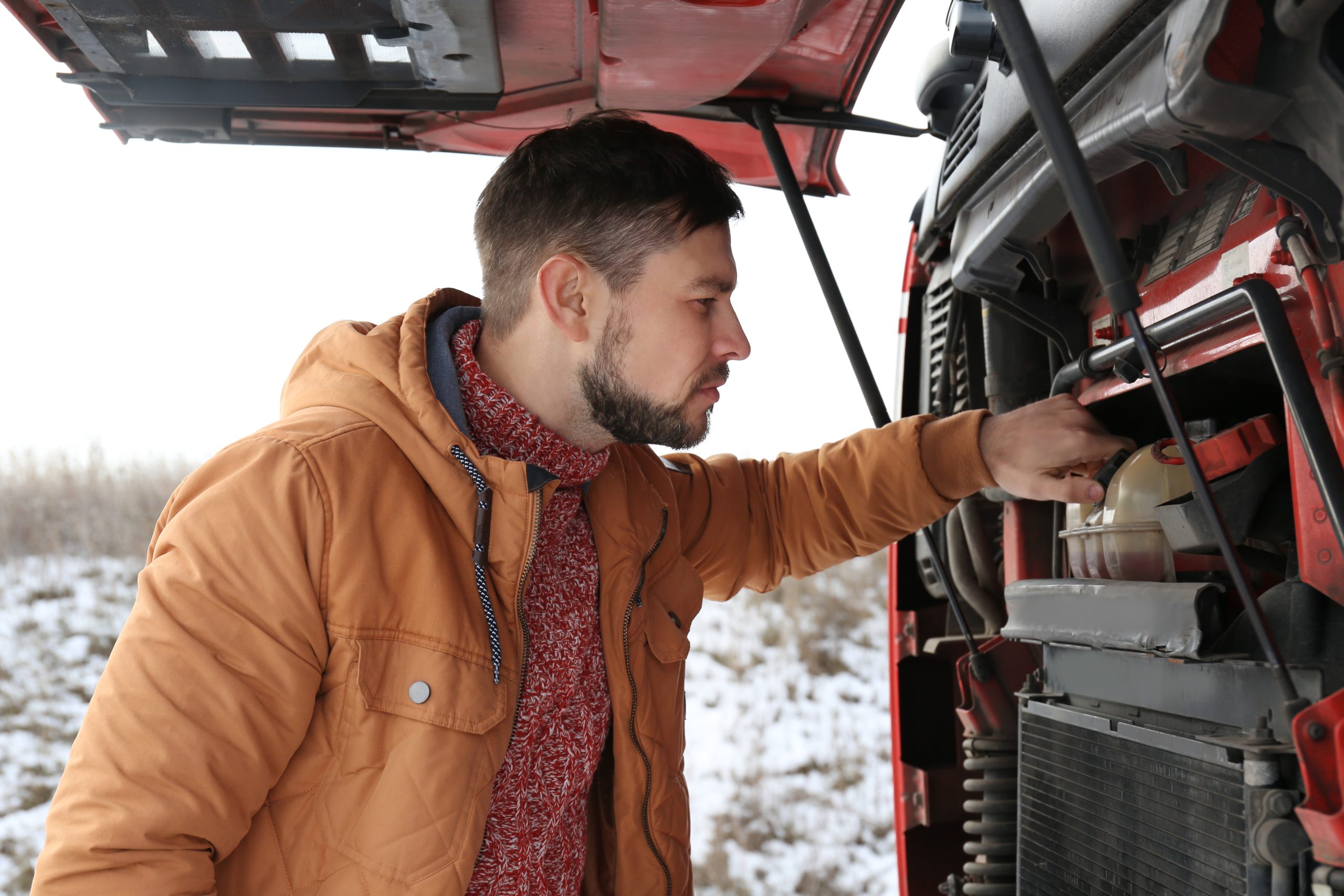
Your own visual check is valuable, but it does not replace a professional inspection. Have the entire gas installation checked at least once a year by a certified installer. This specialist does not only look for visible damage, but also tests the pressure, the operation of safety devices and the condition of equipment you cannot assess yourself.
Take small warning signs seriously. Do you smell gas, even if you cannot find a leak with soapy water? Then immediately shut off the gas supply and have the installation checked professionally. The same applies to unexplained poorly functioning equipment, such as a hob that does not burn properly or a heater that keeps going out.
Practical pre-departure checklist
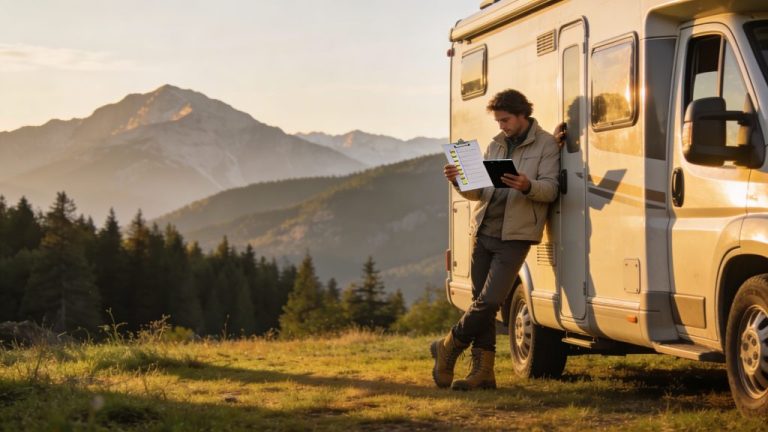
Use this checklist every time you prepare for a motorhome trip. Tick off each item before you set off:
- Hoses checked for age, cracks and damage
- Couplings checked for secure fastening
- All connections tested for leaks with soapy water
- Ventilation grilles and exhaust openings checked for blockages
- Gas bottles firmly secured and rubber ring in pressure regulator checked
- Pipes protected against mechanical damage
- Date of last professional inspection checked
Keep spare parts such as rubber rings, hose clamps and a short spare hose in your motorhome. This way you can solve small problems yourself on the road without interrupting your trip.
What should you do if you have a gas leak on the road?
Do you smell gas during your road trip? Then follow these steps immediately:
- Shut off the gas supply at the bottle immediately
- Open windows and doors to ventilate the space
- Do not use electrical switches, light sources or open flames
- Once the space is well ventilated, use soapy water to check where the leak is
- Only repair the leak if you are absolutely sure what you are doing, or call in professional help
Do not continue driving with an active gas leak. Find a safe place to stop and solve the problem before continuing your journey. Many campsites and motorhome stopovers can refer you to local installers if you cannot fix the problem yourself.

Prevent problems with regular maintenance
Regular maintenance reduces the risk of hidden wear and leaks that are difficult to detect on the road. Ideally, schedule your annual professional inspection at the start of the season, so you can travel all summer without worries. Keep a logbook with inspection dates and repairs carried out. This helps you keep track of when parts were last replaced.
Only use types of gas that are suitable for recreational use. Some systems are not designed for certain gas types. Not sure? Then consult your motorhome manual or ask a specialist for advice.
Discover more on Traveller Tips
A safe gas installation is only one part of a well-prepared motorhome trip. On the Traveller Tips website you will find extensive information about motorhome maintenance, travel preparation, routes and practical tips for on the road. Discover how to winterise your motorhome, which documents you need for travelling through Europe and which routes are the most worthwhile. Explore the website and plan your next trip with reliable, practical knowledge.
Frequently asked questions
A gas installation safety check is essential because, in a motorhome or caravan, you often cook and heat in a small, enclosed space, meaning that any leak can quickly result in a fire or carbon monoxide hazard. By having pipes, couplings, hoses and ventilation checked in advance, you reduce the risk of malfunctions or dangerous situations on the road. In addition, wear and hidden defects are detected in time, so you do not end up stranded at the roadside with an unexpected problem. This way, you set off on your road trip with a safe system and greater peace of mind.
Check that all gas hoses and pipes are visibly intact (not kinked, cracked or aged) and that all couplings are properly tightened. Test the couplings and connections for leaks with soapy water or leak detection spray and watch for bubbles, and smell whether you notice gas anywhere. Check that all ventilation openings and grilles around gas appliances are clear and not covered. Finally, check that the gas bottles are upright and securely fastened and that the gas locker or compartment can be properly closed.
Ideally, have your gas installation professionally checked at least once a year by a qualified installer. In addition, it is sensible to carry out a brief visual check yourself of hoses, couplings, bottles and ventilation openings before every (long) trip. The best time for a thorough inspection is just before the start of the camping season or a major trip, so that you do not run into problems while you are away.
Prevent gas leaks by having your gas installation regularly checked (preferably annually) by a qualified professional and by visually inspecting hoses, couplings, gas bottles and ventilation grilles yourself before every trip for wear, damage and blockages. Only use suitable gas bottles, secure them firmly and check connections with soapy water or leak detection spray, never with a flame. If you smell gas while travelling, immediately close the main shut-off valve, open windows and doors, do not use electrical switches or open flames and, if necessary, leave the motorhome. Then contact a professional installer or emergency service and do not use the installation again until it has been checked.
Look for a certified gas installer or propane/butane installer via trade bodies such as Techniek Nederland or via quality marks such as OK CV or comparable regional certifications. For motorhomes you can go to specialised motorhome or caravan dealers and workshops that explicitly offer gas installation inspections. Always ask about their experience with leisure vehicles and whether they work in accordance with current safety standards. Check reviews and ask for a written inspection report with findings and any recommendations.