NL
NL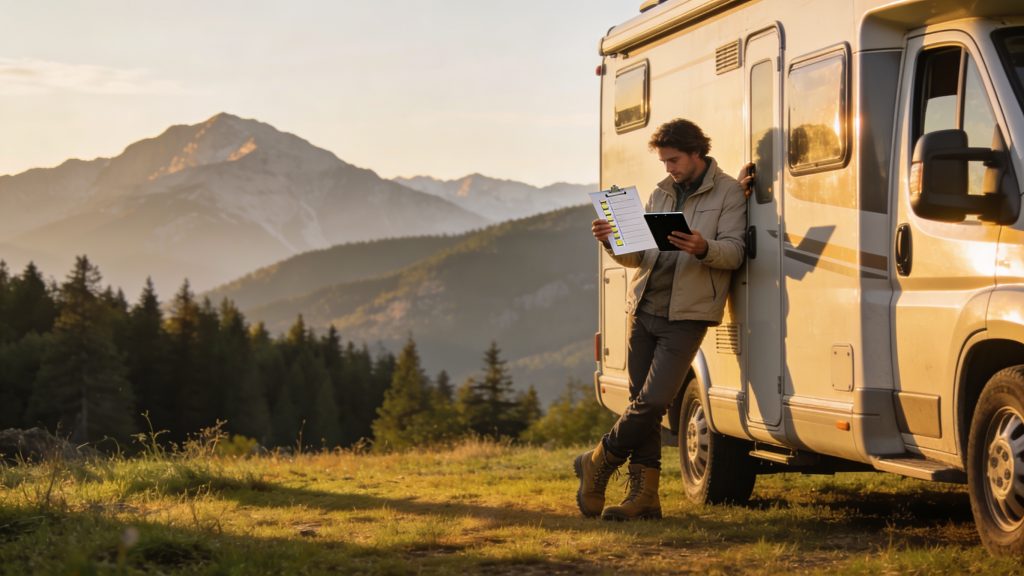
A thorough motorhome check before departure prevents breakdowns on the road, damage to your belongings and unsafe situations. Systematically checking tyres, fluids, lights and gas installation makes the difference between a carefree start and being stranded at the roadside. For more background information, you can also read our detailed article on motorhome checks and maintenance. In this article you go through the essential checks step by step so you can apply them straight away.
Check tyres, tread and pressure
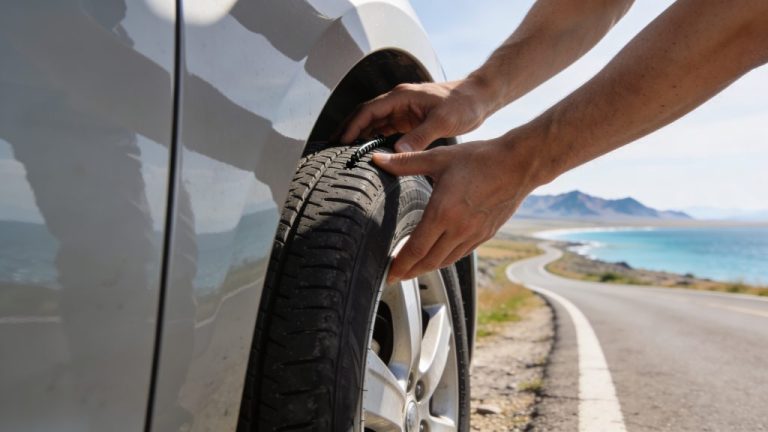
Tyres are the foundation of safe driving. Always check the tyre pressure before you set off. The correct pressure depends on the weight of your motorhome and is listed in the manual or on a sticker in the door opening. Use a tyre pressure gauge to measure the pressure when the tyres are cold, so before you start driving.
Also check the tread depth. The legal minimum is 1.6 millimetres, but for safe driving in varying conditions 3 millimetres is wiser. Look for cracks, drying out or damage to the sidewall. Old tyres are unsafe even if they still have enough tread. It is better to replace tyres that are more than six years old.
Do not forget the spare wheel. Does your motorhome have a repair kit instead of a spare wheel? Then check whether the kit is complete and still within its expiry date.
‘ Coolant protects against corrosion and overheating. ’
Check fluids and top up where needed
Fluids are crucial for the technical condition of your motorhome. Start with the engine oil. Pull out the dipstick, wipe it clean, push it back in and pull it out again. The level should be between minimum and maximum. If in doubt, top up with the type of oil specified in your engine manual.
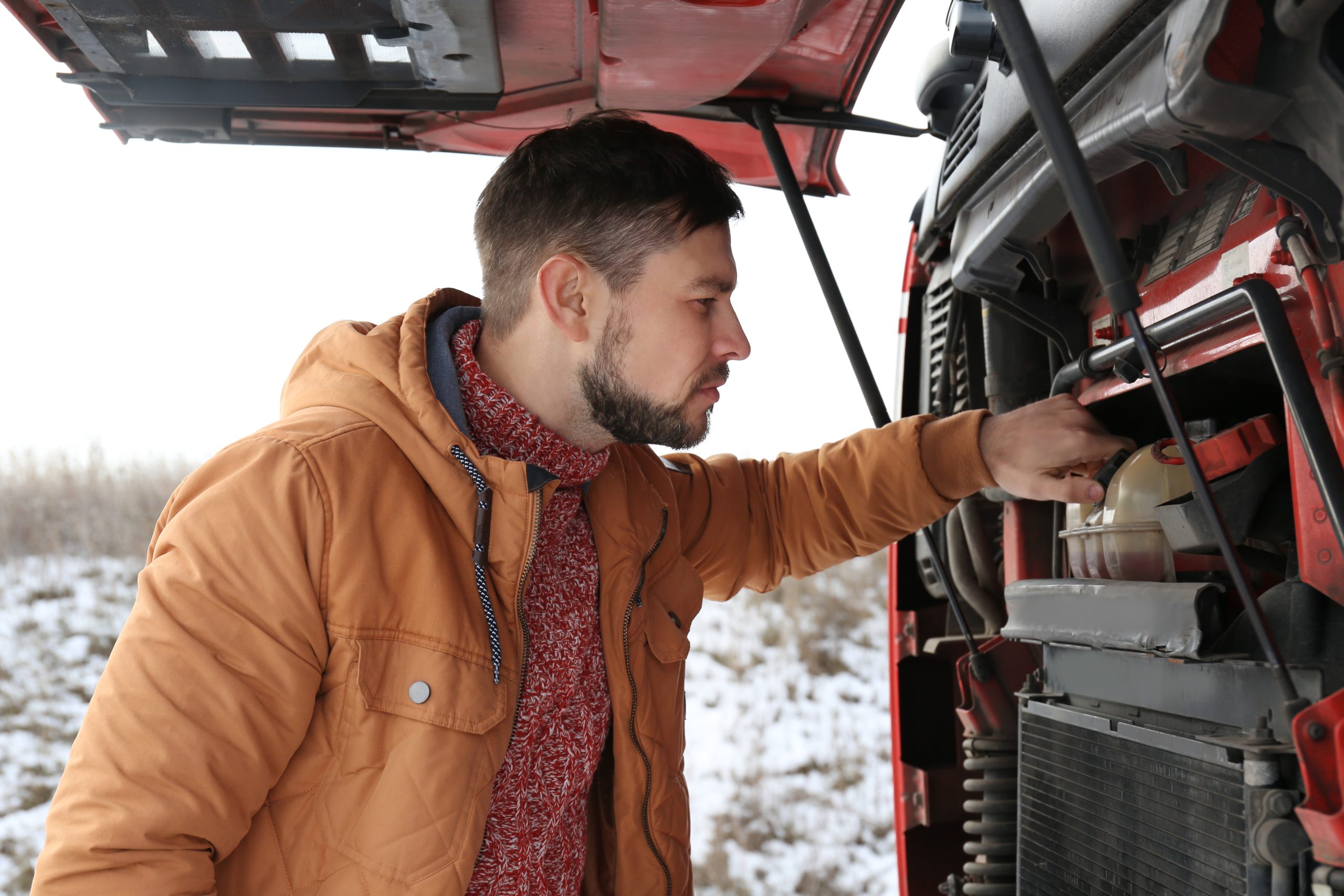
Check the coolant in the expansion tank. The fluid level should be between the minimum and maximum markings. Only top up with a mixture of water and antifreeze, even in summer. Coolant protects against corrosion and overheating.
Look at the brake fluid. You do this via the fluid reservoir under the bonnet. The level must not fall below the minimum mark. If the level drops quickly, have this checked before departure. The windscreen washer fluid also deserves attention. Fill the reservoir and take extra with you for long journeys.
Test all lights and signalling
Check all lights before you leave. Switch on the motorhome and walk around it while testing the headlights, dipped beam, fog lights, indicators, brake lights and reversing lights. If possible, ask someone to help by pressing the brake pedal or turning on the indicators.
Do not forget the number plate lighting. This is often overlooked, but it is compulsory and can lead to a fine. If you have a bike rack or trailer, also check its lights. Some racks have a separate plug that you need to connect.
Replace broken bulbs immediately. Always take spare bulbs with you, especially for longer trips abroad. In some countries it is compulsory to carry spare bulbs.
Check batteries and power supply
The starter battery ensures your engine will run. Check that the battery is firmly secured and that the terminals are clean and free of corrosion. Green or white deposits on the terminals are corrosion and can be removed with a wire brush and vinegar or special battery cleaner.
Check the charging status via the control panel in the motorhome. Most motorhomes have a separate leisure battery for interior lighting, fridge and other equipment. Make sure this is sufficiently charged. Are the batteries more than five years old? Have them checked before a long trip.
Also check that all connections are tight. A loose cable can cause electrical problems while driving. Test the water pump, interior lighting and charging system to see if everything is working.
‘ Driving with an open gas valve is dangerous and is prohibited in some countries. ’
Inspect the gas installation and shut it off safely
The gas installation requires special attention. Before departure, close all gas valves. This applies to the main valve on the gas bottle and any intermediate valves. Driving with an open gas valve is dangerous and is prohibited in some countries.
Check the gas hose for cracks, ageing or leaks. A gas hose has a limited service life. You must replace it after a number of years, even if it still looks fine. Check the hose itself for the expiry date.
Test whether the gas installation is working properly by briefly switching on the hob or heating. If you smell anything unusual, have the installation inspected by an authorised engineer before you leave. Make sure any leak detectors in the motorhome have been checked and that the batteries have been replaced where necessary.

Tidy the interior and secure everything
Loose items in the motorhome can move around while driving. This leads to damage and dangerous situations. Put all loose items in cupboards, drawers or storage compartments. Check that cupboard doors and drawers close properly and lock them if possible.
Place heavy items low down and centrally in the motorhome. This provides better weight distribution and more stable handling. Light items can go in the upper lockers, but do not overfill them.
Check that the fridge door is properly closed and locked. Many motorhome fridges have a special travel lock. Set the fridge to the correct setting for on the road, usually 12 volts or automatic.
Secure loose equipment such as TV, laptop or coffee machine firmly. Fold down any tables and beds. Make sure that windows, roof vents and service hatches are closed. Do not forget the shower door and toilet door either.
Check the exterior and retract everything
The exterior of the motorhome needs just as much attention. Start with the awning. Wind it in completely and make sure it is properly secured. A forgotten awning can be damaged while driving or even come loose.
Fold down the satellite dish or antenna. Unplug the mains cable and stow it away. Remove wheel chocks and levellers. Close all garage doors, storage doors and service hatches. Check that the covers on the water and waste outlets are properly closed.
If you are taking bikes on a rack, check that they are firmly secured. Test the fixings by pulling on the bikes. Some bike racks have a lock, always use it.
Retract any steps or ladders. Adjust the wing mirrors correctly and check that they are firmly attached. Walk around the motorhome once and check that everything is closed and properly secured.
‘ A full fresh-water tank can easily weigh more than one hundred kilograms. ’
Empty and fill the right tanks
Empty the grey-water tank and chemical toilet before departure. A full waste-water tank adds unnecessary weight. It can also cause unpleasant odours while driving. Rinse the tanks through with clean water.
Fill the fresh-water tank, but only with the amount of water you need for the first stage. A full water tank can easily weigh more than one hundred kilograms. Can you top up easily en route? Then set off with a half or three-quarters full tank.
Check that all drain valves are properly closed. Test the water pump by opening a tap. If no water flows or the pump is very noisy, solve this before departure.
Pay attention to weight and loading
Overloading is a common problem with motorhomes. Check the maximum permitted weight of your motorhome. This is stated in the registration documents and on a sticker in the motorhome. Take into account the extra weight of water, gas, bikes, luggage and passengers.
Distribute the weight properly. Place heavy items such as jerry cans, tools and spare parts low down and centrally. Light items such as clothing and towels can go in the top lockers. Avoid overfilled overhead cupboards, as this negatively affects handling.
Only take what you really need. Lay out your things and then deliberately remove some of them. This prevents excess weight and improves driving comfort.
Do a final check before departure
Go through a fixed checklist before you leave. Start outside with awning, dish, gas, hook-up, bikes, wheel chocks, hatches, windows and step. Inside, check cupboards, drawers, fridge, equipment, roof vents and doors. Check the technical side: tyres, oil, lights, brakes and tanks.
Take a short test drive in the area before you set off properly. During this drive you will quickly hear if anything is loose or moving around. Also test the braking and steering. If you feel vibrations or hear unusual noises, stop and check what is going on.
Keep important documents such as passport, registration papers, insurance documents and breakdown cover details in a fixed place. Also take information with you about campsites, toll roads and any reservations.
‘ Discover all the articles and make sure you set off well prepared. ’
Discover more handy tips for your motorhome trip
On the Traveler Tips website you will find a lot more information about motorhome travel, routes, destinations and practical preparation. From regulations and insurance to the best campsites and hidden spots. Discover all the articles and make sure you set off well prepared.
Frequently asked questions
Yes, the motorhome is technically ready for a long trip: tyres, fluids, lights, brakes and battery have been checked and are in good condition. All windows, hatches, cupboards and the fridge are properly closed and there are no loose items left that can slide around. The water and waste systems are in order and the weight is safely distributed within the maximum permitted weight. All necessary documents, such as registration papers, insurance documents, breakdown cover details and identity documents, are kept together and are immediately to hand.
As essential items, be sure to take your passport/driving licence, insurance documents, breakdown cover details, first-aid kit, spare bulbs/fuses, basic tools, jack and warning triangle. For comfort, good chairs, extra pillows and blankets, a nice lamp, organisers for cupboards, a kettle or coffee maker and possibly a tablet with entertainment are useful. Also make sure you have enough extension leads, adapters, clothes pegs and a washing line to avoid practical inconveniences. Finally, take a basic stock of food and drink so you do not have to go shopping immediately after arrival.
Yes, the route and overnight stops are sensibly planned, with attention to driving distances, practical facilities and safety. Along the way there are plenty of opportunities for authentic experiences, such as local villages, markets and nature areas. The planning allows for flexibility so that you can spontaneously deviate for special encounters or tips from locals. This way, the trip combines efficiency with plenty of scope for genuine local experiences.
Use a (reusable) water container, keep showers short and collect washing-up water where possible, and only empty waste water and toilet contents at official dump stations. Limit energy use with LED lighting, good insulation, using appliances on 12V and, where possible, using solar panels or charging stations instead of a generator. Separate waste in the motorhome (plastic, glass, paper, general waste) and dispose of it in local bins or at the campsite, and avoid litter. Choose environmentally friendly cleaning and toilet products to minimise the impact on water and nature.
Breakdown cover and insurance details are taken along so that help can be arranged quickly in the event of a breakdown. For bad weather, there is properly working lighting, windscreen wipers and sufficient windscreen washer fluid. For medical emergencies, important documents and insurance papers are kept together so that getting medical help and handling everything on the spot is easier.