
 NL
NL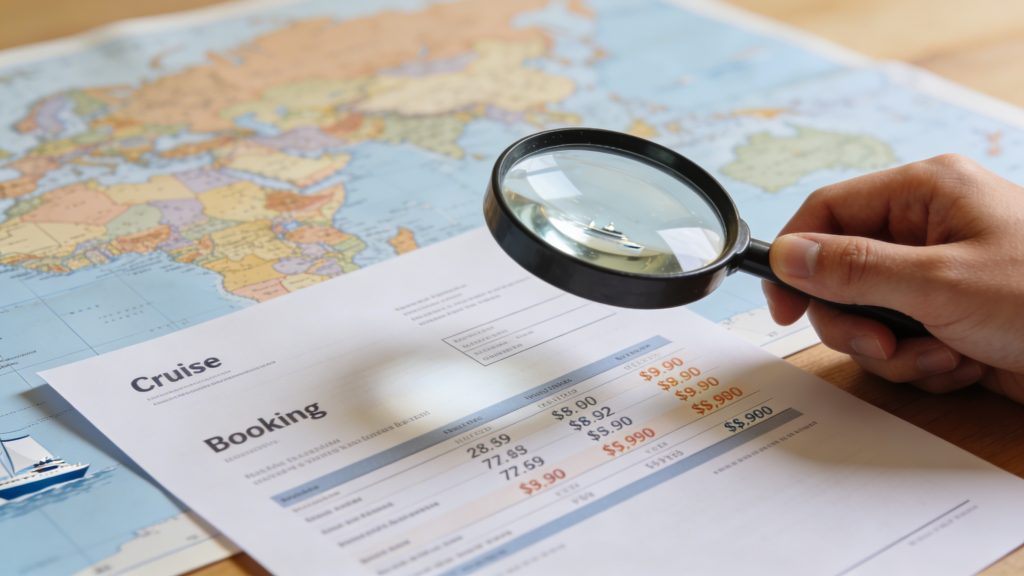
Cruise prices and hidden costs
The advertised cruise price is rarely the total amount you end up paying. A cruise from €849 per person can easily end up at €1,200 or more, due to tips, drinks, excursions and other costs that are not immediately shown in the overview. For a carefree holiday you need to know in advance what you are and are not paying for. That way you can make realistic budgets and avoid financial surprises. This article gives you insight into the real costs of cruise prices and hidden expenses, and helps you make smart choices for your holiday.
What is included in your cruise fare?
The base price of a cruise usually covers your cabin, full-board meals in the main restaurants and access to on-board entertainment. With most cruise lines (the cruise companies) you can make unlimited use of buffets, the swimming pool, gyms and theatres. Room service and basic entertainment such as shows and live performances are often included at no extra cost.
With premium and luxury cruise lines you sometimes get more than just a standard package. Drinks, tips and excursions can be included in the price. World cruises regularly offer extras such as laundry service, on-board internet access (wifi) and excursion credit. You can use this credit to pay for trips in the ports. Some cruise lines let children up to 17 travel free, which is attractive for families.
The advertised price is always per person, based on two people sharing one cabin. Port charges are usually included, but flights, transfers and checked baggage are not. Always check what exactly is included in the price before you book.
‘ These costs can make up 20 to 50 per cent of your total budget. ’
The main hidden costs at a glance
Many cruise travellers do not fully realise how many extra expenses are involved. These costs can make up 20 to 50 per cent of your total budget. It is important to map them out in advance, so you are not caught out during or after your trip.
The following extra costs are the most common:
Tips, drinks, excursions, speciality restaurants, wifi and laundry service. On budget-friendly cruises these items are almost always separate from the base price. With all-inclusive offers, tips and drinks are sometimes included, but excursions and special services usually are not.
In addition, you will come across costs for cabin upgrades, alcoholic drinks that are not included in the package, photos taken on board, wellness treatments and souvenirs. A cabin upgrade, for example, gives you a larger cabin or a better view. Make sure you include these items in your planning so that you do not end up with an unexpectedly high bill at the end of your trip.

Tips and service charges on board
Tips are compulsory charges with most cruise lines. You pay a fixed amount per person per day, usually between €10 and €15. For a seven-day cruise that quickly means €70 to €105 per person. For a 13-day trip that can rise to well over €130.
These tips go to the cabin staff, restaurant staff and other crew members on board who look after you during your trip. Some cruise lines charge the tips automatically at the end of the trip. Others ask you to pay them in advance when you book. Paying in advance has the advantage that you have already built the amount into your budget and are not surprised afterwards.
With all-inclusive cruises, tips are often included in the price. That makes a significant difference to your total costs. Always check when booking whether tips are already part of the package or whether you have to pay them separately.
Drinks and drinks packages
Water, coffee and tea are often free on board, but alcoholic drinks, soft drinks and speciality coffees are not. A glass of wine quickly costs €8 to €12, a cocktail €10 to €15. If you order drinks regularly, this can add up considerably.
Many cruise lines offer drinks packages, with prices between €20 and €50 per person per day. A package works out cheaper if you have more than three to four drinks a day. Do the sums based on what you normally drink to see whether a package is worthwhile. Some packages only apply if all adults in one cabin take them. All adults in the same cabin must then take the same package.
On all-inclusive cruises, drinks are often already included, including alcoholic drinks. That makes budgeting easier and prevents unexpected costs. Do note that premium brands and champagne are sometimes not covered by the package.
‘ For travellers who mainly want to eat practically and affordably, it is not essential. ’
Eating in speciality restaurants
The main restaurants and buffets are free, but many cruise ships also have à la carte restaurants with a supplement. These restaurants offer more exclusive menus such as steakhouses, Asian cuisine or Italian trattorias. Costs range from €30 to €100 per person.
Speciality restaurants are a great extra for some travellers. The value depends on your expectations and budget. Do you enjoy culinary experiences and want to add something special to your trip? Then it is a nice enhancement. For travellers who mainly want to eat practically and affordably, it is not essential. The main restaurants usually offer sufficient quality and variety.
Some cruise lines offer a package that allows you to visit speciality restaurants several times for a fixed amount. This can be cheaper than making separate reservations.
Excursions in port cities
Excursions are often the largest extra expense. Cruise lines offer organised trips from €50 to €200 per person, depending on the destination and type of activity. The advantage is that these excursions are guaranteed to get you back to the ship on time and that you get support with visas or other practical matters.
Booking excursions yourself with local providers is often cheaper. You have more freedom and can often choose smaller groups or more personal experiences. The downside is that you are responsible for getting back on time yourself. If you miss the ship due to a delay, the cruise line will not compensate you.
For destinations such as Antarctica, excursions are often essential. The same applies to cultural World Heritage locations (UNESCO sites). You get the most out of these locations with an organised trip. In European ports such as Rome or Barcelona, exploring independently is a realistic option. You then discover the city under your own steam. Consider what suits you best for each destination.
Wifi and other conveniences
Internet access on board (wifi) is expensive. Wifi packages cost between €15 and €25 per day, depending on speed and data allowance. On some luxury cruises wifi is included, but on budget cruises you pay separately. Many ships offer different packages. One package offers basic email (limited internet access for email only). Another package offers unlimited streaming.
Other extras that affect your budget include laundry service, dry cleaning, spa treatments and photos. A load of washing quickly costs €5 to €10 per item of clothing, a massage €80 to €150. Photo packages often start at €100 for a selection of professional photos taken during the trip.
Do you want to use these services? Then calculate roughly how much that will cost in advance. This way you avoid having to think about spending money all the time during the trip and you can simply enjoy yourself.
‘ This extra 30 per cent forms your buffer for additional costs. ’
How to budget realistically for a cruise
Start with the base price of your cruise. Add 30 per cent on top. This extra 30 per cent forms your buffer for additional costs. It gives you a more realistic picture of your total spending. Make a list of costs you definitely want to incur. Think of tips and drinks. Also make a list of optional costs, such as excursions and speciality restaurants.
Take into account the type of cruise you book. With an all-inclusive package many costs are already covered. With a cheap base price there will be more surprises. A cruise of €849 can end up at €1,200 including tips, drinks and a few excursions. A world cruise of €50,000 often already includes many extras, but visas, flights and personal spending are still on top of that.
Fixed costs include port charges and tips. Variable costs include drinks and excursions. This way you know exactly where you have room to save or to spend more.
Practical tips to limit costs
An all-inclusive package gives you predictability. You are not constantly thinking about expenses. These packages are more expensive to purchase, but they often save you money if you regularly use drinks and excursions. Compare the price of an all-inclusive package with the separate costs on a standard cruise, where you pay for everything individually.
Book early for the best fares. Early booking discounts often run up to 20 to 50 per cent off the regular price. Travelling outside the high season often gives you extra savings. Think of May or September. Depart from Dutch ports such as Rotterdam to save on flight costs.
Bring your own drinks and snacks for the first day. Your drinks package is not yet active then. Many cruise lines allow you to bring limited quantities of wine or soft drinks. Choose the cheapest cabin if you are not going to spend much time in it anyway. Buffets offer sufficient quality at no extra cost. The same goes for free entertainment on board.
Enjoy without surprises
A cruise offers comfort and a rich experience. Financial preparation is essential to enjoy this to the fullest. Map out the full costs in advance so you know exactly what you are spending. You will experience your trip in a more relaxed way. Do not rely solely on the advertised starting price, but include tips, drinks, excursions and extra services in your budget. That way you avoid disappointments and can fully focus on the trip itself.