
 NL
NL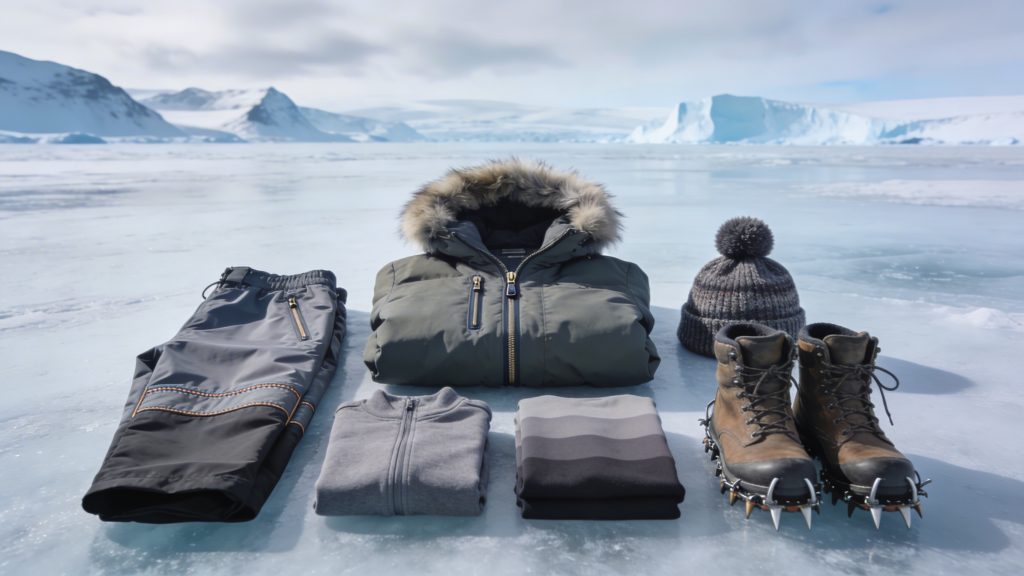
The right clothing can make the difference between an unforgettable journey and a cold, wet experience. You are travelling to some of the most remote places on earth. Anyone booking an expedition cruise to Antarctica, Spitsbergen or Patagonia is heading for environments with extreme conditions. Extreme cold, humidity and changeable weather are the norm there. Layered jackets, waterproof trousers, thermal underwear and rubber boots are not a luxury but a necessity for landings by Zodiac and hikes over rough terrain. Which items of clothing really must not be missing from your bag?
The layering system keeps you warm and flexible
Clothing for expedition cruises revolves around smart layers. On board it is warm thanks to heating and air conditioning. Out on deck and during landings you will have to deal with cold wind, snow or rain. You wear several layers on top of each other so you can respond to changing conditions.
Start with a moisture-wicking base layer. Think of thermal underwear made from merino wool or synthetic material. This layer wicks away sweat and keeps your skin dry, which prevents you from cooling down. On top of that you wear an insulating layer. A fleece jumper or jacket traps the warmth. For the outer layer you choose a windproof and waterproof jacket, also known as a hardshell. This protects you against rain, snow and strong winds during Zodiac rides.
Many cruise lines provide an expedition jacket. This is often basic and has limited features. Your own good-quality hardshell offers better protection and comfort. On board you take off layers, because the heating makes it comfortable inside. On deck or during landings you put everything back on again.
‘ Waterproof trousers are indispensable here. ’
Waterproof trousers and underwear for wet landings
During landings you get out of the Zodiac. Sometimes you step out into shallow water or snow. Waterproof trousers are indispensable here. They keep your lower and upper legs dry. You may sometimes have to step out into the sea or climb over wet rocks. Choose trousers that fit over your other clothing and have adjustable cuffs.
Thermal underwear acts as the first layer against your skin, both for your upper and lower body. Take at least two sets with you so you always have a dry spare. Wool is naturally odour-resistant and stays warm, even when it is damp. Synthetic versions dry more quickly and are lighter in weight.
Good socks are just as important. Take several pairs of thick, moisture-wicking socks with you. Woollen socks are ideal for cold conditions and keep your feet warm even after long walks. Extra socks are also useful if you want to wear double layers in rubber boots.
Rubber boots and sturdy walking boots for rough terrain
Rubber boots are often provided by the cruise line and are sometimes available to hire. They are waterproof and protect your feet during landings in water or mud. Check in advance whether the cruise line provides boots and in which sizes. If you take your own boots, choose a model with good grip and a high shaft.
Sturdy walking boots are needed for excursions. The terrain is often rocky or uneven. Choose boots with ankle support and water resistance. They do not have to be completely waterproof, but they must withstand wet conditions. A firm sole with a good tread pattern helps prevent slipping on ice or rocks.
For wearing indoors on board, take flip-flops or light shoes with a rubber sole. Decks can be slippery, so avoid smooth soles. Crocs or sandals with anti-slip soles are practical and easy to put on and take off.
Gloves, hat and protection for head and neck
Cold wind and low temperatures call for good protection. You need to protect your head, hands and neck well. A warm hat or fleece beanie retains the heat that would otherwise be lost through your head. A peaked cap protects against sun and wind. Reflection from snow and ice intensifies bright sunlight, even in polar regions.
Gloves must be waterproof and provide sufficient insulation. Consider taking an extra pair so you can wear double layers in extreme cold. Thin liner gloves under thick outer gloves give flexibility as well as extra warmth. A buff or scarf protects your neck and lower face from wind and cold during Zodiac rides.
Sun protection is necessary even in cold regions
Sun in polar regions can be intense. Reflection from ice and snow increases the strength of the sun. Take sunscreen with a high SPF and reapply regularly. Sunglasses with UV protection help prevent snow blindness and protect your eyes from harsh glare. A lip balm with UV filter is also recommended.
‘ Formal clothing is not necessary. ’
Practical basic clothing and extra tips
You will also need everyday clothing to wear on board. Think of light shirts, T-shirts and a cardigan or jumper for indoors. The dress code on board is informal and practical. Formal clothing is not necessary. Take enough underwear and nightwear for the duration of your trip.
Many expedition cruises last 10 to 20 days. Laundry facilities are sometimes available on board, but not always. Pack clothing that dries quickly and can be worn multiple times. Merino wool is ideal for this, as it is naturally odour-resistant.
Think about seasickness and comfort on board
Seasickness can occur, especially in rough seas. Scopoderm patches are effective and work for up to three days. They are often available on board, but you can also buy them in advance. The air conditioning on board can make it feel cool in the evenings, so keep a cardigan or warm jumper close at hand.

Packing versatile outfits with limited space
Expedition cruises often sail with smaller ships that offer limited luggage space. Pack only what you really need. Choose versatile clothing items that can serve several purposes. A rain poncho, for example, can act as an extra layer over your jacket. A foldable umbrella is light and takes up little space.
Keep an eye on the weight of your luggage. Some destinations have strict limits for domestic flights and transfers. Choose light, compact clothing wherever possible. Vacuum bags can help save space, but bear in mind that clothing will take up more room again after use.
Specific adjustments per destination
Antarctica and the Arctic regions are the coldest destinations. Thick insulating layers, waterproof protection and warm accessories are absolutely essential here. Conditions in Patagonia and South Georgia are slightly milder, but wind and rain are still a factor. The layering system is the foundation here too.
Clothing for tropical expedition cruises is different. Think of the Galápagos. There you need breathable, quick-drying clothing for heat and humidity. Waterproof clothing is still relevant for Zodiac rides and rain showers, but thick insulation is not necessary. A light rain jacket and quick-drying trousers are sufficient.
‘ Waterproof clothing is essential here. ’
What to take for Zodiac excursions and snowshoe hikes
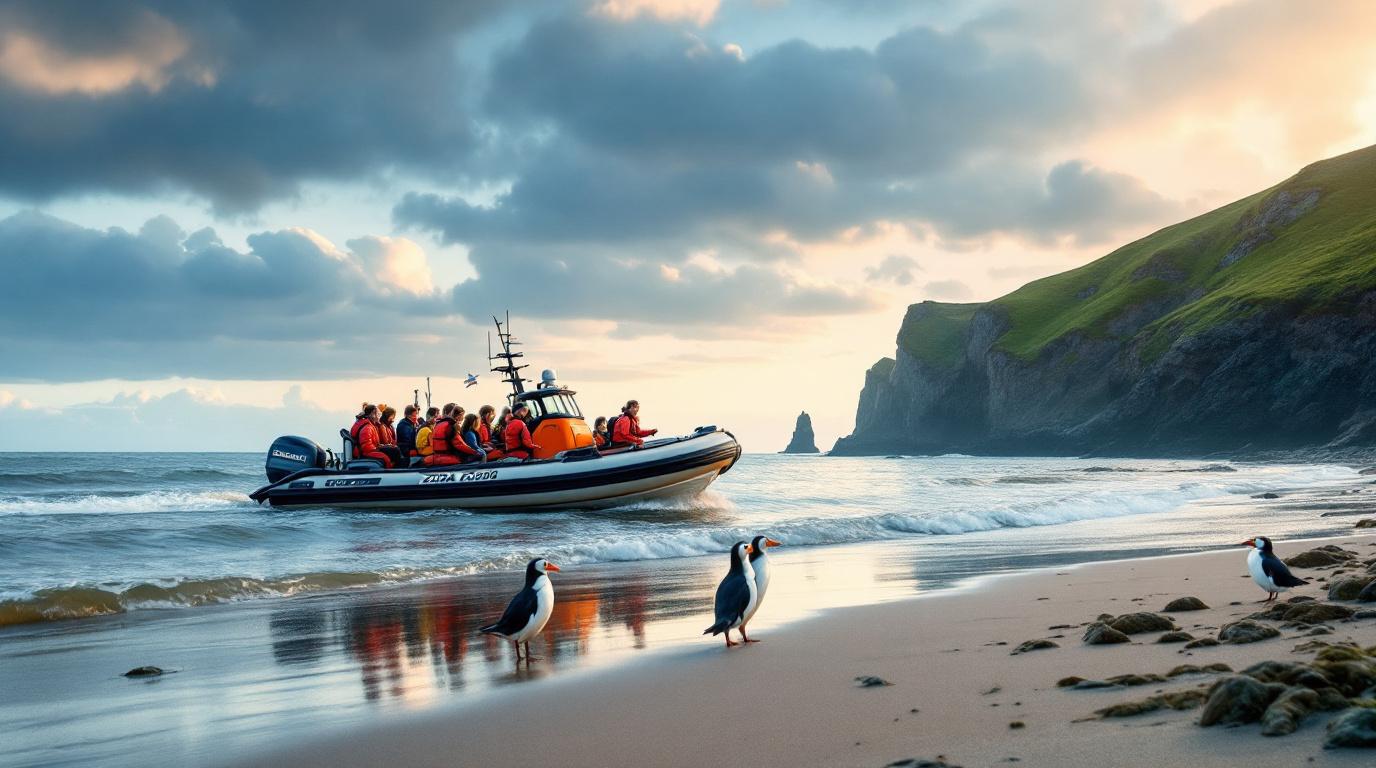
Zodiac landings are a fixed part of expedition cruises. You board inflatable boats from the ship and sail to the shore. During this trip you are exposed to wind, waves and sometimes spray coming into the boat. Waterproof clothing is essential here: think of a jacket and trousers. Gloves and a warm hat keep you comfortable during the ride.
Snowshoe hikes call for warm clothing as well as good footwear. Snowshoes are often provided by the cruise line. Wear your walking boots underneath and make sure your socks stay warm and dry. An extra insulating layer, such as a fleece gilet, can help during longer walks in the cold.
Check your cruise line’s requirements in advance
Each cruise line has its own recommendations and sometimes clothing requirements. Some provide expedition jackets, others do not. Check before departure what is provided and what you need to bring yourself. Also ask about the sizes of the boots supplied and whether you need to reserve them.
Some cruises offer a packing list with specific recommendations for the route. Follow this list and adjust it according to your own experience of cold and damp. Do you quickly suffer from cold hands or feet? Then take extra gloves or socks.
Prepare well and enjoy your trip
With the right clothing you are ready for landings, Zodiac rides and wildlife watching from the deck. Conditions are challenging. The layering system gives you flexibility, waterproof protection keeps you dry and good footwear provides grip and comfort. Pack smart and keep limited space in mind. Match your clothing to your destination.
On the Traveler Tips website you will find more information about expedition cruises, preparation tips and inspiration for special travel destinations. Discover more and plan your next adventure with confidence.
Frequently asked questions
A clothing checklist for an expedition cruise focuses much more on protection against extreme cold, wind and moisture, with technical layers such as thermal underwear, fleece and a truly wind- and waterproof hardshell. Instead of smart or ‘nice’ outfits, the emphasis is on practical, sporty clothing that works both on deck and during Zodiac trips and landings. Footwear is different too: you need sturdy walking boots and often rubber boots rather than ordinary walking shoes or city shoes. You also have to take into account limited luggage space on board and more accessories such as hats, buffs, waterproof gloves and high UV protection.
Use the layering system: one set of good thermal underwear, 2–3 insulating fleeces/jumpers and one high-quality wind- and waterproof hardshell jacket and trousers instead of lots of separate thick items. Choose versatile, quick-drying clothing (merino wool or synthetic) that you can wear both on deck and indoors, so you need to take less. Limit footwear to sturdy water-resistant walking boots and light shoes/flip-flops for indoors; the cruise line often provides rubber boots. Roll and vacuum pack heavy layers for your checked luggage and wear your thickest jacket and boots on the plane to save weight and space.
Three layers are essential: a moisture-wicking base layer (thermal underwear), an insulating mid-layer (fleece or warm jumper) and a wind- and waterproof outer layer (hardshell/expedition jacket). Combine them by always wearing the base layer, adding the mid-layer when it is cold and putting on the outer layer in wind, rain or sea spray. On board you can often manage with just the base and mid-layer; out on deck or in the Zodiac you use all three. Make sure each layer fits comfortably over the previous one so you can easily add or remove items as conditions change.
Make conscious choices by working with a layering system: invest in a good base layer, a warm mid-layer and a wind- and waterproof outer layer that you can combine in different conditions. Opt for sustainable materials such as merino wool or high-quality synthetic fabrics that last a long time, dry quickly and regulate moisture well, so you need fewer pieces. Choose multifunctional clothing (for example a fleece that works both on deck and indoors) and limit the number of items to reduce luggage and consumption. Finally, check what the cruise line already provides (such as boots or expedition jackets) to avoid unnecessary purchases.
Many expedition cruise lines provide or hire out rubber boots, sometimes also an expedition or parka jacket and, in some cases, snowshoes for landings. You should at least bring your own thermal underwear, warm mid-layers (fleece/jumper), a good wind- and waterproof jacket or rain layer and water-resistant walking boots. In addition, take a hat/cap, buff or scarf, (waterproof) gloves, good socks and, if needed, seasickness medication. Check with your cruise company in advance exactly which boots, jackets and equipment are included so you can avoid duplicate or unnecessary purchases.