 NL
NL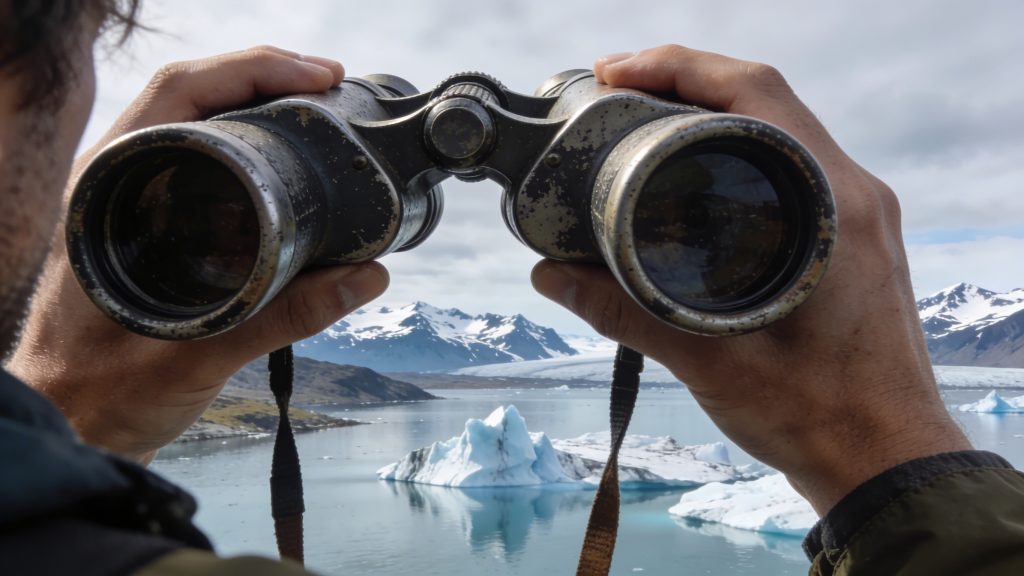
An expedition cruise to Antarctica or the Arctic requires good preparation, and for many travellers it makes a difference if this can be done in their own language. Dutch-language expedition cruises offer Dutch-speaking guidance on certain routes, usually from 15 participants upwards. This makes these unique journeys more accessible for travellers who plan their holiday consciously and value clear information and personal guidance. Discover how to organise such a trip and what you can expect.
What makes an expedition cruise different
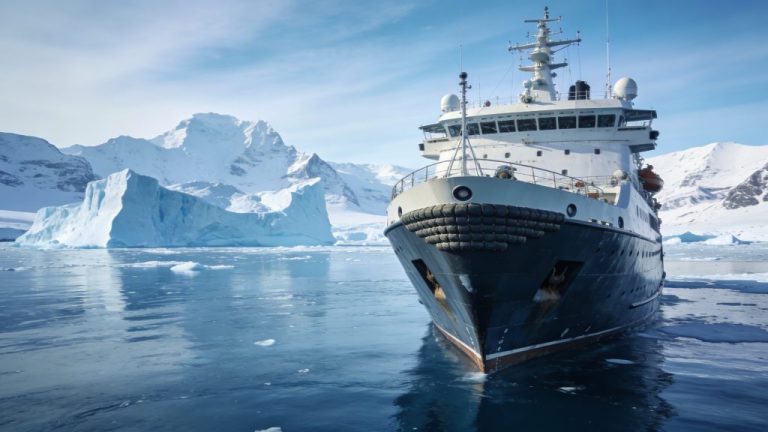
An expedition cruise is not a classic cruise with entertainment and pool decks. It is a voyage of discovery to remote natural areas where nature, wildlife and adventurous activities are central. You sail to regions such as Antarctica, Spitsbergen, Greenland or the Galapagos Islands. On board there are expedition guides who inform you about the nature, animal species and climatic particularities of the region.
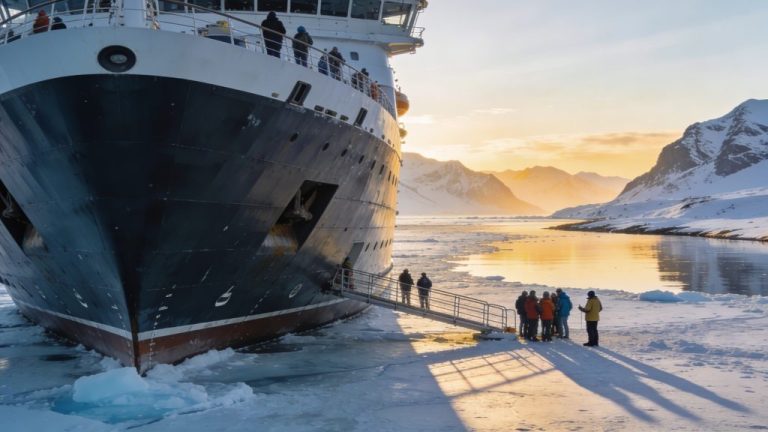
The ships are smaller than regular cruise ships and are specially equipped for icy landscapes and shallow waters. This allows you to go ashore with zodiacs for walks, wildlife observation or visits to research stations. The focus is on education and experiencing nature. Luxury or entertainment are not the main priorities.
Expedition cruises usually last between 6 and 20 days. The duration of the trip depends on the destination and the route. For Antarctica you should usually count on at least 10 days, including the crossing of the Drake Passage.
Dutch-speaking guidance on selected routes
Not all expedition cruises offer Dutch-speaking guidance. Hapag-Lloyd Cruises is one of the shipping companies that offer escorted cruises on selected routes especially for Dutch-speaking travellers. This means that a Dutch-speaking guide travels along. This guide gives presentations and explains the daily programmes. They also answer any questions you may have.
Dutch-speaking guidance is often available from a minimum number of participants, usually 15 people. With fewer participants, guidance is generally in English or German. This depends on the shipping company and the composition of the passengers. It is therefore important to check this in advance with the shipping company or the booking agency.
English is often the working language on board, but on Dutch-language escorted cruises you receive information in your own language. This applies to:
- Daily briefings about the programme and activities
- Lectures on wildlife, geology and the history of the region
- Explanations during landings and excursions
- Practical instructions on safety and guidelines for behaviour
The crew on board usually speak several languages, often including Dutch or German. This makes communication about practical matters easier.
Popular destinations for Dutch-language trips
Expedition cruises depart for different parts of the world. The most popular destinations for Dutch-speaking travellers are the polar regions, because of their unique nature and wildlife.
Antarctica and South Georgia
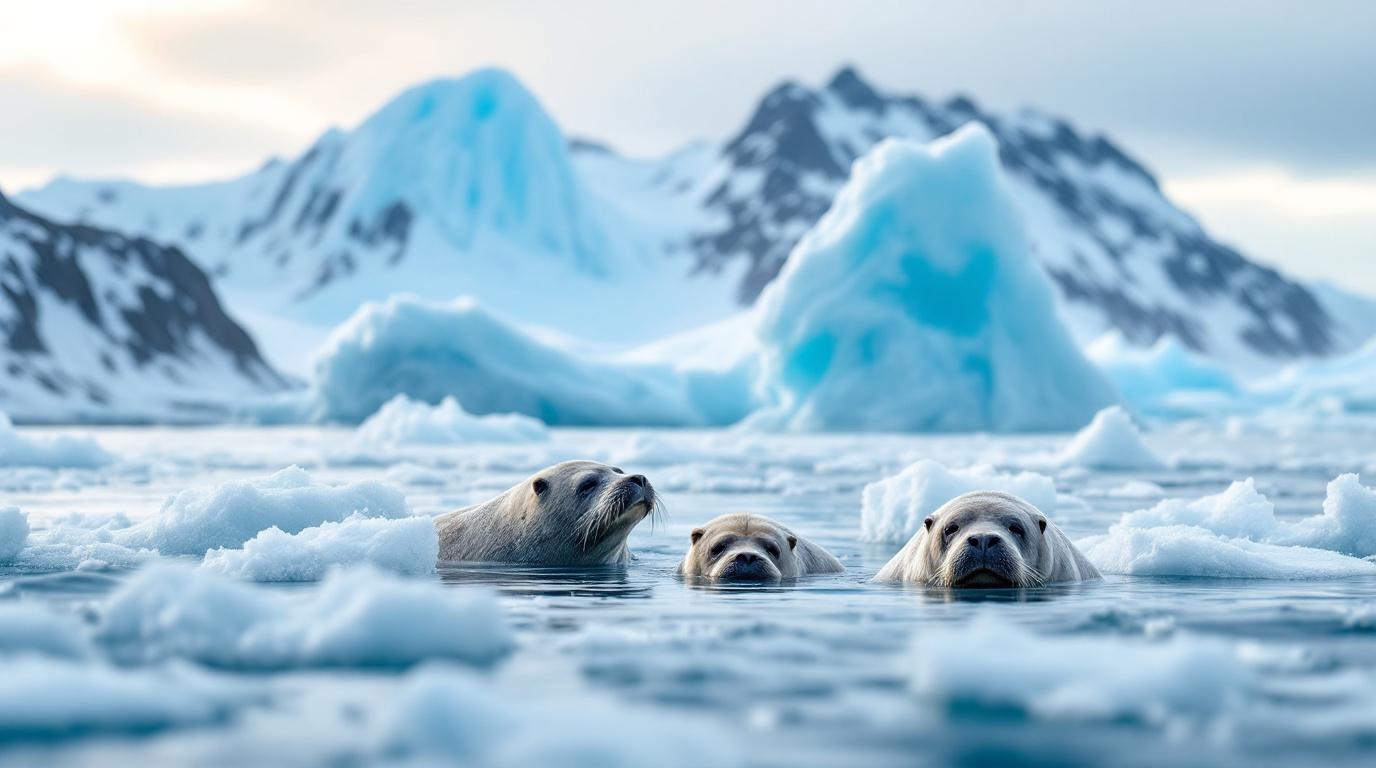
Antarctica is the most extreme and untouched destination. You sail past ice floes, see penguin colonies and observe seals and whales. Some routes combine Antarctica with South Georgia. This island has a rich history of polar expeditions and large colonies of king penguins. Cape Horn is sometimes also included in the route.
Most Antarctica cruises depart from Ushuaia in Argentina. The season runs from November to March, the southern summer.
Spitsbergen and the Arctic
Spitsbergen, part of Norway, is more accessible and quicker to reach than Antarctica. The island is known for polar bears, Arctic foxes and seabirds. You sail along glaciers and fjords. You also visit former mining settlements and research stations.
North-east Greenland is also a popular Arctic destination. Here you will find remote villages and Inuit culture. You also see impressive icebergs. The season runs from June to September.
Galapagos Islands and Amazon
For those who prefer warmer destinations, there are expedition cruises to the Galapagos Islands and the Amazon. Shipping companies such as Silversea and Celebrity Cruises specialise in these routes. Dutch-speaking guidance is less common here, but some booking agencies do offer Dutch-language group trips.
Shipping companies and booking agencies with Dutch-language service
There are both international shipping companies and Dutch specialist agencies that offer expedition cruises. Hapag-Lloyd Cruises has the most extensive range with Dutch-speaking guidance. This company sails with smaller, luxury ships and places emphasis on education and comfort.
Hurtigruten Expeditions is one of the largest providers of polar voyages. They have six expedition cruise ships, including the MS Fram, named after the ship of polar explorer Roald Amundsen. Dutch-speaking guidance here depends on the booking and the number of Dutch guests.
Dutch booking agencies that specialise in expedition cruises include:
- Oceanwide Expeditions
- BBI-Travel
- Nordic
- Cruisreizen.nl
- Captain Cruise
- Zeetours
- Inezia Tours
- C&O Travel
These agencies know the routes and can advise on ships and departure dates. They also help with preparation. They often have access to special offers and can arrange group bookings where Dutch-speaking guidance is guaranteed.
‘ Flexibility is essential. ’
What you need to know when planning
An expedition cruise requires different preparation from a beach holiday. The destinations are remote and the climate can be extreme. Good planning prevents disappointment and ensures a comfortable journey.
Seasons and weather
The polar regions are only accessible in certain months. You can reach Antarctica from November to March, and Spitsbergen and Greenland from June to September. Outside these periods it is too cold or the waters are not navigable because of pack ice.
The weather is unpredictable. Planned landings may be cancelled because of storms or ice. This is part of the character of an expedition cruise. Flexibility is essential.
Equipment and clothing
You need warm, waterproof clothing. Think thermal base layers, a good jacket, gloves and boots. Many shipping companies lend out boots, but check this in advance. For Galapagos or the Amazon, you need light, quick-drying clothing and insect repellent instead.
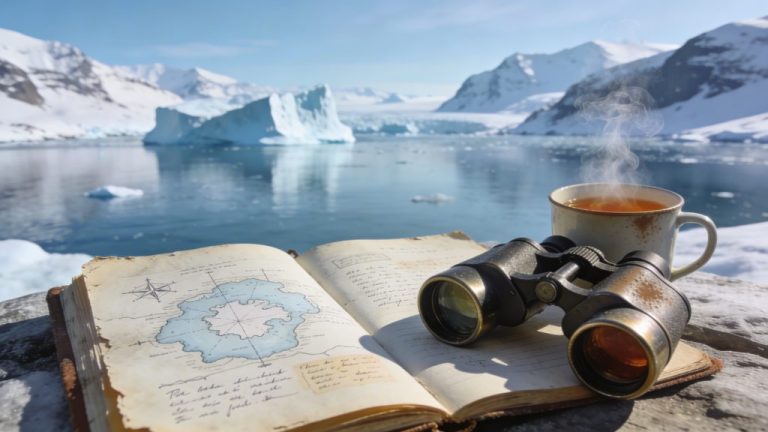
Also bring binoculars for wildlife observation and a good camera with telephoto lens if you want to take photos.
Costs and early-booking discounts
Expedition cruises are expensive. Prices often start at around 5,000 euros per person for a short trip to Spitsbergen and can rise to more than 15,000 euros for an extensive Antarctica expedition. Early-booking discounts can be up to 20 per cent, so plan well in advance.
The price usually includes meals, excursions and lectures. Drinks, tips and sometimes special activities such as kayaking cost extra.
Preparation and practical tips
It is best to book through a specialist agency if this is your first expedition cruise. They can advise you on the right route and the best ship. They also help with packing lists and insurance. In addition, they discuss expectations regarding comfort and activities.
Check whether you need special travel insurance. Many standard policies do not cover trips to Antarctica or other extreme regions. Cancellation insurance is also recommended given the high costs.
Make sure you are physically fit enough. Landings often take place by zodiac. This requires balance and agility. Walks can be over uneven ground. Most shipping companies require a medical certificate from older travellers or those with certain conditions.
Ask in advance about vaccinations. For some destinations, such as the Amazon, you need vaccinations against yellow fever or other tropical diseases.
What to expect on board
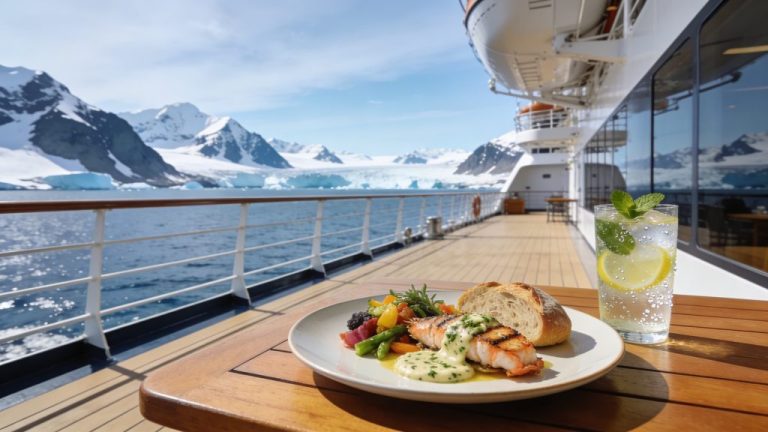
Expedition cruise ships are functional and comfortable, but not floating hotels. The focus is on the destination, not on luxury facilities. Cabins are smaller than on ordinary cruise ships. There are, however, restaurants, a lounge, a library and sometimes a sauna or fitness room.
The atmosphere on board is informal. You eat at shared tables and share your experiences with fellow travellers. This makes the journey social and educational. Many passengers are nature lovers, photographers or people with an interest in science and climate.
There are daily briefings and lectures by the expedition guides. You learn about glaciers, how icebergs form, the way of life of penguins and the history of polar expeditions. This enriches the experience and helps you understand your surroundings better.
‘ “there is a wide range of articles to help you plan your holiday more cleverly and consciously.” ’
Discover more about cruises and travel inspiration
On the Traveler Tips website you will find much more information about cruises, preparation and the most beautiful destinations. Whether you are interested in other cruise routes, practical tips for on the road or inspiration for your next trip, there is a wide range of articles to help you plan your holiday more cleverly and consciously. Among other things, you will find comparisons between shipping companies, packing lists for different climates and background information on lesser-known destinations.
Frequently asked questions
A Dutch-language expedition cruise is, in terms of experience, much more focused on nature, wildlife and shared experiences, with lectures, guidance and excursions that you undertake as a group, rather than the individual discovery you have on a self-organised car, train or road trip. The daily schedule, port times and excursions are largely fixed and tailored to weather conditions and logistics, which means you can be less spontaneous in deviating from the timetable. On the other hand, you reach very remote areas in a relatively comfortable and organised way, places you usually cannot get to with your own road trip. The Dutch-speaking guidance makes the experience more accessible and in-depth, but also reduces the complete freedom you are used to when you organise everything yourself.
Usually you arrange your international flights, travel and cancellation insurance, any visas, health certificates and good personal gear yourself (warm layered clothing, gloves, hat, personal medication and camera/equipment). The price of an expedition cruise usually includes cabin accommodation, all or most meals, zodiac excursions and landings, presentations/lectures by the expedition team and often standard tips and port charges. Some shipping companies offer extras such as loan boots, an expedition or polar jacket and hot drinks during landings. You travel smartly and comfortably by booking early, seeking good advice from a specialist agency and following the shipping company’s packing list carefully.
During an expedition cruise you can join zodiac trips between icebergs, along glacier fronts and remote coasts where ordinary cruise ships cannot go. You often make landings in pristine places to walk across polar landscapes, fjord coasts or island nature, close to colonies of seabirds and marine mammals. In addition, there are specialised excursions such as wildlife spotting with expedition guides and educational landings at historic or scientific locations. These intense, small-scale experiences in rugged natural areas make an expedition cruise fundamentally more adventurous than an ordinary cruise or land trip.
Make sure there are modern safety facilities on board (lifesaving equipment, medical facilities, ice-strengthened hull, reliable communication) and an experienced expedition team that knows the route and local conditions well. Comfort is ensured by good climate control, stable cabins, sufficient indoor spaces and facilities for relaxation after activities ashore. Practical considerations include taking appropriate clothing and personal gear for extreme weather conditions, following safety briefings and planning flexible routes because of weather and ice. It is also wise to book through a specialised expedition agency that helps with preparation, packing lists and medical/insurance requirements.
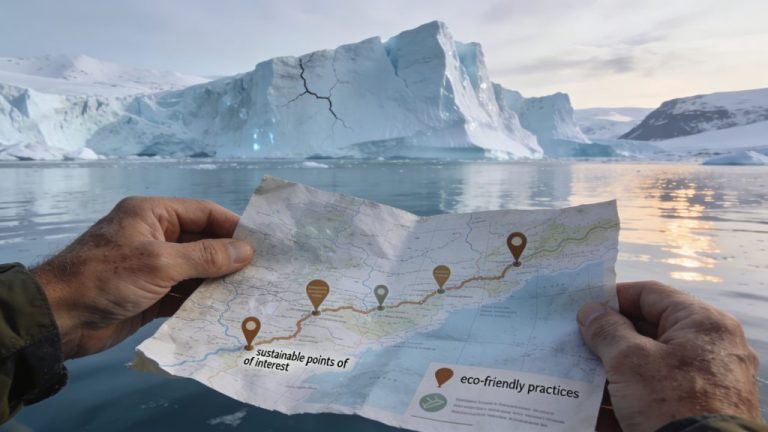
First determine your priorities: destination (for example Antarctica, Arctic or Galapagos), duration of the trip and the balance between comfort and adventure. Choose a shipping company or specialist (such as Oceanwide, Hurtigruten or Hapag-Lloyd with Dutch-speaking guidance) that offers small ships, many shore excursions and a strong focus on nature and education. Pay attention to sustainability policies (fuel, waste, collaboration with scientists) and group size, as these determine the impact and depth of your experiences. Book through a specialised Dutch-language agency that can advise you on route, season, equipment and your personal interests.