 NL
NL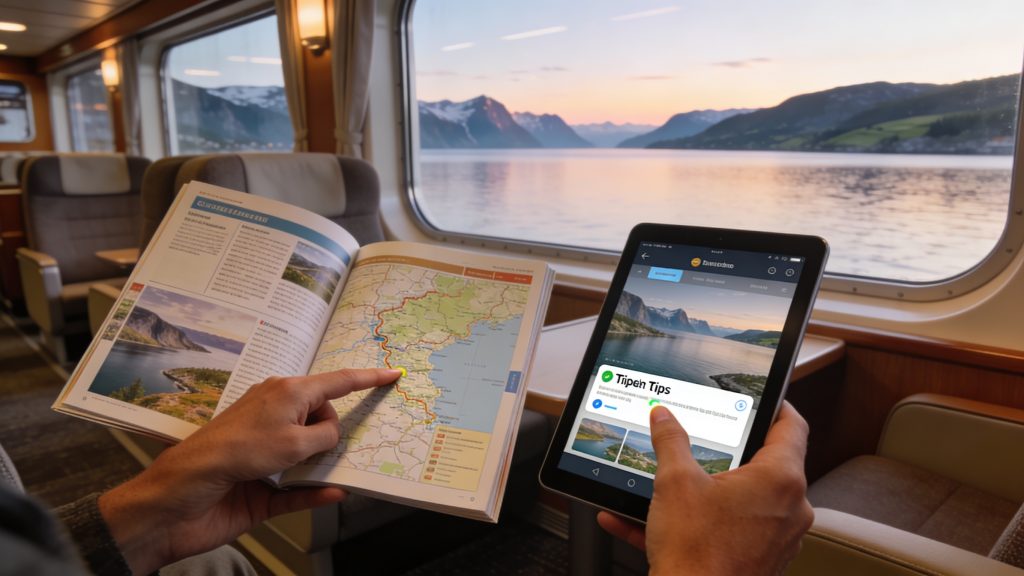
Onboard lectures and guides offer you a unique introduction to your destination. Instead of just looking at the surroundings, you understand what you are seeing. Daily talks by biologists, historians and expedition specialists help you put wildlife, climate and expedition history into context. This way you prepare for excursions and make more conscious choices during your trip. Discover how this programme enriches your holiday and what you can expect from the experts on board.
What do you learn during lectures on an expedition cruise?
The onboard lectures focus on topics that are directly linked to the route and landings. Think of marine biology, where you learn about the habitat of whales and seals. Or cultural history, where indigenous traditions and historical shipping routes are discussed. Climate change and its impact on vulnerable ecosystems also receive attention.
The experts explain what you can expect during excursions. This way you know in advance which bird species you might spot or which plants are typical of the area. This information helps you to look more closely and ask questions during zodiac excursions or walks. The lectures usually last 45 to 60 minutes, followed by a Q&A session in which you can explore specific topics in more depth.
On expedition cruises, these lectures are central to the daily programme. You often receive an overview via a cruise app or daily schedule. Popular lectures fill up quickly, so it pays to book in good time. The level of the lectures is accessible for travellers without prior knowledge, but also offers depth for those who are already familiar with nature travel.
‘ During excursions, guides ensure safety and sustainable interaction with the environment. ’
What role do guides play during the cruise?
Guides on board are certified experts with many years of experience in the area you are sailing in. Their role is twofold: they give lectures in an intimate setting such as an observation lounge, and they accompany you during field activities such as zodiac excursions and walks in remote locations.
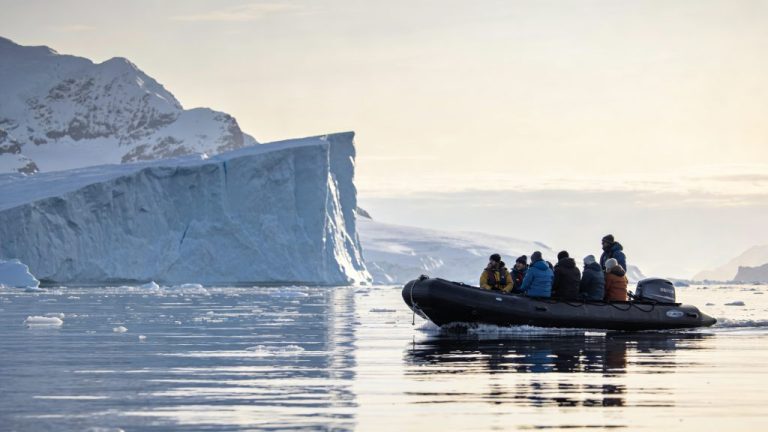
During excursions, guides ensure safety and sustainable interaction with the environment. They instruct you to keep your distance from animals, avoid sensitive vegetation and comply with local rules. Guides often carry binoculars, tablets and field guides so they can identify species on the spot. They provide real-time explanations about what you see, from the behaviour of a polar bear to the geological formation of a glacier.
One advantage of expedition cruises is the small group size during excursions. This allows for personal attention and moments to ask questions. Guides also share anecdotes about previous wildlife encounters or special events during sailings. This makes the excursions more vivid and personal.
In which language do experts on board communicate?
The main language on board is usually English. Lectures, briefings and excursions are generally held in English. This applies to most expedition cruises, regardless of the flag under which the ship sails. Some cruise lines offer additional translations in destination countries, especially when local guides come on board.
For travellers who feel less comfortable with English, it is wise to check this with the cruise line in advance. Some cruises offer German-speaking or French-speaking guides, especially on routes in Europe. In Arctic and Antarctic regions, however, English remains the norm due to the international make-up of the expedition team.
During landings and excursions in specific regions, local guides may be brought in. They speak regional dialects and offer cultural insights that English-speaking guides cannot always provide. This enriches the programme, especially during visits to UNESCO sites or indigenous communities.
How do you prepare for the lecture programme?
You can get the most out of the lectures by participating actively. Take a notebook with you to keep species lists or jot down key points. This is useful during excursions, when you can immediately apply what you have learned. Binoculars are also essential for outdoor lectures or observations from the deck.
Check the daily programme as soon as you step on board. Lectures and excursions are often announced a day in advance but may change due to weather conditions or wildlife sightings. Flexibility is important, as the programme responds to what nature has to offer.
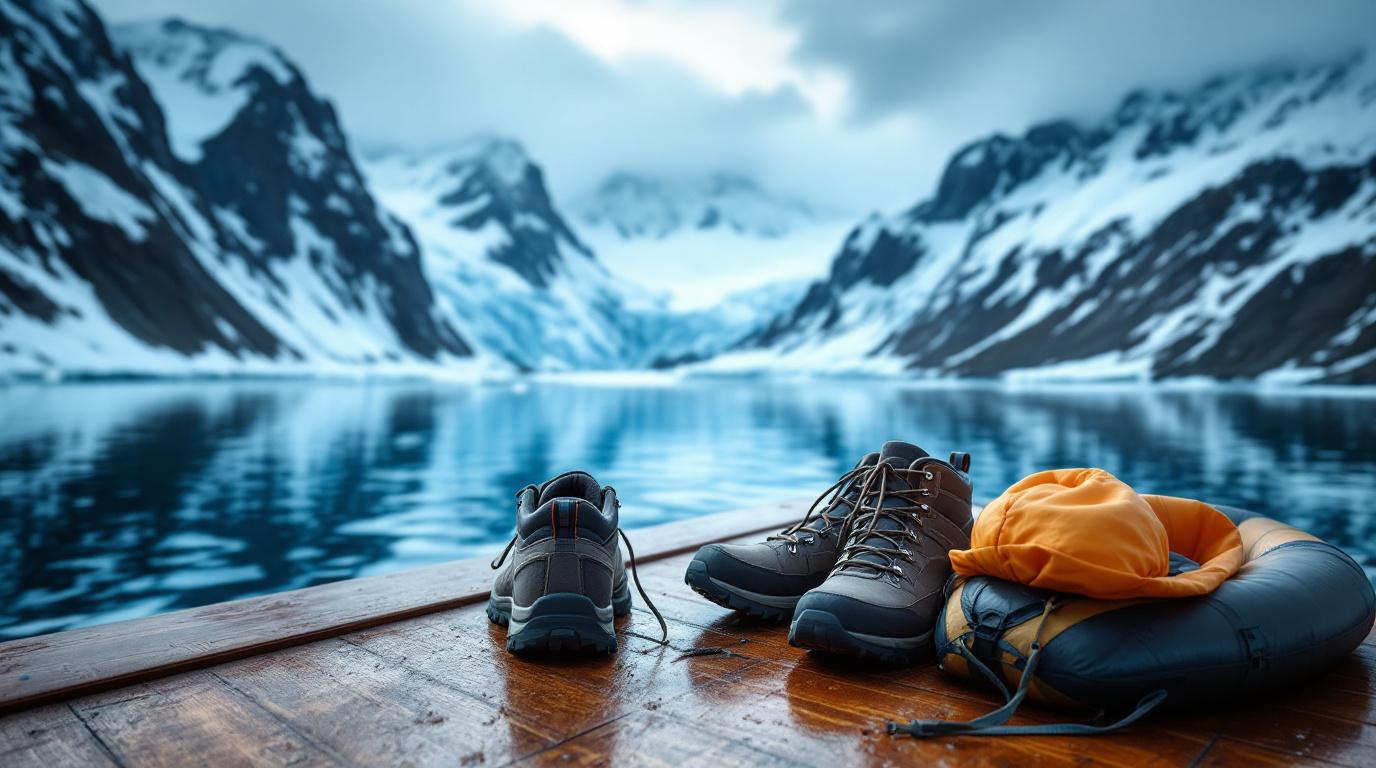
Dress in layers for outdoor lectures and excursions. Expedition cruises often sail in areas with changeable temperatures. Guides will usually advise you on what gear you need, such as rubber boots or waterproof jackets. Many cruise lines provide these on board, but check this beforehand.
‘ This makes the experience unforgettable and educational. ’
What makes the lecture programme valuable for conscious travellers?
The lecture programme sets expedition cruises apart from regular cruises. You do not just travel to a destination; you also get to know the background. This appeals to travellers who value depth and sustainability. Experts explain how to minimise your impact and why certain rules exist, such as not disturbing nesting birds.
Travellers appreciate the passion and knowledge of the guides. Many experts live or work in the regions they talk about. Their stories about rare wildlife encounters or changes in the ecosystem give you a different perspective on your journey. This makes the experience unforgettable and educational.
The sense of community on board also plays a role. Fellow travellers who attend the same lectures often share their enthusiasm and experiences during excursions. This intensifies the experience and creates space to learn from each other.
Regional differences in lectures and guiding
The lecture programme differs by region. In Arctic and Antarctic areas, the focus is on polar climate, expedition history and marine ecosystems. Guides often demonstrate zodiac skills and give instructions for landings on ice or snow. Lectures also cover the logistical challenges of historic polar expeditions.
In Northern Europe, such as along the Dutch coast or in the Scandinavian fjords, historic shipping and wetlands are central themes. Guides talk about fortified towns, river deltas and the role of water in the development of regions. During visits to UNESCO sites such as canals or islands, local architecture and nature conservation are integrated into the programme.
In tropical or subtropical regions, lectures focus on biodiversity, reefs and rainforests. Guides explain how climate change affects coral and which species are under threat. Cultural aspects, such as traditional fishing methods or indigenous customs, are also discussed.
Tips for choosing a cruise with a strong lecture programme
Choose a cruise with certified nature guides and a clear daily programme. Cruise lines that work with universities or nature organisations often offer high-quality lectures. Check in advance which experts will be on board and what their specialisms are. This will give you an idea of the depth of the programme.
Also pay attention to group size during excursions. Smaller groups offer more opportunity for interaction with the guides and a more intensive experience. This is especially important in vulnerable areas, where large groups can disturb nature.
Read about other travellers’ experiences to understand how the lecture programme works in practice. Forums and travel websites often share detailed stories about specific cruises. Look out for mentions of enthusiastic guides, flexible programmes and how well the lectures tied in with the excursions.
On the Traveler Tips website you will find much more information about cruises, routes and how to plan your holiday consciously. Discover practical tips for preparation, destinations and travelling. Explore the website and get the most out of your next trip.
Frequently asked questions
Lectures and (digital or local) guides can enrich your route with background stories about nature, history and culture, which makes your surroundings feel much more “alive”. They help you look more deliberately: you recognise species, buildings or landscape forms you would otherwise overlook. They can also point out lesser-known stops or detours that fit your interests perfectly. Finally, they support sustainable travel, because you gain a better understanding of how to treat areas and wildlife responsibly.
Digital guides in the form of cruise apps with audio commentary, downloadable audio tours and short expert videos are the most suitable while travelling, as you can consult them offline while sailing or during zodiac and shore excursions. Integrate them by following your daily schedule in the cruise app and downloading the relevant audio tracks or videos in advance for the areas you will be visiting that day. In addition, use field guides on a tablet or phone (for example, species identification apps) alongside the explanations from the expedition guide during observations. Make sure everything is on one device, with earphones at hand, so that you can quickly switch between the live commentary from the guide and your digital guide without disrupting the group experience.
Yes, there are special routes that deepen the travel experience with live guides and themed lectures, particularly on expedition-style sailings. On such routes, experts give daily lectures on, for example, nature, ecology, history and culture of the region. Field guides often also accompany zodiac trips or walks, providing real-time explanations of what you see. This type of programme is mainly found on expedition cruises and themed sailings, and less on standard ferry services or regular trains.
You can find reliable information and reviews about lectures and guided experiences mainly via the website or app of your (expedition) cruise line, where the programme, the guides’ backgrounds and previous guest ratings are often listed. In addition, you can search on major travel forums and review sites for experiences with “lectures on board” or “expedition guides” on your route and ship. Pay attention to recent reviews, the expertise mentioned for the guides (for example, biologist, historian) and whether travellers mention group size and depth. Finally, compare providers on what is included in the price (lectures, excursions, equipment) to see whether it fits your budget.
Check the daily schedule or cruise app in advance to see which lectures and guided tours are offered and whether reservations are required. If applicable, download the official cruise app and make sure you have set it up (account, language, notifications) for up-to-date information and changes. Reserve popular lectures or small-group tours as early as possible, as places are often limited. Take practical items with you such as a notebook, binoculars and suitable clothing if part of the commentary takes place outdoors.