NL
NL
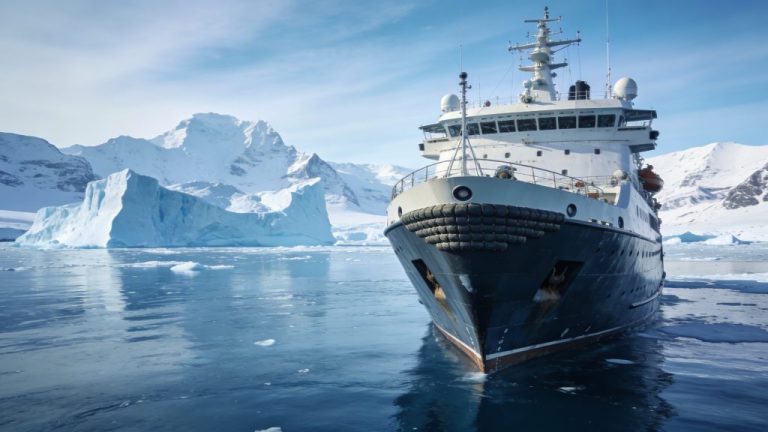
Your choice between Spitsbergen or Greenland determines the character of your Arctic journey. Spitsbergen is known for polar bears and Alpine fjords. Greenland offers gigantic glacier landscapes and Inuit culture. Both destinations offer similar facilities and challenging trips. The wildlife, landscapes and accessibility differ significantly. Which destination best matches your wishes?
Why Spitsbergen is the best choice for spotting polar bears
Spitsbergen is known for its polar bear population. More than five thousand polar bears live mainly in the north and east. It is the largest island of the Svalbard archipelago. During the summer they are observed all over the island. This makes Spitsbergen the best location if you want to see polar bears. The chance of spotting these impressive predators in their natural habitat is much greater here than in Greenland. Polar bears are rare there. They only appear occasionally on ice floes.
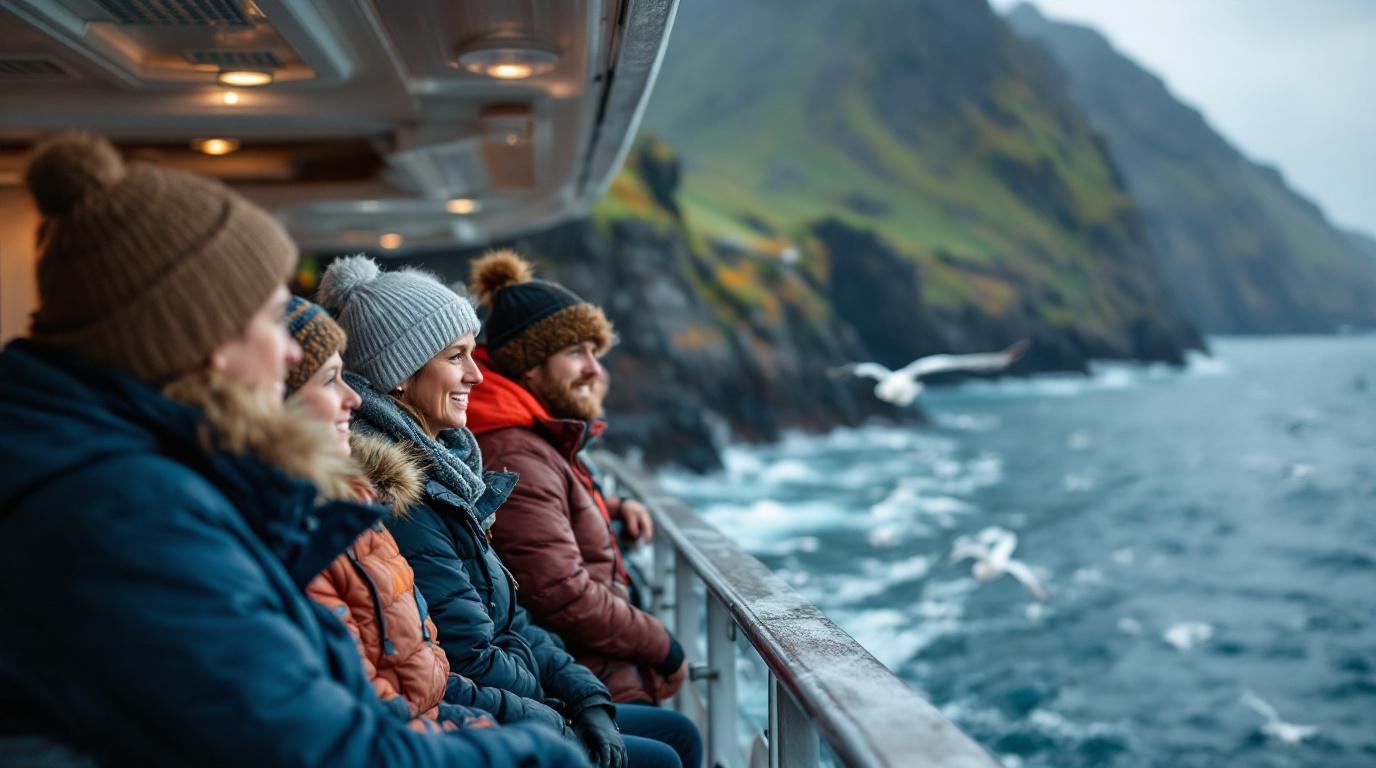
Besides polar bears, Spitsbergen also offers other wildlife experiences. You can observe whales, seals and walruses. The area attracts a variety of seabirds. They follow the ship during crossings. Expedition cruises to Spitsbergen combine wildlife observation with active nature experiences. This is done by means of zodiac trips (tours with small inflatable boats) and walks.
‘ It is the world’s northernmost permanently inhabited settlement. ’
The rugged mountain landscape of Spitsbergen
The landscape of Spitsbergen is characterised by high mountains and impressive glaciers. The Alpine fjords create a spectacular backdrop. This appeals to many mountain lovers. Bell Sound offers fascinating flora and fauna. The Alpefjord impresses with its steep mountain walls. The Gully Glacier extends deep into the fjord.
During walks through the tundra landscape you will come across wild flowers. You will also see bays and lagoons. Zodiac trips take you along ice cliffs and glaciers. There you hear the powerful sound of calving ice. Visits to research stations such as Ny Ålesund add a scientific dimension to your trip. It is the world’s northernmost permanently inhabited settlement.
Greenland for impressive fjords and culture
Greenland offers a completely different experience. It is the largest island in the world. The focus here is more on landscapes, outdoor activities and culture. Wildlife spotting plays a smaller role. The gigantic ice cap and enormous fjords create a sense of grandeur. Within Greenland, East Greenland is the best choice. This is especially true for expeditions focused on wildlife.
The Scoresby Sund is the largest fjord system in the world. A fjord system is a network of branching fjords. Imposing glaciers calve into deep-blue fjords. These are filled with impressively large icebergs. With zodiacs (small inflatable boats) you sail past these ice giants. You explore remains of Inuit settlements from around 200 years ago. The Northeast Greenland National Park forms a core area for wildlife observation. The diversity is different from that on Spitsbergen.
Which animals will you see in Greenland
The wildlife in Greenland is clearly different. You will see other animals than you see on Spitsbergen. Instead of polar bears you will see:
- Musk oxen with their characteristic long coats
- Arctic foxes that have adapted to the Arctic climate
- Arctic hares with their white winter fur
- Seals on ice floes and rock formations
- Whales such as orcas, humpbacks and minke whales
The focus in Greenland is therefore more on landscape photography and cultural encounters. Varied outdoor activities are an important part of the experience. Walks and trips through fjords offer spectacular views. Kayaking through fjords full of glaciers gives you a direct experience of the Arctic landscape. You get close to nature. Visits to small villages bring you into contact with the local population and their way of life. The houses are colourful.
‘ This makes Greenland more unpredictable. ’
Comparing reliability and accessibility
An important practical difference between the two destinations is accessibility. This concerns how easy it is to reach the destination by plane or ship. Spitsbergen is more reliably accessible. East Greenland can be more challenging. There is often a wide band of pack ice off the coast of East Greenland. Pack ice is tightly packed sea ice. The sea between Spitsbergen and Greenland forms one of the few possibilities for pack ice from the North Pole. The ice drifts southwards there.
Sometimes the pack ice is so dense that it is not possible to reach the coast of Greenland. Expeditions then have to switch to an alternative plan. This may be a different route or destination. This makes Greenland more unpredictable. Precisely because of this, it is more adventurous. This applies to travellers who are flexible with weather conditions and route changes.

Combined expeditions for the complete Arctic experience
Many expedition shipping companies offer combined trips. Expedition shipping companies are shipping companies that specialise in polar voyages. These trips include both Spitsbergen and Greenland. These routes vary in length from 14 to 23 days. As a result, you see the highlights of both areas. A typical route starts in Spitsbergen with visits to fjords and research stations. This is followed by a crossing to Greenland. There you explore the gigantic fjords.
During the crossing there are excellent opportunities for whale watching. You can also observe seabirds very well. You spend a lot of time on deck or on the bridge. You then have your binoculars and camera with you. Some routes extend to Iceland. This gives a more complete picture of the North Atlantic region. The combined option is ideal if you want to experience both polar bears and Inuit culture. You do not have to choose between the two destinations. You can experience all the Arctic highlights.
Practical matters for your polar expedition
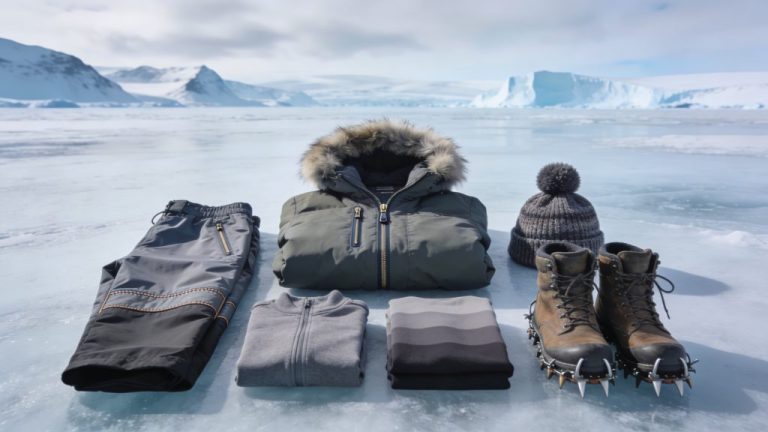
Both destinations require a reasonable level of physical fitness. This is due to walks and zodiac trips. Walks usually last between two and four hours. Heavy, waterproof clothing is essential. This applies to all activities in the cold, wet polar environment. Expedition cruises (voyages by ship with an expedition character, during which you go out exploring every day) usually include full board. You get breakfast, lunch and dinner on board.
Prepare yourself mentally for changeable weather. Route changes also occur. The weather can change quickly. Sometimes routes must be adjusted because of ice or wind. The best moments for seeing wildlife are unpredictable. They require patience and flexibility. Both destinations offer chances of seeing the Northern Lights. This depends on the season and weather conditions. Communicate your preferences for cabin allocation with the shipping company in advance. This may concern, for example, a single or shared cabin.
‘ For the most complete Arctic experience, the combined route is the best option. ’
Which destination matches your wishes?
Choose Spitsbergen if seeing polar bears is your top priority. You value reliable accessibility. The Alpine glacier landscape and the scientific research stations add extra value to your trip. The mountains and fjords create a spectacular backdrop for nature photography.
Choose Greenland if you are interested in grand landscapes. The Inuit culture also makes it worthwhile. The gigantic fjords and opportunities for cultural encounters with the local population make this a varied trip. You do, however, need to be flexible with weather conditions. Be prepared to accept alternative routes. Pack ice sometimes makes the original planning difficult.
For travellers who want to see many different Arctic animals, Greenland offers sufficient variety. This applies if polar bears are not absolutely essential. The musk oxen, Arctic foxes and various whale species are an alternative. You will not see polar bears there as you do on Spitsbergen. For the most complete Arctic experience, the combined route is the best option. You will then see both polar bears and Inuit villages and large fjords.
On the Traveler Tips website you will find a lot more information about polar journeys. There are also practical tips for planning your Arctic trip. Expedition cruises are voyages by ship during which you go on expedition every day to ice regions and remote coasts. You will find information about other Arctic destinations. Discover which preparations you need to make and which equipment is indispensable for your polar expedition.
Frequently asked questions
For an expedition to Spitsbergen or Greenland you need, unlike for a self-drive holiday, good physical fitness and mental resilience because of zodiac trips, rough terrain and highly changeable weather conditions. You must invest specifically in expedition clothing: heavy, water- and windproof layers, polar gear and protection for camera and equipment against cold and moisture. In addition, an expedition requires more safety and emergency preparation (knowledge of polar conditions, emergency plans, any personal medication and seasickness precautions). Finally, you must take into account logistically limited accessibility, pack ice and possible route changes, which makes flexibility and extra time in your schedule essential.
Plan fixed, short logistical routines: comfortable, heated accommodation on the ship as a base, with a clear daily rhythm for meals, landings and rest periods. Use stable, covered or partly sheltered zodiacs and ensure a dry flow-through (for example, clear changing areas, warming drinks after each trip). Keep activities small-scale and modular (choice between easy walks, more intensive hikes, kayaking or observation only from the deck) so that everyone can experience the trip at their own level. Strengthen the experiential aspect with guides who briefly explain on the spot what you are seeing, build in quiet observation moments and organise reflection sessions or photo reviews in the evening.
The main cost items are the price of the expedition cruise itself (ship class, cabin category, route and duration), international flights and any domestic flights, equipment/clothing and insurance (medical, repatriation, cancellation, expedition sports). Spitsbergen is often shorter, logistically simpler and therefore relatively cheaper than Greenland, where longer routes, more sea days and more complex ice conditions push up the price. You can budget smartly by booking outside the absolute high season, choosing a lower cabin category, booking early (early booking discount) or, conversely, booking at the last minute, and selecting more expensive options such as helicopter flights or kayak programmes selectively, only if they really add value for your interests. For optimum value for money, choose Spitsbergen if you mainly want to see polar bears and many landings per euro, and Greenland if you are prepared to pay a little more for spectacular fjords, culture and longer, landscape-focused trips.
Spitsbergen offers rugged mountain landscapes, dramatic glacier fjords and the greatest chance of spotting polar bears, which makes it ideal if you are looking for adventure in the form of wildlife and remote polar wilderness. Greenland surprises with gigantic fjords, immense ice caps, colourful villages and cultural contact with the local population, with more emphasis on landscapes and trips such as hiking and kayaking than on polar bears. If you want the maximum chance of seeing animals (especially polar bears) and relatively well accessible expedition routes, Spitsbergen is the better choice. If you want overwhelming fjords, more expansive tundra, culture and a touch of unpredictable, rougher expedition adventure, then choose Greenland.