 NL
NL
Ships with low fuel consumption, waste separation and strict IAATO regulations minimise the environmental impact of expedition cruises. The emissions of the cruise sector account for less than 1% of global emissions, and expedition operators are strongly committed to green technology and a net-positive impact by 2035. This makes travelling to fragile polar regions more responsible than you might think. The question is: how sustainable are these trips really and what can you do yourself when booking?
Are expedition cruises sustainable?
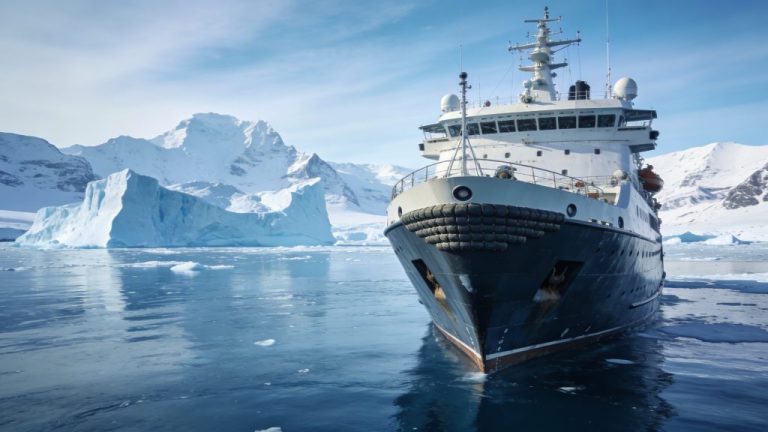
The sustainability of expedition cruises depends heavily on the type of ship and the operator’s strategy. Modern expedition ships are designed with environmentally friendly systems that significantly reduce emissions, waste production and energy consumption. The m/v Hondius, for example, was designed to be green from the outset, with flexible energy management systems and new engines that reduce fuel consumption. LED lighting, steam heating and biodegradable paint keep CO₂ levels low and meet strict emission standards.
Water savers reduce drinking water consumption and wastewater emissions by 35%. This is important because ships generate their own fresh water supply from desalinated seawater. Sailing more quietly also protects fragile ecosystems where marine mammals depend on sonar communication. All this is achieved without compromising on luxury suites and gastronomy on board.
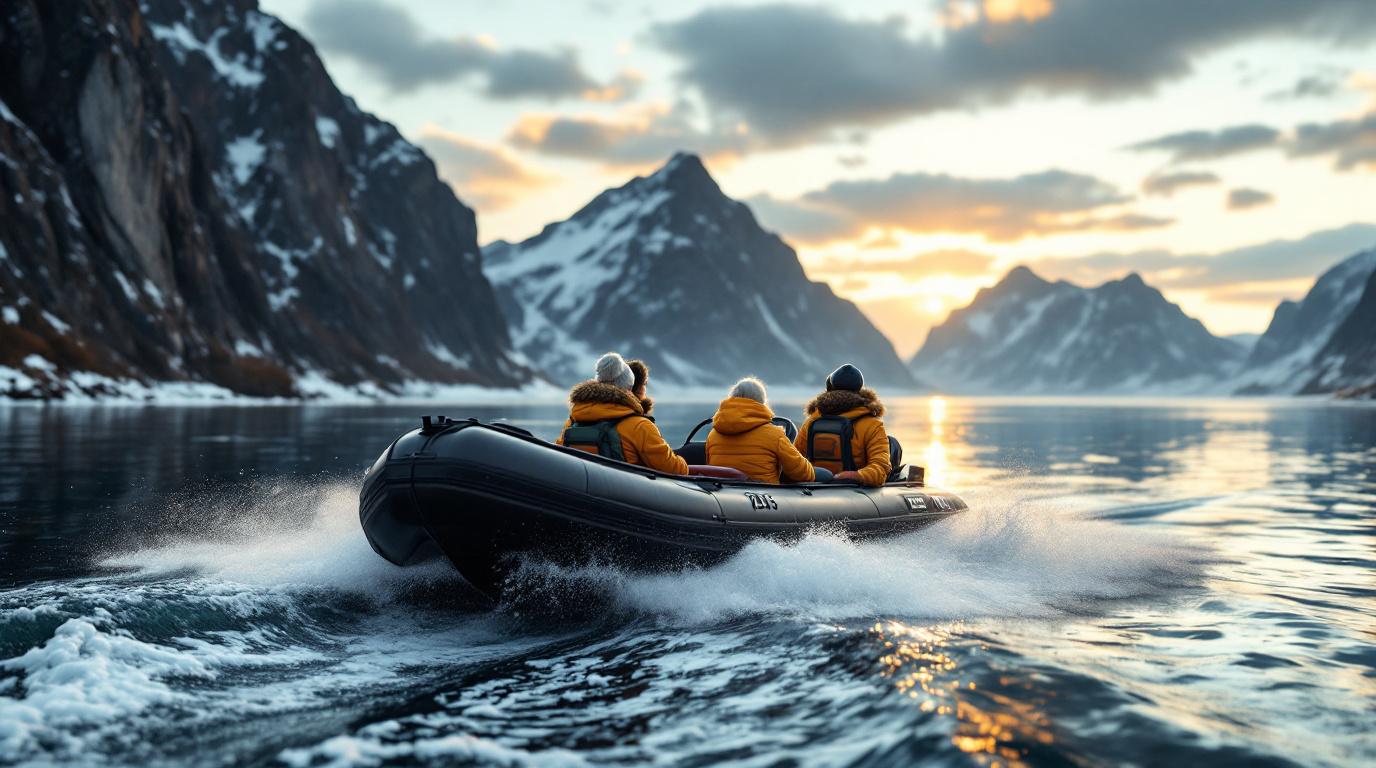
Small-scale ships with 33 passengers or fewer play a major role in limiting crowds in sensitive areas. Fewer people means less disturbance of local fauna and flora. Larger ships bring more people ashore via Zodiac boats, which increases the pressure on popular landing sites.
‘ This adds extra meaning to your trip and directly contributes to preserving fragile areas. ’
Environmental regulations for polar cruises
Polar regions are subject to strict international regulations that restrict expedition cruises. IAATO (International Association of Antarctica Tour Operators) is an industry organisation that sets guidelines for Antarctic travel. These rules determine, for example, how many people may go ashore at the same time, how close you may get to wildlife and how waste is processed. Ships must comply with these guidelines in order to gain access to certain areas at all.
The Polar Pledge emphasises the responsibility of operators and travellers in polar regions. The focus is on education and preserving the natural environment. Ships may not discharge any waste overboard and must process everything on board or take it to ports with suitable facilities. There has also been a ban on heavy fuel oil in Arctic waters since 2024, which reduces pollution in the event of incidents.
Expedition operators work with universities to monitor ecosystems. Travellers sometimes contribute to scientific research by sharing observations. This adds extra meaning to your trip and directly contributes to preserving fragile areas.
Green choices when booking an expedition cruise
When you book an expedition cruise, you are already making a difference by choosing consciously. Opt for small-scale operators that are transparent about their environmental strategy. Check whether the operator has an ESG strategy. ESG stands for Environment, Social and Governance – environmental, social and governance criteria for responsible business. This shows that sustainability, social responsibility and good governance are embedded.
Pay attention to the following features when comparing providers:
- Ships with advanced technology such as flexible energy management and modern engines
- Use of biodegradable products and reusable bottles on board
- Participation in offset programmes such as reforestation projects
- Opportunities to take part in voluntary clean-up excursions during the trip
- Educational programmes with experts and lectures on local ecosystems
Concrete measures against environmental impact
Tour operators are taking concrete steps to reduce their footprint. The abolition of single-use plastic has become a standard measure. On board you receive a reusable bottle that you fill with filtered and desalinated seawater. This significantly reduces plastic waste.
Offsetting scope 1 emissions via reforestation projects is another measure. Scope 1 concerns direct emissions from the ship itself, such as fuel combustion. Many operators aim for full offsetting by 2035. Clean-up activities by volunteers, including tourists, remove plastic and microplastics from beaches and coastal areas during excursions.
Waste management on board is of a high standard. Waste is separated into paper, plastic, organic waste and residual waste. Organic waste may be discharged overboard under certain conditions, but only at a considerable distance from the coast and after treatment. Hazardous waste and plastic are always kept on board until the next port.
‘ This experience is ideal for conscious explorers who want to learn and contribute to conservation. ’
Education and guidance during the trip
Experts guide you through nature experiences on expedition cruises. Lectures, snorkelling trips and walks provide information about local culture, history and ecosystems. Guidance from biologists, geologists and historians ensures intensive, respectful interaction with remote destinations. This increases your understanding and appreciation of fragile areas.
Engaged travellers benefit from educational programmes that put respect for wildlife centre stage. You learn how to observe animals without disturbing them. Minimum distances to penguins, seals and whales are strictly enforced. This experience is ideal for conscious explorers who want to learn and contribute to conservation.
Practical tips for a sustainable expedition cruise
Take part in voluntary clean-up excursions to contribute directly to the preservation of the areas you visit. These excursions are often optional and take place at specific locations where waste is a problem. Fill your reusable bottle with ship’s water and avoid single-use items such as plastic cups and straws.
Book itineraries with a community feel for like-minded travellers. Arctic and Antarctic expeditions often attract travellers with a similar interest in nature and sustainability. This makes the experience more intense and more enjoyable. Choose operators that work with local communities and support their economies through excursions and local guides.
Check before departure whether you have all the necessary information about codes of conduct in polar regions. Operators usually provide a comprehensive guide with do’s and don’ts. Stick to these strictly to avoid disturbance.
Luxury without environmental pollution
Travellers enjoy luxury without compromising the environment. Explore unspoilt landscapes by Zodiac boat, spot wildlife safely and learn from experts. Small scale creates intimate groups, perfect for families or solo travellers. In polar regions, taking part in research helps make your trip meaningful, with positive contributions to future conservation.
The combination of comfort and responsibility makes modern expedition cruises unique. Gastronomy on board is becoming increasingly sustainable, with seasonal ingredients and less food waste. Some ships even grow their own herbs on board. This increases quality and lowers the ecological footprint.
‘ there you’ll find reliable information to help you make conscious choices. ’
Discover more about sustainable travel
On the Traveler Tips website you will find much more information on sustainable travel, routes to special destinations and practical tips for your preparations. Whether you are planning a road trip or a train journey through Europe, there you’ll find reliable information to help you make conscious choices. Discover more and plan your next trip even smarter.
Frequently asked questions
Look for concrete measures and certifications: a truly sustainable expedition cruise reports transparently on emissions, wastewater, plastic reduction and has a demonstrable ESG strategy or independent eco-labels. Choose small ships with modern, efficient engines, water-saving systems, no disposable plastic and clear rules around wildlife and shore excursions. Sustainable operators generally offer educational programmes, scientific collaboration and voluntary clean-up actions instead of just marketing talk. Be especially critical if “green” appears mainly in slogans and imagery but not in measurable targets, annual reports and concrete technology.
An expedition cruise sails with small-scale, environmentally friendly ships with efficient engines and water-saving systems and, for example, LED lighting and biodegradable paint, and it eliminates disposable plastic. On board, reusable bottles are filled with desalinated seawater and waste is carefully processed to limit pollution and emissions. Travellers receive education about nature, culture and wildlife, and excursions take place under the guidance of experts so that ecosystems are not disturbed. In addition, there are often clean-up actions, scientific collaboration and attention to ESG policy to actively support local communities and nature.
A sustainable expedition cruise is often more expensive because there is investment in modern, energy-efficient ships, advanced waste and water treatment systems and emission reduction technology. In the itinerary, there is usually more focus on small-scale landings, limited group sizes and sometimes extra time for research or clean-up activities. The experience differs in that sustainable cruises focus strongly on education through lectures, science and involvement in nature conservation, rather than purely on comfort and entertainment. The overall atmosphere is also more geared towards conscious, like-minded travellers who care about impact and ecology.
Useful starting points are labels and memberships such as AECO (Association of Arctic Expedition Cruise Operators) and IAATO (International Association of Antarctica Tour Operators), which apply strict environmental and behavioural codes. You can also look at independent sustainability or ESG reports from the shipping company, in which CO₂ reduction, waste policy and water management are substantiated. In addition, certifications relating to emission standards, wastewater and fuel consumption (for example IMO or comparable maritime environmental standards) are relevant when making your choice. Finally, independent reviews and assessments by nature and environmental organisations can help to verify claims of sustainability.