NL
NL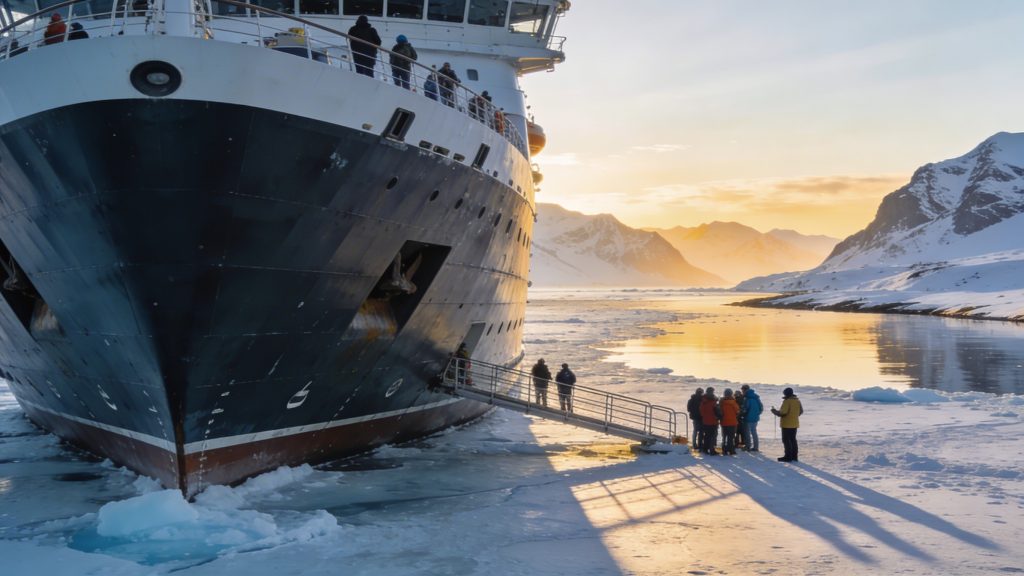
An expedition cruise to Antarctica, the Arctic or other remote destinations starts at around 5,000 euros per person for a trip of 10 to 18 days. This price includes all excursions and meals on board, but excludes international flights. The actual costs vary greatly depending on the destination, travel period and type of ship. Want to know exactly what this price depends on and what you get in return? Then read on.
What determines the price of an expedition cruise
The cost of an expedition cruise is determined by several factors. The destination plays an important role. A cruise to Antarctica is generally more expensive than a trip to Spitsbergen or Greenland, because the distance is greater and access is more limited.
The season also makes a difference. Most expedition cruises sail during the short polar summer season, when demand is high. If you are flexible with travel dates, you have a better chance of getting more favourable fares. This applies especially to trips at the start or end of the season. The length of the trip also plays a role. A standard 10-day trip is cheaper than an extended trip of 18 days or longer.
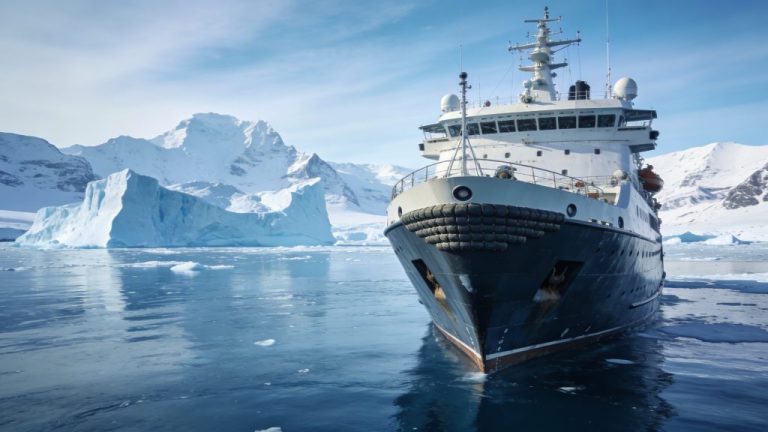
The size and type of ship also determine the price. Small expedition vessels with fewer than 100 passengers offer a more intimate experience and better access to remote areas, but are often more expensive per person. Larger ships with up to 200 passengers are generally more affordable.
‘ The Antarctic season runs from November to March. ’
What does an Antarctica expedition cruise cost
Antarctica is at the top of many travellers’ bucket lists, but it is also the most expensive expedition destination. A standard 10 to 12-day trip to the Antarctic Peninsula costs between 7,000 and 12,000 euros per person. These trips depart from Ushuaia in Argentina. The price is for a basic cabin and varies greatly depending on the ship and its facilities.
For a more luxurious experience with larger cabins, better service and more extensive activities you will easily pay 15,000 to 25,000 euros. Longer routes also visit the Falkland Islands, South Georgia or even the Ross Sea. These start from 15,000 euros. For trips of three weeks or longer you will pay more than 30,000 euros.
The Antarctic season runs from November to March. Trips at the beginning of the season are often slightly cheaper than trips in January and February, when wildlife activity is at its peak.
Price differences between Arctic and Antarctic trips
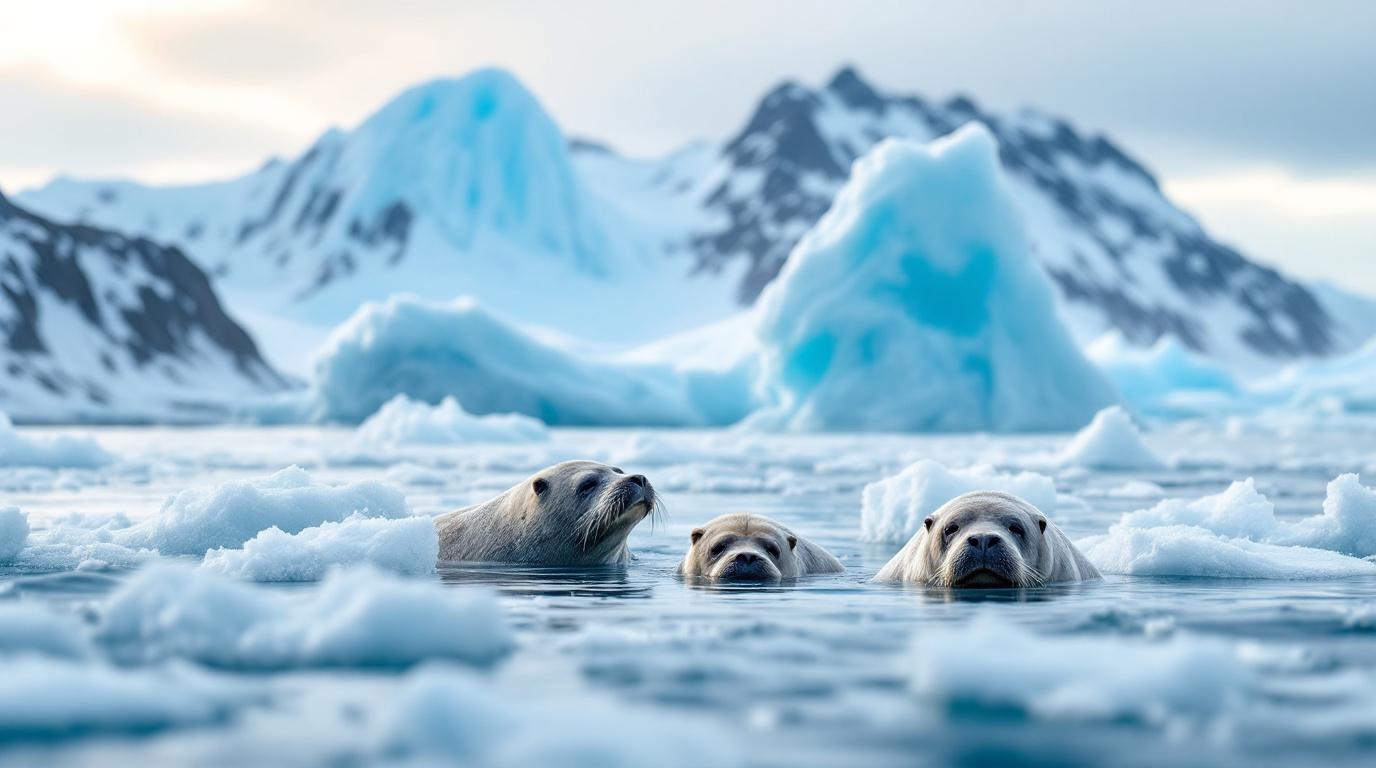
The Arctic offers more variety in destinations and prices. An expedition cruise to Spitsbergen costs on average between 5,000 and 9,000 euros for a trip of 7 to 12 days. These trips usually depart from Longyearbyen and explore the fjords, glaciers and wildlife of this Norwegian archipelago.
Greenland is also a popular Arctic destination. Trips there usually cost between 5,500 and 10,000 euros for 10 to 14 days. Prices are similar to those for Spitsbergen, but can be higher for routes that also visit Iceland or the Canadian Arctic islands.
Arctic trips are 20 to 40 percent cheaper than comparable Antarctica expeditions. This is because the Arctic region is easier to reach and the season is longer, from April to September. The lower demand and better accessibility keep prices down.
What is included in the price
The majority of expedition cruises operate on an all-inclusive basis. This means most of your meals, excursions and activities are covered. The following items are almost always included:
- All meals and drinks on board, including breakfast, lunch, dinner and snacks
- All zodiac excursions and landings with experienced guides
- Lectures and presentations by experts in biology, geology and history
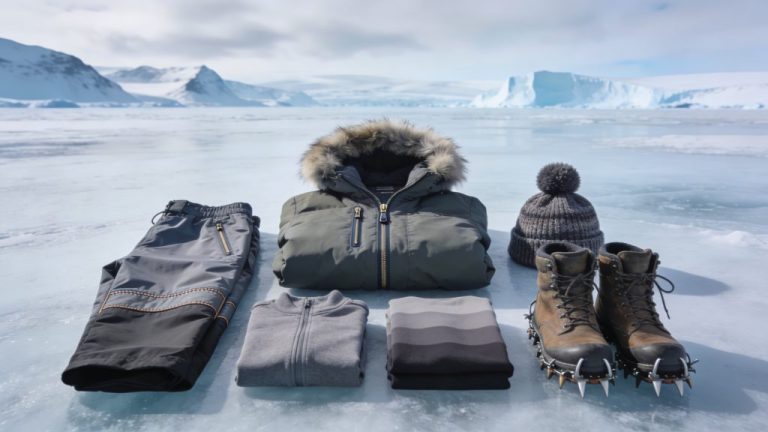
- Use of rubber boots and waterproof jackets during the trip
- Port charges and environmental fees
Some premium cruises are even more inclusive. Think of alcoholic drinks, special activities such as kayaking or snowshoeing, and even photography courses with professional guidance. Always check the terms and conditions for each cruise line, as there are differences.
‘ Travel insurance is compulsory for expedition cruises and costs between 100 and 300 euros, depending on your cover. ’
What is not included in the price
The biggest cost item you need to arrange yourself is the international flight to the cruise departure point. For Antarctica this usually means a flight to Ushuaia in Argentina, which from the Netherlands quickly costs 800 to 1,500 euros return. For Arctic trips you fly to Longyearbyen, Reykjavik or another northern airport.
Accommodation before or after the cruise is also almost always at your own expense. It is sensible to stay at least one night in the port city before departure, in case your flight is delayed. This can cost 100 to 200 euros per night, depending on the location.
In addition, there are smaller costs such as tips for the crew, which average 10 to 15 euros per person per day. Travel insurance is compulsory for expedition cruises and costs between 100 and 300 euros, depending on your cover. Some cruise lines offer extra activities such as kayaking, diving or helicopter flights. You pay for these separately.
Tips for saving costs
Booking early often gives you a discount. Many cruise lines offer early booking discounts, sometimes up to 20 percent off the standard price. If you book a year or more in advance, you can benefit from this discount. You also have more choice of cabin categories.
Booking last minute can also be interesting, but is more risky. Sometimes cruise lines offer unsold cabins at a discount in the weeks before departure. This works particularly well for Arctic trips, where there is more supply. For Antarctica it is more difficult, because these trips are usually fully booked months in advance.
Flexibility in travel date and destination also helps. Trips at the start or end of the season are often cheaper. There are also less popular routes that offer better fares. Think of trips to the Russian Arctic or the Canadian Arctic islands. These are cheaper than the classic Antarctica and Spitsbergen trips.
What do you get out of an expedition cruise
The costs of an expedition cruise may seem high, but the experience is unique. You visit places that only a few thousand people see each year. You sail through ice fields, spot polar bears or penguins in their natural habitat and go ashore in places without human habitation.
The small-scale ships and expert guides make the difference. You get several zodiac excursions every day, bringing you close to wildlife and allowing you to explore remote landscapes. On board there are biologists, geologists and polar researchers who teach you about the environment.
For many travellers, an expedition cruise is a once-in-a-lifetime experience that stays with them for years. Unspoilt nature, wildlife and personal guidance make this trip valuable. Those who consciously choose this form of travel know that the costs are in proportion to the unique experience.
‘ Discover how to prepare your next trip smartly and consciously. ’
Discover more about expedition cruises
On the Traveler Tips website you will find much more information about planning special trips. From practical tips on choosing the right destination to advice on the best time to travel and the equipment you need. Discover how to prepare your next trip smartly and consciously.
Frequently asked questions
A realistic starting price for an expedition cruise is generally (depending on destination, duration and season) significantly higher than for regular ocean cruises, because these are small-scale, specialist trips. Usually, the basic price includes all meals on board. Often, expert lectures and the use of zodiacs for landings and excursions are also included as standard. Extras such as international flights, tips, drinks and special excursions, on the other hand, may still be charged separately.
The total price of an expedition cruise is mainly influenced by the destination, because remote or polar regions are more expensive logistically. The travel period and season also play a major role, with higher prices during peak periods. In addition, the duration of the trip and the size/comfort level of the ship make a big difference to the cost. Finally, whether excursions, meals and guides are included or not affects the final price.
Yes, there can be hidden costs or optional excursions that noticeably increase the total trip price, for example special zodiac trips, shore excursions or activities accompanied by a guide. Not all excursions are always included in the basic price. Therefore, always check carefully what is included in the price (meals, excursions, guides, tips, transfers). Explicitly ask the operator for an overview of all possible extra costs and optional activities.
An expedition cruise is generally considerably more expensive than a regular cruise, because the ships are smaller, specialised guides are on board and many excursions are included. Compared with a self-organised adventure trip to similarly remote areas, the total costs are often the same or higher, but an expedition cruise includes more logistics, guidance and excursions. As a result, you usually pay more per day and per experience than on a regular cruise, but you get a more intensive and specialised programme.
Book early for popular destinations with limited capacity and compare several specialist operators to get insight into price and included services. Be flexible in travel period and route, because departures outside the high season are often cheaper for a similar experience. Pay close attention to what is included (excursions, guides, clothing, tips) so you can objectively compare total travel costs and value for money. If in doubt, choose a slightly more expensive operator with better guides and smaller groups, as this greatly enhances the experience and therefore the value.