 NL
NL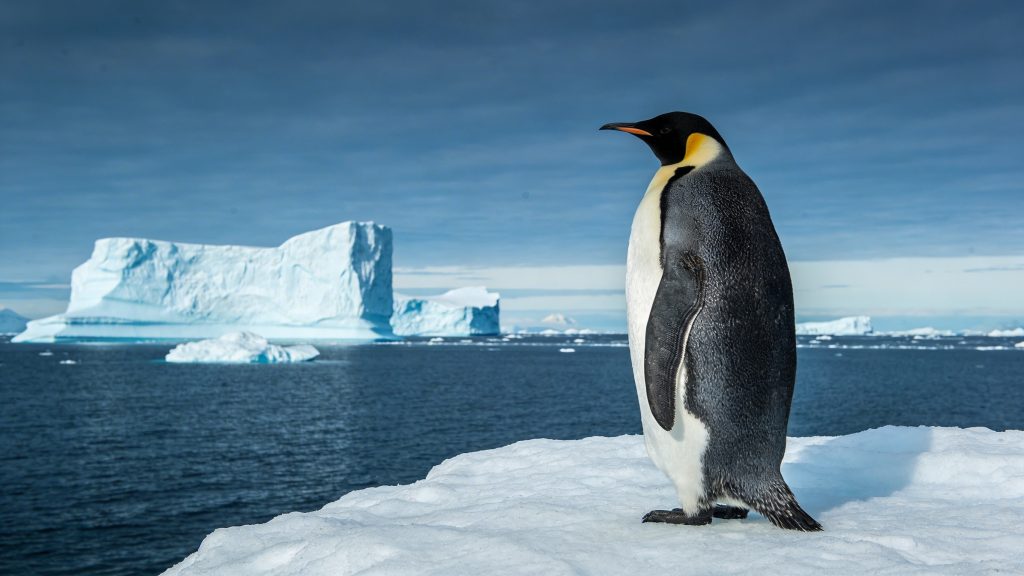
An Antarctic expedition gives you the chance to observe penguins, humpback whales and Weddell seals up close in one of the most remote regions in the world. From Zodiac boats you gain access to this unique wildlife. Experts explain the animals’ behaviour and their habitat. A well-prepared expedition cruise ensures a remarkable experience. Read on to discover how to plan this expedition in the best possible way.
When and where to spot wildlife
The Antarctic summer lasts from November to March. Millions of animals gather then along the Antarctic Peninsula and the surrounding islands. Penguins, whales and seals come to the coast. This period offers the best chances to observe wildlife.
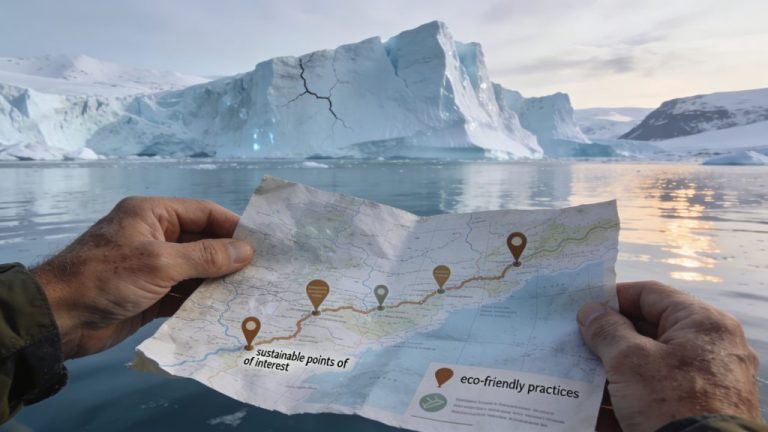
The Antarctic Peninsula is the main area for spotting animals. Bays such as Charlotte Bay are home to large numbers of gentoo penguins, Weddell seals and humpback whales. The South Shetland Islands and the Melchior Islands are known for chinstrap penguins, crabeater seals, leopard seals and whales swimming through the Neumayer Channel. On expedition cruises, these locations are standard parts of the itinerary, with the exact stops depending on weather conditions and sea ice.
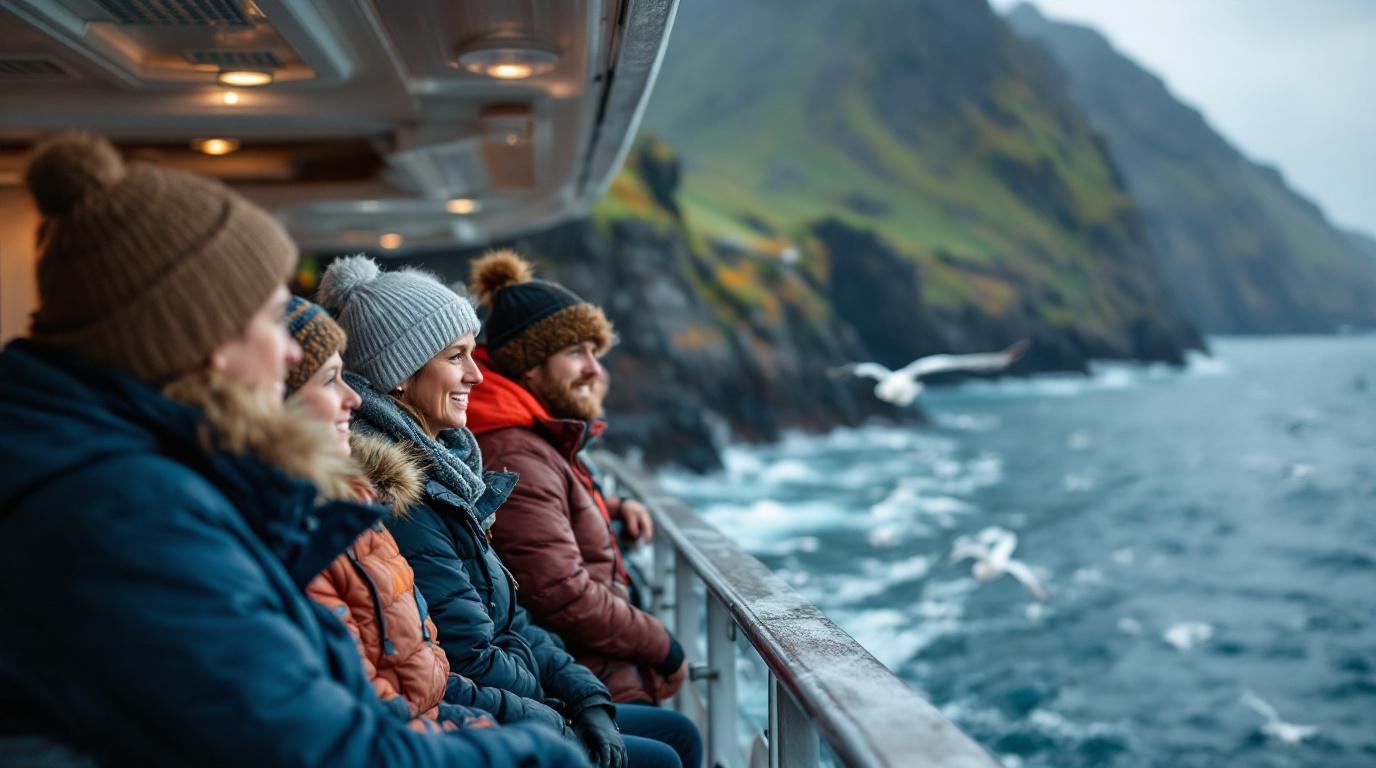
During the crossing of the Drake Passage (the strait between South America and Antarctica) you can spot seabirds from the deck. Albatrosses, Cape petrels, fulmars and blue petrels follow the ship and offer plenty to see for bird lovers. The expedition team often organises presentations on board, helping you to recognise the different species more easily.
Which animals can you see in Antarctica
Wildlife in Antarctica is abundant. You will see different species, each with its own behaviour and habitat. The following animals are the ones you will encounter most often:
- Penguins: You can see five species of penguin: Adélie, chinstrap, gentoo, macaroni and emperor. Colonies with thousands of animals breed on snow-free beaches and islands. Curious penguins sometimes waddle to within a few metres, but you must follow the IAATO guidelines (the industry association for Antarctic tour operators), which prescribe a minimum distance of five metres.
- Seals: Weddell seals, crabeater seals, leopard seals and fur seals rest on the ice or hunt in the waters around the peninsula. Leopard seals are predatory and must be observed from a safe distance.
- Whales: Humpback and minke whales migrate to Antarctica to feed. Zodiac boats take you close to them in bays and channels. Some expeditions focus specifically on whale watching.
- Seabirds: Great, grey-headed, black-browed and sooty albatrosses follow the ship during the crossing. Fulmars and skuas are also regularly seen.
The Antarctic Peninsula has the mildest coastal climate. The ocean there is rich in food. That is why you find the greatest variety of species here. Other regions in Antarctica are harder to reach and offer less wildlife diversity.
Chances of spotting whales
The chances of seeing whales on an Antarctic expedition are high, especially in the middle of the season, between December and February. Humpback and minke whales come to Antarctica to feed in the krill-rich waters. You often see them during Zodiac excursions in bays and channels, where they can approach the boat quite closely.
Whales are migratory animals. Their presence varies from day to day and place to place. The expedition team constantly scans the surroundings and adjusts the route to give you the best viewing opportunities. Some travellers choose an expedition with a dedicated focus on marine mammals, where whale watching is a priority in the schedule.
During Zodiac excursions you sometimes hear the sounds of whales underwater. Experts on board explain the differences between the species. You can recognise them by their blow pattern and body shape. It is possible to take photos from the Zodiac, but hold your camera firmly and use a good zoom so you do not disturb the animals.
Practical tips for observing wildlife
A successful wildlife trip requires good preparation. The right gear and knowledge will give you a better experience. Here are some concrete tips to help you get the most out of your expedition:
- Clothing: Wear several layers for temperatures between -2°C and 5°C. Waterproof trousers and boots are essential for Zodiac landings on beaches and ice floes. Most expeditions provide boots, so check this in advance.
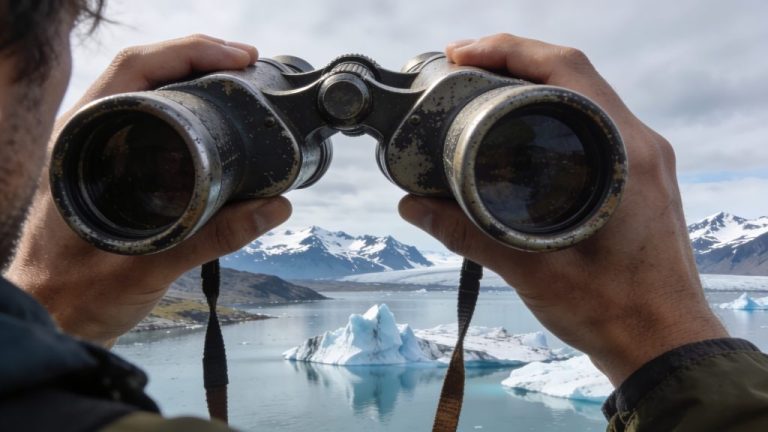
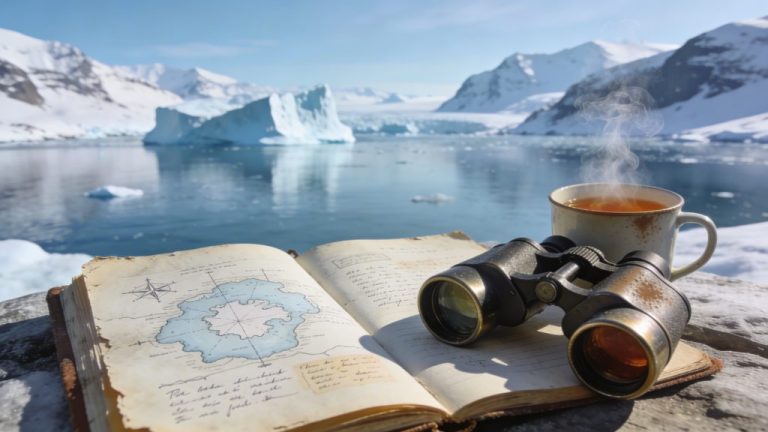
- Binoculars and camera: Bring good binoculars for bird and whale watching from the deck. A camera with a zoom lens of at least 200 mm is ideal for photographing animals. Cold conditions drain batteries quickly, so pack several spare batteries and keep them warm in inner pockets.
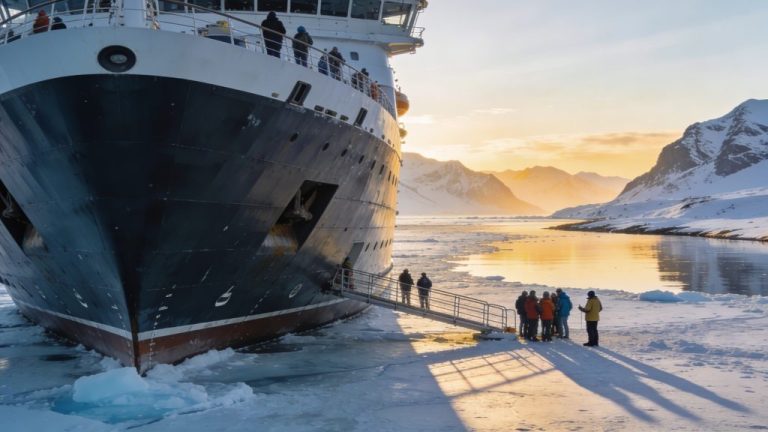
- Zodiac excursions: Zodiac boats take you close to whales, seals and icebergs. Listen to the guides’ instructions and stay seated while the boat is moving. Be prepared for waves and spray coming into the boat.
- Landings: During landings on beaches and islands you stand close to penguin colonies. Keep at least five metres’ distance from the animals and follow the expedition team’s instructions. Do not touch animals and do not leave any litter in nature.
- Flexibility: The weather and the amount of ice determine the daily route. A landing can be cancelled or moved to another location. This is normal and part of a responsible expedition.
The expedition team consists of biologists, seafarers and polar experts. They give daily lectures on identifying animals, as well as geology and history. These presentations help you understand the wildlife better and enrich your observations during the excursions.
‘ Take only photos, leave only footprints. ’
Observation etiquette and nature rules
Antarctica is a protected area with strict rules to preserve nature. All expedition cruises fall under the guidelines of IAATO, the International Association of Antarctica Tour Operators. These rules apply to all travellers and guides.
You must keep at least five metres’ distance from animals. If an animal approaches you, stay still and slowly step back. Feeding, touching or chasing wildlife is prohibited. The expedition team designates quiet zones. There you observe without moving or making noise, so that breeding animals are not disturbed.
Take only photos, leave only footprints. You do not take anything from the continent, not even stones or penguin feathers. All waste stays on board and is processed on the mainland. These rules ensure that Antarctica remains intact for future generations and that animals are not disturbed in their natural behaviour.
How to prepare for your trip
It is best to book an Antarctic expedition well in advance. The high season runs from December to February. Expedition cruises usually depart from Ushuaia in Argentina and last between ten and twenty days. Some expeditions have a specific theme, such as whale watching or marine mammals, spending more time on those particular animals.
Vaccinations are not compulsory for Antarctica. Travel insurance is essential, though. Choose a policy that covers medical evacuation by plane or ship and that arranges repatriation to your home country. The remote location and lack of medical facilities make this cover important. Also check whether optional activities such as kayaking, camping or diving are included or have to be booked separately.
Physical training is not strictly necessary. A basic level of fitness is helpful for walks over uneven ground with snow and rocks. Sometimes you walk over rough terrain. Discuss any limitations in advance with the expedition organiser.
Discover more on Traveler Tips
Start planning your expedition today and prepare for an experience you will never forget.
Frequently asked questions
First determine your budget and compare ships by size and comfort: small expedition ships are often more expensive per day but offer more intensive landings, while larger ships are more affordable but go ashore less frequently. Next, look at the comfort level (cabin category, with/without balcony, included clothing, quality of meals) and decide how much luxury you really need given your budget. Then filter by travel period and route: early-season trips (Nov–Dec) usually offer more snow and breeding penguins, later trips (Jan–Mar) more whales and young penguins. Finally, choose a company with a strong expedition team and a clear focus on your wildlife interests (e.g. whale specials, penguin colonies, seabirds), and read reviews to see whether they deliver on that promise.
The best time to travel if you want to spot the most diverse wildlife is during the Antarctic summer, roughly from November through to March. In this period penguins are breeding in huge numbers, seals are easy to see on the ice and whales appear in large numbers in the food-rich waters. Popular route options include the classic expedition cruise from Ushuaia to the Antarctic Peninsula, often combined with the South Shetland Islands. Along the way you usually sail via the Drake Passage and visit bays and islands such as Charlotte Bay, Neumayer Channel and Danco Island.
Essential preparations include layered clothing for -2°C to 5°C (thermal base layer, insulating mid-layer, wind- and waterproof outer layer), plus waterproof trousers and sturdy, warm boots for Zodiac landings. Also bring accessories such as thick gloves, hat, neck warmer, UV sunglasses, sunscreen, binoculars, a camera with extra batteries and, optionally, a dry bag. Arrange comprehensive travel insurance with medical evacuation and repatriation, as you will be in a very remote area. Check your general health and any medication in advance, and consult a doctor if in doubt about travelling at sea and in cold conditions.
Choose providers with a strong safety record, experienced expedition teams, membership of relevant industry organisations (such as IAATO) and many recent, independent reviews. Check whether they operate small ships, have clear wildlife guidelines and employ well-trained guides. Compare all-inclusive packages for what is truly included: excursions (Zodiacs, landings, lectures), specialist activities (e.g. kayaking), equipment, tips and any surcharges or port fees. Then compare the total price per day, the programme and the included activities side by side to make an objective choice.