
 NL
NL
Sustainable cruises: choose a cruise with less environmental impact
Sustainable cruises are no longer a thing of the future, but a reality available to conscious travellers. Cruise ships are taking steps towards a smaller footprint. They do this with new fuels, shore power in ports and advanced purification systems on board. Each new ship is on average twenty per cent cleaner than its predecessor. Cruise lines are investing in concrete plans for zero-emission sailing. This way, you can make a responsible choice when booking your next cruise.
Why sustainability in the cruise industry matters now
The cruise industry is growing fast. In 2025, 310 ships worldwide are expected to welcome 37.7 million passengers. In the Netherlands, a record number of 128,000 people took a cruise in 2024. As a result, sustainability is becoming increasingly important. More passengers means a bigger impact on ecosystems, air quality and local communities. At the same time, regulation is driving cruise lines to innovate. Since January 2024, cruise ships in the European Union have had to pay for every tonne of CO₂ they emit. This encourages investment in cleaner technology.
Travellers who plan their holiday consciously now have concrete choices. You no longer have to choose between a cruise or the environment. With the right information, you can find sustainable ships and cruise lines.
‘ Large numbers of day trippers can put too much pressure on vulnerable destinations, with consequences for infrastructure and quality of life. ’
The hidden environmental costs of cruises
Cruise ships consume large quantities of fuel and produce emissions of CO₂, nitrogen oxides, sulphur oxides and particulate matter. Older ships with conventional fuels have a significant impact on air quality. This is especially true in port areas. These emissions affect not only the climate, but also the health of coastal residents.
In addition, ships process large volumes of wastewater and solid waste every day. Without modern purification systems, this can damage ecosystems. Local communities have to deal with busy streets, traffic jams and overstretched facilities. Large numbers of day visitors can overload vulnerable destinations, with consequences for infrastructure and the living environment.
This impact makes it important to choose consciously. Ships and cruise lines are taking these effects increasingly seriously. They are implementing concrete measures.
cleaner ships
Technical progress is delivering cleaner ships. These are some developments that make cruising cleaner.
Liquefied natural gas as a cleaner fuel
The most widely used technical innovation in the cruise sector is the shift to liquefied natural gas (LNG, a type of marine fuel). This is currently the cleanest fossil fuel. Ships that run on LNG achieve up to 99 per cent less sulphur emissions and up to 85 per cent less nitrogen oxides. Emissions of particulate matter and CO₂ are also significantly lower.
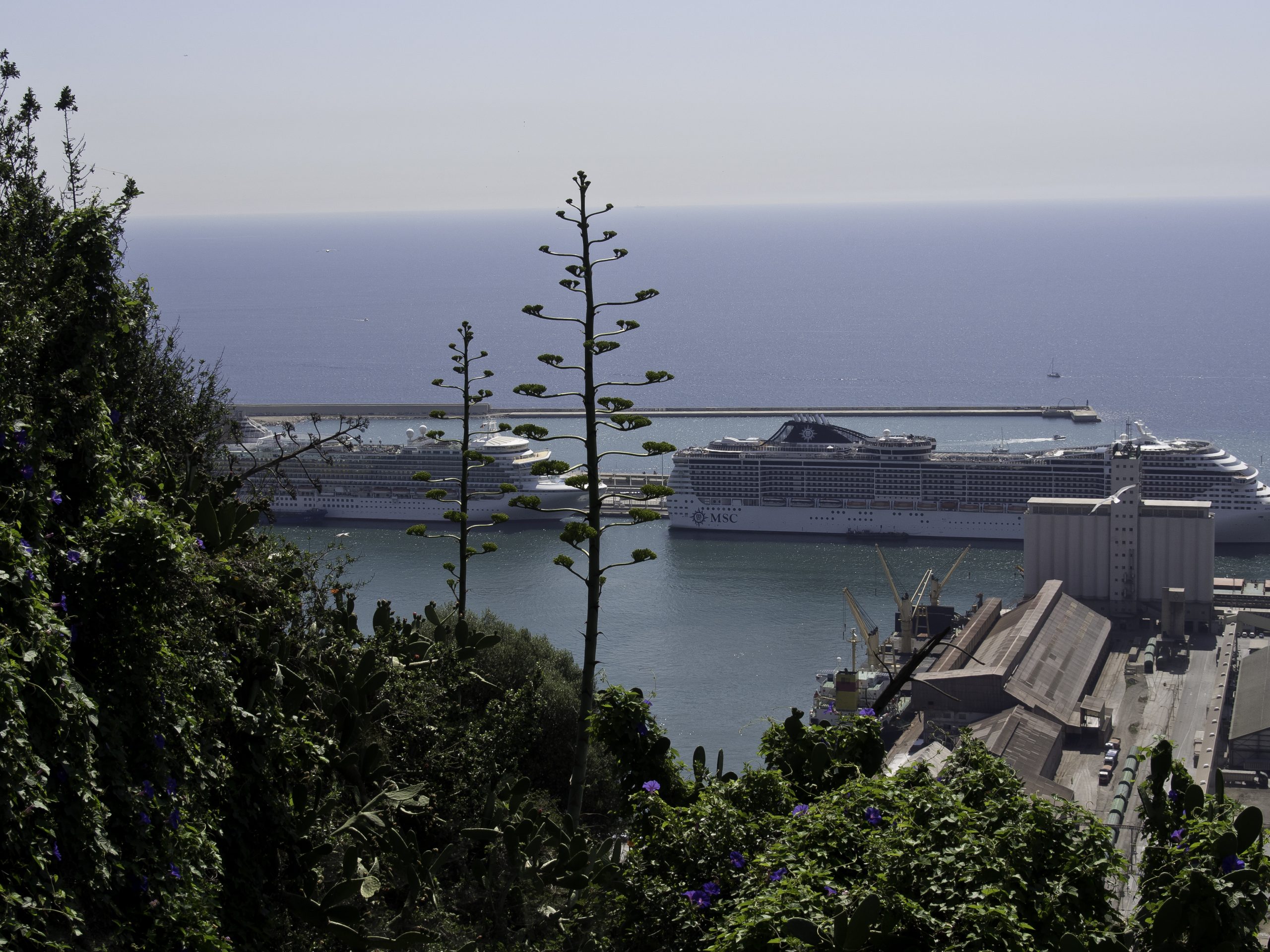
Examples include the MSC Euribia and MSC World Europa from MSC Cruises, and the Costa Smeralda from Costa Cruises. These ships use LNG as their primary fuel, which directly results in cleaner air in ports and at sea.
Sustainably produced fuels
Cruise lines are going a step further. They are increasingly using LNG that has been produced sustainably. During the naming voyage of MSC Euribia, the ship used 400 tonnes of LNG from biomass. This made the cruise net CO₂ emission-free. Cruise lines are also experimenting with synthetic e-LNG (artificial natural gas made with renewable energy), green methanol (a more climate-friendly type of fuel), hydrogen and fuel cells (technology that generates electricity from hydrogen without emissions). MSC Cruises aims for its entire fleet to have net zero greenhouse gas emissions by 2050.
Shore power reduces emissions in ports
Shore power (also known as shore-side electricity) is an effective measure. When cruise ships are in port, they can use electricity supplied from shore via a cable connection instead of keeping their engines running. This reduces emissions in port by up to 98 per cent.
In 2025, 61 per cent of global cruise capacity will have access to shore power facilities. This is expected to rise to 72 per cent in 2028. This is a practical benefit for coastal residents and directly contributes to better air quality in port cities.
Water purification and waste management on board
Modern cruise ships produce millions of litres of fresh drinking water on board every day via reverse osmosis and evaporation. This reduces their dependence on shore-based sources. In addition, ships aim to reduce water consumption by three per cent every year. They use water-saving devices and raise awareness among passengers and crew about water use.
Ships have advanced systems to treat waste and purify water. Wastewater is treated before it is discharged. This is part of the sustainability criteria that cruise lines assess and report on.
How to choose a sustainable cruise line and itinerary
Newer ships are significantly cleaner. They have, for example, better filters, more efficient engines and purification systems. Each new cruise ship is on average twenty per cent cleaner than its predecessor. When booking, ask about ships that were built in the past five years. Also ask which fuels they use. Ships powered by LNG are currently the cleanest option available.
Check certifications
Reputable cruise lines publish ESG reports (reports on environmental impact, social responsibility and good governance). This gives transparency about sustainability efforts. Cruise lines that participate in initiatives such as the CLIA sustainability goals (sustainability objectives of the Cruise Lines International Association, the global trade association for cruise companies) commit to concrete targets. This distinguishes real progress from superficial green claims. With superficial green claims (also known as greenwashing), a company presents itself as more sustainable than it actually is. Ask about timelines, investments and specific projects.
Choose routes with shore power
Check in advance which ports have shore power and plan cruises that call frequently at ports with these facilities. Major European ports are upgrading their infrastructure, so more and more destinations offer this option. This significantly reduces emissions during port calls.
‘ Your choices determine which activities cruise lines continue to offer. ’
Your behaviour makes a difference
During shore excursions you can have a positive impact. Respect natural habitats and local communities. Choose small-group excursions instead of large coach tours. Stay on marked paths and do not touch wildlife. Respect local customs and buy products from local makers instead of mass-produced items.
Waste management and water use on board
Limit your water use. Take short showers and reuse towels. Switch off the air conditioning and electronics when you leave your cabin. Avoid single-use plastic and use refillable bottles where possible. Many ships now have drinking water stations on board.
Choose activities consciously
Avoid activities that show or exploit animals in captivity. Choose snorkelling excursions with local guides. They often actively protect nature. Do not leave rubbish behind on beaches or in natural areas. Your choices determine which activities cruise lines continue to offer.
Practical tips for a smaller footprint
Start already in the planning stage. Choose a cruise line with a sustainability policy. Compare ships by fuel type and by the age of the ship. Book excursions through local operators instead of large-scale tours. Bring a refillable water bottle, sunscreen without harmful chemicals and reusable bags.
During the cruise you can take concrete action:
- Avoid buffets with food waste and only take what you will eat
- Use digital travel documents instead of printing
- Put waste in the correct containers for recycling
- Ask the crew about sustainability initiatives on board
- Give feedback to the cruise line about what you appreciate and what could be improved
After your cruise, share your experiences with others. Talk about the sustainable choices you made and which cruise lines perform well. This encourages others to make conscious choices and motivates cruise lines to keep investing in sustainability.
The future of sustainable cruising looks bright
The cruise industry is working on further innovations. The economic impact of cruising is huge. It amounts to 168 billion dollars per year. In addition, the sector provides 1.6 million jobs worldwide. This large amount of money encourages cruise lines to invest in sustainable technologies.
Future developments you will be seeing more of in the coming years:
- Ships powered by green hydrogen or methanol are being tested and gradually introduced
- Fuel cells and hybrid propulsion systems are becoming standard on new ships
- More ports worldwide will be equipped with shore power facilities
- Artificial intelligence will optimise routes and fuel consumption
- Re-use of materials and waste reduction will become the norm on board. Ships will move towards a circular model, in which waste is avoided or reused as much as possible
These developments are making cruising more sustainable step by step. For you as a traveller, this means that you will increasingly be able to choose ships that match your values. The demand for sustainable cruises encourages cruise lines to innovate more quickly and set ambitious goals. By choosing consciously, you contribute to this positive development and enjoy your holiday with peace of mind.