 NL
NL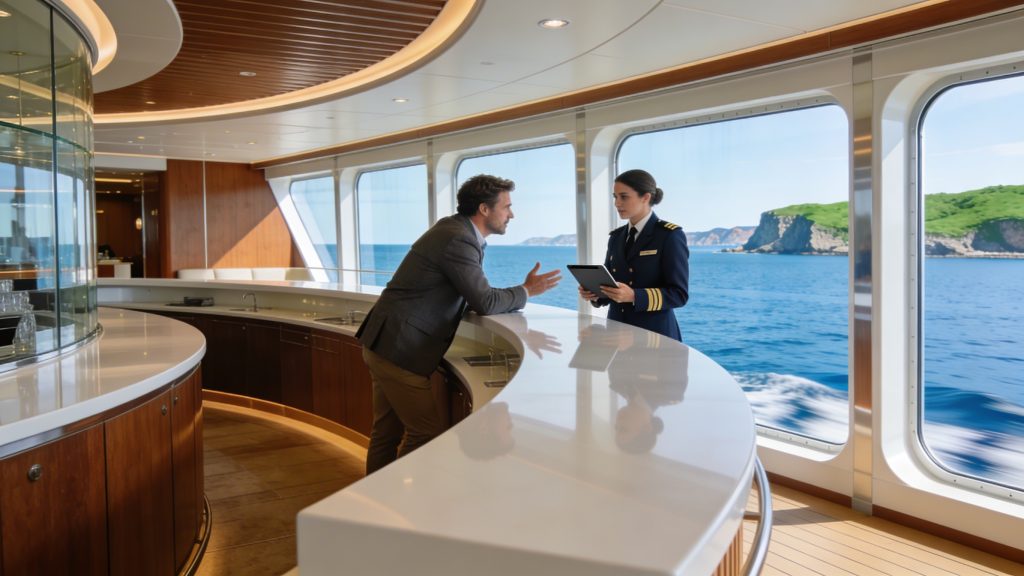
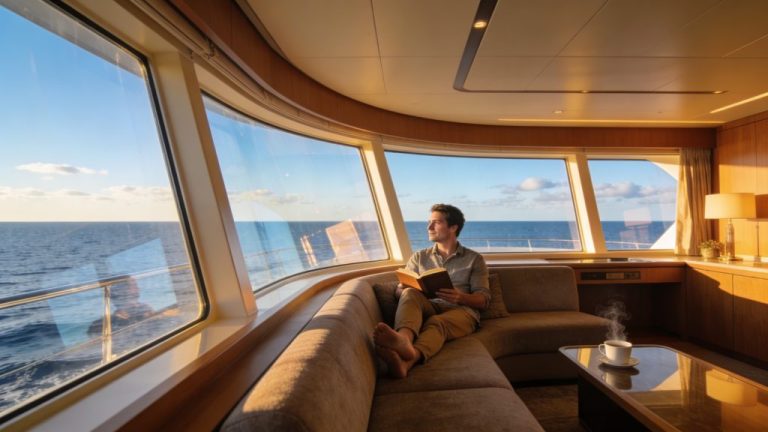
A cabin change during your cruise does happen from time to time. However, cruise lines are becoming less and less flexible about this. The availability of alternative cabins and the cruise line’s policy determine whether you can still switch. It is therefore sensible to book carefully in advance and not to count on changes once you are on board. Want to know how it can be done and what your options are?
Can you change cabins during your cruise
Many cruise lines allow you to change cabins if you are unhappy with your current accommodation. This applies, for example, in cases of noise disturbance, an unfavourable location or a cabin that does not meet your expectations. In practice, cruise lines are increasingly reluctant to arrange cabin changes.
Availability plays a decisive role here. On fully booked cruises, alternative cabins are often scarce or not available at all. The stage of your cruise also matters. Are you already further into your voyage? Then the chance of a free cabin drops sharply. Cruise lines give priority to their existing planning and logistics. As a result, spontaneous changes are often not feasible.
In addition, cruise companies are applying stricter policies in 2026. They make fewer changes at the guest services desk. They also more often refuse changes if the passenger details are incorrect. A cabin change therefore does not happen automatically. This applies even in the case of legitimate complaints. Want to know more about the different cabins and accommodation on board? Good preparation prevents disappointment during your trip.
How do you request a cabin change
Would you still like to change cabins during your cruise? Arrange this via the purser’s office on board. The purser’s office is the administrative centre of the ship. You will usually find it in a central location such as the main deck. The purser and their team manage all passenger matters. They also handle accommodation changes.
The request process works as follows:
- Report to the purser’s office as early as possible in your cruise
- Clearly explain why you want to change and what your objections are
- Ask about available alternatives and any additional costs
- Wait for confirmation before you move your belongings
The staff on board have only limited options. They can only work within the available capacity and the cruise line’s policy. Do not expect an immediate solution. Sometimes it takes several days before an alternative becomes available. Other passengers, for example, may disembark at an intermediate port.
It is wise to remain friendly and patient. The purser’s office often receives several such requests per cruise. A constructive attitude increases your chances of a positive outcome. Document any defects in your cabin with photos or videos. This allows you to substantiate your request more effectively.

Costs of a cabin change
The costs of a cabin change depend on the reason and on the new cabin you are assigned. Are you switching to a comparable or lower category because of a justified complaint? Think of a defect or disturbance. In that case, cruise lines usually do not charge any fees. You are given an equivalent replacement without any extra payment.
If, however, you want to upgrade to a better cabin, you pay the difference in price. The cruise line calculates this amount on the basis of the remaining nights of your cruise and the difference between your original and your new cabin category. Please note: upgrading during the cruise often costs more than booking an upgrade in advance via your travel agent or on the cruise line’s website.
If the cruise line makes a change itself due to technical problems or overbooking, you do not pay any costs. You will then be offered an alternative without financial consequences. Sometimes you even receive compensation. This may consist of onboard credit or a discount on a future cruise.
Why cabin changes are becoming more difficult
The cruise industry has implemented significant changes to its accommodation policy in 2026. Cruise lines are becoming less and less flexible in dealing with accommodation requests. This is due to stricter administrative procedures and higher requirements for data management.
Names must match your passport exactly when you book a cabin. Cruise lines now enforce this rule more strictly than before. Errors in your booking lead to problems at check-in. They also limit your options to make changes later on. Always check that all your details are correct before you make payment.
Itineraries also sometimes change halfway through the cruise. External factors play a role here. Think of weather conditions, changes to environmental regulations or altered port schedules. In such situations, cruise lines restrict passenger movements. They also deny access to certain facilities. This too affects the possibilities for cabin changes.
‘ There are other ways to make your stay on board more pleasant. ’
Alternatives when a change is not possible
Is a cabin change not possible? There are other ways to make your stay on board more pleasant. Discuss your complaints with the purser’s office and ask for compensation. This can range from onboard credit to free meals in a speciality restaurant or access to exclusive facilities.
In cases of noise disturbance, ask for sound-reducing solutions such as earplugs or a fan. The fan helps to mask background noise. Some cruise lines also allow temporary use of other spaces. Think of lounges or quiet decks. Do you need relaxation outside your cabin? Make use of these options.
If the cruise line does not resolve your complaint, document all communication and keep all evidence. After your cruise, submit a formal complaint to the cruise line. In some cases this leads to a refund. Otherwise, you may receive a discount on your next booking. Check the general terms and conditions of your cruise line in advance so you know what you are entitled to.
How to avoid disappointment
Book carefully in advance to avoid problems with your cabin. Take time to compare different cabin categories. Read reviews from other travellers. Pay attention to the cabin’s location. A cabin above the engine room or near a lift often results in more noise.
Important to know:
- Preferably book a midship cabin to experience less movement
- Avoid cabins directly under restaurants or the pool deck
- Check whether your cabin is close to a lifeboat, as this can obstruct the view
- Choose a flexible fare if you think you might want to upgrade later
Many cruise lines offer online deck plans. These plans show you exactly where each cabin is located. Use these tools to make a well-considered choice. Also pay attention to the description of your cabin. Some cabins have an obstructed view due to lifeboats or structural elements. This is not always clear from the price.
Arrange everything in advance. Do not rely on being able to make changes once you are on board. The reduced flexibility of cruise lines makes it even more important to make the right choice beforehand. Invest in a better cabin category upfront. This often pays off more than upgrading during your cruise.
Discover more about cruise holidays
Prepare properly for your cruise and set realistic expectations. On the Traveller Tips website you can find information about cruise holidays. You can read practical tips about packing lists. You will also find detailed explanations about excursions and activities on board. Prepare for your cruise in the best possible way and pay close attention when planning your trip.
Frequently asked questions
You mainly avoid cabin changes by checking all details (names, cabin category, location) very carefully at the time of booking and fixing everything as early as possible. Ideally, do not choose highly flexible or “guaranteed” cabins if you absolutely do not want to be moved, and record any special requests in writing with the cruise line or your travel agent. If you unexpectedly receive an offer for a swap arrangement, make an objective comparison: location (deck, near lift/noise), cabin size, window/balcony and any extras versus the possible downside of having to move. Only accept such a swap if the overall value and comfort are demonstrably better for you, and always have the new arrangements confirmed in writing.
In the case of a cabin change or an unwanted swap arrangement, you generally have fewer rights to a change afterwards in 2026, because cruise lines are far less flexible with amendments after booking. You can usually only rely on what is set out in black and white in your booking confirmation; that is why names and cabin details must be exactly correct before you pay. A forced or unwanted change can affect your comfort, for example because of a different cabin location (more noise, less of a view) or a different type of accommodation than you expected. This can noticeably worsen your overall travel experience, especially if you had specific preferences that can now no longer easily be met.
Swap arrangements can be beneficial when you discover on the spot that your cabin is in an unfavourable location (for example, very noisy) and you can swap with someone in a quieter location. They can also be helpful in the event of unexpected itinerary changes or weather conditions, allowing you to move closer to friends or family. In addition, they can offer a solution if you have made a mistake in choosing your cabin but the cruise line is not very flexible about formal changes.
Accepting a swap arrangement or cabin change can lead to additional costs, such as administration fees or the loss of advantageous (non-refundable) rates you previously had. You may also face financial risks if the change coincides with a stricter policy by cruise lines, making later changes or corrections impossible. Any mistakes in names or documentation are penalised more strictly in 2026, which can result in change fees or even having to rebook the entire trip. A changed route or restricted access to ports can also indirectly cause additional expenses, for example for alternative excursions or accommodation.
As an independent planner, you can assess the flexibility and risks in advance by carefully studying the cruise line’s general terms and conditions and the specific fare conditions (flexible vs non-refundable). Check in reviews and forums how the cruise line actually deals with swap arrangements and cabin changes, and whether there have been any recent policy changes (such as in 2026). If in doubt, contact the cruise line or intermediary in writing before booking and explicitly ask about the options and costs of cabin swaps and changes, and keep these confirmations. Bear in mind that cruise lines are increasingly unwilling to make changes once you are on board, so when planning you should assume limited flexibility.