 NL
NL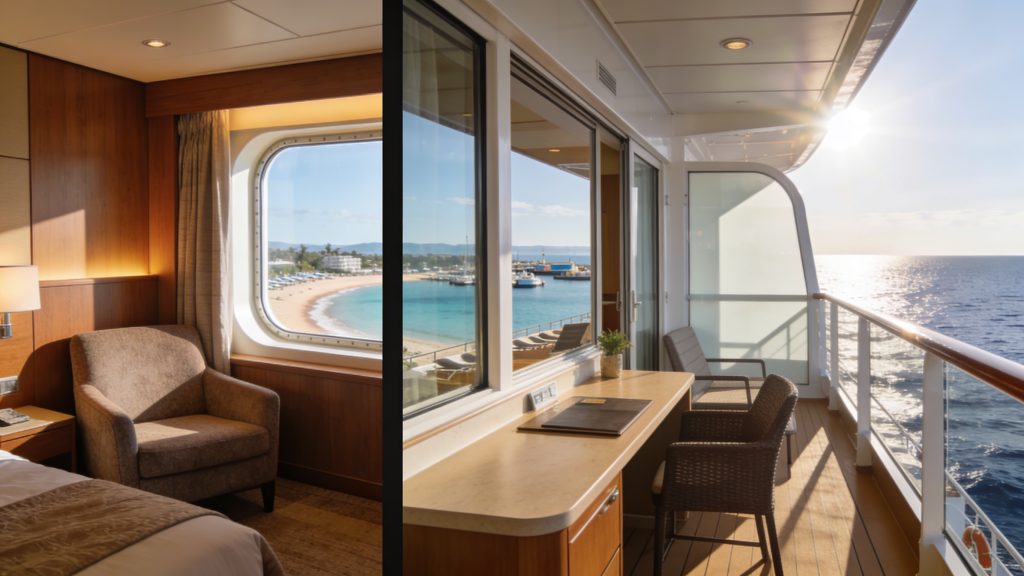
An inside cabin saves you money for shore excursions, while an outside cabin brings daylight and a view into your travel routine. The difference lies in price and comfort, and also in how you want to experience your time on board. Discover what suits your travel style.
The choice between an inside or outside cabin determines a large part of your cruise budget. Inside cabins are usually the most affordable option, ideal for travellers who mainly use their cabin to sleep and rest. Outside cabins offer natural light and a window to the ocean, which gives a more spacious feeling, especially on sea days.
Which cabin you choose depends on how much time you spend on board, how sensitive you are to enclosed spaces and what you are prepared to spend. For more information about all available cabins and accommodation on board, you can compare different options available on modern cruise ships.
What is the difference between an inside cabin and an outside cabin?
An inside cabin has no windows or portholes and is usually located along the central axis of the ship on the lower decks. These cabins are compact in size and offer ventilation via air conditioning. The floor area is on average between 13 and 15 square metres.
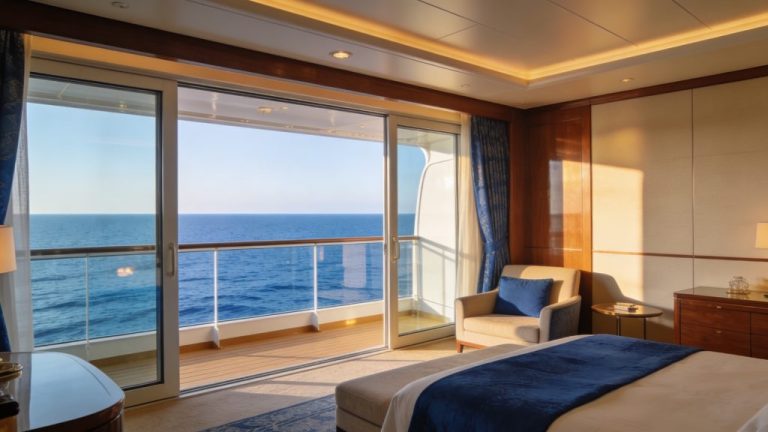
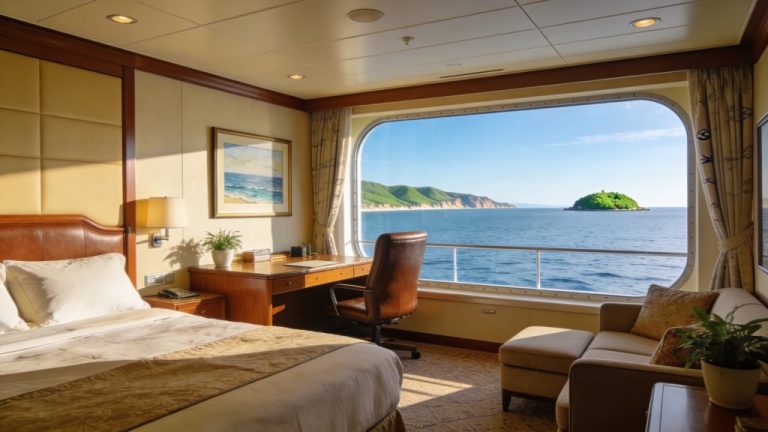
An outside cabin is located on the outside of the ship and does have a porthole, rectangular window or panoramic window without a balcony. This provides daylight and a sea view. These cabins are often on higher decks and are sometimes slightly more spacious thanks to additional seating areas.
Both cabin types offer the same basic facilities: a private bathroom, beds and standard fittings such as storage space and television. The main difference is whether or not you have a view and natural light.
What are the advantages of an inside cabin?
The main reason to choose an inside cabin is the price. Inside cabins are usually the cheapest option on board. This leaves you with more budget for shore excursions, restaurant visits or activities on the ship.
In addition, inside cabins offer the following benefits:
- Suitable for travellers who are mainly active on deck or ashore and only use their cabin for sleeping and getting changed
- Central location on the ship, which often means less movement in high waves
- Often a quieter part of the ship, as they are further away from public areas
- Availability of virtual windows on some ships, showing live images of the ocean
- Just as clean and comfortable as more expensive cabins, with the same standard of service
An inside cabin is especially practical on cruises with many port days. You hardly miss the view, because you are not on board during the day. On cruises with several sea days, however, the lack of natural light can feel more oppressive.
What are the advantages of an outside cabin?
The main advantage of an outside cabin is the natural light and sea view. This gives the cabin a more spacious and airy feel, especially on long stretches at sea. From your cabin you can watch sunrises, ports of call and the passing water.
Further advantages of an outside cabin are:
- More comfort during longer periods in the cabin, for example in bad weather or on rest days
- A small seating area or table by the window so you can look outside from your cabin
- Better orientation in terms of time and place thanks to the natural light
- Larger variants available for families, with space for four or five people
- Higher position on the ship, so you are further away from engine noise
Some outside cabins have an obstructed view because of lifeboats or structures. This is usually indicated as “obstructed view”. Pay attention to this when booking, especially if you make use of “guarantee cabin” offers where the exact cabin is only allocated later.
How much more does an outside cabin cost?
The price difference between an inside and an outside cabin varies by cruise line, ship and travel period. On average you pay 20 to 40 percent more for an outside cabin than for an inside cabin. On popular routes or in high season this difference can rise to 50 percent.
An outside cabin is cheaper than a balcony cabin, making it a mid-range option between price and comfort. When booking at the last minute or with on-board upgrades, you can sometimes get good deals on an outside cabin for a limited surcharge.
Also take indirect costs into account. If you spend more time in an inside cabin, the lack of daylight may mean you spend more money on activities or drinks elsewhere on the ship in order to leave the cabin.
Is an inside cabin suitable if you have claustrophobia?
For people who are sensitive to enclosed spaces, an inside cabin can be challenging. The lack of windows and natural light can create a stuffy feeling, especially during longer periods in the cabin.
However, there are ways to reduce this:
- Choose a ship with virtual windows that show moving images from outside
- Plan your trip so that you spend a lot of time on deck or ashore
- Prefer cruises with many port days instead of long sea days
- Leave the bathroom door open to make the space look visually larger
- Use the cabin only for sleeping and storage
If you know that you quickly feel confined or do not cope well with enclosed spaces, an outside cabin is a wiser choice. In that case the extra cost is worth it compared to the risk of discomfort during the trip.
Which cabin suits your travel style?
The right choice depends on how you plan to spend your time on board. If you are an active traveller who gets up early for excursions and only returns late, you mainly use your cabin for sleeping. An inside cabin is then perfectly adequate.
Choose an inside cabin if:
- Your budget is limited and you want to save on accommodation
- Your cruise has many ports of call and you are not on board during the day
- You are not very sensitive to the lack of natural light
- Your priority lies with excursions and activities rather than cabin comfort
Choose an outside cabin if:
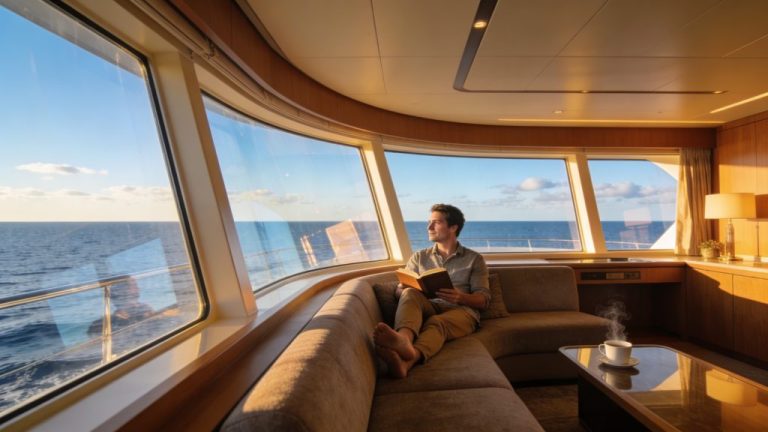
- You regularly want to enjoy breakfast or coffee in your cabin with a view
- Your cruise has several sea days and you spend more time on board
- You value natural light for your daily rhythm
- You are travelling with children and need a more spacious cabin
- You are sensitive to feeling confined in enclosed spaces
For first-time cruisers, an inside cabin can be a good starting option to experience how much time you actually spend in the cabin. On a next cruise you can then better assess whether an upgrade to an outside cabin is worth the extra cost.
Practical considerations when booking
Check the ship’s deck plan before booking. The location of your cabin also influences your comfort. Cabins below restaurants, swimming pools or theatres can suffer more from noise, regardless of whether it is an inside or outside cabin.
For outside cabins, pay attention to the indication “obstructed view”. This means that your view is partially blocked by technical installations or lifeboats. If the view is important to you, choose a cabin on a higher deck.
Family cabins with extra beds are booked up more quickly. Reserve these in good time if you are travelling with children. For inside cabins, some ships offer variants with bunk beds, which is convenient if you are on a tight budget.
“Guarantee cabin” offers can be good value. You then book a category without a specific cabin number, and the cruise line allocates a cabin later. This can result in an upgrade, but also in a less desirable location. Weigh the saving against the risk of ending up with a cabin with a limited view or an inconvenient location.
‘ Explore the guides available and turn your next cruise into a carefully considered journey. ’
Find out more about cruise holidays
The choice between an inside and an outside cabin is only one aspect of preparing for your cruise. On the Traveler Tips website you will find extensive information about the deck layout (the division of the different decks of the ship), on-board facilities, cruise packing lists and tips for planning your trip in the best possible way. Explore the guides available and turn your next cruise into a carefully considered journey.
Frequently asked questions
Yes, for travellers who attach great importance to a view and extra comfort, the additional cost of an outside cabin is usually justified. The natural daylight and constant sea view create a more spacious, more relaxing feeling than in an inside cabin. Especially on sea days, or if you like to relax in your cabin, an outside cabin noticeably adds comfort. Only those who mainly sleep in the cabin and are otherwise out and about will be less likely to see the added value of the higher price in their overall experience.
The absence of natural light in an inside cabin can disrupt your day–night rhythm, making it harder to fall asleep and wake up feeling refreshed. Without a view outside or a direct connection with your surroundings, the cabin can more quickly feel stuffy, closed in or disorientating, especially on sea days. For some people this can lead to a less pronounced sense of wellbeing and a stronger need to spend time outside the cabin. For others, total darkness actually promotes deep, undisturbed sleep, provided they spend enough time in daylight during the day.
Yes, certain travel scenarios make an outside cabin clearly more attractive. On a longer ferry or overnight crossing where you spend several hours awake (for example as part of a road trip), daylight and a view provide a more pleasant, less claustrophobic experience. On routes with lots of beautiful coastline or fjords, the benefit of a window also weighs more heavily, as you can enjoy the scenery from your cabin. If it is a very short crossing where you mainly sleep and spend little time in the cabin, the extra cost of an outside cabin is usually less worthwhile.