 NL
NL
Train journeys through Germany offer beautiful routes, but delays, overcrowded carriages and luggage challenges can disrupt your trip. With the right preparation and practical solutions, you can avoid stress and enjoy a comfortable journey. Read how to stop small problems from ruining your holiday.
Delays are not an exception
Deutsche Bahn has struggled with maintenance backlogs in recent years. The result: regular delays, from a few minutes to hours. ICE trains are indeed comfortable, with sockets and family compartments, but technical faults do occur. Are you prepared? Then this doesn’t have to spoil your trip.
Download the DB Navigator app and check real-time updates on delays and alternative routes. Plan generous margins between connections. Busy hubs such as Frankfurt or Hamburg require extra time. Allow at least twenty minutes’ buffer. That way you won’t miss your connection because of a small delay. At larger stations you can usually board a replacement train within fifteen minutes.
Choose regional trains where possible instead of only long-distance services. These are often less prone to delays and give you more flexibility. Start your journey with shorter legs. That way you can absorb problems along the way. Your schedule stays intact.
‘ You can largely avoid this with smart planning. ’
Predicting and avoiding crowded trains
Overcrowded trains are especially a problem during rush hour, at weekends and in holiday periods. Trains that are too short can sometimes cause discomfort. Popular routes suffer from this more often. You can largely avoid it with smart planning.
Travel outside peak times. Weekday mornings and early afternoons are quieter than Friday evenings or Sundays. Use the DB Navigator app to check how busy your train is expected to be. The app indicates how crowded a service is likely to get.
Book early, preferably three months in advance. This will get you better prices. You also have more choice of seats. Reserve a seat in a quiet carriage or choose first class if you want more space and certainty. Going out for the day without luggage? Make use of luggage lockers at stations. You travel without lugging bags around.
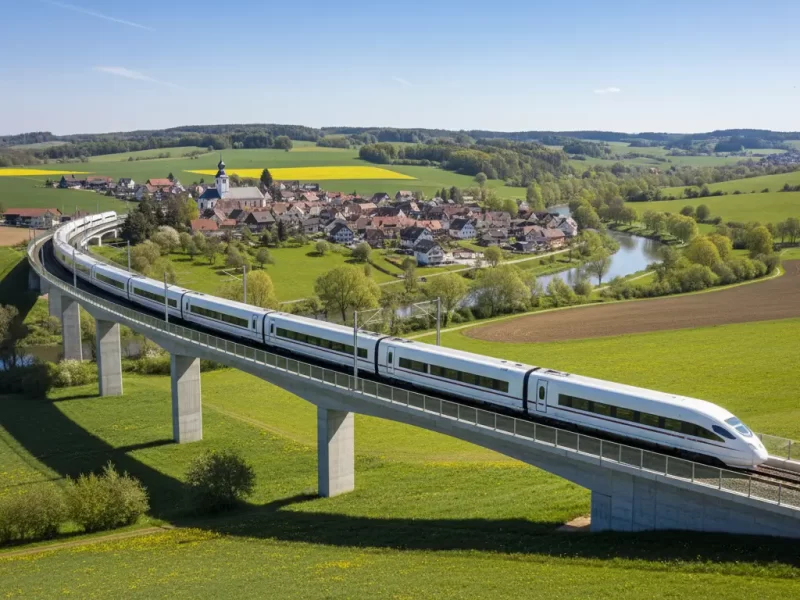
Changing trains without stress at German stations
Major stations such as München Hauptbahnhof or Berlin Hauptbahnhof can be overwhelming. Rushed transfers with luggage add extra stress. Good preparation helps you stay calm.
Study the station map. Do this before you arrive. The DB Navigator app shows which platform you need. The app also shows walking routes. Print this information or save it on your phone. If the internet connection is poor, you can still find your way.
Staying overnight in the city? Choose hotels close to the station. Chains such as IntercityHotel or Steigenberger are often within walking distance and offer luggage storage. This saves you taxi fares. You can check in and out without rushing. For early or late arrivals, a 24-hour reception is useful.
Travelling with a lot of luggage? Allow extra time for transfers. Travelling with children? Then also plan extra time. Lifts and escalators are not always nearby and can be out of order. Large stations often require ten to fifteen minutes’ walk between platforms. Take this into account.
What to do if your luggage goes missing
Lost luggage is rare. It does sometimes happen when changing trains in a hurry or at busy times. Knowing what to do will save you panic and time.
Report missing luggage immediately. Go to the Reisezentrum at the station. Also report it to Deutsche Bahn customer service. Give a clear description of your suitcase or bag, including colour, brand and contents. Note down the reference number you receive for follow-up.
Prevent problems by making your luggage easy to recognise. Attach a label with your name and contact details to your suitcase. Take a photo of your luggage before you leave so that you can show it in case of loss. Always keep valuables and important documents in your hand luggage.
Covering long distances with many transfers? Use luggage forwarding services. Some stations and hotels send luggage directly to your next destination. They offer this service. It costs extra. It does save stress and hassle on the way.
‘ Inspectors do not accept excuses about technical problems. ’
Buying tickets correctly prevents fines
Fare dodging is a criminal offence in Germany. It is not a minor infraction. Fines start at forty euros and if it happens repeatedly you risk legal trouble. Make sure you always have a valid ticket before you board.
Buy tickets in advance via the Deutsche Bahn website, app or at a ticket machine at the station. Regional trains do not always offer the option to buy tickets on board. Check that your ticket is valid for the train you are taking. Using a train run by another operator? Then your ticket will not automatically be valid.
Travelling a lot by regional train? Use the Deutschland-Ticket for about fifty-eight euros per month. This ticket gives unlimited access to regional public transport throughout Germany. A Länderticket is cheaper for shorter trips. For about twenty-four euros you can travel unlimited for one day within a single federal state.
Store digital tickets offline in your app. Take a screenshot. Print a back-up. Sometimes your phone has no signal. Your battery can run down. Inspectors do not accept excuses about technical problems.
Flexibility and patience are your best friends
Despite all your preparation, things can still go wrong. Technical faults, staff shortages or weather conditions are beyond your control. Sometimes there are technical disruptions. Staff shortages and bad weather also play a role. Accept that delays are part and parcel of travelling by train.
Build an extra day into your itinerary. That way, unexpected problems can be absorbed. A single delay will not affect your entire trip. Got time to kill? Visit a park or café near the station. Standing stressed on the platform does not help.
Bring something to keep you occupied, such as podcasts, music or a book. Getting irritated? Breathe deeply and go for a short walk. Talk to a fellow traveller if that gives you energy. Otherwise, find a quiet corner for yourself.
Always have a back-up route in mind. Sometimes trains are cancelled altogether. Check alternatives such as long-distance coaches or BlaBlaCar. These are often cheaper. They are less flexible for spontaneous stops. The train usually remains your best option for comfort and speed.
Practical preparations for more comfort
Small adjustments can make your trip more pleasant. They prevent unnecessary frustrations. Think ahead. Tailor your planning to your situation.
- Choose family compartments if you are travelling with children or a lot of luggage. They offer extra space and are often quieter.
- Reserve a bike space if you are taking your bicycle. ICE trains have limited capacity, check this in the app.
- Use station facilities such as power sockets, toilets and waiting rooms. These amenities make waiting times more comfortable.
- Bring snacks and water. Trains often have a buffet car. It is more expensive. Sometimes the buffet car is closed.
- Charge your phone before you leave and take a power bank with you for longer trips.
Unsure about travelling by train in Germany? Start with shorter routes. Take a day trip from Freiburg to the Black Forest. Or travel from Munich to nearby castles. That way you build confidence. You are not taking big risks. Then go further. Build up to longer routes with several overnight stays.
‘ Discover more and plan your next trip even smarter. ’
Discover more about travelling by train
On the Traveler Tips website you will find extensive information about travelling by train across Europe. Read about routes and destinations. You will also find practical tips. You can read about the right tickets. Discover the most beautiful routes. Find handy apps for on the road. Discover more and plan your next trip even smarter.
Frequently asked questions
Plan using the DB Navigator app and choose connections with generous transfer times (for example 20–30 minutes) instead of the shortest connection, especially at hubs like Frankfurt and Hamburg. Avoid peak hours, weekends and public holidays, and consider using regional trains more often instead of busy ICE services. Use flexible tickets such as the Deutschland-Ticket or Ländertickets so you can take a later train at no extra cost. Where possible, build an extra day or half-day of slack into your itinerary, so a major delay does not immediately throw your whole holiday into chaos.
Book early via the DB Navigator app and pay attention to flexible fares so that you can rebook at no extra cost in case of disruptions. Consider the Deutschland-Ticket for regional journeys or a Länderticket if you mainly stay within one federal state; this way you avoid unexpected surcharges. Always check whether your ticket is valid with the specific train operator and train category (ICE vs regional train) to avoid fines or restrictions. Travel as much as possible outside peak hours and on regional trains to reduce crowding and reservation costs.
Where possible, choose quiet travel times (outside rush hour, at weekends and on public holidays) and reserve a seat in a quiet zone or family zone so that you are sure of comfort on busy routes. Use the DB Navigator app to check in advance how busy trains are expected to be, which carriages are reserved and any delays, and prepare alternative connections. Travel preferably with light, easy-to-carry luggage and keep snacks, water, earphones and a power bank within reach for a relaxed journey, even if it is crowded. Consider regional trains instead of the busiest ICE services and plan generous transfer times so you do not have to rush if there is a delay.
For real-time travel information, mainly use Deutsche Bahn’s DB Navigator app; it gives current departure times, delays, crowding forecasts and alternative routes. You can combine this with the website bahn.de for route planning and checking tickets on a larger screen. For language barriers, apps such as Google Translate or DeepL are useful to translate signs, announcements (via transcriptions) and conversations quickly. Also store your key reservations and tickets in your phone wallet or a notes app, so that if you have questions for train staff you can clearly show everything, even if the language is a bit of a struggle.
Use one medium-sized suitcase or rucksack and one small daypack; avoid several loose bags so you can change trains quickly. Roll your clothes into packing cubes (for example, one cube per type of clothing) and put heavy items at the bottom, close to your back, for stability when walking and boarding. Keep travel documents, snacks, water, charger and a thin jumper in your daypack so you do not have to open your main luggage each time. Make sure you can carry and lift everything yourself in one go, even in crowded conditions or with short transfer times.