NL
NL
Booking repositioning cruises cheaply takes a real load off your holiday budget. These relocation voyages of cruise ships offer fares that are up to fifty per cent lower than standard cruises. You enjoy the same facilities and service. The low price comes with longer routes, more hours at sea and fewer port calls. Find out how to track down these low-cost cruises. Also discover which costs you should really expect.
What are repositioning cruises?
Repositioning cruises are relocation voyages. Cruise ships sail from their summer homeport to their winter homeport. For example, from Northern Europe to the Caribbean, or the other way round. These relocations usually take place in spring and autumn, when the seasons change.
The route is structured differently from regular cruises. You spend longer stretches at sea. You call at fewer ports. The relocation itself is central, not specific popular destinations. For cruise lines this is a necessary operation. They do not want to sail their ships empty. That is why they offer these journeys at reduced fares.
From Dutch ports such as Rotterdam and Amsterdam, repositioning cruises depart for various destinations. Examples include transatlantic routes to warmer climates and routes to Scandinavian ports. Cruise prices and hidden costs also play an important role with these cheaper cruises. Look beyond the low base price.
‘ You pay less, but you do get more travel days. ’
Why are repositioning cruises cheaper?
There is a logical explanation for the low price. Cruise lines have to move their ships between seasonal regions anyway. This relocation costs fuel and staff, but does not generate regular revenue. By taking passengers on board at lower fares, they cover part of the costs.
The price difference is considerable. Whereas a standard cruise will quickly cost €1,200 or more per person, repositioning cruises often start at €849 or even less. This is the base price for an inside cabin. The trip does last longer. Most repositioning cruises last fifteen days or more and include more sea days.
You pay less, but you do get more travel days. Per day, with repositioning cruises you often pay half of what you would for a comparable standard cruise. This makes these trips attractive for travellers who have time and enjoy being at sea.
Finding the cheapest repositioning cruises
Finding the best deals requires good timing and focused searching. Timing plays a major role. Routes from Northern Europe to the south mainly operate between October and April. Routes to northern destinations depart in spring.
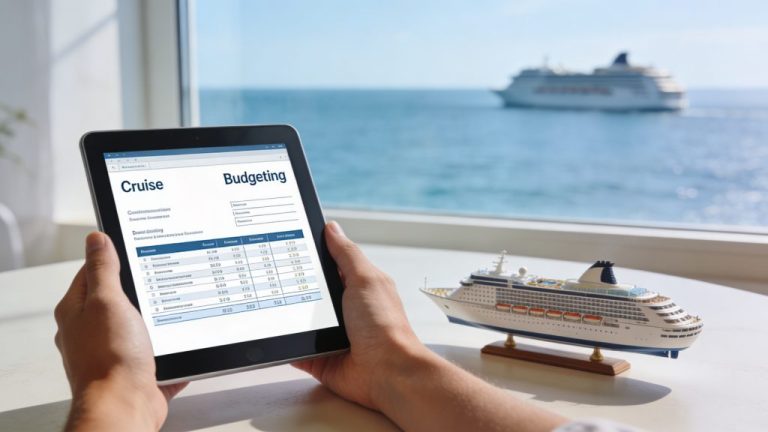
Book with reliable providers that are affiliated with protection organisations such as ANVR (General Dutch Association of Travel Agencies) or SGR (Dutch Travel Refund Guarantee Fund). This way you are financially protected in case of bankruptcy. Do not only compare the base price. Also factor tips, drinks and excursions into your total budget.
A few practical search tips:
- Book directly with cruise lines or specialised cruise travel companies
- Watch out for packages that combine flight and cruise. These are often cheaper.
- Ask about current promotions. Examples include onboard credit (credit to spend on board) or free upgrades.
- Check the deposit. This is usually thirty per cent of the total trip price.
- Read all the terms and conditions before you book
Hidden costs to watch out for
The low base price does not cover all costs. The same hidden costs apply on repositioning cruises as on other cruises: tips, drinks, excursions and internet use. These can significantly increase your total budget.
Tips and service charges are automatically added to your onboard account. Many cruise lines charge €10 to €15 per person per day. For a fifteen-day cruise, that comes to €150 to €225 per person just in tips.
All-inclusive packages usually do not cover all facilities. Check carefully what is and is not included. Standard meals and basic entertainment are included. You pay separately for:
- Alcoholic drinks and speciality coffees
- Shore excursions
- Internet use on board
- Use of spa and wellness facilities
- Speciality restaurants
The cabin you book is almost always an inside cabin without a window. For an ocean view or a balcony you pay substantially more. Pay attention to the location of balcony cabins. Some are blocked by lifeboats. Others are right by the ship’s engines.
‘ Tourist highlights are not the main focus. ’
Drawbacks of a repositioning cruise
The low price has consequences for the itinerary. The biggest drawback is the number of sea days. On repositioning cruises you sail longer without a port call than on regular cruises. For some travellers this is an advantage. For others it is a missed opportunity for sightseeing.
The route is fixed and focused on relocation. Tourist highlights are not central. You visit fewer popular ports. Sometimes you do not call at any port at all for several days in a row. This means fewer excursion options.
Another practical drawback is the return flight. On a transatlantic repositioning cruise you depart in Europe but arrive in America, or vice versa. You need a return flight to your starting point. These extra costs eat into some of the savings on the cruise itself.
The trip is longer than standard seven- to ten-day cruises. Fifteen days is average, but some repositioning cruises last up to three weeks. You need more holiday days. For people in work with limited annual leave this can be a problem.
How to maximise savings on repositioning cruises
Good timing and preparation help you get the most out of your budget. Start with excursions. Do not book these on board. Arrange them online in advance with local tour operators. Excursions booked on board are usually twice as expensive as tours booked locally.
Take a refillable water bottle with you. You can fill it on board at the water stations. Water on board costs money. You are usually allowed to fill your own bottle at drinking fountains (water stations for drinking water on board). On a long cruise this can save you several tens of euros.
Make use of all the free facilities. Most ships have swimming pools, gyms, theatres and a range of entertainment that are already included in the price. You do not have to pay extra for optional activities.
Book your cruise and flight together in one package with the same provider. Cruise lines and travel companies often offer combination deals where flight, transfer and cruise together are cheaper than booking everything separately. This saves money and also reduces the organisational burden.
Practical planning for your repositioning cruise
Booking early or late each has its own advantages. Booking early gives you more choice of cabins. You also often get an early booking discount (lower prices when booking well before departure). Late deals can also be good value. You have less choice then, and a higher risk that trips are sold out.
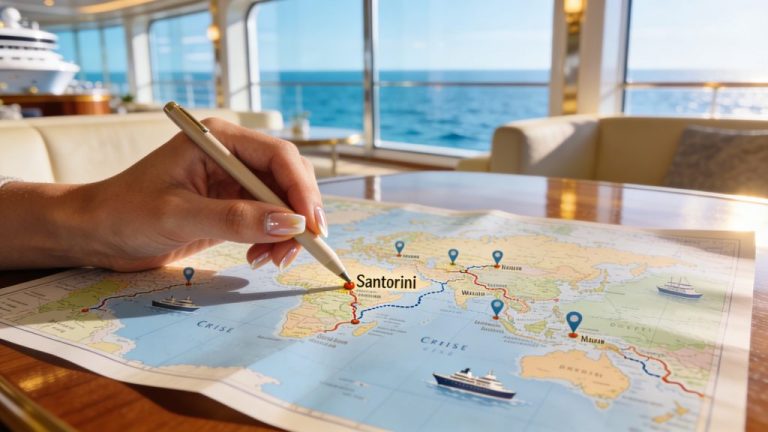
Check the exact itinerary and port calls. Some repositioning cruises call at interesting ports along the way, others sail almost non-stop. Choose a route that suits your preferences, whether that is relaxing at sea or visiting sights.
Wait to arrange your flights until the cruise has been definitively confirmed. Check the cancellation terms of your booking, including fees and deadlines. Find out what happens if the cruise line cancels or if you have to cancel yourself.
Take into account the seasons and weather in different places. A repositioning cruise from Europe to the Caribbean in October means you swap the European autumn for the tropical rainy season. This is different from the usual climate expectations for a holiday.
‘ A repositioning cruise is often cheaper, but not always. ’
Is a repositioning cruise right for you?
Repositioning cruises are ideal if you are more interested in the cruising itself than in specific destinations. You enjoy long days at sea, make use of the onboard facilities and are in no hurry to visit lots of ports.
These cruises suit travellers who can take at least two weeks off. People in work with limited annual leave may find fifteen days or longer too long. Retirees or people with flexible working hours can make the most of the low price per day.
You determine the total budget by adding up all costs. Include flight costs and the hidden costs on board. Work out what you pay per day and compare this with similar holidays such as a flight plus hotel or a touring holiday. A repositioning cruise is often cheaper, but not always.
On the Traveler Tips website you will find much more information about cruises, costs and practical booking tips. Discover practical tips for other self-organised holidays and learn how to plan every trip more consciously and cost-effectively.
Frequently asked questions
A repositioning cruise often offers a much lower price per day than travelling independently by car or train, while accommodation, meals and entertainment are already included. Instead of mainly travel time and stopovers, the journey itself becomes a relaxing holiday with comfort and facilities on board. You visit several countries or continents in a single trip without having to plan routes, overnight stays and tickets yourself. In addition, the legs are longer, giving you more time to truly unwind and enjoy the sea and the ship.
Search for repositioning cruises via comparison sites and specialised cruise providers, filter by departure dates outside the high season and sort by “from price” per night so you can really compare. Pay close attention to what is and is not included (tips, drinks, excursions, flight/transfer) and always compare the total trip price, not just the base fare. Inside cabins are often the cheapest; for more expensive cabins, check whether the location and view (no lifeboat or engine noise) are worth the extra cost. Ideally, book early and explicitly ask about promotions such as onboard credit, free upgrades or packages including flights.
Choose an itinerary and ship that suit you and carefully read the conditions, cabin options and included facilities in advance so you are not faced with surprises. Plan excursions and any flights and transfers well ahead of time, and where possible book online with local providers to save costs. Watch out for hidden costs such as tips, drinks packages and expensive excursions sold on board, and set your budget in advance so you can relax and enjoy yourself once on board. Take practical items such as a refillable water bottle and make a personal plan of the facilities and activities on board so you can really make the most of your days at sea.
Plan a daily rhythm with fixed anchor points (walking on deck, reading, exercising, wellness, workshops) so the sea days have structure and variety. Make conscious use of quiet spots on board (library, quiet lounges) and alternate social activities with time to yourself. Prepare a personal “sea agenda” with books, podcasts, courses or creative projects you specifically want to work on during long sea days. If possible, choose a cabin with a good view and spend time on the balcony or deck truly taking in the sea and the sunrises/sunsets.