 NL
NLAn affordable trip through Europe is possible if you plan smart and make conscious choices. With an Interrail pass you combine flexible travel with low costs. Choose regional trains, book early and select inexpensive destinations. Eat local, book hostels and pick free activities. This way you save hundreds of euros. Discover how to create an unforgettable trip without exceeding your budget.
What makes Interrail suitable for a budget road trip
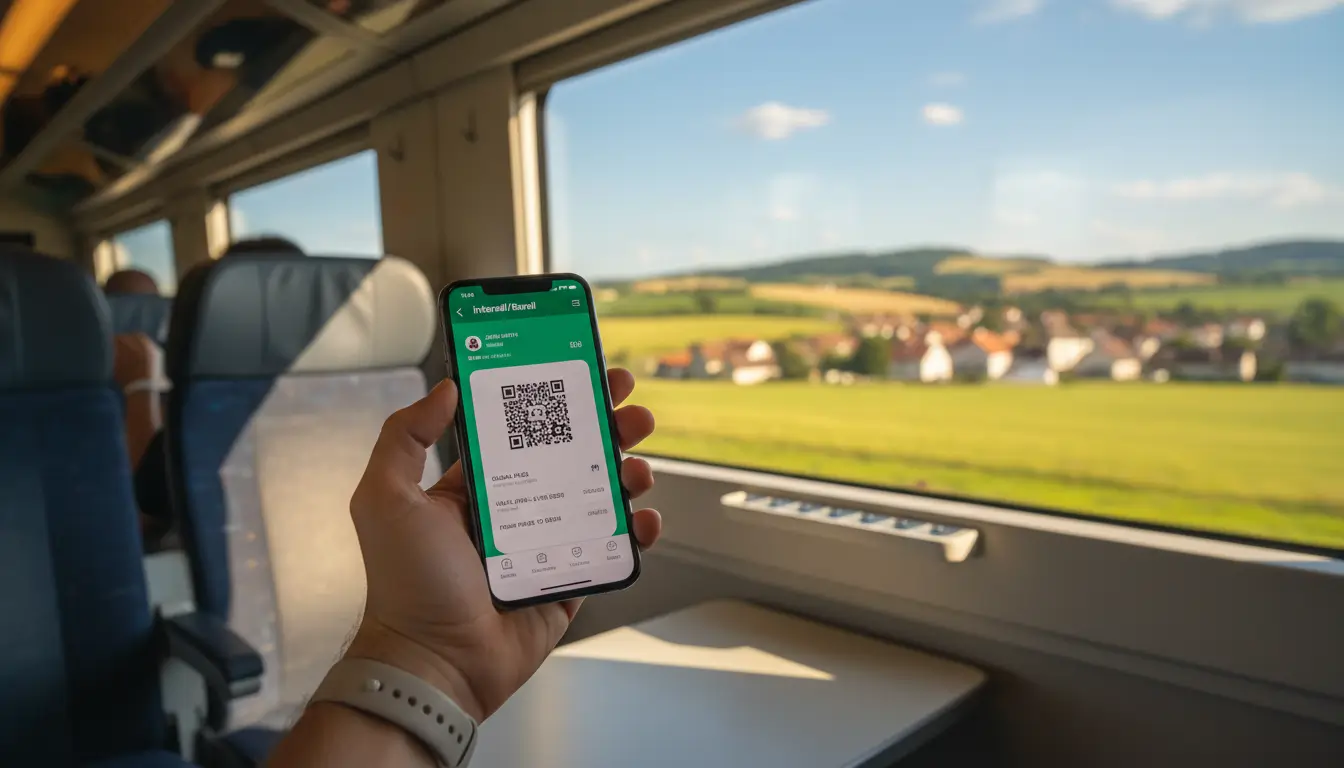
Interrail gives you access to thousands of train connections in Europe for one fixed price. You choose a pass that matches the length of your trip. You decide yourself which destinations you visit. The Interrail and Eurail train passes are available in different variants, from 7 days within one month to 3 months of unlimited travel. For a budget trip, flexible passes are ideal. You only pay for the travel days you actually use.
A pass for 7 days within one month costs around 300 euros. For longer trips you pay about 972 euros for a 3‑month continuous pass, which works out at roughly 13 euros per train ride if you take more than 100 trips. This makes it particularly good value for travellers who want to visit several countries.
‘ Accommodation, food and activities here are about half the price of cities like Paris or Amsterdam. ’
Choose affordable destinations in Eastern and Central Europe
The route you choose largely determines your total budget. Cities in Eastern and Central Europe are considerably cheaper than popular destinations in Western Europe. Berlin, Warsaw, Kraków, Bratislava and Zagreb offer plenty of sights at low cost. Accommodation, food and activities here are about half the price of cities like Paris or Amsterdam.
These destinations have another advantage: most train connections are regional lines without compulsory reservations. You simply use your pass and avoid extra fees of 10 to 20 euros per reservation. A route from Berlin to Warsaw takes 7 to 8 hours with 3 changes. You pay no reservation fees.
Plan your route strategically for maximum savings
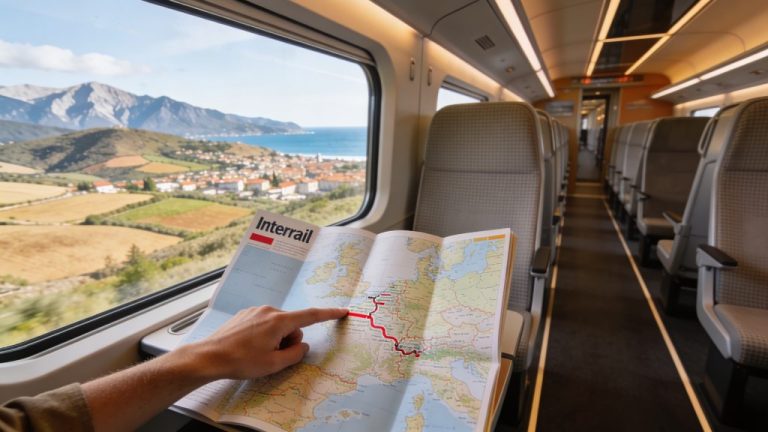
Start by selecting your must‑see destinations. Use a trip planner to map out distances and journey times. Choose circular routes that connect logically. This way you avoid unnecessary kilometres. Start in a central hub such as Berlin or Brussels and build your route out towards nearby countries.
Examples of smart routes:
- 7‑day route: Berlin → Warsaw → Kraków → Bratislava → Zagreb
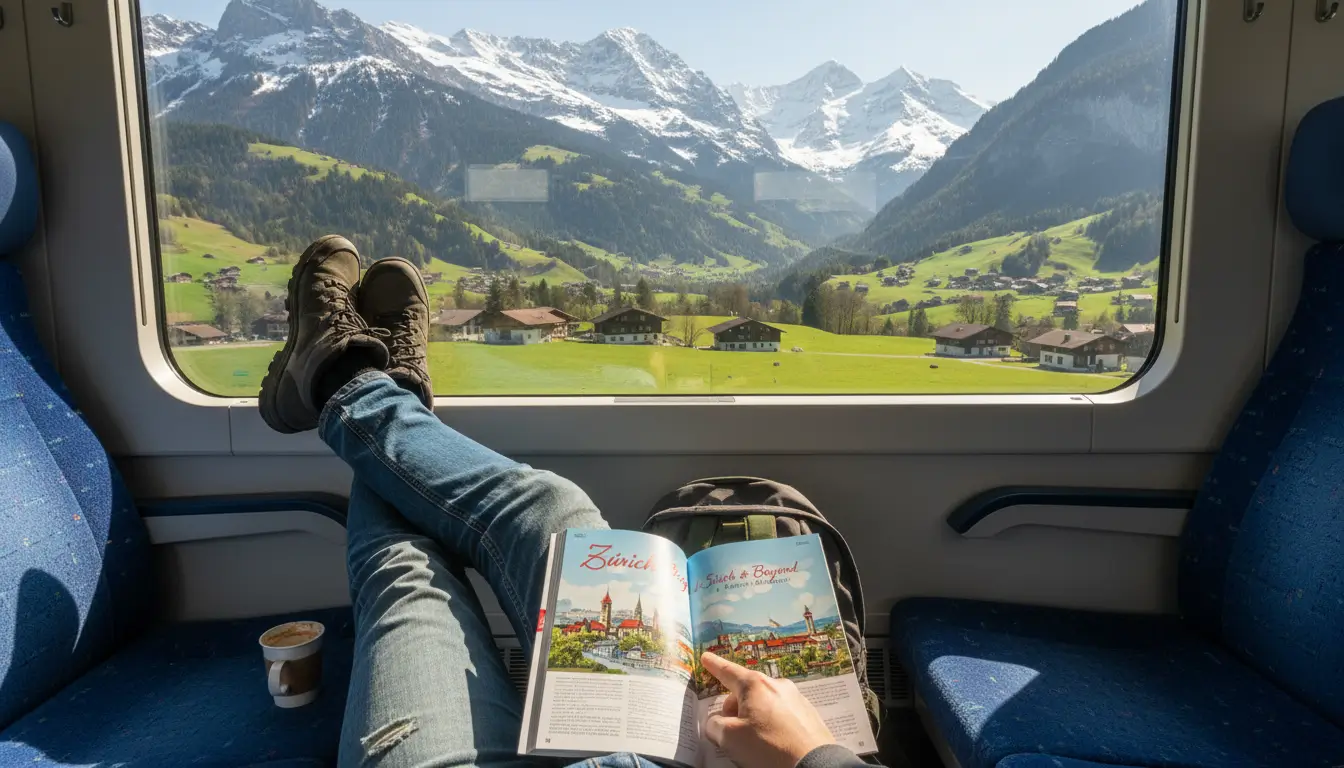
- 10‑day circular tour: Brussels → Cologne → Prague → Vienna → Munich → Zurich → back to Brussels
- Month‑long flexible trip: Paris → Milan → Rome → Naples → back via Switzerland
Take journey times into account. Night trains save you a hotel night. They count as one travel day on your pass. Choose a seat instead of a couchette to avoid extra costs. A night journey only costs you the standard reservation of 4 to 10 euros, whereas a sleeper berth quickly adds 30 to 60 euros.
Save on reservations by making smart choices
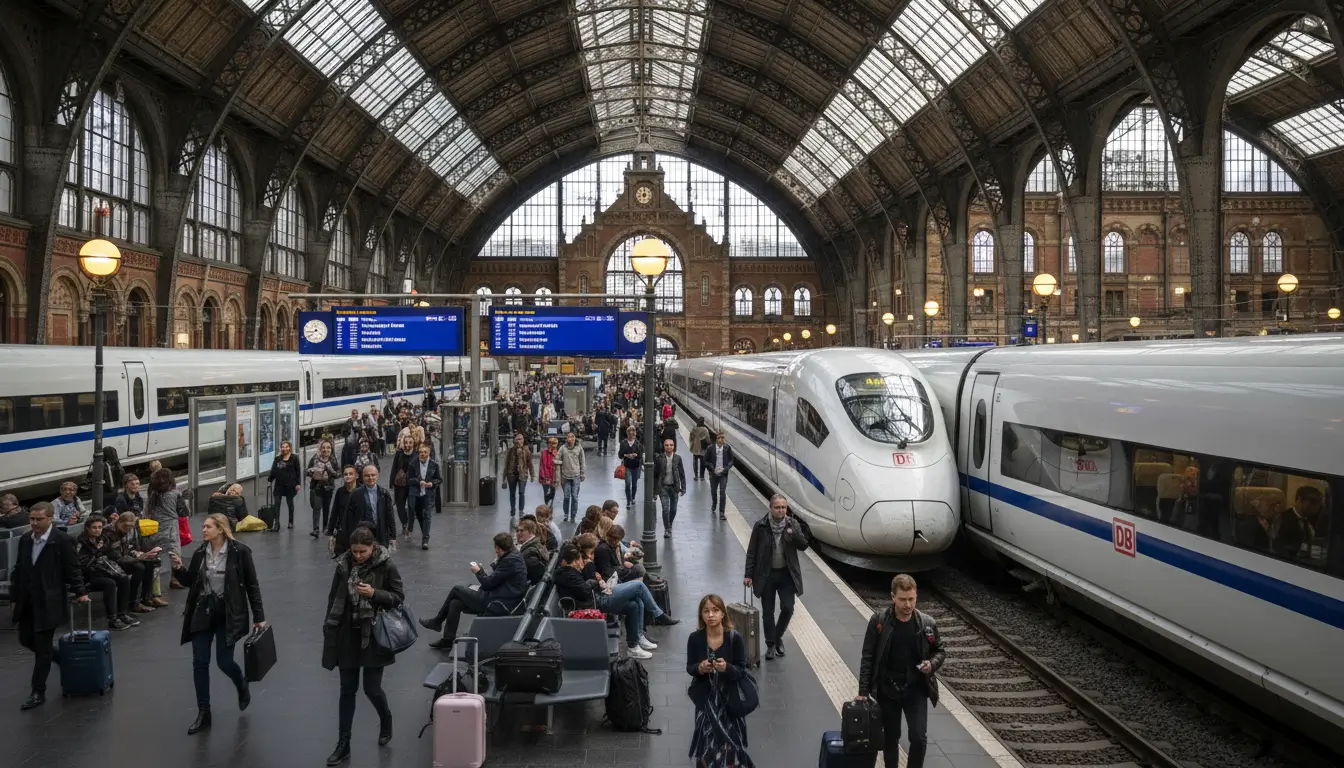
Compulsory reservations are your biggest expense after the pass itself. Fast trains such as TGV, Thalys and Frecciarossa charge 10 to 20 euros in reservation fees per journey. These are international high‑speed trains that take you quickly from city to city. Night trains with couchettes also require reservations. Choose regional trains wherever possible: they are a bit slower but free with your pass.
Book reservations early if you do opt for a fast train. Prices rise as departure dates get closer. For popular routes in high season, early booking is essential to guarantee availability. Travelling outside high season gives you more flexibility and lower prices.
‘ That’s how this budget becomes achievable. ’
Cost overview for a 10‑day Interrail trip
A realistic budget breakdown for a 10‑day trip looks like this:
- Interrail pass: 300 to 350 euros for 7 days within 1 month
- Reservations: 50 to 100 euros (depending on chosen trains)
- Accommodation: 150 to 250 euros (hostels, 15–25 euros per night)
- Food and drink: 150 to 200 euros (local markets and street food)
- Activities: 50 to 100 euros (free options and a few paid attractions)
- Local transport: 30 to 50 euros (metro, bus in cities)
Total: 730 to 1050 euros for 10 days. Opt for cheap accommodation and mainly use regional trains. Plan lots of free activities. That’s how this budget becomes achievable.
Finding and booking cheap accommodation
Hostels are the best option for budget travellers. Prices range from 15 euros per night in Eastern Europe to 30 euros in Western Europe. Book early for better rates and availability. Travelling outside high season leads to substantial savings: hostel prices drop by 20 to 40 per cent outside July and August.
Alternative options are Couchsurfing and camping. Some cities have cheap campsites within walking distance of the centre. Do bear in mind extra costs for equipment if you still need to buy it. Share rooms with fellow travellers if you travel as a group to halve costs.
Eat local and save on food costs
After accommodation, food is your biggest expense. Allow 15 to 20 euros per day for food and drink. Buy breakfast and lunch at supermarkets and local markets. Street food is cheap and gives you an authentic experience. A meal at a local market costs 3 to 7 euros, whereas a restaurant visit quickly adds up to 15 to 25 euros per person.
Hostels with shared kitchens allow you to cook for yourself. Buy ingredients at the supermarket and prepare simple meals. This saves you at least 10 euros per day. Drink tap water instead of bottled water where it is safe to do so.
‘ Wander through historic districts instead of booking paid guided tours. ’
Free activities and sights
Many European cities offer free access to parks, markets and certain museums. In Berlin, the Neue Nationalgalerie is free after 4 pm on Thursdays. Parks such as Müggelsee are always free. Bratislava offers free admission to various museums on the first Sunday of the month.
Wander through historic districts instead of booking paid guided tours. Use free apps with walking routes. Many cities also organise free walking tours where you give a tip. Many cities host free festivals and events in the summer months. Check local websites for up‑to‑date information.
Travel outside high season for extra savings
Travelling in spring or autumn saves you significantly across the board. Interrail passes are sometimes on offer outside the high season. Accommodation is cheaper and less crowded. Trains are quieter, giving you a better chance of finding good seats without a reservation.
Avoid July and August for popular routes in Southern Europe. Temperatures are high and prices peak. April, May, September and October offer pleasant weather and lower costs. In Eastern Europe winters are cold but very cheap for travellers on a tight budget.
Use local transport smartly in cities
Urban transport in European cities usually costs between 2 and 4 euros per journey. Buy day tickets or multi‑day passes if you will be moving around a lot within a city. Prices range between 5 and 15 euros per day. Walking and cycling are free alternatives in compact cities like Kraków and Bratislava.
Many hostels rent out bikes for 5 to 10 euros per day. This is cheaper than using public transport frequently. Check whether you are entitled to a student discount. You will need a valid student ID card. Some cities also offer senior discounts.
‘ Don’t fix everything in advance, but leave room for spontaneous changes. ’
Stay flexible and adjust on the road
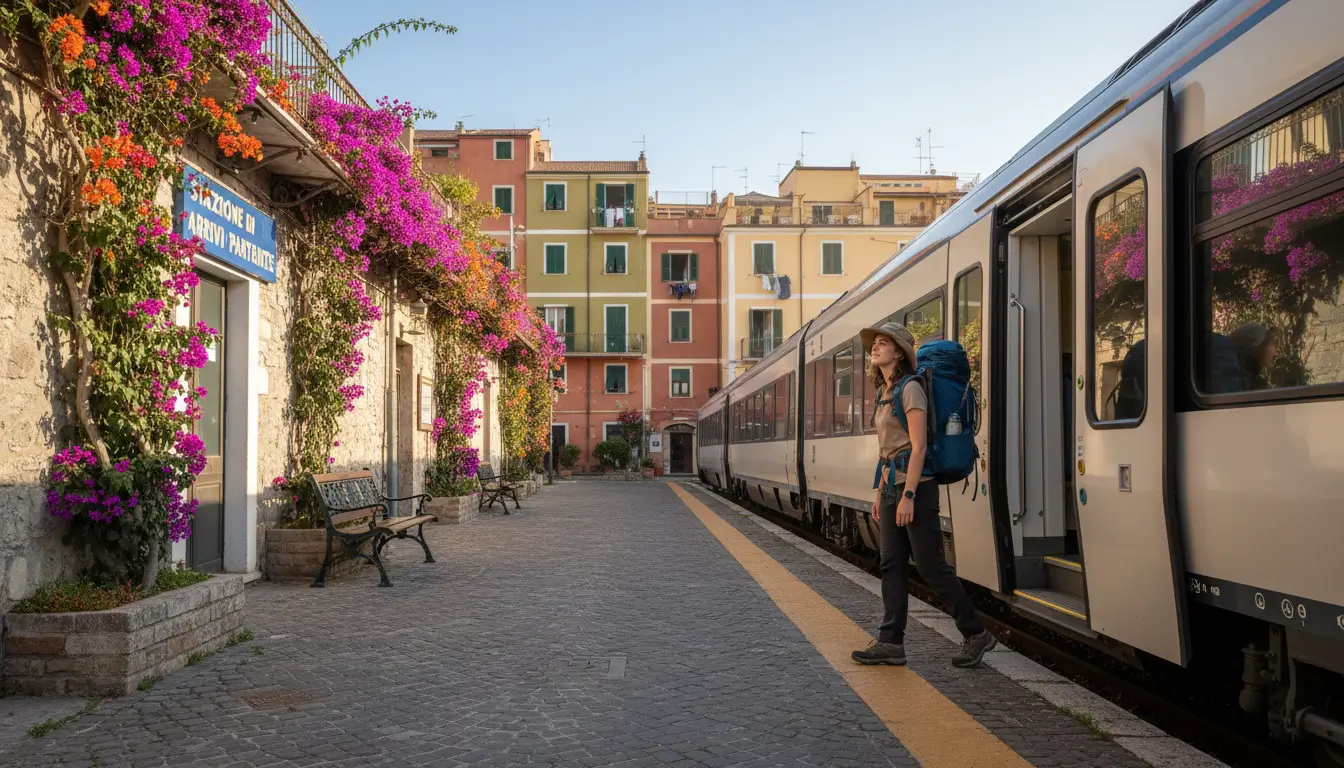
Flexibility saves money and stress. Don’t fix everything in advance, but leave room for spontaneous changes. If a destination turns out to be more expensive than expected, leave earlier for the next city. Apps help you check current prices and availability. This way you keep an overview during your trip.
Share experiences with other travellers in hostels. They often have great tips about cheap restaurants, free activities and affordable transport options. Join group outings to share costs for tours or transport to remote places.
Extra tips for maximum budget control
Keep track of your spending. Use an app or a notebook. This helps you stay within budget and gives you insight into where your money is going. Take a credit card with no extra fees for foreign payments. These are the charges you pay when withdrawing cash or paying abroad. This way you avoid those extra costs.
Get good but not excessive insurance. Travel insurance is essential, but don’t choose expensive comprehensive packages if you only need basic cover. Budget around 30 to 50 euros for a good short‑term policy. Check whether your current health insurance offers cover in Europe.
On the Traveler Tips website you’ll find plenty of information on train journeys, routes and practical preparations for your trip. Discover more tips on other European destinations, regulations and smart planning tools that help you prepare your next trip even better.
Frequently asked questions
Choose cheap accommodation such as hostels, Couchsurfing or house‑sitting and book early, especially outside high season. Save on food by shopping at supermarkets and local markets and cooking for yourself in hostel kitchens. For hot meals, eat at street food stalls or simple local eateries instead of tourist restaurants. Choose night and regional trains to save on overnight stays and keep more budget for food.
Use Interrail as your “backbone”: before you leave, set a few fixed main routes and cities (for example Berlin – Warsaw – Kraków – Bratislava – Zagreb) with your pass. Between those fixed stops, deliberately leave room for spontaneous detours using regional, reservation‑free trains or short bus rides. Only book the first nights in each city and decide on the spot whether to stay longer or move on earlier. Use a trip planner app to slot new stops and scenic lines into your existing Interrail route while you travel.
Essential preparations include choosing a logical, flexible route in advance and selecting the right Interrail pass to match the number of travel days. It is also crucial to book (budget) accommodation and any compulsory seat reservations in good time, especially in high season. Plan enough travel days with regional trains to avoid expensive reservations and use apps for real‑time travel information. Finally, keep a clear budget for transport, food and activities so you can make relaxed decisions on the spot.
Combine Interrail with car hire by renting a car for a few days in an easily accessible train hub (for example Berlin, Zagreb or Milan) to explore nearby nature areas and remote villages. Plan your car‑hire periods between two longer train legs so you avoid expensive one‑way fees and long driving distances. Use regional trains without compulsory reservations to get to a budget‑friendly city and hire a car there, which is often cheaper than at airports. Always return the car in the same city and continue your journey by train to save on parking costs and unnecessary rental days.
Start by deciding on your travel pace: for a round trip, allow for no more than one travel day every 3–4 days, so that you have 2–3 full days per destination. Use a map or trip planner to sketch the rough outline of your route first, then check travel times between cities, including changes. Plan no more than one main activity per day (for example a museum or a day trip) and keep the rest of the time free for wandering, breaks and unexpected discoveries. Finally, build in a “rest day” every 7–10 days without travel or major sights.