 NL
NL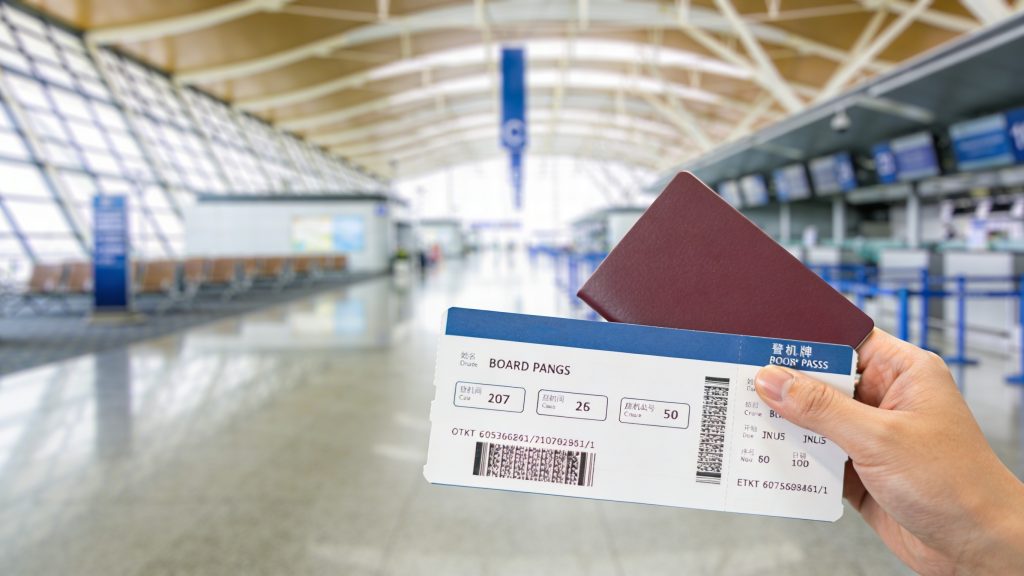
The check-in process on embarkation day is similar to an airport, but with more luggage and a voyage as your reward. You drop off suitcases, have your documents checked and go through security before you set foot on the ship. This process takes on average one to three hours, depending on the cruise line and how busy the terminal is. For many cruisers this moment marks the real start of their trip, but without good preparation the process can take longer than necessary. If you know exactly what to do and when, you will move smoothly from the quayside to your cabin.
Online check-in saves time and keeps things clear
Most cruise lines offer online check-in from thirty days before departure. The deadline is usually three days before departure. It is not compulsory, but it speeds up the process at the terminal considerably. You enter personal details such as your full name, date of birth, passport or ID number, address, an emergency contact and flight details if you are flying before or after the cruise. You also link a credit card for on-board spending.
After entering your details, you accept the terms and conditions and gain access to e-tickets, luggage labels and a digital boarding pass. Only print this boarding pass seven days before departure, because the barcode can still change before that. Make sure you double-check everything: passports and visas do not belong in your checked luggage, but in your handbag or rucksack. Many cruise lines also offer the option to choose an early time slot via an app, which gives you priority when boarding. During your first cruise this can make the difference between calmly looking around or joining the back of a long queue.
Arrival at the terminal and dropping off luggage
On the day itself you arrive at the time stated on your ticket. Do not come too early and not too late: thirty to sixty minutes before your time slot is ideal. On arrival you will immediately see signs and directions to the check-in area. Porters, recognisable by yellow vests, help you free of charge with transporting heavy suitcases.
The first step is to drop off your checked luggage at the baggage drop-off, usually on the left-hand side of the lobby. Label your suitcases at home with the labels you received via online check-in. Make sure your name, stateroom number and ship name are clearly visible, preferably on both sides of the suitcase. Keep important items in your hand luggage:
- Medicines and medical documents
- Passport or ID card
- Cruise documents and boarding pass
- Valuables such as jewellery or electronics
- A change of clothes for the first day, because luggage is sometimes only delivered in the evening
Your checked luggage will be brought to your cabin later in the day. This can take a few hours. Do not assume that you will have access to all your belongings in your cabin immediately on arrival.
What happens at the check-in desk
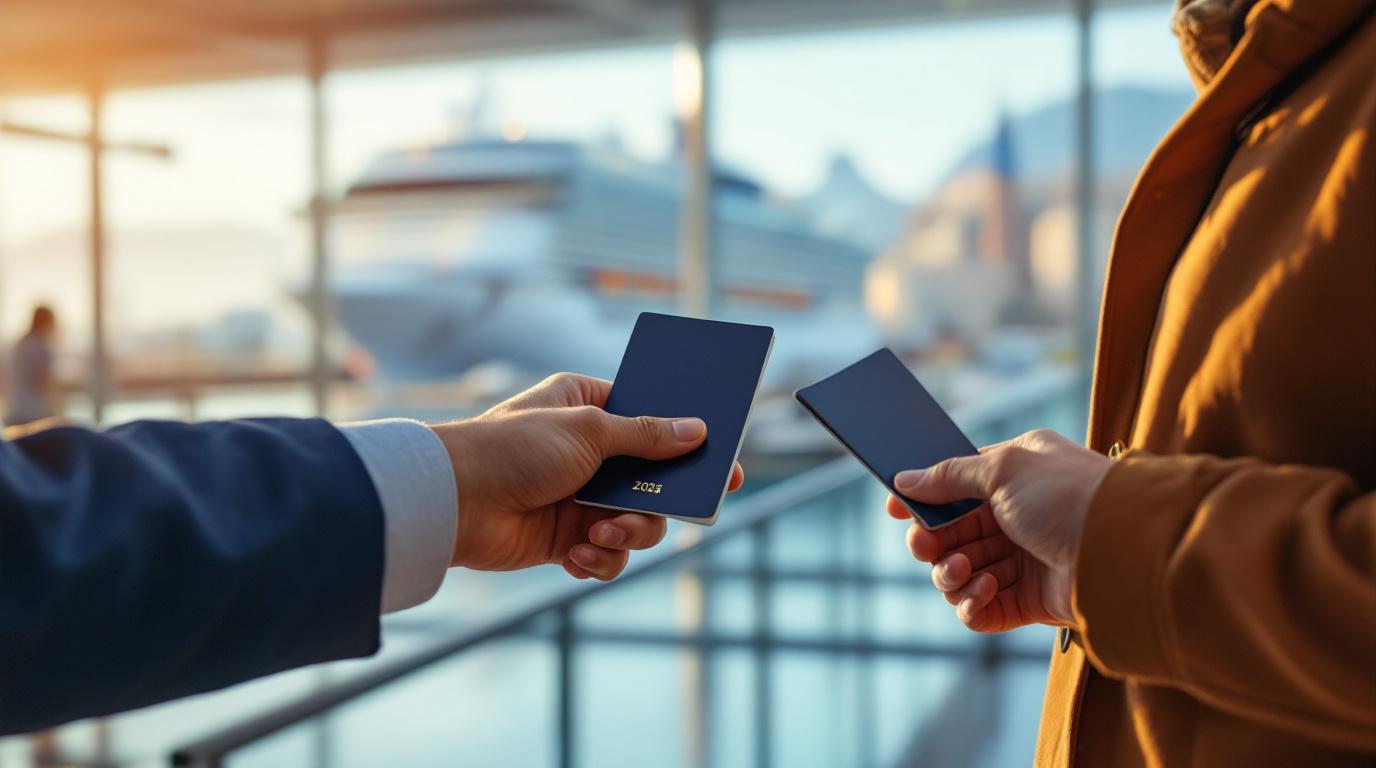
After dropping off your luggage you walk to the check-in desk. Here you show your boarding pass or QR code, your passport or ID card and any visas required for the itinerary. The staff check your documents and take a security photo of your face. This serves as identification during the cruise and when getting on and off the ship in ports.
You will receive a physical cruise card, also called a boarding card. You use this card as the key to your cabin, as a means of payment on board and as an access pass when leaving and boarding the ship. Keep this card safe and carry it with you at all times. Guests in a suite or with VIP status often receive priority and are escorted by a butler or personal contact.
Through security and passport control
After the check-in desk you go through the security check. This is similar to an airport: put your hand luggage, coat and metal items on the belt and walk through the scanner. At some terminals you will see an instruction film before you go through the check. Then scan your boarding card to gain access to the next step.
Next comes passport control, carried out by the military police or border police. Show your passport or ID card again here. This check is required by law and cannot be skipped. Once approved, you walk onto the ship via the gangway. This moment officially marks the start of your cruise.
‘ ships do not wait for late guests. ’
The first hours on board and what you can do
As soon as you are on board you can look for your cabin. However, there is a good chance that it is not yet accessible or that your luggage has not yet arrived. Most ships open cabins around midday. Until then you can explore the ship, get something to eat in the buffet restaurant and familiarise yourself with the layout.
Many cruise lines offer a complimentary welcome drink at the buffet. This is also a good time to memorise the location of important places, such as restaurants, the theatre, reception and emergency exits. Check your cruise card to see whether a time slot for dinner has already been reserved and whether there are specific dress codes for certain evenings.
Bear in mind that the ship normally closes to new boarding passengers two hours before departure. Make sure you are on board in good time, because ships do not wait for late guests. Once you have sailed, there is often a mandatory safety drill, during which you go to your muster station and receive instructions about life jackets and emergency procedures.
Useful points to bear in mind
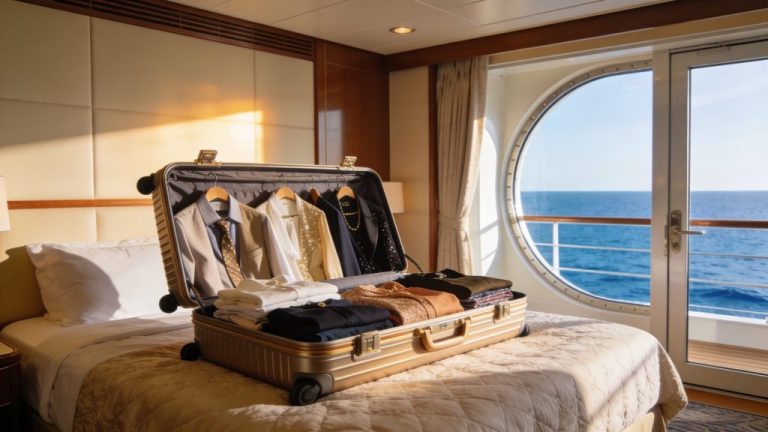
There are a few practical points that make all the difference on embarkation day. A smooth process prevents hectic situations and stress. Pack your suitcase smartly: roll clothes instead of folding them, use vacuum bags to save space and label both sides of your suitcase. Take a small rucksack or bag with everything you will need for the first few hours.
Make sure you have all documents to hand before you arrive at the terminal. This means:
- A valid passport (some countries require six months’ remaining validity)
- Your cruise confirmation or voucher
- Boarding pass (digital or printed)
- A credit card for on-board registration
Travellers with children must arrange a separate passport for each child. Some cruise lines, such as Disney, require this by default, even for babies. If you are travelling with several people, book time slots together so that you can board at the same time.
Waiting times vary greatly depending on the time of day. The first two hours after the terminal opens are usually the busiest. If you have a flexible time slot, choose the afternoon. Suites and loyalty programmes often offer faster access via separate desks.
Common mistakes and how to avoid them
One of the most common mistakes is arriving too early or too late. Too early means waiting in the terminal without access to facilities; too late leads to stress and longer queues. Stick to the time slot on your ticket. Another common mistake is forgetting important documents, especially visas for certain countries on the itinerary. Check this months in advance.
Some cruisers expect their cabin to be available immediately. This is rarely the case. Plan the first hours on board as a time for exploring and relaxing, not as the moment to unpack your things. Eat before the ship departs, because buffets are often temporarily closed during the safety drill.
Finally, do not pack your checked luggage full of things you will need on the first day. Take a change of clothes and toiletries in your hand luggage, especially if you want to swim straight away or go to the gym as soon as you are on board.
‘ On the Traveler Tips website you will find much more information about cruises, practical travel tips, sights and routes to help you plan your trip even better. ’
Discover more on Traveler Tips
A smooth embarkation day starts with good preparation. If you know the steps and what to expect, boarding will be calm and you can start enjoying your cruise more quickly. On the Traveler Tips website you will find much more information about cruises, practical travel tips, sights and routes to help you plan your trip even better. Discover the handy guides and let yourself be inspired for your next trip.
Frequently asked questions
Make sure you have all travel documents ready: passport/ID, cruise voucher/boarding pass, any visas and a credit card for on-board spending. Print (or download in the app) your e-tickets and luggage labels and attach the labels to your checked luggage in advance. Pack separate hand luggage with medicines, valuables, swimwear and clothes for the first few hours, because your suitcases will be brought to your cabin later. Finally, keep your allocated check-in time and terminal information clearly to hand to limit waiting times.
On arrival I follow the signs to the terminal, stick to my allocated check-in time and make sure my passport, ticket/boarding pass and luggage labels are already ready. I drop off my labelled checked luggage with the porters and keep important items (documents, medicines, valuables, first change of clothes/swimwear) in my hand luggage. I then go to the check-in desk to show documents and receive my cruise card, followed by security and any passport control. On board I first calmly get something to eat or explore the ship while I wait for my luggage to be brought to the cabin.
Make sure you check in online and complete all details so that at the terminal you only need to show documents. Stick to the allocated check-in time slot on your ticket and ideally arrive 30 to 60 minutes before that time slot, so you have some margin for unexpected delays without having to stand in line for long. Take important items (passport, medicines, valuables, a change of clothes) in your hand luggage, as your suitcase will be delivered to your cabin later. Try to be at the terminal at least 2 to 3 hours before departure, unless the cruise line explicitly indicates a different time window.
Yes, most cruise lines have their own app or online portal with which you can check in online in advance, register personal details and a means of payment, and download your boarding pass (QR code). By doing this at home, you usually only have to show your documents at the terminal and the desk check-in is much faster. Via the app you can sometimes also choose or change your check-in time (time slot), helping you avoid busy periods. Well before departure, check the website or app of your cruise line and complete online check-in as early as possible.
The key thing is to check in advance exactly where you have to park (cruise parking, multi-storey car park or shuttle area) and whether you need to reserve a space. On arrival, follow the signs and first drop off your checked luggage with the porters before you park the car for good. Make sure luggage labels are properly attached in advance and always keep medicines, travel documents and valuables in your hand luggage. Bear in mind that checked luggage will only be delivered to your cabin later.