 NL
NLThe One Country Pass focuses on one country, while the Global Pass gives you access to 33 European countries. The choice depends on your travel plans and budget. For anyone wanting to visit several countries, a Global Pass is often better value. If you are concentrating on a single destination, a One Country Pass may suit you better. In this article we compare both options and help you make the right choice for your train journey.
Where each pass is valid
The biggest difference between the two rail passes lies in their geographical coverage. With a Global Pass you can travel through 33 European countries, from Spain to Finland and from Ireland to Romania. You can cross as many borders as you like within the validity of your pass.
The One Country Pass is valid in one specific country. This could be Germany, the Benelux (Belgium, the Netherlands and Luxembourg together), France, Italy or Switzerland. In total there are One Country Passes available for 32 different countries. You are restricted to the borders of that one country or region.
‘ If you are visiting two or more countries, a Global Pass is often the better deal. ’
Price differences by travel pattern
Prices vary quite a lot. A Global Pass for 4 travel days within 1 month starts at around €258 in second class. If you want 5 travel days, prices start at €296. For longer trips with continuous days you pay more, but you can then travel every day without restrictions.
The price of a One Country Pass depends on the country you choose. For countries such as Croatia, Slovenia or Lithuania, prices start from just €54. Germany costs around €153. Switzerland, France and Italy cost about €133. Note: a One Country Pass can work out more expensive than you might think. If you are visiting two or more countries, a Global Pass is often the better deal.
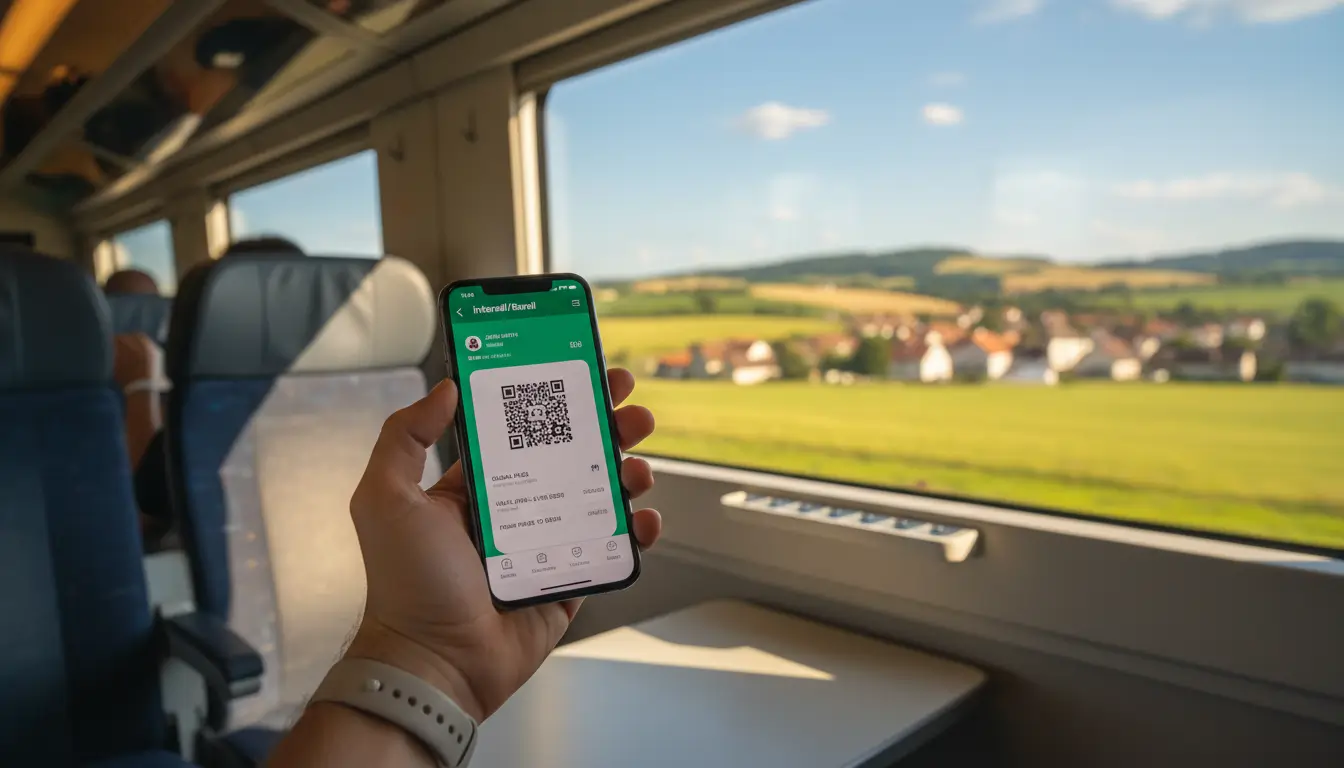
Flexible days or continuous travel
Both passes offer two types of travel pattern. You choose between flexible days or continuous days.
With flexible days you can travel, for example, 4, 5 or 7 days within 1 month. You can also choose 10 or 15 travel days within 2 months. You only activate the days on which you actually travel by train. Between train journeys, you can stay in one place for longer.
With continuous days you travel non-stop within a fixed period. Think of 15 days, 22 days, 1 month or even 2 or 3 months. This option works well if you are on the move almost every day and regularly hop from place to place.
When to choose a Global Pass
A Global Pass is the best choice if you want to visit several countries. You have the freedom to adjust your trip along the way and can cross borders without extra cost. This makes spontaneous detours and extra stops possible.
Travellers planning a route through Central Europe benefit from this flexibility. Think, for example, of Germany, Austria and the Czech Republic. The Global Pass is also practical if you depart from and return to the Netherlands or Belgium. You may travel once from your country of residence to your travel destination and once back again. These inbound and outbound journeys do count as travel days.
Always compare the cost of a Global Pass with several single tickets or a few One Country Passes. From two countries upwards, a Global Pass is often cheaper.
‘ This pass offers more flexibility within that one country. ’
When to choose a One Country Pass
A One Country Pass is the smart choice if you want to focus entirely on one country. Think of a round trip through Germany, visiting cities such as Berlin, Munich, Hamburg and Cologne. Or a journey of discovery through Italy, from Rome to Florence and Venice.
This pass offers more flexibility within that one country. You can take local trains and regional connections at no extra cost. For countries with an extensive rail network, such as Germany, France or Spain, this gives you a lot of freedom.
There is also a One Country Pass for the Benelux. With it you can travel through Belgium, the Netherlands and Luxembourg, ideal for anyone wanting to get to know this region better without visiting other countries. The price is often lower than that of a Global Pass, especially for shorter trips.
Global Pass or One Country for Germany
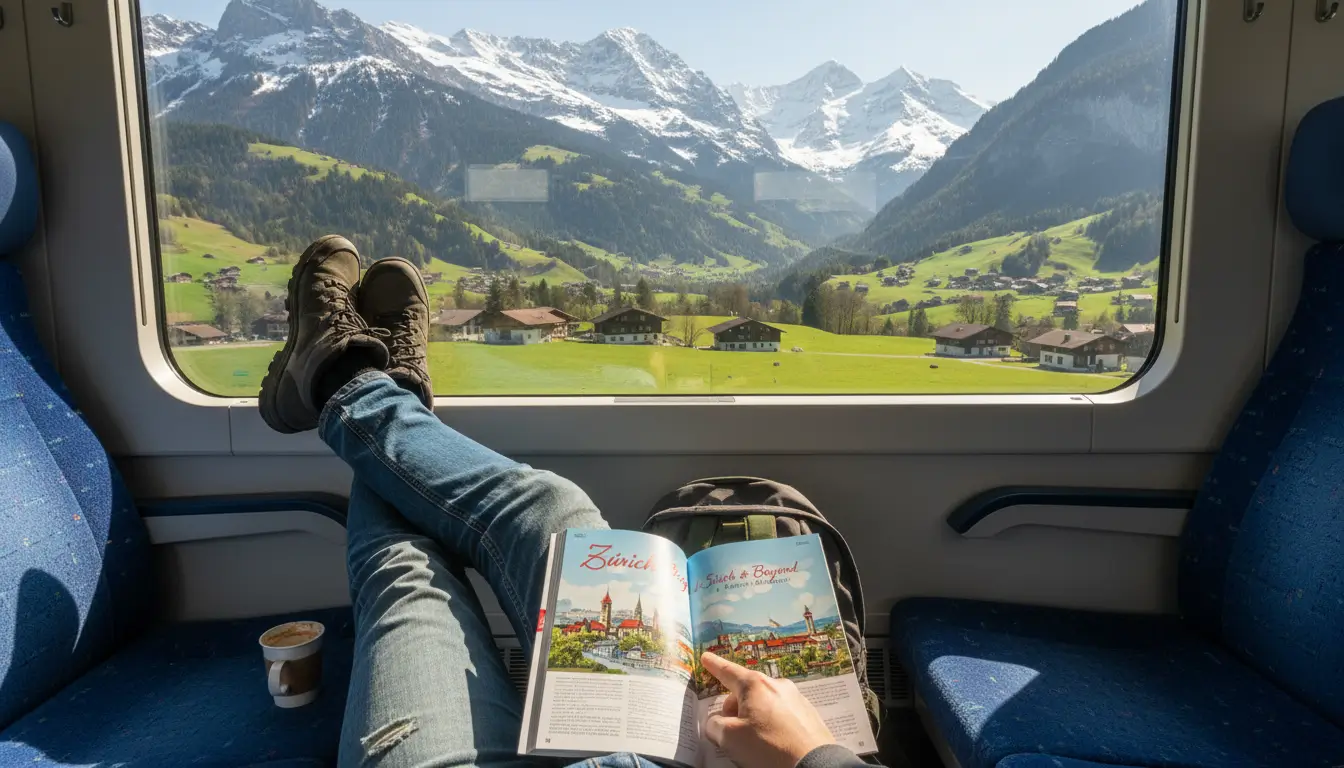
Germany is a popular destination for rail travellers. The country has an excellent rail network with fast connections between major cities and charming regional lines through the Alps, the Black Forest and along the Rhine.
If you only want to travel within Germany, the One Country Pass is often the cheapest option. You pay around €153 and can activate several travel days within one month. That is cheaper than a Global Pass, especially if you are not planning any cross-border journeys.
If you are planning to travel on from Germany to Austria, Switzerland or the Czech Republic, a Global Pass is the better choice. A single day trip to Salzburg or Prague already justifies the extra cost. Work out in advance how many individual tickets you would otherwise have to buy.
Interrail One Country Benelux: when it makes sense
The Benelux Pass covers Belgium, the Netherlands and Luxembourg. Although these countries are small, they offer a lot of variety: from Amsterdam’s canals to Belgian towns and the Ardennes.
This pass is useful for travellers from abroad who want to explore the Benelux. If you live in the Netherlands or Belgium yourself, you are not allowed to use the pass for domestic trips within your own country of residence. You may, however, travel to the border once and back once.
If, for example, you want to travel from the Netherlands to Brussels, Bruges, Luxembourg City and Maastricht, this pass is convenient. You do not need to buy separate tickets and you remain flexible in your planning. For anyone living outside the Benelux and wanting to discover only this region, it is a smart option.
‘ The difference lies in the target group: Interrail is intended for European residents, while the German Rail Pass is available to travellers from outside Europe. ’
Difference between Interrail Global and German Rail Pass
Alongside Interrail there is also the German Rail Pass, a pass specifically for Germany. The difference lies in the target group: Interrail is intended for European residents, while the German Rail Pass is available to travellers from outside Europe.
For Europeans, the Interrail One Country Pass Germany is a suitable option. This pass works the same as the German Rail Pass in terms of coverage. The pass is tailored to the European market. Prices and conditions are similar.
Both passes cover virtually all trains within Germany, including intercity trains and regional connections. Note: on some high-speed and night trains you must make a compulsory reservation and pay a supplement. This applies to both Interrail and the German Rail Pass.

Practical tips for making your choice
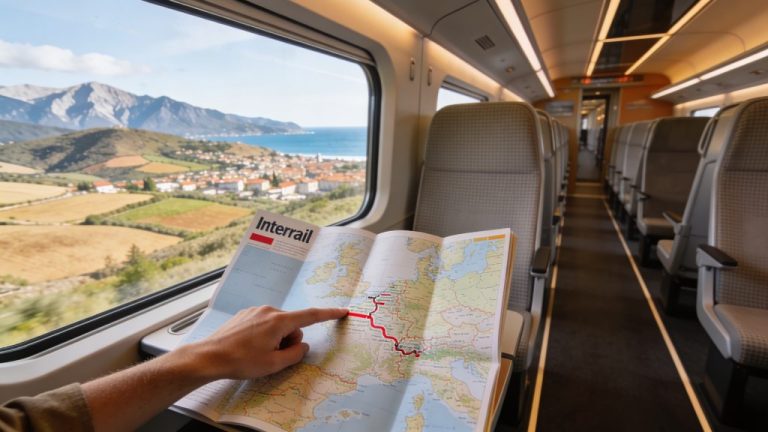
First map out your route before you buy a pass. Write down all the cities and places you want to visit. Then count the number of train travel days. This immediately gives you an idea of the type of pass you need.
Use the Rail Planner App to check your travel route. This official app shows which trains are covered by your pass and where you may need reservations. Some popular routes, such as those between major cities, require an advance seat reservation.
You can choose between first and second class. First class offers more comfort and space but costs significantly more. For most travellers, second class is perfectly adequate. The trains are clean and comfortable, and they have Wi-Fi and power sockets.
You can also choose between a digital Mobile Pass and a paper version. The Mobile Pass is available immediately after purchase and is convenient for last-minute plans. A paper pass has to be sent to you and has a longer delivery time.
Discover more on Traveler Tips
The choice between a One Country Pass and a Global Pass depends on your travel plans, budget and preferences. If you are visiting several countries, the Global Pass is usually the smartest choice. If you are focusing on one destination, the One Country Pass gives you more value for money.
On the Traveler Tips website you will find extensive information about train travel through Europe, practical tips for on the road and handy routes for different destinations. Explore more articles, compare options and prepare for your trip in the best possible way.
Frequently asked questions
The pass with the best value for money depends on how many countries you visit and how often you travel. If you visit two or more countries and are travelling on regularly, the Global Pass usually offers the best value. If you focus on one country and want to explore it in more depth, a One Country Pass is generally cheaper. First sketch out a provisional route and count your actual travel days to choose the most cost-effective pass.
A Global Pass gives you the greatest flexibility to spontaneously add new countries and unexpected routes, because you can freely rearrange your plans across 33 countries. A One Country Pass is more limited geographically, but lets you explore one country in depth with more time for local places and culture. For maximum freedom of route, the Global Pass is therefore more suitable. For the richest cultural experience in a single country, the One Country Pass usually offers more depth.
No, there are essentially no major differences in reservation procedures or access to travel classes between the One Country Pass and the Global Pass: both use the same 1st/2nd class options. For high-speed and night trains, a compulsory (and sometimes paid) reservation is often required with both passes, regardless of which one you choose. The availability of comfortable seats therefore mainly depends on the train and how early you book, not on the type of pass. The impact on your travel experience is therefore mainly in the geographical coverage, not in the comfort or reservation system.
The Global Pass simplifies the planning process the most for a traveller who is organising their holiday themselves and wants to plan everything in detail in advance. This pass covers 33 European countries, meaning that with a single product you can plan all your international train journeys. As a result, you have fewer individual tickets to arrange and fewer country-specific conditions to research. Combined with tools such as the Rail Planner App, this makes planning routes and travel days in advance much clearer.
A One Country Pass is particularly significantly cheaper or more practical in countries where the national pass is relatively inexpensive or where you travel a lot within one country, such as in budget-friendly countries (e.g. Croatia, Slovenia, Lithuania) or when you focus entirely on one country (e.g. only Italy or only Switzerland). In more expensive or larger countries (such as Germany, France, Italy or Switzerland) a One Country Pass can be financially attractive if you travel intensively within that single country. A Global Pass is generally more cost-effective as soon as you visit two or more countries and make many cross-border journeys. The Global Pass is more practical for travellers with a flexible, multi-country route, while the One Country Pass is more practical for an in-depth exploration of one specific country.