
 NL
NL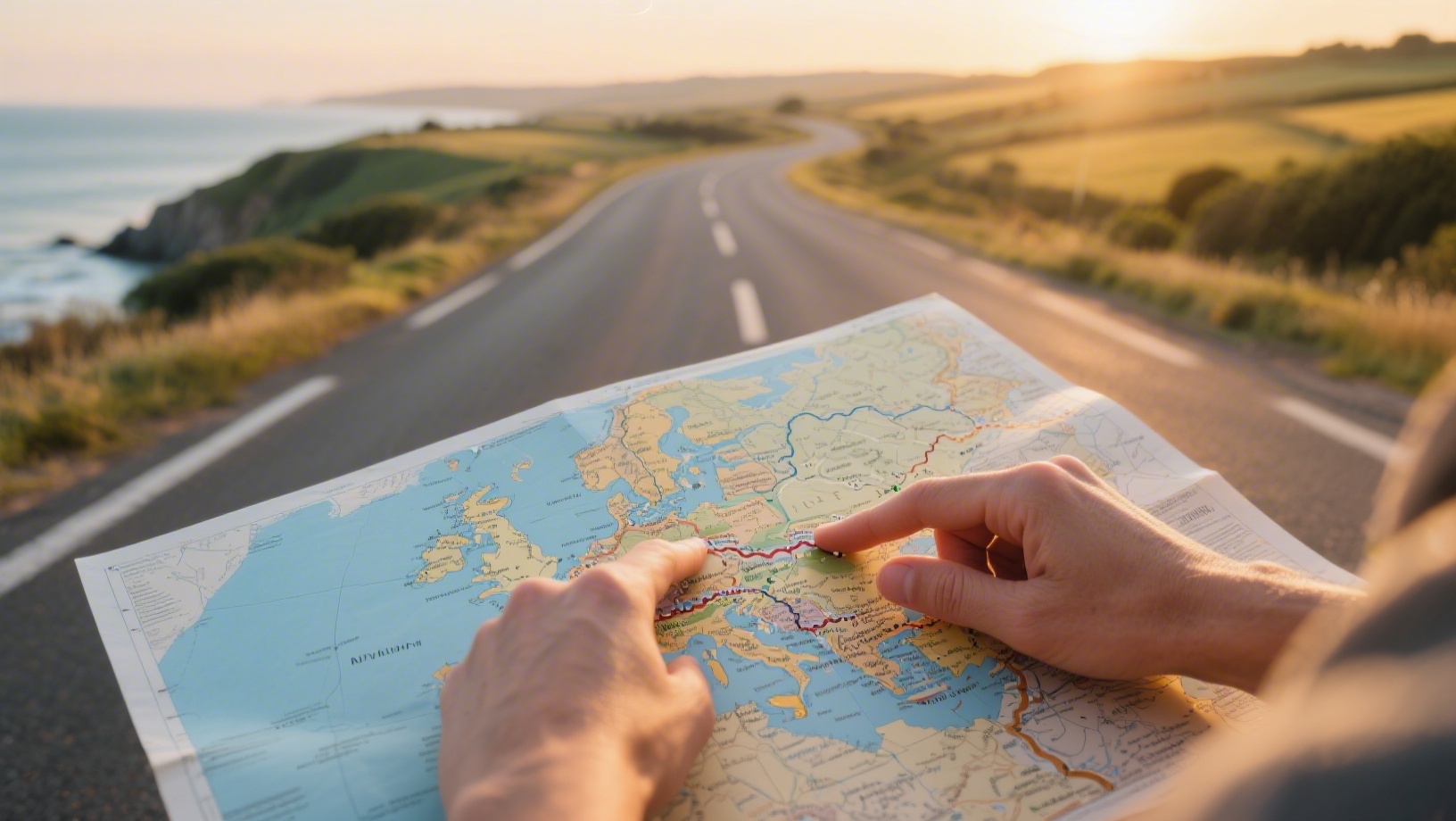
Driving in unfamiliar countries calls for different reflexes than at home: making eye contact, looking far ahead and anticipating local habits can make the difference between stress and relaxation. This article shows you which tips and driving habits will get you safely across Europe.
Why looking far ahead is your best safety net
Most accidents abroad happen because people react too late. If you look far ahead, you see traffic signs, narrowings in the road and unexpected manoeuvres by other road users well in advance. That gives you valuable seconds to adjust what you do. In heavy traffic in Southern European cities, where drivers may brake or pull in suddenly, this can literally be life-saving.
Always keep checking your mirrors as well. Are you driving on a two-lane road in France? Then check your rear-view mirror regularly for fast-approaching traffic. Motorcyclists often overtake on both the left and right. By looking far ahead and checking behind you, you stay in control.
‘ But rules are one thing, behaviour is something else. ’
Eye contact prevents confusion at roundabouts
In many European countries the rule at roundabouts is priority from the right. This does not always apply if traffic signs indicate otherwise. But rules are one thing, behaviour is something else. Make eye contact with other drivers before you enter or continue on the roundabout. Check whether the other driver is actually intending to give way. That prevents accidents in unclear situations.
In Italy and Greece eye contact is even more important. Traffic lights and signs are sometimes interpreted rather loosely there. If you see another driver nod or slow down, you know you can cross or merge safely. Don’t blindly trust the traffic rules, read the traffic.
Driving too slowly makes things more dangerous
Feeling nervous when driving in unfamiliar territory is understandable. However, driving too slowly increases the risk of accidents. Traffic behind you becomes frustrated and starts making dangerous overtaking manoeuvres. That increases the chance of collisions.
Try to move with the local traffic speed, without exceeding the speed limit. On the German Autobahn many drivers go 130 kilometres an hour or faster. If you drive at 90, you become an obstacle. Move over to the right-hand lane and let faster traffic pass. That is safer for everyone.
- Adjust your speed to the surroundings and the volume of traffic
- Do not drive more than 10 kilometres per hour below the permitted speed
- Choose the right-hand lane if you feel unsure
- Always let faster traffic pass
Get in lane in good time and avoid stress
Navigation apps sometimes tell you to turn off quite late. That leads to sudden lane changes. Abrupt manoeuvres also happen more often because of this. So look in advance at the route description to see which exit you need. Get into lane a few hundred metres beforehand so you can move calmly to the correct lane.
In countries with a complex junction system this is even more important. Think of Belgium and France. Some exits split shortly before the slip road. If you get into lane too late, you miss your exit and have to drive kilometres out of your way. That causes unnecessary fatigue and irritation.
This is how you prepare for lane selection
- Set your navigation to speaker mode and listen actively
- Check the route in advance for complex junctions or exits
- Use your indicator well before you change lanes
- Do not force your way between other traffic if there is no space
‘ By anticipating instead of reacting, you stay calm. ’
Recognising and following local habits
Every country has its own unwritten traffic rules. In Italy drivers use their horn a lot. That is rarely meant aggressively. It is more a way of saying: I’m here too. In Scandinavia, by contrast, using your horn is rare. It is considered impolite. If you know these nuances, you understand the traffic better and you are less likely to get stressed.
In France and Spain cars on mountain roads often drive in the middle of the road. Adjust your speed and expect that oncoming traffic will only move over at the last moment. On narrow roads in Portugal, traffic going uphill always has priority. So wait patiently if you are driving downhill and oncoming traffic is approaching.
How to avoid stress in chaotic traffic
Chaotic traffic calls for patience and anticipation. Think of large Southern European cities. Do not drive too close to the vehicle in front and always keep an escape route open. Accept that other drivers will merge without indicating. By anticipating instead of reacting, you stay calm.
Take regular breaks. Tiredness makes you less alert and increases the chance of mistakes. Plan a stop every two hours to relax. Use that time to stretch your legs and have a drink.
Overtaking safely without risk
Overtaking abroad calls for extra alertness. Look far ahead. Judge whether you have enough space to complete the overtaking manoeuvre. Always check your blind spot before you pull out. In countries such as Poland and Romania lorries sometimes overtake each other on two-lane dual carriageways, forcing you to slow down in a car.
Never overtake at blind bends, on hills or near junctions. In Greece you may use the middle lane of three-lane roads to overtake, but that is unusual in many other countries. Always follow the local traffic rules to avoid confusion.
- Use your indicator before you start overtaking
- Only overtake if you are at least 20 kilometres per hour faster than the car in front of you
- Move back to the right-hand lane as soon as the overtaking manoeuvre is complete
- Never force an overtaking manoeuvre if there is not enough space
What to do if you break down at the roadside
Breaking down abroad is annoying, but it is not a disaster if you are prepared. If you have a breakdown, always switch on your hazard warning lights and pull over as far as possible onto the hard shoulder. Put on your high-visibility vest before you get out. This is compulsory in almost all European countries and helps prevent you from being hit by passing traffic.
Then place the warning triangle at least 50 metres behind your car. On motorways this can be 100 metres or more. Stand behind the crash barrier yourself, not beside or behind your car. Turn your front wheels away from the road so that your car does not roll further into the carriageway if there is a collision.
Documents and emergency services
Always keep your driving licence, registration document and insurance papers to hand. In some countries an international driving permit is compulsory. However, a Dutch driving licence is usually sufficient within Europe. Call the breakdown service of your car insurer or membership organisation. Save the emergency number in your phone before you leave.
In France, Italy and Spain the police strictly enforce the rules on wearing a high-visibility vest and having a warning triangle. Fines can run into several hundred euros. Make sure your mandatory equipment is complete.
‘ If you drive into an environmental zone without a sticker, you risk a hefty fine. ’
Be prepared with the right equipment
Each country has its own requirements for mandatory items in the car. In Austria you must carry a first aid kit that has not expired. In Croatia spare bulbs are compulsory. Check in advance which equipment you need for the countries you will be driving through. High-visibility vests are often compulsory. Always keep them within easy reach, not in the boot.
Environmental stickers are also compulsory in more and more cities. Think of the Umweltplakette in Germany or the Crit’Air sticker in France. If you drive into an environmental zone without a sticker, you risk a hefty fine. Order these stickers online well before you leave.
- High-visibility vest for all occupants (compulsory in France, Austria, Belgium, Italy, Spain, Portugal)
- Warning triangle (compulsory in Belgium, France, Italy, Austria, Spain, Switzerland)
- First aid kit with a valid expiry date (Croatia, Austria, Belgium)
- Spare bulbs where compulsory (Croatia, France)
- Environmental stickers for urban zones (Germany, France, Italy)
Check your car before you leave
A well-prepared car helps prevent breakdowns and stress. Before you leave, check tyre pressure, tread depth and that all lights are working. Top up fluids such as engine oil, coolant and windscreen washer fluid. Have your brakes checked if you are going to drive long distances or take mountain passes.
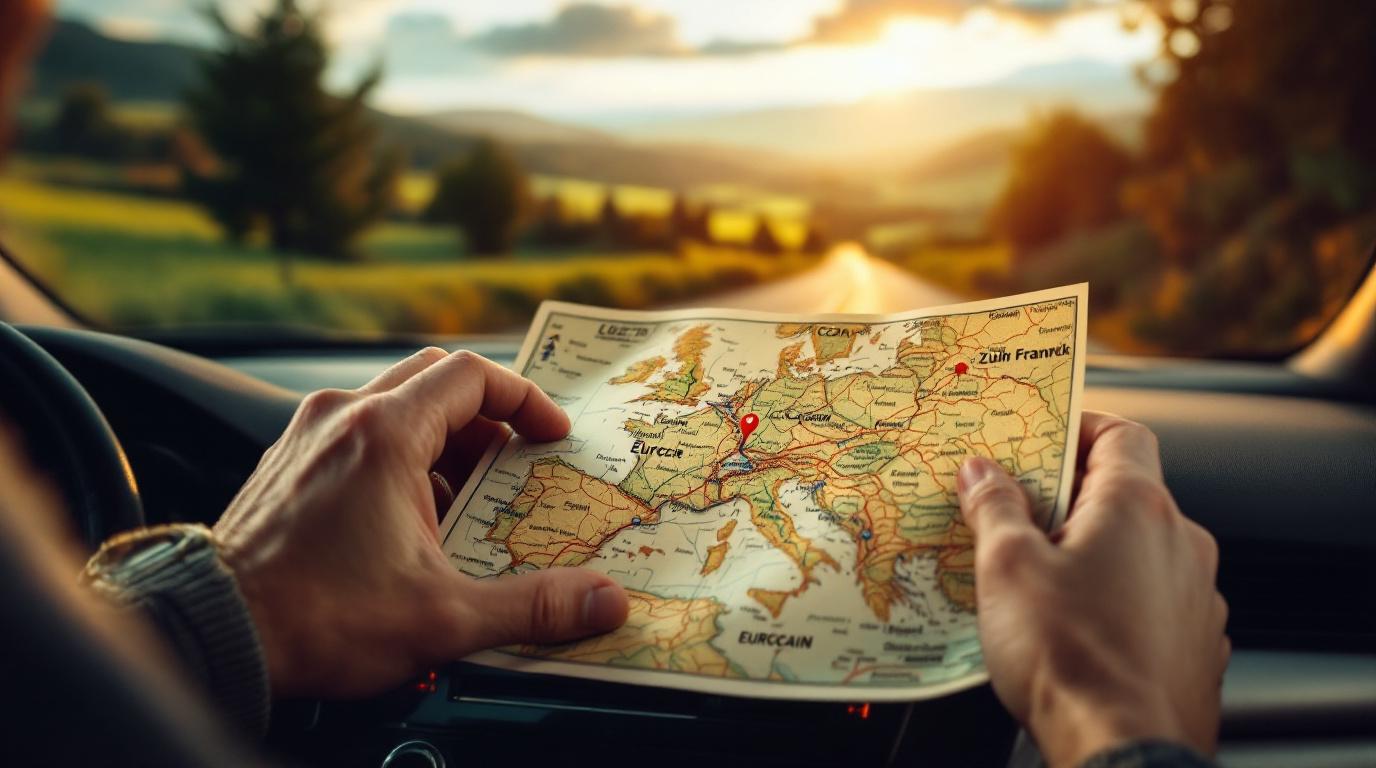
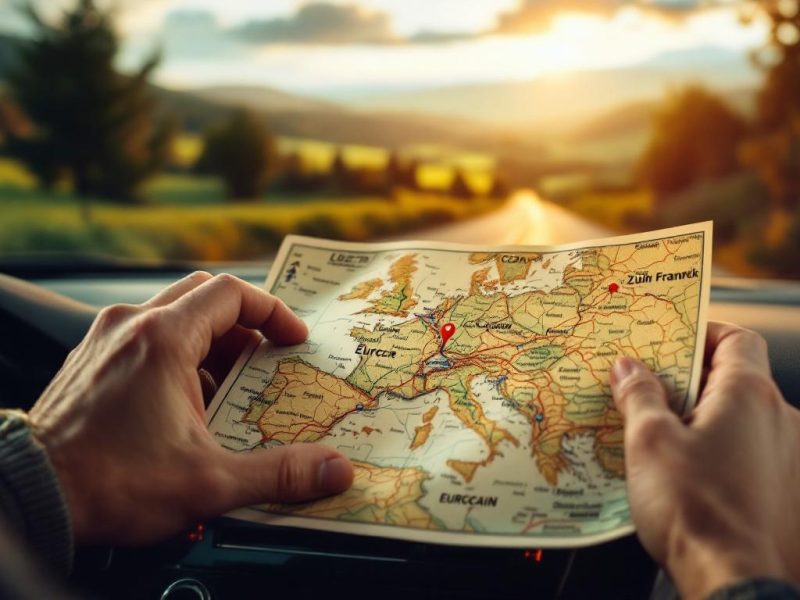
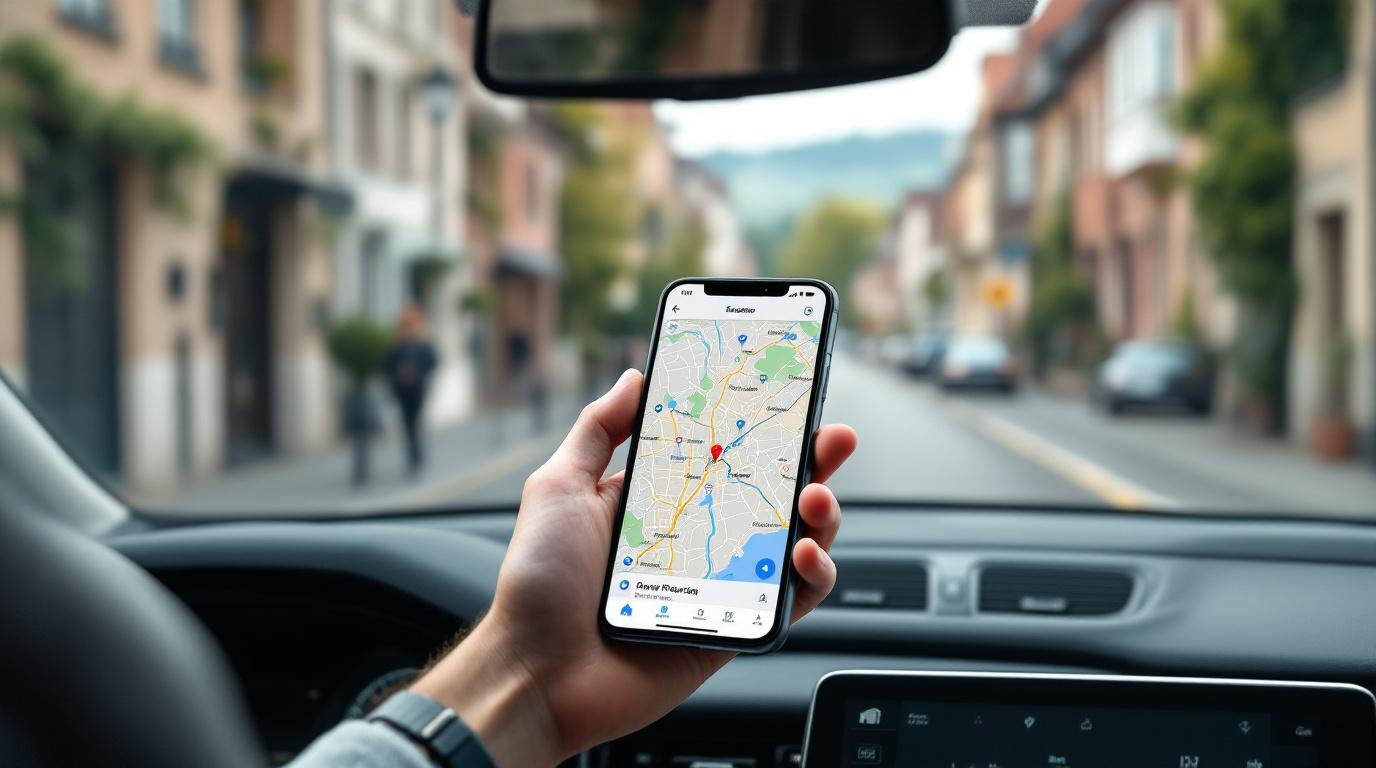
Plan your route sensibly and build in enough rest breaks. Use a navigation system with up-to-date traffic information so you can avoid traffic jams and roadworks. Avoid driving in the dark if you are unfamiliar with the route. That reduces the chance of taking a wrong turn and makes the journey safer.
Discover more about travelling across Europe
Safe driving is just one aspect of a successful road trip. On the Traveler Tips website you will find plenty more useful information about travelling by car through Europe. Think of practical tips on toll roads, parking in big cities, campsites and routes through beautiful regions. Discover everything you need for a carefree journey and prepare properly for your next adventure.
Frequently asked questions
Important differences between countries include speed limits (especially in rain), no-overtaking zones, use of lights (such as mandatory dipped headlights in tunnels) and rules on using earbuds, eating or footwear while driving. In addition, mandatory equipment varies greatly, such as high-visibility vests, warning triangle, first aid kit, spare bulbs and sometimes alcohol test kits. Crucial documents are driving licence, registration document and insurance certificate, plus, where required, an international driving permit, environmental sticker or motorway vignette. It is essential to check these rules and document requirements for each country beforehand to avoid fines and problems.
Before departure, check tyre pressure and tread depth, fluids (oil, coolant, brake fluid) and lights, and have the brakes and general condition of the vehicle inspected. Adjust tyre pressure and loading for long distances and make sure you carry the mandatory equipment for each country, such as high-visibility vests, warning triangle, first aid kit, spare bulbs and any environmental stickers or vignettes. Take all the necessary vehicle and insurance documents with you and check whether you need an international driving permit. Test your navigation in advance, plan rest breaks and take account of local speed limits and special traffic rules, such as the use of winter tyres or lights in tunnels.
In the event of an accident or serious emergency, always call the local emergency number first (in almost all of Europe 112) and move yourself and passengers out of the traffic as quickly and safely as possible, wearing a high-visibility vest and with a warning triangle placed at a safe distance behind the car. Then contact your own breakdown service or insurer (phone number on your breakdown pass or green card) and follow their instructions for recovery or replacement transport. On site, note down details of those involved, witnesses and the police (names, registration numbers, policy numbers) and take photos of the situation. Store the emergency numbers of your travel and car insurance in your phone beforehand and check whether your policy covers breakdown assistance and medical emergencies abroad.
Yes, each country has its own specific safety advice and mandatory equipment, such as high-visibility vests, warning triangle, first aid kit, spare bulbs, environmental stickers and, in some countries, a motorway vignette. Check in advance for each country which items are compulsory to avoid fines, and make sure vests are within easy reach. Also pay attention to special rules, such as lower speed limits in rain (France), mandatory winter tyres (Germany in winter) and bans on earbuds or driving in flip-flops (including France and Spain). In addition, always take your driving licence, registration document and insurance papers with you and, if necessary, an international driving permit.
Choose an annual travel insurance policy with worldwide cover (or at least for the whole of Europe), including cover for medical expenses and repatriation, so that you are well insured in case of an accident abroad. In addition, a breakdown insurance policy with cover in all countries you are driving through is recommended, including roadside assistance, replacement transport and, if necessary, repatriation of the car to the Netherlands. Check in advance whether your existing car insurance already offers (limited) breakdown cover abroad and align any overlapping cover. Also pay attention to conditions such as maximum age of the car, waiting period after taking out the policy and whether a trailer/caravan is also insured.