 NL
NL
EV car check for electric road trip holiday
A successful electric road trip holiday depends on good preparation. The EV car check before departure is different from what you’re used to, with specific attention to the battery, charging cards, and tyre pressure. Discover how a few targeted checks can ensure a carefree and smart journey.
The foundation of your journey: battery and range
The heart of your electric car is the battery, and its range is the lifeline of your road trip. Before you depart, it’s important to have a realistic understanding of your car’s capacity. The manufacturer’s stated range is often optimistic and doesn’t account for holiday conditions. Loading, air conditioning usage, ambient temperature, and the landscape all influence the actual range.
A heavy car due to luggage and passengers consumes more energy. If you’re driving through hills or mountains, the battery will deplete faster than on a flat Dutch motorway. Colder weather also has a negative impact on battery performance. Therefore, test your range under conditions similar to your holiday journey. Take a longer drive with a full load and note the consumption. This will give you a reliable starting point for planning your charging stops.
‘ One charging card is rarely sufficient for a trip through Europe. ’
Essential equipment: charging cables and charging cards
Bringing the right charging cables
Without the right equipment, you won’t get anywhere. Check that you have the correct charging cables for various situations. In addition to the standard cable for public charging stations, a home charger (granny charger) for a normal socket is useful as an emergency solution. This allows you to slowly charge at your holiday home or campsite if there isn’t a charging station nearby.
Checking your charging card for your holiday abroad
Equally important are your charging cards. One charging card is rarely sufficient for a trip through Europe. Coverage varies by provider and by country. What works perfectly in the Netherlands may be useless in France or Italy. Therefore, ensure you have a set of two to three different charging cards to access a broad network of charging stations. Popular choices with good coverage in many European countries include cards from Shell Recharge, ANWB, or Chargemap.
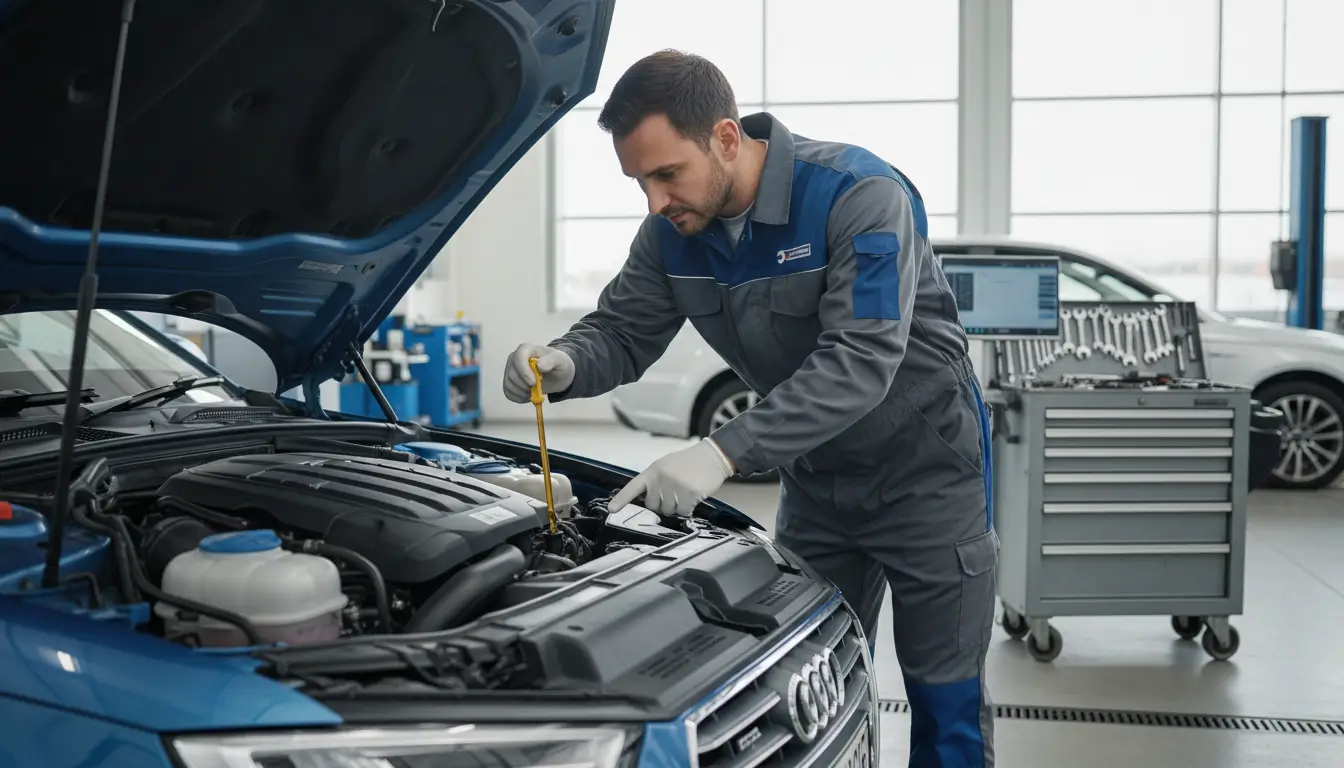
Before you depart, it is advisable to check the coverage of your charging cards for your specific destination. You can do this via the charging card provider’s app. Look up your holiday destination and see which charging points the app shows as compatible. For a trip to Italy, for example, this is especially important because the charging network there is less dense than in North-West Europe. Check not only availability but also rates. The cost of charging abroad varies significantly. Some providers charge extra roaming fees on top of the price per kilowatt-hour.
Smart planning with apps and navigation
An electric road trip requires smart route planning. Fortunately, there are excellent tools to help you with this. A widely used app is ‘A Better Routeplanner’ (ABRP). This app not only plans the fastest route but also calculates the ideal charging stops based on your car type, battery status, weather, and even the load. Set what battery percentage you want to arrive at a charging station with and what percentage you want to depart with. This helps to minimise charging times and avoid unnecessary waiting.
In addition to ABRP, there are other apps such as Chargemap or PlugShare that provide an overview of available charging points, including their status (free or occupied) and reviews from other users. Use your car’s navigation in combination with a specialised app for the best results. This way, you always have a plan B if a planned charging station unexpectedly becomes inoperative.
The technical check: tyres and cooling system
An electric car has fewer moving parts than a combustion engine car, but a technical check remains important. Two components deserve extra attention: the tyres and the battery’s cooling system.
Correct tyre pressure is of great importance for an electric car. Under-inflation increases rolling resistance, which directly leads to higher energy consumption and thus a smaller range. Check the tyre pressure when the tyres are cold and inflate them to the manufacturer’s recommended pressure for a full load. This information can usually be found in the driver’s side door jamb or in the owner’s manual.
The battery’s cooling system is another vital component. This system ensures the battery remains at the correct temperature, especially during rapid charging and in high ambient temperatures. A well-functioning cooling system is necessary for the battery’s lifespan and for maintaining charging speed. Check the fluid levels as part of your preparation, especially if you are travelling to a warm destination.
‘ A well-prepared journey is a relaxed journey. ’
Don’t forget the general preparations
In addition to the specific EV checks, you should naturally also go through the standard checklist for a car holiday. Make sure you have all mandatory items for the countries you’ll be travelling through in the car. These include:
- Warning triangle
- High-visibility vests (for every occupant)
- First-aid kit
- Environmental stickers for cities in, for example, Germany or France
A well-prepared journey is a relaxed journey. By performing this EV car check, you reduce the chance of surprises and fully enjoy the freedom of your electric road trip.
On the Traveler Tips website, you will find many more practical guides and in-depth articles on road trips, route planning, and preparing for your car holiday. Discover the tips and make your next trip an unforgettable experience.
Frequently asked questions
For a carefree road trip with your electric car, crucial checks are necessary: test the actual range under realistic conditions and ensure you have at least 2-3 charging cards. Plan your route with apps like A Better Routeplanner to efficiently integrate charging stops. Prioritise rapid chargers with multiple bays and use apps to check occupancy and status to avoid faulty stations. Finally, consider weather and terrain, which affect consumption, and plan a 20% battery buffer.
Use A Better Routeplanner (ABRP) as the primary app for smart route planning with vehicle-specific charging stops and accurate range calculations. Carry at least two to three charging cards, such as ANWB, Shell Recharge, and Chargemap, as no single card works everywhere. Plan longer journeys with a speed limit of 100 km/h to reduce consumption by 20-30%. Take weather conditions and terrain into account, and plan a 20% battery buffer.
For the safety and efficiency of your EV on a road trip, general checks such as tyre pressure are essential. Although brakes are also important, the focus for an EV is primarily on good battery condition, sufficient charging cards, using navigation apps like A Better Routeplanner for charging stops, and adjusting driving settings. Additionally, it is crucial to monitor consumption, especially in cold or hilly terrain, and always maintain a 20% battery buffer.
To be prepared for unexpected charging issues or breakdowns, carry at least 2-3 different charging cards, as not every card works everywhere. Use route planners like A Better Routeplanner (ABRP) for smart routes with charging stops and real-time status of charging stations. Plan a 20% battery buffer for unexpected situations, such as cold weather or hilly terrain. Also, ensure you have a spare cable and check foreign connection costs via apps.
To optimise your EV’s range during a road trip, drive consciously economically (e.g., 100 km/h for 20-30% less consumption) and minimise unnecessary loading. Plan your routes carefully with apps like A Better Routeplanner (ABRP) that accurately calculate charging stops and range. Take weather conditions and terrain into account, as cold and hills can increase consumption by 20-30%, and plan a 20% battery buffer. Choose accommodations with charging facilities to charge immediately upon arrival.