 NL
NL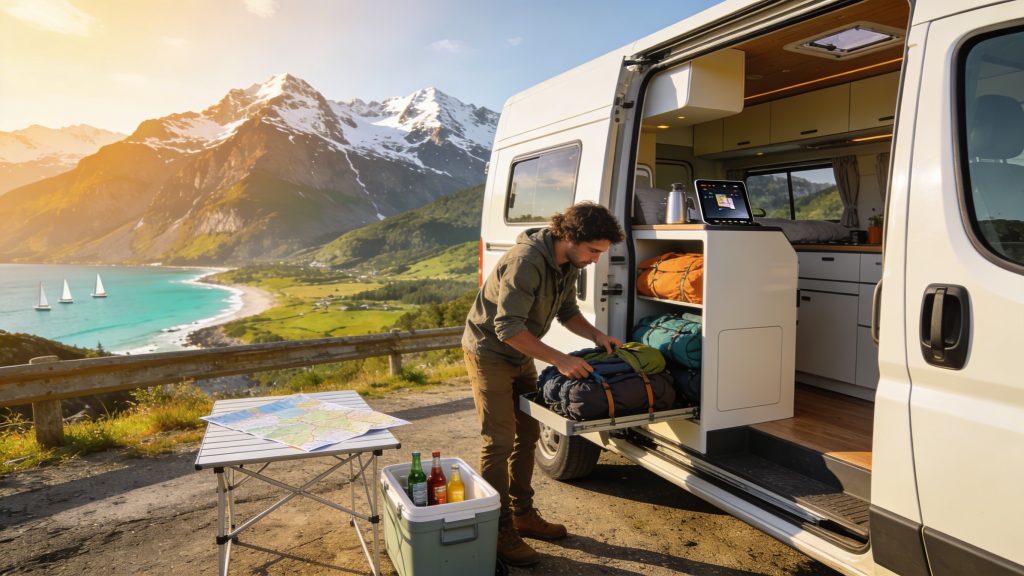
The sun is high, the routes are mapped out and now your campervan just needs to come along – without breakdowns, overheating or technical faults. Getting your campervan ready for summer is not a luxury but basic preparation. It gives you peace of mind, comfort and coolness on the road. Read how to make your camper summer-proof in just one day.
Start with a thorough cleaning of tanks and water system
Water tanks that have been standing still for months can contain bacteria and deposits. Clean the tank thoroughly with a tank cleaner before you leave. Fill the tank halfway and add the cleaning agent. Leave it to soak for a few hours or overnight.
Then flush the entire system. Run water through all taps. The water should be clear and odour-free.
Also test the water pump and check all shut-off valves and connections for leaks. Filling hoses and filters can be clogged, so check these at the same time. After cleaning, fill the tank with fresh drinking water. Keep this cool. For longer trips, treat the water additionally with purification tablets.
This basic step ensures hygienic conditions and prevents health problems during your trip. You can find more background information about camper checks and maintenance on Traveller Tips.
‘ A fridge that works properly is essential. ’
Check air conditioning, ventilation and cooling
Heat in a camper can quickly become unbearable. So test all cooling systems before you set off. Switch on the air conditioning and check whether the air feels cool and fresh. The system may need to be refilled by a garage if the cooling is weak.
Also check the roof fans: do they turn smoothly, are they quiet and do they close properly? Clean vents and filters to keep airflow optimal. In summer, ventilation is at least as important as cooling. That is especially true when stationary or at night on campsites.
Consider extra aids such as:
- Reflective sunshades for windows
- USB fans on batteries
- Awnings or shade sails by the camper
A fridge that works properly is essential. Test whether it cools on both gas and electricity. Clean the interior thoroughly. Check the door seal and the ventilation grilles on the outside.
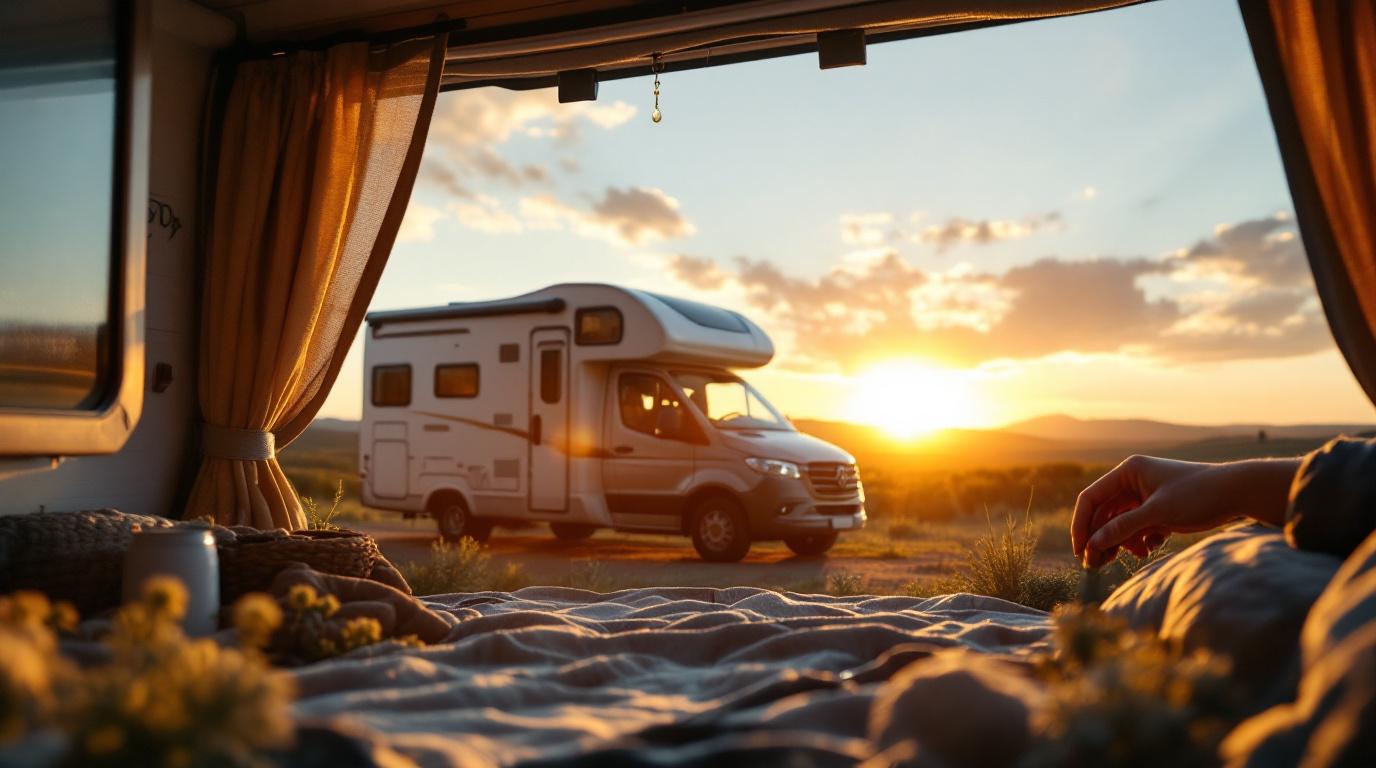
Carry out a final engine check before departure
The engine needs to be reliable, especially for long distances and mountain roads. Check all fluids. Think of:
- Engine oil
- Coolant
- Brake fluid
- Windscreen washer fluid
Top up where necessary and make sure you use the correct specifications for your camper.
Open the bonnet and visually inspect the engine compartment. Look for:
- Nests of mice or other animals
- Loose cables or hoses
- Leaks or stains under the camper
- Wear on belts
Test the battery with a multimeter. You can also have the battery checked at a garage. A weak battery can fail more quickly in the heat. Also check tyre pressure and tread. Make sure the tyres are at the correct pressure for driving when loaded. Look for cracks or damage.
Take a short test drive. Listen out for unusual noises, vibrations or warning lights. This is the time to solve problems, not when you are already on the road.
Clean and ventilate the interior thoroughly
A clean living space prevents smells, mould and vermin. Open all windows, doors and cupboards. Air the camper thoroughly. Wipe all surfaces down with a mild cleaning agent. Check corners and seams for damp patches.
Empty all supplies from cupboards. Check for expired products. Clean the following items:
- Fridge
- Freezer compartment
- Cooker
Also check the kettle, drain and sink for deposits or blockages.
Pay attention to gas installations: check hoses, connections and the gas bottle for leaks. Use soapy water to test: bubbles indicate a leak. Have gas installations inspected regularly by a professional.
‘ Technical details make the difference between a comfortable trip and annoying setbacks. ’
Test lighting, locks and equipment
Technical details make the difference between a comfortable trip and annoying setbacks. Test all lighting:
- Brake lights and rear lights
- Indicators and hazard warning lights
- Full beam and dipped beam
- Number plate lighting
Check all locks and hinges. Lubricate where necessary. Test whether doors, cupboards and hatches close properly. Also check windows for gaps or damaged rubber seals.
Check your camping gear: power cables, adapters, water hoses, pegs, ramps and chocks. Take the following items with you:
- First aid kit
- Torch
- Spare bulbs
- Basic tools
Also add summer essentials such as:
- Sun cream
- Insect repellent
- Extra water supplies


Add summer-specific facilities
Summer calls for additional measures. Choose campsites with shade, electric hook-ups and swimming pools. This helps keep the camper cool and gives you a chance to cool off after a hot day.
Consider a bike rack for local exploring. Check the weight limits of your camper. Overloading reduces stability and also increases fuel consumption. Use a spirit level to level the camper on uneven ground. This prevents problems with the fridge.
Take a washing line with you for wet laundry and make sure you have enough shade cloths or awnings. Ventilate during the day rather than cooling. Cool at night when the temperature drops. This helps keep energy consumption low.
Plan your route with comfort in mind
With a camper that is ready for summer, you can deliberately choose routes that are pleasant in warm weather. Avoid traffic jams and busy times of day. Drive early in the morning or later in the evening when it is cooler. Choose quiet roads along coastlines or through mountain areas where the temperature stays more comfortable.
Plan stopovers in advance at shady spots or places with good facilities. Think, for example, of water supply. Build in enough breaks, especially on long drives. This helps prevent overtiredness. Good planning ensures comfort and makes travelling more enjoyable for everyone on board.
‘ start your next adventure well prepared. ’
Final checks before departure
Just before departure, carry out a final visual check. Walk around the camper and check that everything is closed, secured and fastened. Check mirrors, dashboard and overrun brake. Test the handbrake and make sure all loose items are secured.
Check that you have all your documents with you: driving licence, registration certificate, insurance papers and campsite cards. Take a checklist with you for future stops and regularly check tyre pressure, oil level and coolant during the trip.
Would you like to know which route suits your travel plans? Take a look at the camper routes in Europe and start your next adventure well prepared.
Frequently asked questions
Check engine oil, coolant, brake fluid, windscreen washer fluid and the condition of the battery, and if in doubt have the brake fluid replaced by a garage. Inspect tyres for pressure, tread depth and cracks, and test all external lighting (brake lights, indicators, full beam). Check the water system by flushing tank and pipes and testing all taps, the water pump and shut-off valves. Carry out a leak check on the gas installation (hoses, couplings and bottles) and see whether locks, seats, tables and power cables are working properly.
Clean and disinfect the complete water system, fill with fresh water and flush all pipes thoroughly so that bacteria have less chance in warm weather. Make sure the fridge is clean, check the door seals, set it to cool in good time before departure and use cool packs and good ventilation around the vents. Check the leisure batteries for state of charge and age, ensure sufficient charging capacity (solar panels, charge booster, mains hook-up) and limit consumers such as inverters and power-hungry appliances. Ideally, park the camper in the shade, use sunshades and ventilate regularly to take the strain off the cooling and energy systems.
Use storage boxes, stackable crates and hooks on walls or ceiling to make optimal use of vertical space and give everything a fixed place. Choose light, foldable furniture and multifunctional items (such as a bench with storage space) to keep the living area open and calm. Keep things hygienic with removable covers, microfibre cloths and a fixed cleaning routine for the kitchen, table and muddy or wet shoes by the door. Finally, make sure there is good ventilation with roof lights or fans to prevent moisture, cooking smells and mould.
Check tyres regularly for pressure, tread depth and cracks, and always inflate them to the tyre pressure recommended by the manufacturer. Keep essential fluids topped up: engine oil, coolant, brake fluid and windscreen washer fluid, and if you notice anything unusual or any leaks, have a garage take a look. Test all lighting (brake lights, indicators, full beam) before departure and carry spare bulbs. Repeat these checks regularly, especially before longer journeys or when driving under heavy load.