NL
NL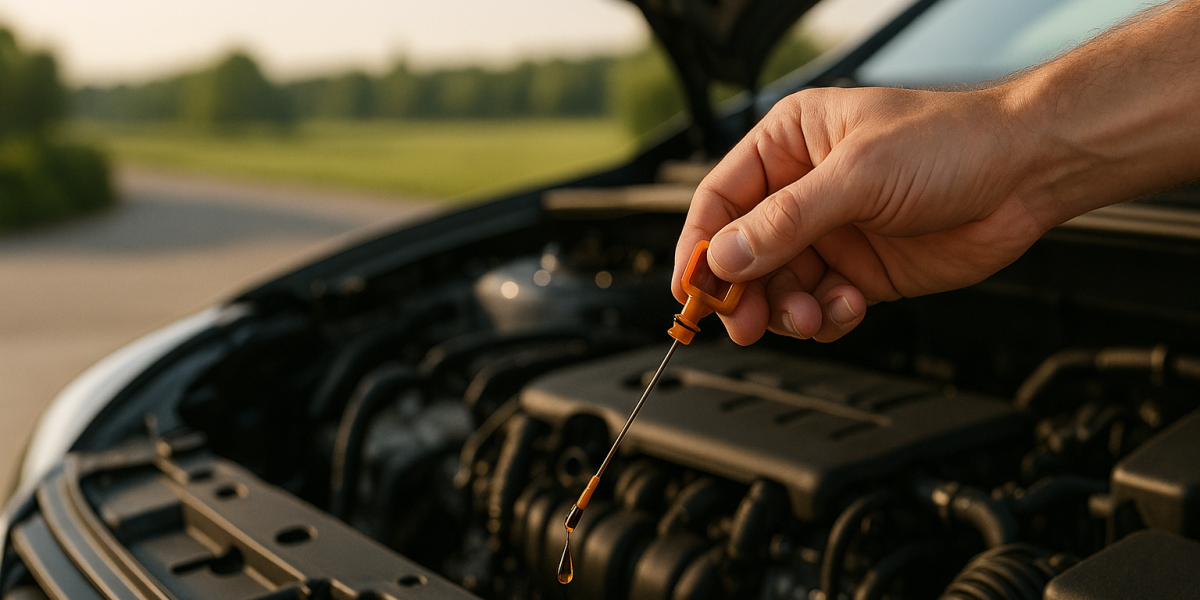
holiday check at the garage: what exactly is inspected?
During a holiday check at the garage, key components such as tyres, fluids, brakes and lights are inspected. This inspection forms the basis for a safe driving holiday. It helps prevent breakdowns and ensures you can set off with peace of mind. What happens under the bonnet? And why are these checks important before you drive hundreds or thousands of kilometres?
why a holiday check is important
A holiday trip puts more strain on your car than everyday driving. Think of a fully loaded boot, extra passengers, long journeys, high outside temperatures and mountain roads. These conditions place heavy demands on the technology. A small, unnoticed defect can develop into an expensive problem on the way. A breakdown on a foreign motorway can disrupt your holiday schedule. A preventive check by an expert minimises this risk and is an investment in safety and peace of mind.
what does a holiday check at the garage involve?
A holiday check is a standardised inspection of the most important parts of your car. Although the exact content may differ per garage, the following points are almost always covered.
the tyres: the only contact with the road
The tyres are decisive for road holding and braking performance. A mechanic checks the tyres on several aspects:
- Tyre pressure: The mechanic adjusts the pressure to suit the load of a holiday trip. The correct pressure ensures stable road holding, a shorter braking distance and lower fuel consumption.
- Tread depth: The garage measures whether the tread depth still complies with the legal requirements (at least 1.6 mm). For optimal grip, especially in wet weather, a tread of at least 2.5 mm is recommended.
- Damage: The mechanic visually inspects the tyres for cracks, bulges or other irregularities that may indicate an impending blowout.
- Spare wheel and jack: The mechanic also checks the spare wheel for pressure and condition. Do you have a repair kit? Then they check the expiry date of the sealant.
the fluids: the car’s lifeblood
The right fluids are essential for a properly functioning engine. That is why the mechanic carefully checks all levels and tops them up where necessary.
- Engine oil: A proper oil level is important for lubricating and cooling the engine. The mechanic checks the level and quality of the oil.
- Coolant: This prevents the engine from overheating, a real risk during long journeys in summer or in the mountains.
- Brake fluid: This fluid is crucial for your safety. A level that is too low or fluid that is past its best can reduce braking power.
- Windscreen washer fluid: For good visibility you need a clean windscreen. The mechanic tops up the reservoir so you can easily remove insects and dirt.
the braking system: your safety component
In addition to the brake fluid, the mechanic visually inspects the entire braking system. They check the thickness of the brake pads and the condition of the brake discs. Worn brakes perform less well, especially when you are driving a fully loaded car down a mountain pass.
the battery, lights and windscreen wipers
These parts may seem obvious, but they are important for comfort and safety.
- Battery: The mechanic tests the condition of the battery. High temperatures can be the final blow for an older battery. A car that will not start after a break can delay your journey.
- Lights: The mechanic checks all the lights: dipped beam, main beam, brake lights, indicators and reversing lights. Being able to see and be seen is important.
- Windscreen wipers: The mechanic checks the wiper blades for dryness and cracks. Streaks on the windscreen during a summer thunderstorm can obstruct your view.
the air conditioning: comfort on the road
A properly functioning air conditioning system is no luxury during a warm summer holiday. It keeps the driver alert and ensures a pleasant journey for all passengers. During the check, the mechanic tests whether the air conditioning is working properly. A system that no longer cools may indicate a low refrigerant level.
frequently asked questions about the car holiday check
how often should I have my car checked before a driving holiday?
The recommendation is to have the car checked before every long driving holiday. This is separate from routine servicing or the MOT. A holiday check is specifically aimed at the extra strain of a long journey. Even if your car has just had a service, it is wise to have the tyre pressure and fluids checked again shortly before departure.
how much does a standard holiday check cost before going abroad?
The costs of a holiday check are relatively low. Most garages offer this as a service at a fixed, low price. Think of an amount that is usually between 20 and 50 euros. This is purely for the inspection. If the check shows that repairs are needed or fluids have to be topped up, those costs are added. See it as an affordable insurance against unforeseen problems.
A properly functioning car is the basis, but a carefree journey starts with thorough preparation. Knowing what to do if you still break down, which vignettes you need and what the local traffic rules are is at least as important as a well-running engine. At Traveler Tips, we understand that. We provide all the extra knowledge you need. Our extensive country guides and digital checklists ensure you have thought of everything, from compulsory safety vests to environmental stickers. The effect? You get into a safe car and set off with the confidence that you are prepared for every situation. No stress about unfamiliar rules or forgotten documents, just pure focus on the road and enjoying your holiday. Download our ‘Carefree on the Road’ checklist and complete your trip preparation.
frequently asked questions
A holiday check focuses on crucial components such as tyres, brakes, fluids, lights and the cooling system in order to prevent breakdowns during long car journeys. These checks are essential because they address issues such as punctures or overheating, which significantly increases the safety and comfort of the trip. For international journeys, necessary documents and equipment are also checked, which contributes to a carefree and compliant transit. These preventive inspections can help you avoid expensive and frustrating surprises on the road.
A standard holiday check includes inspection of the tyres, brakes, fluids (oil, coolant, brake fluid and windscreen washer fluid), lights and cooling system, as well as a visual inspection of the battery and exhaust. For distant or mountainous destinations, such as in Italy, Spain or the Alps, extra attention to air conditioning, brakes and shock absorbers is recommended. In addition, documents (driving licence, registration certificate, insurance card), vignettes and environmental stickers are essential for cross-border journeys. A premium check is often worth the investment for long road trips to prevent unexpected breakdowns.
A holiday check at the garage is not strictly necessary for every type of driving holiday, but it is recommended for longer or foreign journeys to prevent breakdowns. For shorter trips, a basic check is often sufficient. As a traveller, you can easily save costs by regularly checking the tyre pressure (cold), oil level and windscreen washer fluid yourself. However, it is better to have more complex matters such as brakes or cooling systems checked by a professional.
To interpret the results of a holiday check, pay attention to any shortcomings that the mechanic reports, such as wear on tyres or brakes, or low fluid levels. Ask the mechanic for a clear explanation of the issues found, the urgency of any repairs and which steps need to be taken. Also ask about specific points of attention for your travel destination, such as cooling for hot climates or brakes for mountainous areas. Finally, ask about the costs and time required for any repair work.
A holiday check takes on average 1 to 1.5 hours, with basic checks starting at €19.95 and premium versions at €79.95, depending on the number of inspection points. A reliable garage offers comprehensive checks of essential components such as tyres, brakes, fluids and cooling systems. When choosing, look for garages that tailor the check to the make and journey length and that give you the opportunity to have repairs carried out in good time. For long-distance journeys, a premium check is recommended, during which fluids are often topped up free of charge.