NL
NL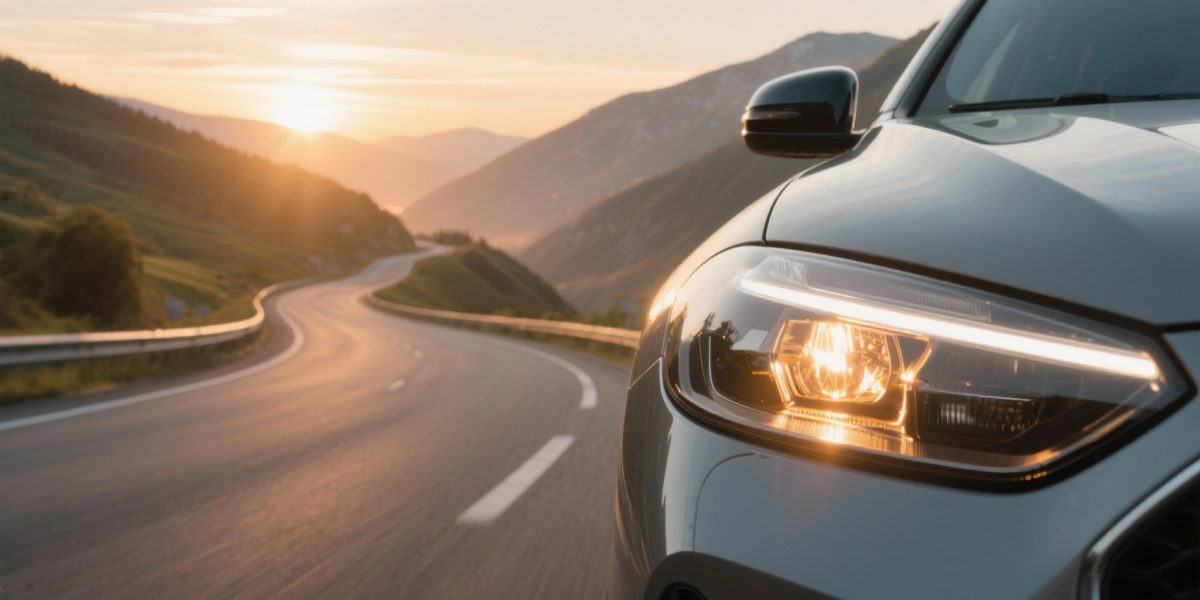
Lighting and visibility: headlights, windscreen wipers and washer
A successful road trip starts with a safe car, and perfect lighting and visibility are an absolute prerequisite. By checking your headlights, windscreen wipers and washer before you set off, you can prevent dangerous situations and fines along the way. Read on to discover how to perform these simple, yet important checks yourself.
Testing all car lights before departure
Working lights are legally required. Furthermore, they are your first line of defence in bad weather or in the dark. A faulty headlight drastically reduces your own visibility, while a broken brake light significantly increases the risk of a collision. A full check of all lights is therefore an essential part of your trip preparation. This will take you no more than a few minutes.
Perform the check yourself, preferably with a second person. Park the car and turn on the ignition. The second person walks around the car while you switch on all functions one by one. Check the following components:
- Side lights: The basic lighting at the front and rear.
- Dipped beam headlights: The normal headlights. Check that the light pattern of both lamps is clear and even.
- Main beam headlights: The headlights at maximum power. Don’t forget the blue indicator light on your dashboard.
- Indicators: Test the lights at the front, rear and side. Also pay attention to the flashing speed; a faster flashing indicator often indicates a broken bulb.
- Brake lights: Depress the brake pedal. Have the other person check that all brake lights illuminate: left, right and the third brake light.
- Reversing light: Put the car in reverse (with the engine off) to see if the white light works.
- Fog lights: Test both the rear fog light (mandatory) and any front fog lights.
Don’t have help? Then park the car in front of a reflective surface, such as a shop window or a garage door, to check the front lights. For the brake lights, place a heavy object on the pedal or clamp the pedal down.
‘ Well-prepared is half the battle. ’
When should you replace windscreen wipers?
Good windscreen wipers are indispensable for clear visibility during a rain shower. Worn wipers actually worsen visibility by leaving streaks, a haze, or even scratches. The rubber of windscreen wipers dries out due to sunlight and wears down with use. Therefore, replace them in time, preferably before you travel.
Replace your windscreen wipers when you notice any of the following signs:
- Streaks on the screen: The wipers leave thin streaks of water.
- Stuttering or bouncing: The wipers do not glide smoothly over the screen, but make a bouncing sound.
- Squeaking sound: Worn rubber causes an annoying squeaking or dragging sound.
- A haze: The screen is not wiped clean properly, but a haze remains that obstructs visibility.
Replacing windscreen wiper blades is a simple operation that you can perform yourself on most cars. Check your car’s manual for the correct size and attachment type. A small investment in new wipers immediately makes a big difference in comfort and safety during your journey.
Choose the right windscreen washer fluid
A well-functioning windscreen washer system is just as important as good windscreen wipers. Without fluid, your wipers will only smear dirt, such as insects or mud. In the Netherlands, a working windscreen washer system is even mandatory for cars built after 31 December 1997. An empty tank or a frozen pipe will result in a €150 fine.
It is important to use the correct fluid for the right season. There are two main types:
- Summer fluid: This variant, often green or yellow in colour, is specially developed to effectively remove insects and pollen from the screen.
- Winter fluid (anti-freeze): This blue fluid contains a high percentage of alcohol. This prevents the fluid, pipes and spray nozzles from freezing. Pay close attention to the protection temperature stated on the packaging (e.g., -15°C or -25°C) and choose a variant that suits your winter destination.
Fill the reservoir completely before departure. Also check that the spray nozzles are not blocked. If little to no fluid comes out, carefully pierce the openings with a needle or a pin. For cars with xenon or LED headlights, it is also advisable to test the headlight cleaning system, as clean lights guarantee better light output.
Well-prepared is half the battle. These quick checks ensure that you can hit the road with peace of mind, regardless of the weather conditions. At Traveler Tips, you’ll find many more articles on how to prepare your car and trip down to the last detail. Discover our guides on travel routes, traffic rules abroad, and smart packing tips to make your next holiday even better.
Frequently asked questions
Before embarking on a road trip, it is essential to check that the headlights, windscreen wipers, and washers are working correctly. Test the windscreen wipers and washers in all settings, ensuring the nozzles are aimed at the field of vision and that there is sufficient fluid in the reservoir. Top up the washer fluid, depending on the season, and check that the headlights are clean and functioning properly, especially if your car is equipped with xenon lamps that require washers.
For optimal visibility and safety when driving in the dark, fog, or rain on unfamiliar roads, properly functioning lighting and a clear windscreen are essential. Ensure that wipers and washers are working, with sufficient fluid appropriate for the season (anti-freeze in winter). For xenon or LED headlights, check that the corresponding high-pressure washers are operational. Test all systems before departure and clean wipers and spray nozzles monthly.
Although the document primarily focuses on the Netherlands and Belgium, it is mentioned that Belgium has stricter inspections and that for EU road trips, local MOT equivalents must be complied with to avoid fines. There are similar rules for windscreen wipers and washers, and high-pressure washers are mandatory for xenon lamps in modern cars. For specific countries such as Germany or France, it is recommended to consult the local highway code, which implies that differences may exist.
Test windscreen wipers and washers before every road trip. Clear spray nozzles of snow and ice in winter and wait for the engine to warm up in frosty conditions. Use seasonal fluid: anti-freeze in winter (blue) and insect remover in summer (green). Top up the tank in regions with heavy rain or insects and check the lines for blockages.
To solve common headlight problems while travelling, it is important to know that headlight wipers and high-pressure washers, mandatory with xenon lamps, are crucial for clear visibility. In case of reduced light output or a broken bulb, testing these systems and checking the washers for the MOT or local inspection can help. Preparation includes filling washer fluid and cleaning wipers and nozzles. For night or rain routes, xenon or LED headlights with washers are preferred, and it is advisable to check your travel insurance for defects along the way.