 NL
NL
Multi-functional clothing, limited luggage and a well-prepared cabin bag make the difference between stress and relaxation on your first cruise. By choosing versatile outfits and taking only the essentials, you avoid unnecessary luggage and make optimal use of the limited space in your cabin. How do you tackle this in the best way?
Why multi-functional clothing makes all the difference
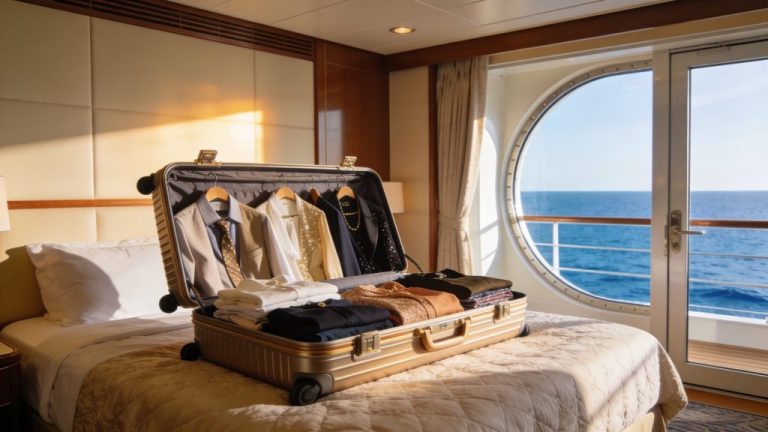
Space in a cruise cabin is limited. So choose clothing you can wear several times and combine in different ways. In practice, this means: a base of neutral colours such as white, blue and beige, supplemented with a few garments in a striking colour or print. That way you can create different looks with only a few items.
A lightweight blouse can be paired with shorts during the day and smart trousers in the evening. A jumper or light cardigan is ideal for cool evenings on deck or in air-conditioned areas inside. This not only saves space, it also gives you flexibility for different situations on board and during excursions ashore.
What to pack in your suitcase
For a one-week cruise, a limited but well thought-out wardrobe is enough. The basics consist of airy, breathable clothing that dries quickly and does not crease easily. What should you take for your first cruise? Start with this basic list:
- 4 to 5 T-shirts or tops in different colours
- 2 pairs of shorts and 1 pair of long trousers
- 1 smart outfit for formal dinners (check your cruise line’s dress code)
- 2 sets of swimwear so you always have a dry one
- Underwear and socks for each day, plus 2 extra sets
- 1 jumper or jacket for cool evenings
- Flip-flops for the cabin and pool area
- Comfortable walking shoes for excursions
- 1 pair of smart shoes for dinners
Dress code and evening wear
Most cruise lines use a smart-casual dress code. This means: no sportswear, shorts or flip-flops at dinner. Men wear long trousers with a shirt or polo, women a dress, skirt or trousers with a blouse. On some cruises there are one or two gala evenings when more formal clothing is expected.
Check your cruise line’s specific clothing guidelines in advance. Pack only what you really need. A fabric freshening spray helps you wear outfits several times without washing.
Cabin baggage with smart must-haves
Your large suitcase often does not arrive in your cabin until the afternoon. Pack a spacious handbag or backpack with everything you need for the first few hours. These items ensure a relaxed start:
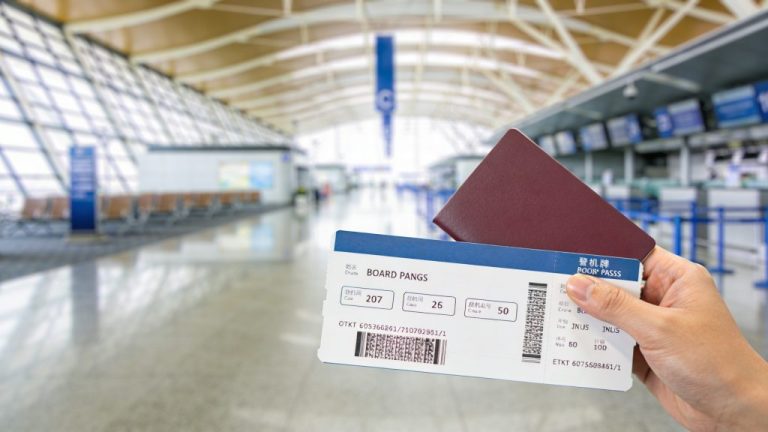
- Travel documents: passport, printed vouchers and visa if needed
- Medicines, a small first aid kit and travel sickness tablets if required
- Toiletries in travel-sized containers
- High-factor sunscreen and aftersun
- Sunglasses and a cap or hat
- Swimwear and a towel so you can swim straight away
- Extra outfit for the first day
- Power bank and chargers for your phone
- Book or e-reader to unwind
Ideally, travel in comfortable holiday clothing. This way you can start enjoying the facilities on board straight away, even before your suitcase arrives. Also take a small waterproof backpack for excursions ashore.
Accessories you should not forget
The right accessories make your cruise more comfortable and enrich your experience. Think of everyday practical items and things specifically for life on board:
- Binoculars for spotting whales, dolphins or scenery from the deck
- Reusable water bottle, which you can often refill for free on board
- Small backpack for day trips in port
- Travel sickness wristbands if you are sensitive to motion
- Plug adapter, depending on your destination and cruise line
- Magnets to hang documents on the metal walls of your cabin
- Washing line with pegs for drying swimwear
Limiting tech gear
Limit your tech gear to the basics. A smartphone, camera and possibly a tablet are enough. Take the right charger for each device and check whether you need an adapter. Many ships have USB ports, but not in every cabin.
A small power bank is useful during long excursions ashore, especially if you use your phone for navigation or photography. Note: some cruise lines ban large power banks or external batteries with too high a capacity (usually over 100 Wh).
Toiletries and personal care products
Most cruise ships provide basic toiletries such as shampoo and shower gel. So only take your own personal care products. Decant them into small travel containers to keep your luggage compact. Think about:
- Toothbrush and toothpaste
- Deodorant and perfume
- Hairbrush or comb
- Razor and shaving products
- Skincare, including moisturiser
- Make-up, in limited quantities
- Lip balm with UV protection
Do not forget to bring enough sunscreen. On board it is often more expensive than at home. Choose a water-resistant version with at least SPF 30, especially if you plan to spend a lot of time by the pool or in the sun on excursions.

How much luggage is realistic
For a one-week cruise, one medium-sized suitcase per person is enough. Most cruise ships do not have a strict luggage limit, but think about the practical side: you need to carry your luggage and store it in a small cabin. A suitcase of up to 23 kilograms fits with most airlines and is easy to handle.
Combine your suitcase with cabin baggage of about 10 kilograms. This is enough for your essentials during the first few hours. Roll your clothes instead of folding them; this saves space and helps prevent creases. Use packing cubes to keep your suitcase organised and to use every corner efficiently.
Saving space with clever tricks
Put small items such as socks and underwear inside your shoes. This saves space and helps your shoes keep their shape. Wear your heaviest shoes and thickest jacket while travelling so they do not have to go in your suitcase. Take only the cosmetics and toiletries you use every day. Leave spare products and extra options at home.
Vacuum bags are useful for bulky items such as fleece jumpers or coats, but remember that you will also need that space for the journey home. Try to buy as few souvenirs as possible en route, or take a foldable extra bag for the return trip.
What is better left at home
What you leave at home is just as important. This prevents unnecessary luggage and keeps your suitcase organised. Leave these items at home:
- Valuable jewellery that you do not wear every day
- Hairdryer, as most cabins have one
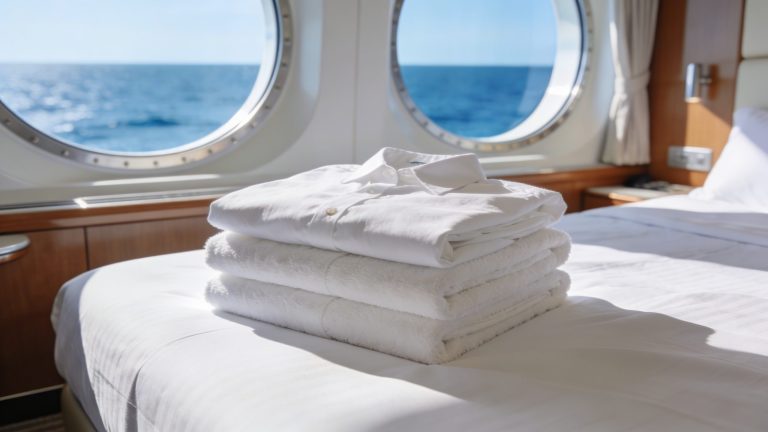
- Large towels, these are provided by the ship
- More than two pairs of shoes per type of activity
- Large bottles of alcohol, which are often banned and will be confiscated
- Iron or clothes steamer, which are banned because of fire risk
- Too many books; take an e-reader or use the ship’s library
‘ Take a photo of the contents of your suitcase; it helps with any baggage claims. ’
Final check before departure
Do a final check of your luggage the day before departure. Put your passport, tickets and other travel documents to one side and check they are still valid. Print important documents such as your booking confirmation and itinerary. Download your cruise line’s app and take a look at the ship and route in advance.
Check the weather at your destination and adjust your clothing accordingly. Do not forget to keep your medicines within easy reach and make sure you have enough for the whole trip plus a few extra days. Take a photo of the contents of your suitcase; it helps with any baggage claims.
On the Traveler Tips website you will find more practical information about cruises, destinations and smart trip preparation. Discover more tips and checklists that help you prepare even better for your next journey.
Frequently asked questions
On a cruise you need to pack your cabin baggage more strategically, because your large suitcase often does not reach your cabin until later; put swimwear, a set of clothes, medicines and important documents in it. Because of stricter baggage rules (including no irons and sometimes alcohol restrictions) you replace certain items with, for example, crease-resistant clothing and a fabric freshening spray. On a land trip you can usually do laundry more easily en route, stock up in shops and you generally have direct access to your suitcase, so there is less emphasis on an extensive “day one” cabin bag. On a cruise you also plan outfits around formal nights and excursions ashore, whereas on a land trip functionality per destination and the weather tends to be more decisive.
Choose mainly versatile layered clothing that you can mix and match, so the same items work for informal moments on board as well as smart dinners. Take comfortable walking shoes and a waterproof daypack for excursions ashore, plus a smart outfit that suits your cruise line’s dress code (usually smart casual). Put swimwear, flip-flops and an extra set of clothes in your cabin baggage, so you have something suitable to hand straight after embarkation. You can also use a fabric freshening spray so you can pack less and still look put-together.
Many first-time cruisers forget a waterproof (day)pack and dry bag for excursions and wet items. A small first aid kit with travel sickness tablets or wristbands and keeping essential medicines in your cabin baggage are also often overlooked. In addition, many people do not think about binoculars for spotting wildlife and a fabric freshening spray so they can pack less. Finally, printed luggage tags and maps of the ship and ports are regularly forgotten, even though they make the first day on board much easier.
Roll your clothes instead of folding them, choose layers that you can combine with each other, and limit your colour palette to 2–3 base colours so everything matches. Take multi-functional items such as a large sarong or wrap (beach towel, scarf, dress, blanket), a lightweight jacket with storage pockets (jacket plus bag), and a smart outer layer (blazer or nice cardigan) that works both casually and for dressier occasions. Use mini sizes or refillable travel bottles for toiletries, and a small fabric freshening spray so you need fewer outfits. Finally, choose comfortable shoes that can do double duty (walking and casual dinners) instead of separate pairs for every occasion.