NL
NL
Car Documents, Insurance & Breakdown Assistance for a Worry-Free Car Holiday
Careful preparation of your car documents, insurance & breakdown assistance is the absolute foundation for a relaxed and successful car holiday. By gathering the right paperwork and checking your cover beforehand, you can turn potential stressors into minor inconveniences that are quickly resolved. Read on to discover how smart preparation can get you on the road with confidence and peace of mind.
The charm of travelling by car lies in the freedom and flexibility it offers. You set your own pace, stop wherever you wish, and discover places off the beaten track. It is precisely this independence that makes good preparation essential. It is the key to the most successful car journeys, as it gives you the peace of mind to fully focus on the experience of the trip itself.
Essential Documents for Your Journey
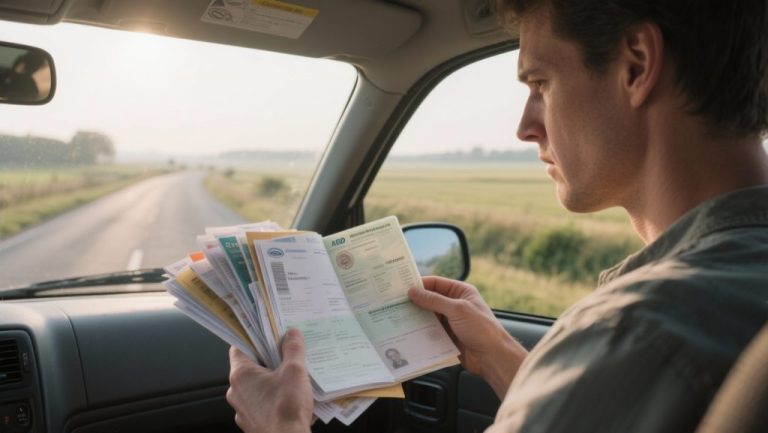
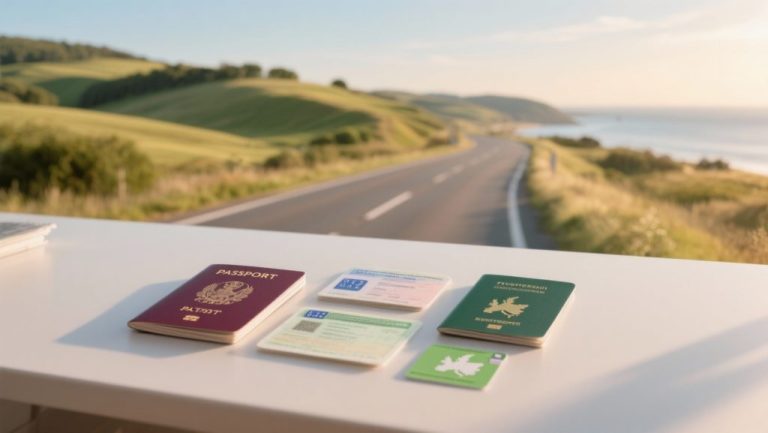
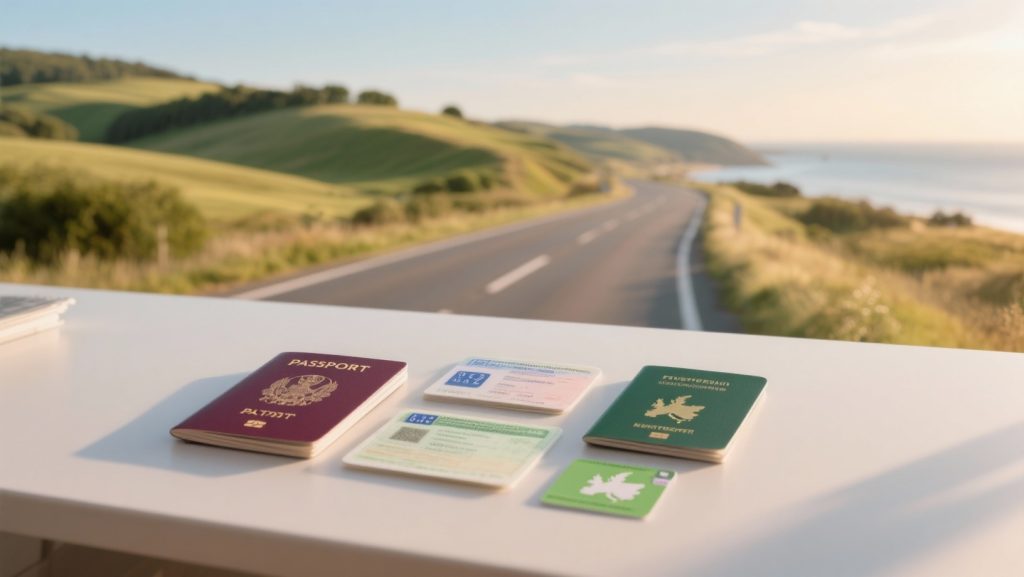
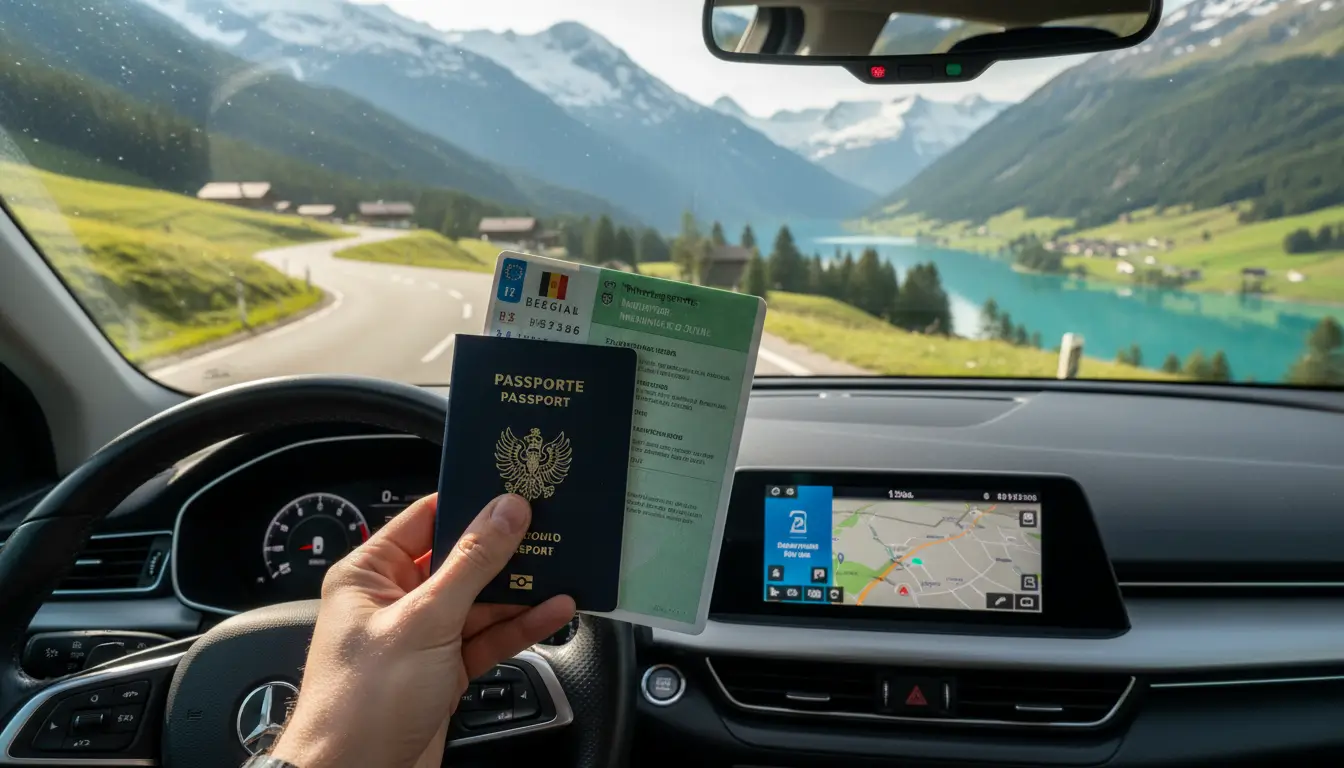
Good preparation starts with gathering the correct documents. Ensure you have a folder where you keep everything together, so it’s immediately accessible during a check or an incident. The following documents are mandatory and essential to keep in your glove compartment:
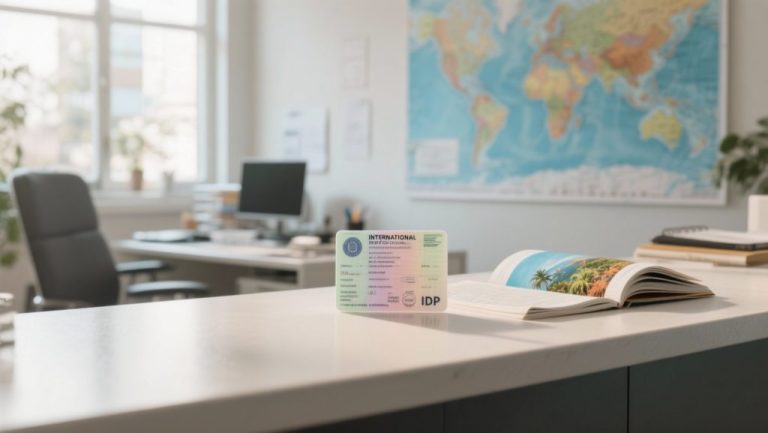
- Driving Licence: Check if your driving licence is valid for the duration of your entire holiday. Within the EU, your Dutch driving licence is sufficient. If you are travelling to a country outside the EU, find out if you need an international driving permit. This is a translation of your driving licence that you can apply for at the ANWB.
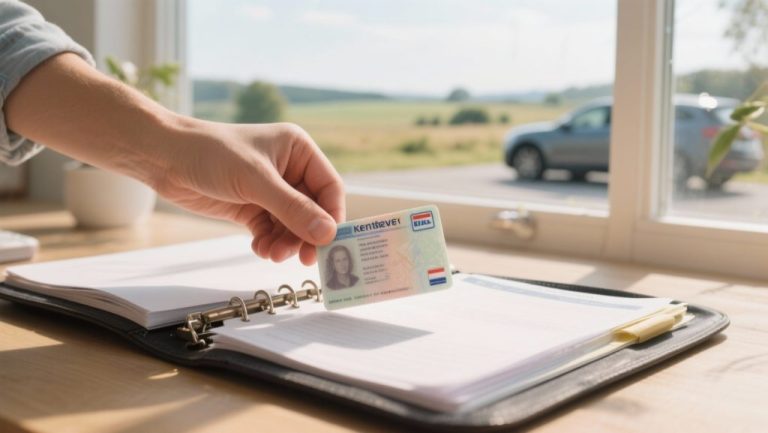
- Vehicle Registration Certificate: The credit-card sized vehicle registration card is the official proof of ownership and registration for your car. You must always carry this with you. Keep the second part of the registration code (the transfer code) safely at home; you won’t need it on the road.
- Green Card: Officially known as the International Motor Insurance Card. Although the card is no longer mandatory to carry in most EU countries (as the number plate serves as proof of insurance), it is highly recommended to still take it with you, either physically or digitally. It contains all important phone numbers and contact details of your insurer. In some countries, such as Albania, Morocco, and Turkey, a physical Green Card is still compulsory.
- Passport or Identity Card: Naturally, you will need a valid form of identification for all occupants.
‘ It’s important to know what cover you have. ’
Check Your Car Insurance for Abroad
Your Dutch car insurance is valid in all European Union countries and several other countries listed on the Green Card. It is important to know what cover you have. The three basic forms are:
- Third-Party Liability (WA – Wettelijke Aansprakelijkheid): This basic insurance only covers damage you cause to another party. Damage to your own car is not covered.
- Third-Party, Fire and Theft (WA+ – Beperkt Casco): In addition to damage to others, this cover also compensates for certain damages to your own car, such as those caused by theft, fire, storm, or broken windows.
- Fully Comprehensive (All-risk – Volledig Casco): This is the most extensive cover. In addition to the Third-Party, Fire and Theft cover, damage to your own car that you have caused yourself, for example in a collision, is also reimbursed.
Before you depart, thoroughly check the policy conditions of your insurance. Pay particular attention to cover abroad and the procedures in case of damage. Sometimes different conditions or a higher excess may apply.
Travel Insurance: A Safety Net for Unexpected Situations
Travel insurance might seem unnecessary if you already have car insurance, but they complement each other. Your car insurance covers the vehicle, while travel insurance covers the travellers and their luggage. In the event of a car breakdown, travel insurance with the appropriate additional cover can be a lifesaver. This includes compensation for extra accommodation costs if you are forced to stay longer in one place, or the costs for repatriation of the travellers if the car cannot be repaired quickly.
Breakdown Assistance Abroad: Options and Preparation
Being stranded with a car breakdown on a foreign road is a scenario you want to avoid, but one you must be prepared for. Broadly, there are two ways to arrange breakdown assistance abroad:
- Via your car insurance: Many insurers offer an additional module for breakdown assistance abroad. This may be a cost-effective option. Carefully check what exactly is covered: does it only apply to your place of residence or to all of Europe? Will your car be towed to a local garage or repatriated directly to the UK?
- Via a breakdown service: Membership with a service like the ANWB Wegenwacht (Roadside Assistance) with European cover often provides more extensive service. They have a large network of foreign partners and can assist you in your own language. Here too, it’s important to check the terms and conditions, for example, whether a trailer or caravan is also covered and what the arrangements are for a replacement vehicle.
Whatever you choose, make sure you have the phone number of your breakdown service saved in your phone and have your policy or membership details readily available.
‘ This may later be valuable evidence. ’
Damage on the Road: What to Do in Case of an Accident
A collision is always a shock, especially abroad. Good preparation helps you stay calm and take the right steps. Follow this action plan:
- Safety first: Ensure your own safety and that of others. Switch on the hazard lights, put on a high-visibility vest, and place the warning triangle a sufficient distance behind the car.
- Check for injuries: Immediately call the local emergency number (within Europe, this is 112) if there are any injured parties.
- Gather information: Note down the registration number, name, address, and insurance details of the third party. Ask for identification and the Green Card.
- Take photos: Photograph the scene, the damage to both vehicles, and the third party’s registration number. This may later be valuable evidence.
- Find witnesses: Ask any witnesses for their contact details.
- Complete the European accident statement form: Do this on the spot, together with the third party.
Correctly Completing the European Accident Statement Form
The European accident statement form has the same structure throughout Europe, which reduces language barriers. Always ensure you have a copy in your car. Here are some tips for filling it out:
- Completely fill in your section (vehicle A or B).
- Be factual and objective. Do not admit fault on the form; that is for the insurers to determine.
- Make a clear sketch of the situation in the central section. Draw the road, the position of the vehicles, and the direction of travel.
- Tick the boxes that describe the situation. Count the number of ticked boxes and note this at the bottom.
- Only sign the form if you agree with the facts filled in and the situational sketch. The signature confirms that you agree with the factual representation, not with the question of fault.
- Take the carbon copy (or a clear photo) of the completed form with you.
Replacement Vehicle and Claims Handling
Whether you are entitled to a replacement vehicle depends entirely on your breakdown assistance cover or the terms of your fully comprehensive insurance. After an incident, always contact your insurer or breakdown service as soon as possible. They can inform you about the options for a replacement car so you can continue your journey.
Once home, send the accident statement form and all collected information directly to your insurer. They will then handle the claim further with the third party’s insurer. If you have legal expenses insurance, it will assist you with any legal disputes regarding the question of fault.
‘ “Because as soon as you know everything is taken care of, the real adventure begins even before you start the engine.” ’
Smartly Prepared, More Enjoyment
A car holiday offers the greatest freedom, but that freedom only truly becomes carefree when your basic affairs are well organised. So, actively approach your trip: put the document checklist on your phone, call your insurer today to ask that final question, and put the European accident statement form in your glove compartment. Because as soon as you know everything is taken care of, the real adventure begins even before you start the engine. You simply drive off, with all the freedom to stop where it’s beautiful, to pause when it suits you, and to fully experience every moment.