NL
NL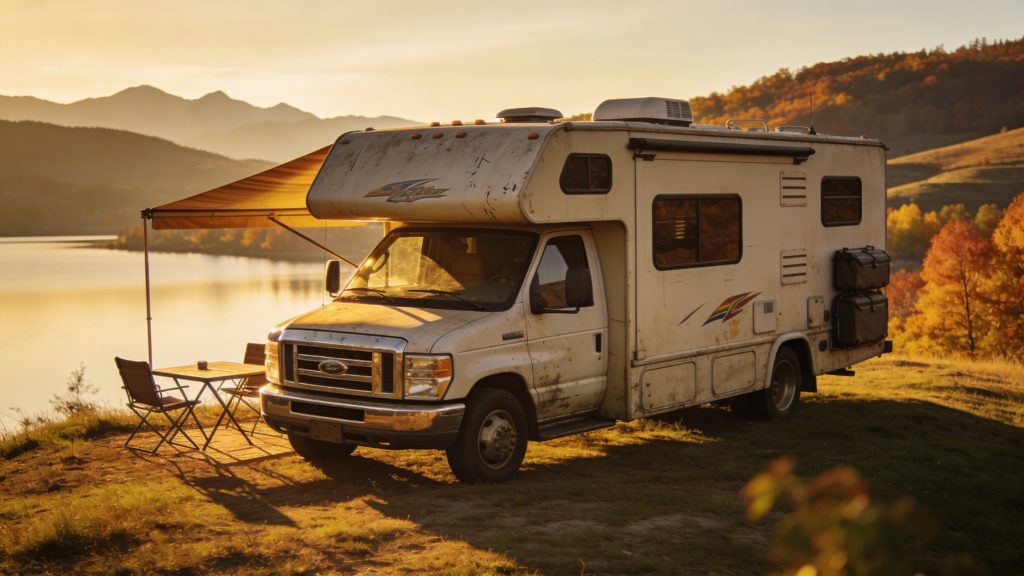
A used semi-integrated motorhome under 50,000 euros is an affordable way for many travellers to move up to a roomier camper. With these second-hand vehicles, damp checks, chassis rust and the condition of the engine are the most important points of attention. Check everything systematically and don’t be seduced by a shiny exterior. Deferred maintenance will quickly cost you thousands of euros extra. Read on and discover what you need to check. That way you can safely buy a reliable motorhome.
Why a semi-integrated is a smart choice
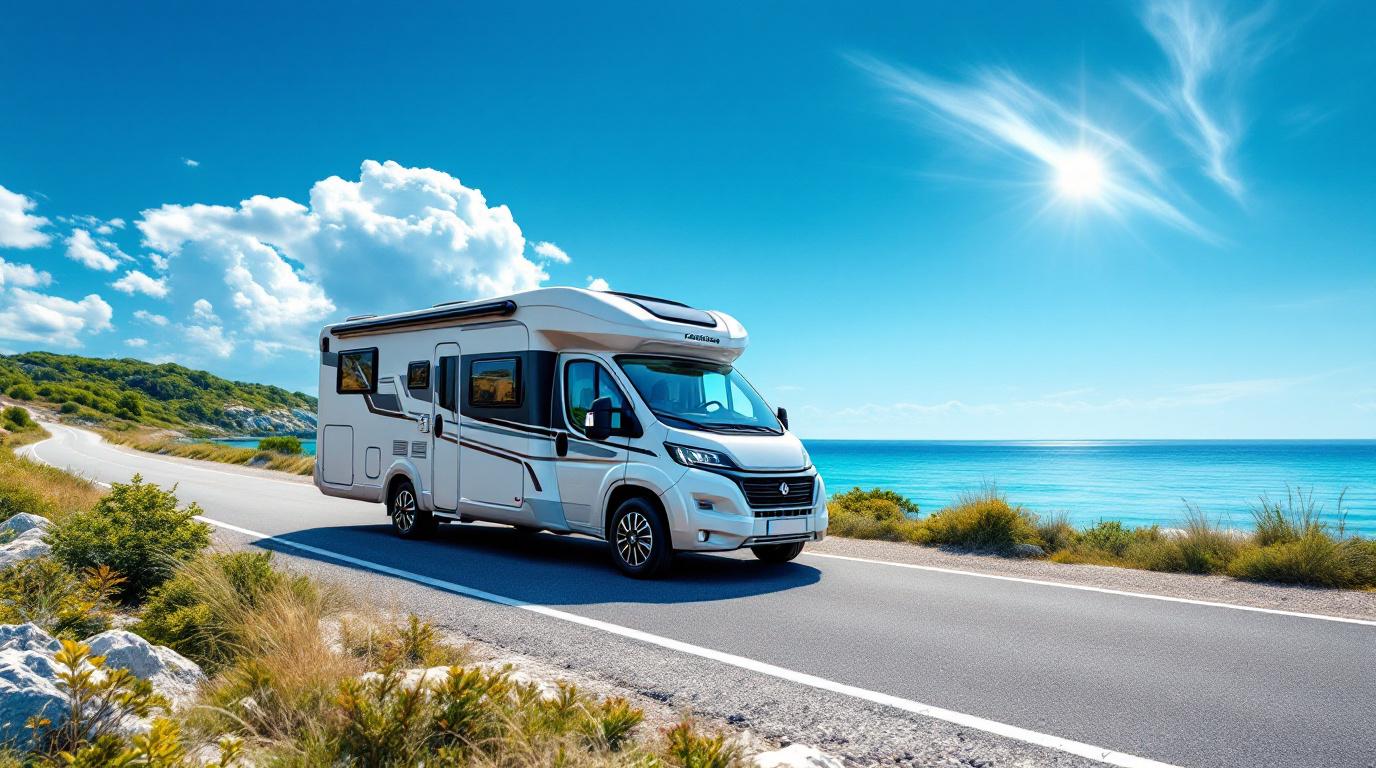
A semi-integrated motorhome is a motorhome with a low cab roof and a higher coachbuilt section behind it. This type offers more interior space than a panel van conversion. Its aerodynamics are better than those of a fully integrated motorhome. For couples or small families with two to four berths this is a popular option. The lower front cap saves fuel thanks to less wind resistance. The interior is often already fitted out with fixed beds, kitchen and bathroom.
This coachbuilt section – the living area of the motorhome – does come with specific risks. The body is more prone to damp problems than a van-style model. The low front cap limits standing height in the cab. Campervans with DIY conversions (campers converted by private individuals) lose value faster than factory-built motorhomes. Want to know more about the different types of motorhomes and their characteristics? Then take a look at the overview of all motorhome types on the website.
‘ Shady dealers avoid inspections, so if a seller objects to a check, walk away. ’
Buying from a dealer or a private seller
You can choose between a BOVAG-recognised dealer or a private seller. A dealer offers a technical inspection, warranty and aftercare, which is especially valuable for beginners. Buying privately is cheaper, but you run more risk if you have no experience with motorhomes.
For private sales, always bring in a specialist for a technical inspection before purchase. Compare prices via online ads and take someone with you who knows about motorhomes. Shady dealers avoid inspections, so if a seller objects to a check, walk away.

Checks you mustn’t skip
Used motorhomes show signs of wear. That’s normal. Even so, you need to check a number of components systematically. This prevents costly surprises. These issues occur most frequently with semi-integrated motorhomes and determine how reliable your purchase will be.
Chassis and running gear
Check the chassis for sagging, rust and cracks. Pay particular attention to ripples above the door and worn axle bushes. Inspect the corners and floor for soft spots caused by damp damage. Feel whether the floor is firm. Wear on the chassis gives you a strong bargaining position. Repairs are expensive.
Roof and walls
Hail damage, dents, cracks in corner trims and plastic parts are signs of neglect. A blistering paint layer or small holes indicate rust. A new roof skin is costly, so deduct any damage from the asking price. Walk all the way around the motorhome and also check the sides for irregularities.
Damp problems
Damp is a major problem with any motorhome. Look for old stains, rings, musty smells and discolouration in the upholstery. Check sealant, window rubbers and trims for cracks or loose sections. Ask the seller to have a professional damp measurement of the walls and floor carried out by a specialist. Motorhomes that have been stored indoors for a long time can mask damp problems, so be extra vigilant.
Tyres and brakes
Old tyres are dangerous. Check for fine cracks due to ageing and look at the DOT code on the sidewall. Tyres older than six to ten years should be replaced. The tread depth doesn’t matter in this respect. Test the handbrake, the overrun brake (the automatic brake that engages on trailers and some motorhomes when braking) and the clutch. Replace old tyres immediately before setting off.
Interior and on-board systems
Look under seats and in corners for damp stains. Test the water system, the electrics and check whether there are any oil leaks. Check how easy it is to access storage spaces and try out all functions. A wraparound lounge or dinette with table and benches is more practical than fixed forward-facing seats only. Go over everything and note down what doesn’t work.
Service history and background
Ask for the service book, the periodic roadworthiness tests (APK in the Netherlands – the compulsory annual vehicle inspection) and any BOVAG stickers or inspection reports. Look at previous damage and repairs. Request a vehicle report from the RDW (Netherlands Vehicle Authority) for a verified mileage. Motorhomes with a seasonal pitch often receive better maintenance, but check tyre age extra carefully because they cover fewer kilometres.
Useful tips for beginners
Decide in advance what you need. How many berths do you want? Which layout suits your travel plans? Take length and weight into account if you’ll be driving with a tow vehicle. Don’t expect a used motorhome to be in perfect condition, but be critical of defects that affect safety or reliability.
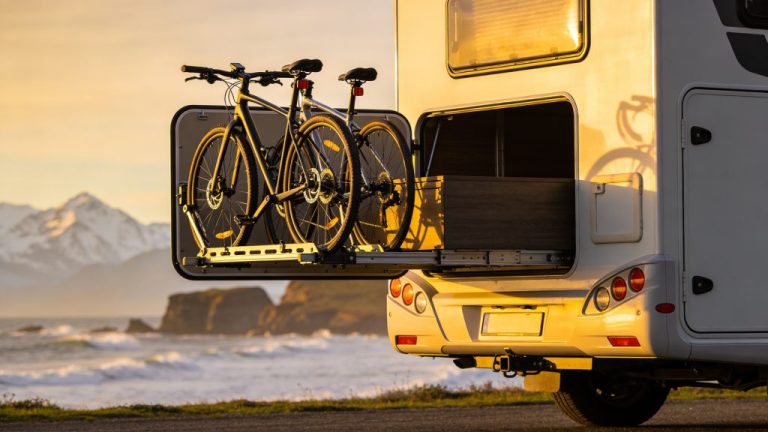
Negotiate on the basis of concrete defects. Extra kit such as bike racks, awnings or solar panels increases the value. Avoid motorhomes that show obvious neglect, because deferred maintenance quickly piles up. Seasonal-pitch motorhomes are often well maintained because owners use them for longer periods, but still check all points thoroughly.
After purchase, book a service at the garage straight away for the axle, brakes and rubber bushes. This prevents problems on the road and gives you confidence that the motorhome is ready for your first trip.
‘ The cost of an inspection is minimal compared with the expense of hidden defects. ’
What happens if you skip all this
A damp patch you overlook leads to rot in the living area of the motorhome. Repairs will quickly cost you several thousand euros. Rust on the chassis weakens the structure and can lead to failure at the periodic inspection (APK). Old tyres may blow out while driving, with dangerous situations as a result. An engine with a backlog of maintenance can seize halfway through your holiday.
You can avoid these risks by carrying out a thorough check beforehand and having a pre-purchase inspection done. The cost of an inspection is minimal compared with the expense of hidden defects.
Discover more on the website
On the Traveler Tips website you’ll find more information about motorhome holidays, routes, preparation and practical tips for on the road. For example, take a look at the explanation of all motorhome types, the article on what to pack for a motorhome trip, or the guide on how to find suitable motorhome stopovers. That way you’ll be well prepared for your first – or next – motorhome journey.
Frequently asked questions
Essential technical checks include a thorough damp measurement of roof, walls and floor, and inspection of the body for cracks, hail damage, failed sealant joints and ageing window rubbers. Check chassis and running gear for rust, sagging, cracks and worn axle bushes, and have the brakes and suspension inspected by a technician. Assess tyres for age-related cracking and age (DOT code) and check the complete gas, water and electrical systems for leaks and correct operation. Finally, always have an independent pre-purchase inspection carried out and check service history, periodic inspections and RDW data to avoid hidden damage or clocked mileage.
First choose the layout based on your travel style: how many fixed berths you need, whether you prefer a transverse or longitudinal bed (or drop-down bed), and whether a spacious seating area is more important to you than a large garage. Pay attention to sufficient headroom, comfortable swivel seats, a logical kitchen layout with enough worktop space and a bathroom that is practical to use, not just looks good. Check storage space (inside and in the garage) in relation to payload, so you can flexibly take luggage, bikes or sports gear without overloading. Finally, during a test sit/drive, check whether movement around the motorhome, natural light, ventilation and insulation (noise and temperature) suit your way of travelling.
The average annual maintenance costs of a used semi-integrated motorhome are roughly between €800 and €1,500, depending on age, condition and mileage. For insurance (third-party fire and theft or comprehensive) you can count on around €400 to €900 per year, depending on list price, region and no-claims discount. Taken together, this means you’ll quickly spend between €1,200 and €2,400 per year on fixed costs, even before fuel, campsite fees and tolls. In your travel budget you should therefore set aside these fixed costs first, and only then will you see how much really remains for distance and accommodation.
Check the registration documents, MOT/TÜV/technical inspection certificate and whether the vehicle complies with European weight and emission regulations. Ask for a recent gas safety inspection (for hob and heater), an electrical inspection (230V and 12V installations) and, if present, tests for LPG/gas tanks. Look at the service book, invoices for repairs, manuals for installed equipment and any BOVAG or comparable inspection reports. Also check whether the motorhome is insured with a valid green card that covers use in the countries you plan to visit.
With motorhomes, a well-maintained example with higher mileage (e.g. 150,000–250,000 km) can often be better than a younger vehicle with little maintenance. For overall lifespan, an age of roughly 8 to 15 years with documented servicing strikes a good balance between depreciation and reliability. Look for a complete service history, inspection reports (such as MOT and any BOVAG reports) and check via RDW whether the mileage is plausible. Also thoroughly check the technical condition (engine, running gear, rust, tyres, damp), because this weighs more heavily than age or mileage alone.