 NL
NL
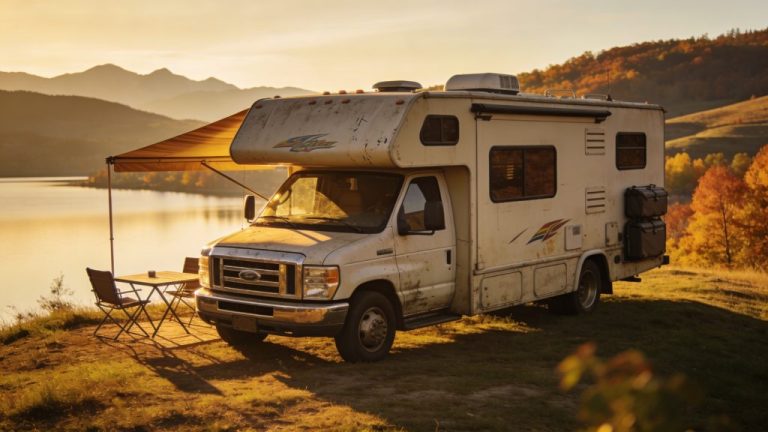
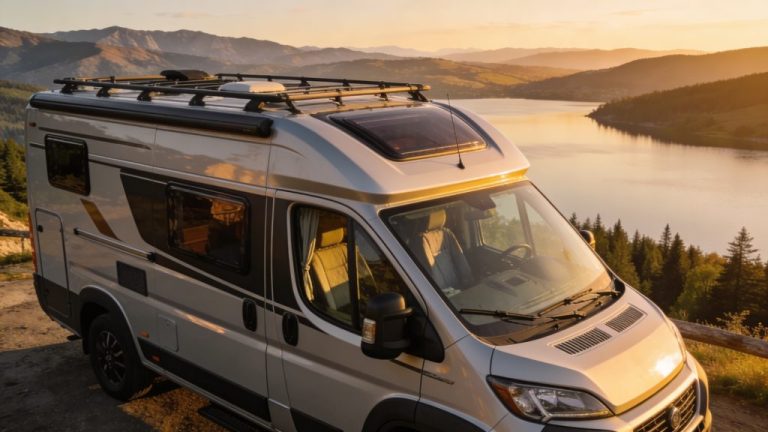
A campervan between 5.3 and 6 metres offers the perfect balance for anyone heading off in a motorhome for the first time. This length combines agile handling, accessibility with a standard category B driving licence, and enough interior space for a comfortable holiday. What’s more, a compact motorhome like this fits into regular parking spaces and on smaller campsites, making travelling much less stressful. Discover which length best suits your travel plans.
What length campervan is best for a first trip?
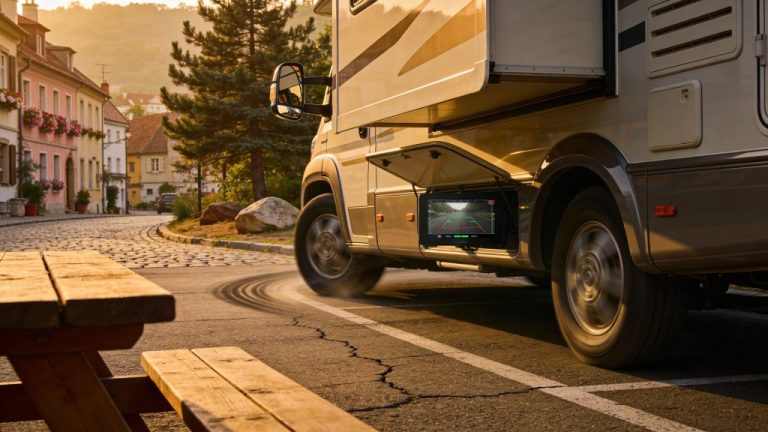
For beginners, a campervan between 5.3 and 6 metres is the most practical choice. This size offers enough space for two people with all facilities, while still being easy to handle in traffic. The manoeuvrability is a major advantage if you still have to get used to driving a larger vehicle. You can manoeuvre more easily through narrow streets, historic village centres and busy campsite grounds.
Campervans in this category have a smaller turning circle than longer models, which makes parking and turning around considerably easier. Many models of around 5.4 to 5.99 metres even fit into standard parking spaces, saving you a lot of searching and uncertainty during your trip. If you also want to visit cities or drive through many southern European mountain villages, a model under 6 metres is a sensible choice. Want to know more about the different options? Then take a look at the overview of all motorhome types for a complete picture.
‘ This makes the 6‑metre campervan particularly accessible for beginners. ’
Can I drive a 6‑metre campervan with a category B licence?
Yes, you can drive a 6‑metre campervan with a category B licence, provided the total weight does not exceed 3,500 kilograms. The length of the vehicle does not determine which licence you need, but the maximum permitted weight does. Almost all campervans up to 6 metres fall within this weight limit and are therefore suitable for anyone with a standard car licence.
This makes the 6‑metre campervan particularly accessible for beginners. You do not need to obtain an additional licence and can start your motorhome adventure straight away. Do make sure you do not overload the camper with belongings, as this could cause you to exceed the 3,500‑kilogram limit. If possible, weigh the vehicle before departure or take into account the unladen weight stated on the registration certificate.
Compact campervans under 6 metres
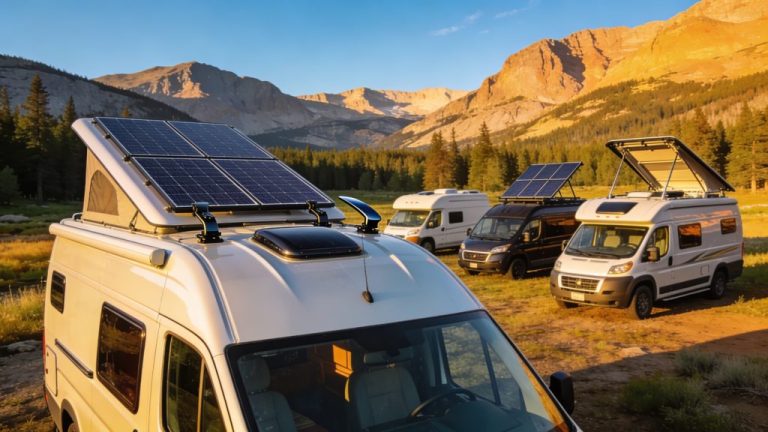
Campervans with a length between 5.3 and 5.99 metres are ideal for couples and solo travellers who want to be on the move a lot. These models offer all the facilities you need: a kitchenette, shower, toilet and a fixed double bed. The limited length ensures that you can navigate narrow roads easily and park without any problems in busy areas.
The advantages of this size are particularly noticeable in historic towns and on smaller campsites. You almost always fit into regular parking spaces, which keeps travelling stress‑free. The interior space is admittedly more compact than in longer models, but still more than adequate for two people. Many travellers say that this size actually encourages them to travel more minimally, which increases their sense of freedom and flexibility.
- Maximum manoeuvrability in traffic
- Often fits into standard parking spaces
- Smaller turning circle for easier manoeuvring
- Ideal for city trips and narrow mountain roads
- All basic facilities on board
Mid‑sized campervans between 6 and 6.4 metres
A campervan of 6 to 6.4 metres offers more living space without sacrificing too much in terms of handling. This size is suitable if you want a bit more comfort or are travelling with young children. The layout is more spacious, with more seating and extra storage for luggage and equipment. The kitchen and bathroom areas are often slightly larger too, making everyday life on board more pleasant.
This size is popular with travellers who go on longer trips or frequently stay outside campsites. The additional length provides just that bit more room to move around, especially on days with bad weather when you are indoors more. Even so, the camper remains easy to drive and the difference in manoeuvrability compared with shorter models is limited. For families with young children, or anyone for whom having a bit more space is important, this is a good middle ground.
- Good balance between space and manoeuvrability
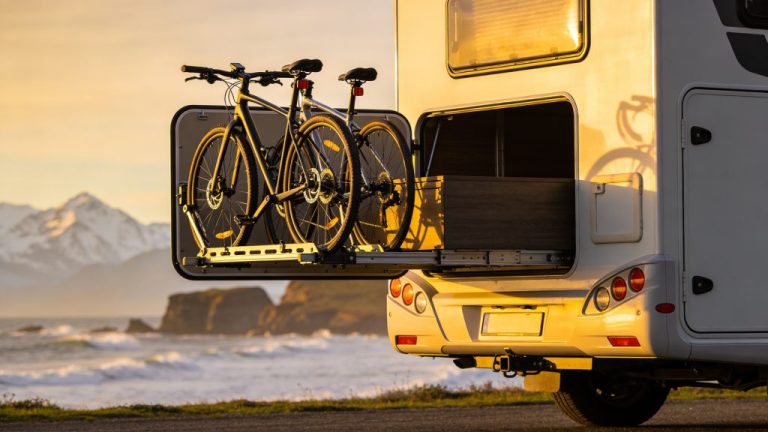
- More storage space and a comfortable seating area
- Suitable for families with young children
- More spacious kitchen and bathroom
- Still easy to drive with a category B licence
‘ For those who mainly stay on campsites or travel outside urban areas, this is not an issue. ’
Longer campervans up to 6.8 metres
Campervans up to 6.8 metres offer the greatest comfort within the compact motorhome category. These models provide a larger bathroom, a more fully equipped kitchen and more storage space, comparable to a small garage. They are suitable for travellers who are on the road for long periods or want more luxury without switching to a semi‑integrated model. You can also drive these campers with a category B licence, as long as the weight remains under 3,500 kilograms.
The downside of this length is that you need a little more experience to park comfortably in cities. You particularly notice the extra length when reversing and turning in tight spaces. For those who mainly stay on campsites or travel outside urban areas, this is not an issue. Families often opt for this size, or move up to a semi‑integrated motorhome of 6 to 8 metres with even more space and a separate sleeping area above the cab.
Comparing lengths for first‑time buyers
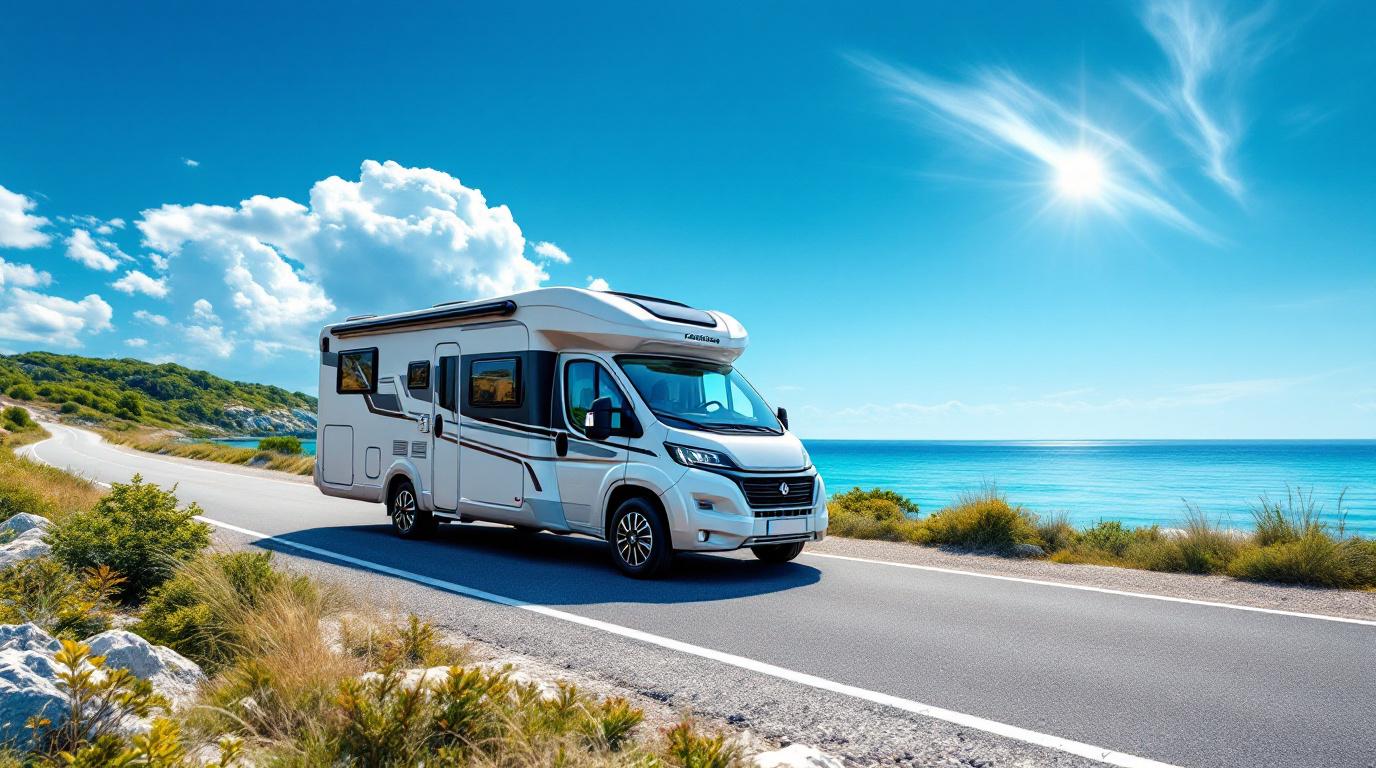
The right length depends on your travel plans and personal preferences. A shorter campervan offers maximum flexibility and is ideal for those who want to explore a lot and move location frequently. A slightly longer model is better suited to travellers who stay in one place for longer periods, or who place more importance on comfort and storage space.
| Length category | Advantages | Disadvantages | Best for |
|---|---|---|---|
| Up to 5.99 m | Very manoeuvrable, easy to park | More limited living space | Couples, city trips |
| 6.00–6.40 m | Balance between space and handling | Slightly larger when parking | Families, longer trips |
| 6.40–6.80 m | Lots of comfort and storage | Larger turning circle | Confident beginners, long trips |
Tips for choosing your first campervan
Try out different lengths before making a final choice. Many hire companies and dealers offer test drives, allowing you to experience how a campervan drives and how the interior space feels. Pay attention not only to the length, but also to the layout and the interior height. Most campervans have a standing height from 1.70 metres upwards, which is comfortable for many people.
Think about your travel plans. Will you mainly be staying on campsites, or do you also want to wild camp and stay out in nature? Will you mostly be touring around Europe, or do you also want to visit cities? A compact campervan under 6 metres is the most versatile and gives you the greatest freedom. For longer trips of several months, or if you are travelling with a small family, a model between 6 and 6.4 metres offers more comfort without sacrificing too much in terms of manoeuvrability.
- Try different models during a test drive
- Check the layout and standing height
- Think about your travel style: cities or nature
- Consider the number of travellers
- Check the unladen weight in relation to your licence
- Practise parking and reversing
‘ The difference is not huge, but on long trips it can add up. ’
Practical considerations regarding length
The length of your campervan affects more than just handling. Costs for ferries, tolls and campsites can also vary depending on the dimensions of your vehicle. Some campsites charge higher rates for motorhomes over 6 metres, although the difference is usually small. On ferries, vehicles are often divided into length categories, with those of 6 metres or less falling into a cheaper class.
Fuel consumption also varies depending on length. A shorter, lighter campervan generally uses slightly less fuel than a longer model. The difference is not huge, but on long trips it can add up. Modern campervans based on a Fiat Ducato, Citroën Jumper or Peugeot Boxer chassis consume on average between 8 and 10 litres per 100 kilometres, depending on driving style, load and the model chosen.
Discover more about travelling by motorhome
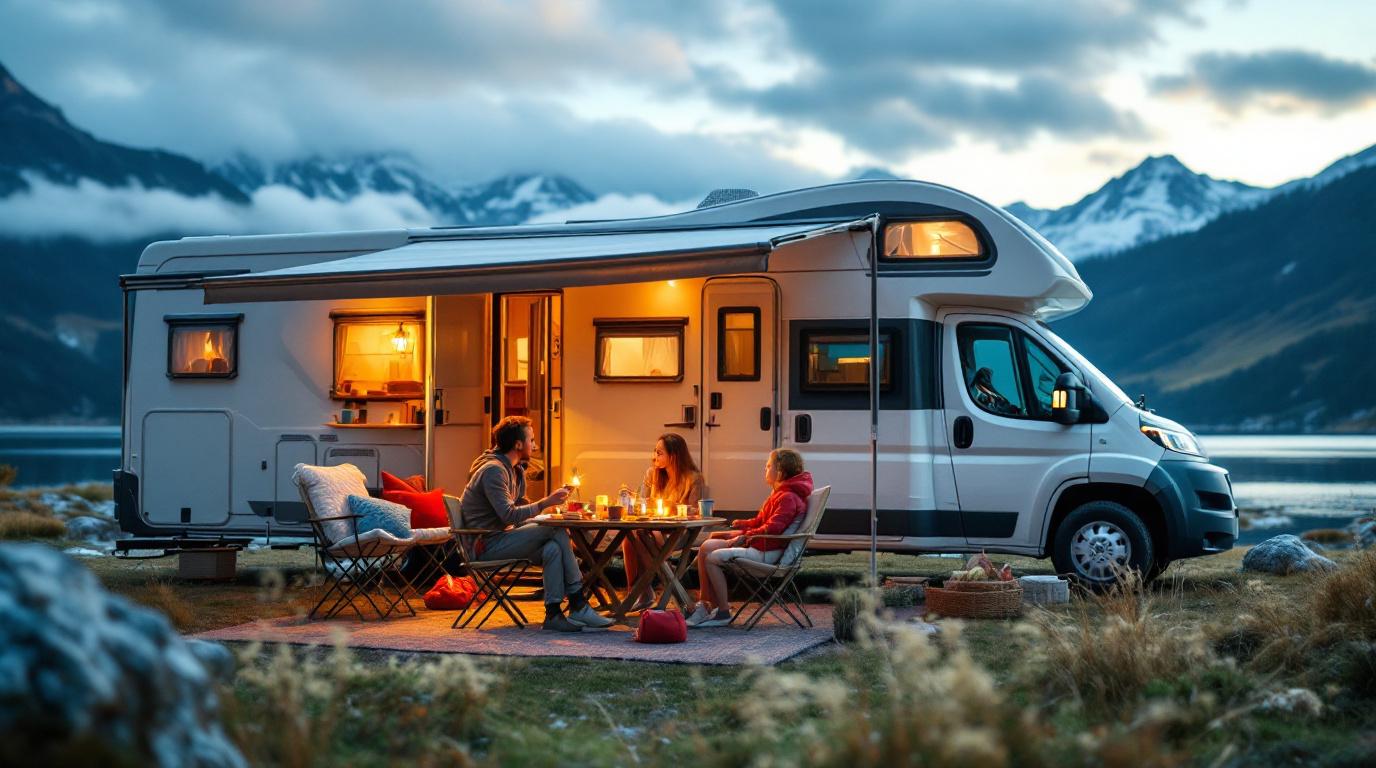
Choosing the right campervan length is an important starting point for your first motorhome adventure. On the Traveler Tips website you will find much more information about travelling by motorhome, from practical tips on packing and campsites to detailed routes and destinations. Whether you are looking for the most beautiful road trips through Europe or advice on preparing your journey, there is plenty to discover. Explore the website and plan your next trip with confidence.
Frequently asked questions
For most first‑time travellers, a campervan of around 6.00 to 6.36 metres offers the best balance between comfort and manoeuvrability. This length provides noticeably more living space and layout options than shorter models, without significantly reducing driving and parking comfort. It is perfectly suitable for longer trips or holidays with (young) children. If possible, try different lengths in a showroom or on a test drive to get a feel for which size gives you the most confidence.
A campervan of up to about 5.99 metres is best suited for easy parking and manoeuvring in cities and on smaller campsites. This length is more likely to fit into regular parking spaces and has a smaller turning circle, which makes stress‑free driving easier in narrow streets and tight spots.
A shorter campervan (up to approx. 6 m) offers less living space and smaller facilities (bathroom/kitchen/storage), but is much more manoeuvrable and easier to park, which reduces stress and the risk of mistakes for a beginner. Mid‑length models (6.0–6.4 m) provide noticeably more seating and storage space and sometimes a larger bathroom, while still having acceptable driving characteristics. The longest campervans (6.4–6.8 m) offer the most living space, a larger bathroom and more storage, but require more driving and parking skills and are more awkward in cities. So for someone new to motorhoming, the trade‑off is: do you mainly prioritise ease of driving and flexible parking, or greater comfort and space when you are staying put or in bad weather?
Yes, especially in historic city centres, old village cores and mountain villages, length restrictions, narrow streets and limited parking can make a longer campervan impractical. On some ferry routes, vehicles from around 6 to 7 metres upwards face higher fares, compulsory reservations or different vehicle categories. In low‑emission zones or busy urban areas there are often fewer (or shorter) parking spaces available for longer motorhomes. If you expect to use lots of city routes and ferries, consider a campervan under roughly 6 metres for the smoothest, most hassle‑free travel.
A shorter campervan is more manoeuvrable, easier to park (often in an ordinary parking space) and therefore causes less driving and parking stress for a beginner, especially in towns and villages. The downside is that you have less living and storage space inside, which you will notice on longer trips or if you take a lot of gear. A longer campervan offers more comfort, a larger bathroom/kitchen and more storage, but requires more driving experience and more quickly leads to parking restrictions and higher parking costs. For ‘smart’ travel (choosing routes flexibly, parking easily, possibly wild camping), a shorter model is often more practical, as long as you can live with the more compact interior.