 NL
NL
Your Alpine Holiday: Smart Planning for a Carefree Experience
Thorough preparation is the foundation for a smooth Alpine holiday. By consciously planning your trip, from the route to your packing list, you create a tailor-made experience that goes beyond a standard journey. It gives you peace of mind and the freedom to fully enjoy the mountain landscapes. Discover how practical tips can transform your trip to the Alps into a seamless and pleasant stay.
The Alps are one of Europe’s most diverse destinations, ideal for travellers who like to control their own plans. The mountain range spans eight countries and offers an enormous variety of landscapes, from rolling meadows to rugged peaks over four thousand metres high. This makes it a suitable choice for various types of nature holidays, whether you are looking for peace and quiet or an active challenge. The excellent infrastructure and clear hiking networks make the area accessible for anyone who wants to explore it independently.
What Makes the Alps Suitable for Self-Planned Trips?
The Alps are perfectly suited for self-organised trips. The freedom to set your own pace is a huge advantage. Stop wherever and whenever you wish, stay an extra day in a place you enjoy, or choose a spontaneous route you discover along the way. This flexibility allows you to tailor a trip that perfectly aligns with your interests. Whether you focus on photography, culinary discoveries, or conquering a specific mountain pass, you have complete control. You are not bound by a fixed itinerary, allowing you to avoid crowds and visit authentic places, far from the masses.
‘ The choice of transport not only determines travel time, but also what you see along the way and how comfortably you arrive. ’
Travelling to the Alps: Options for the Savvy Traveller
The journey to the Alps marks the beginning of your holiday. Your choice of transport not only determines your travel time, but also what you see along the way and how comfortably you arrive.
By car: flexibility and freedom
For many, the car is the most obvious choice. It offers maximum flexibility for carrying your luggage and being mobile once you arrive. Panoramic routes like the Großglockner High Alpine Road in Austria or the Dolomites Road in Italy are an experience in themselves by car. Remember to take a vignette for countries such as Austria and Switzerland and check if winter tyres are required, depending on the season and the altitude you’re visiting.
By train: comfortable and sustainable
Travelling by train is a relaxed and sustainable alternative. You avoid traffic jams and enjoy the landscapes passing by. Train journeys like the Bernina Express, which runs from Switzerland to Italy, offer views of glaciers, bridges, and mountain passes. Good planning is essential here; book your tickets in advance, especially during peak season.
A road trip: the journey as the destination
For those who see the journey itself as the main objective, a road trip through several Alpine countries is a comprehensive option. A route from Salzburg via the Austrian lakes to Lake Como in Italy combines culture, nature, and driving pleasure. Plan your stages realistically, ensuring enough time remains for stops, walks, and exploring the surroundings.
Mountain Hikes: From Easy to Challenging
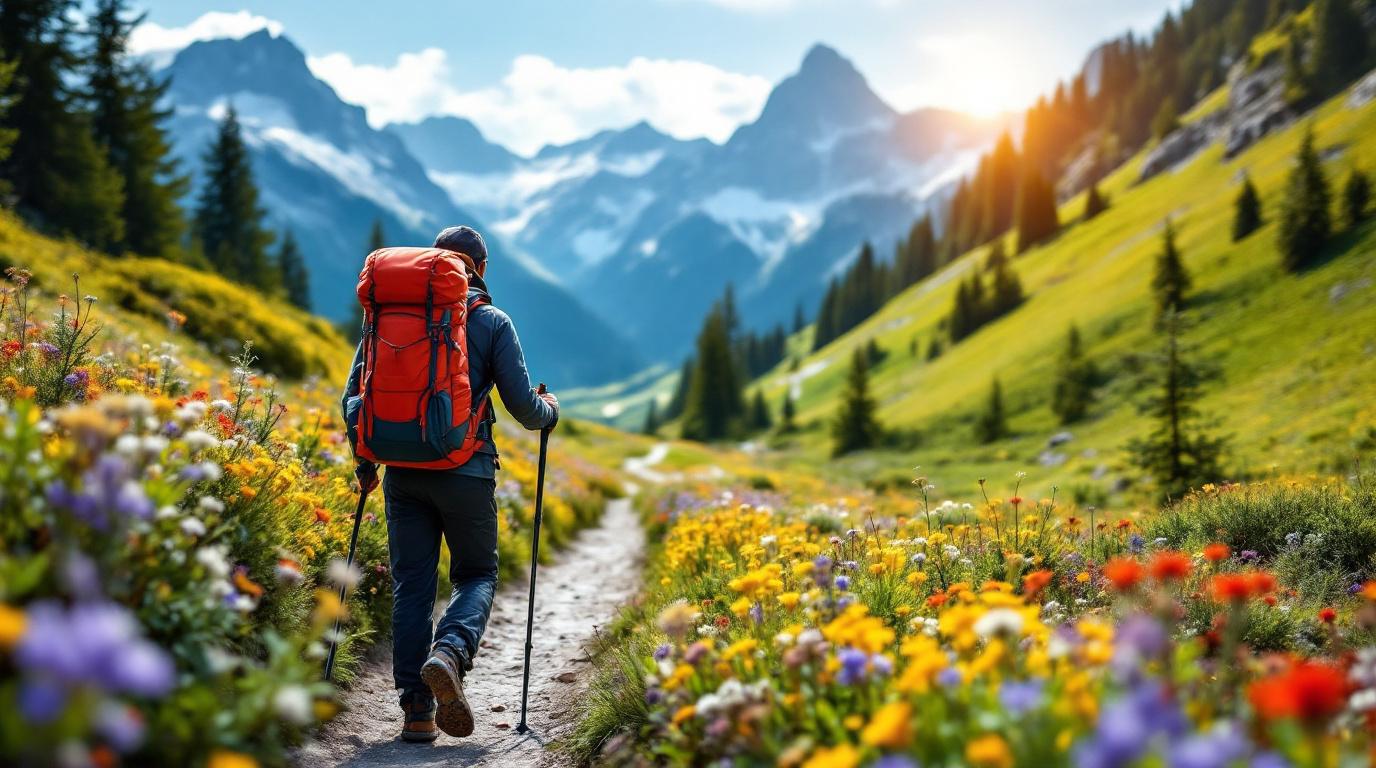
Hiking is the core activity of an Alpine holiday. The offerings are wide and varied, ensuring you’ll find a suitable trek for every level. Good preparation is crucial for enjoyment and safety. Choose a route that matches your fitness and experience. Start with shorter, flatter walks to acclimatise and gradually increase the difficulty. The Tour du Mont Blanc is an example of a multi-day, challenging trek for experienced hikers. The paths around Lake Bohinj in Slovenia are accessible for families and beginner hikers. Always ensure you have a detailed map or a reliable navigation app.
The Function of Cable Cars: Comfortable Access to Highlights
Cable cars and lifts aren’t just for winter sports enthusiasts. In summer, they offer a comfortable way to gain altitude quickly and start hiking routes at higher elevations. They make viewpoints and mountain peaks accessible without hours of strenuous climbing. This is practical for travellers with less time or who wish to conserve energy for the hike itself. A cable car can, for example, take you to the starting point of a panoramic ‘höhenweg’. A ‘höhenweg’ is a hiking trail that follows a mountain flank at high altitude with relatively little ascent and descent. Enquire about operating times in advance, as these can vary by season.
‘ A boat trip on Lake Como in Italy allows you to see the surroundings from a different perspective. ’
Clear Mountain Lakes: Peace, Reflection and Recreation
The Alps are dotted with crystal-clear lakes, providing an attractive setting for relaxation and recreation. Lakes such as Lake Königssee in Germany, surrounded by steep rock faces, offer a serene atmosphere. A boat trip on Lake Como in Italy allows you to see the surroundings from a different perspective. Many lakes offer opportunities for swimming, paddleboarding, or canoeing, which can be a refreshing change after a hike. The shores provide space for a picnic or to enjoy the peace and the reflection of the mountains in the water.
Safety in the Mountains: Smart Preparation for Altitude and Weather
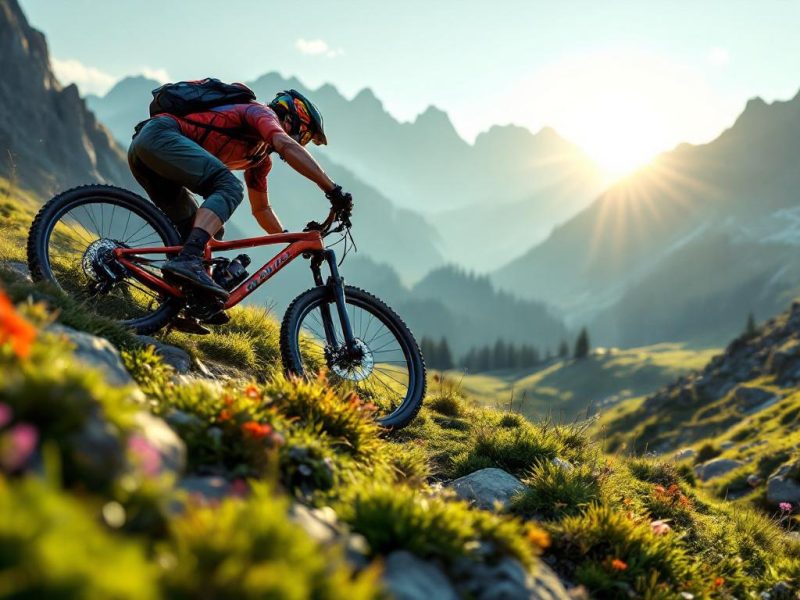
Pay attention to safety during a mountain holiday. The weather at altitude can change quickly, even on a sunny day. Therefore, always set off with layers of clothing, including a waterproof and windproof jacket. Check the weather forecast shortly before you leave. Altitude sickness can occur above 2500 metres and cause symptoms such as headaches and nausea. Give your body time to acclimatise to the altitude by ascending slowly and drinking plenty of water. Ensure your phone is fully charged and save the local emergency number. A small first-aid kit with essentials for blisters, cuts, and pain relief is indispensable in your backpack.
Choosing the Best Travel Time: Your Alpine Holiday by Season
Each season in the Alps has its own character. The best time to travel depends on your planned activities.
- Summer (June – August): This is the most popular period for hiking and cycling. Most paths are snow-free, and all cable cars and mountain huts are open. It can be busy in well-known spots.
- Autumn (September – October): Nature displays autumn colours, the air is often clear, and it is quieter than in summer. Higher-altitude passes can close early in the season due to snowfall.
- Spring (May): Nature awakens, and the valleys are in bloom. At higher altitudes, there is often still a lot of snow, making many hiking trails inaccessible. Suitable for lower-level walks.
‘ Sturdy, broken-in hiking boots with good grip are essential. ’
Practical Preparation: Packing List and Essential Apps
A well-thought-out packing list prevents discomfort. Besides standard travel essentials, a few items are specifically important for the mountains. Sturdy, broken-in hiking boots with good grip are fundamental. Always bring sunglasses, sun cream, and a cap or hat, as the sun is strong at altitude. A reusable water bottle and some energy bars are practical for on the go. Useful smartphone apps include navigation apps with offline maps (such as Komoot or AllTrails), a reliable weather app that provides local mountain forecasts, and possibly an app from the local tourist office with information on open lifts and trails.
Enhance Your Experience: Local Tips and Sustainable Travel
Experience the local culture and make sustainable choices during your trip. Opt for family-run accommodations instead of large chains. Visit a local market to sample regional products or dine in a mountain hut serving traditional dishes. Respect nature by staying on marked paths, taking your rubbish with you, and not disturbing wildlife. By travelling by train or using local public transport, you reduce your ecological footprint and support the local infrastructure.
Your Alpine Journey Starts Here
A holiday in the Alps offers a wealth of experiences, from peaceful moments by a mountain lake to the satisfaction of a challenging hike. The key to a smooth trip lies in smart and conscious planning. By thinking ahead about your route, equipment, and pace, you create the conditions for a comfortable and personalised journey. Use these practical guidelines and start shaping your own well-prepared trek through the mountains.