 NL
NL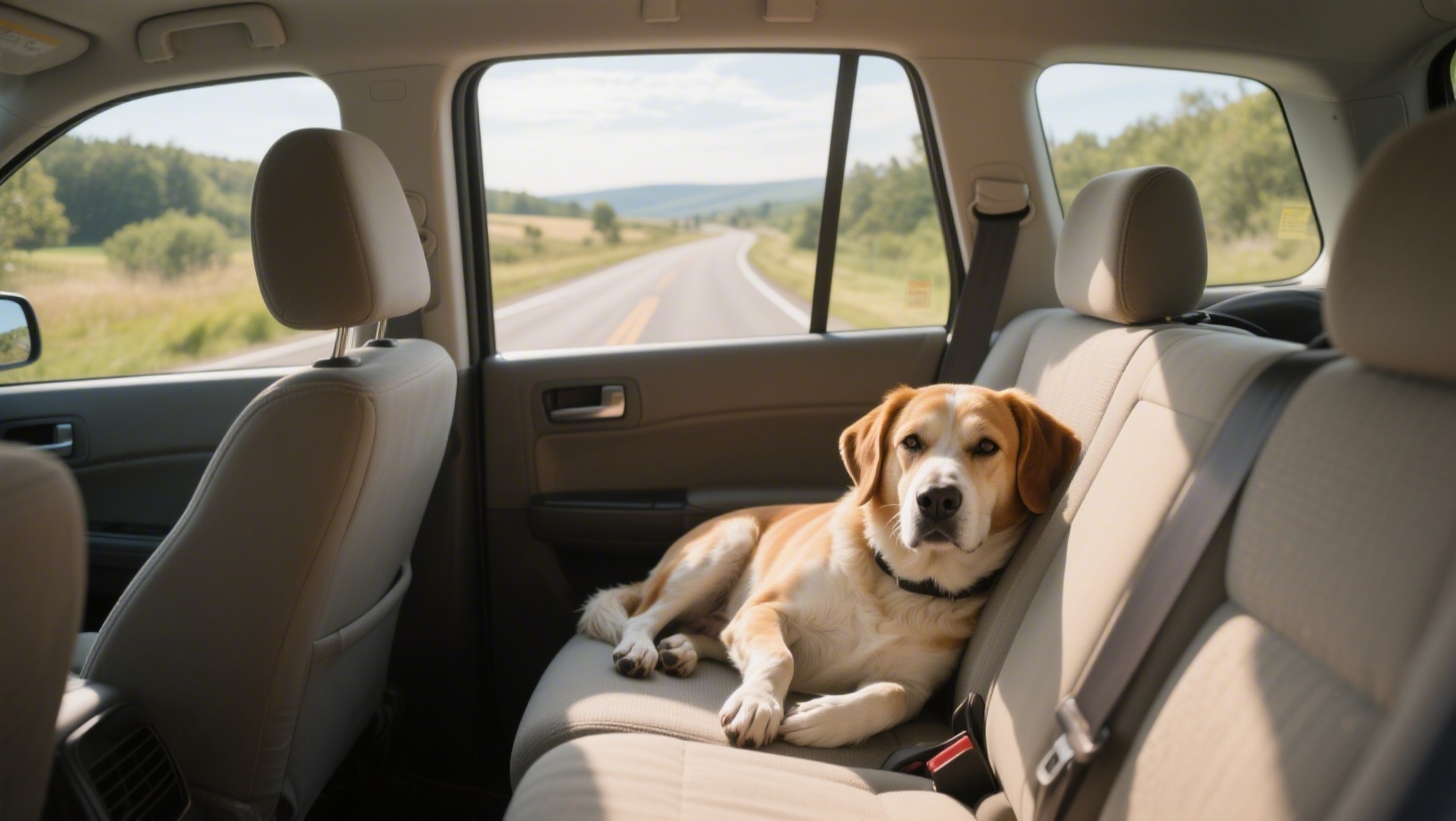
For many dogs, the car is a source of stress: fear, restlessness, barking or travel sickness can make holiday journeys with your dog quite a challenge. By introducing things step by step, creating positive associations and setting up the car safely, you can prevent or reduce these problems. The result? A relaxed journey for you and your faithful companion. Read on for concrete tips you can put into practice straight away.
Start early with gradual familiarisation
A positive association with the car does not develop by itself. Ideally, start training from the puppy or adoption stage, so you can prevent negative experiences. Even with older dogs you can make progress with patience.
The first phase is all about exploring without pressure. Let your dog sniff around a stationary car with the engine off. Reward every bit of curiosity towards the doors, back seat or boot with treats and enthusiasm. Do not force anything.
Next, practise getting in without driving. Put a familiar blanket or toy in a travel crate or on the fixed spot where your dog will sit. Close the door briefly and gradually increase the time. Reward calm behaviour and ignore mild restlessness.
Then start the engine while your dog is in the car. Stay calm yourself and reward relaxation. Repeat this until your dog no longer reacts to the sound.
Now you are ready for short drives. Drive to fun places such as a park or walking area, not just to the vet. Start with one to two minutes and finish with playtime or a short walk. Slowly increase the duration and reward good behaviour.
A useful tip: train with a helper behind the wheel so that you can sit next to your dog to reward them while driving. Avoid abrupt acceleration and busy motorways at the beginning.
‘ Overheating can be fatal within just a few minutes, especially during summer journeys. ’
A set-up that offers calm and safety
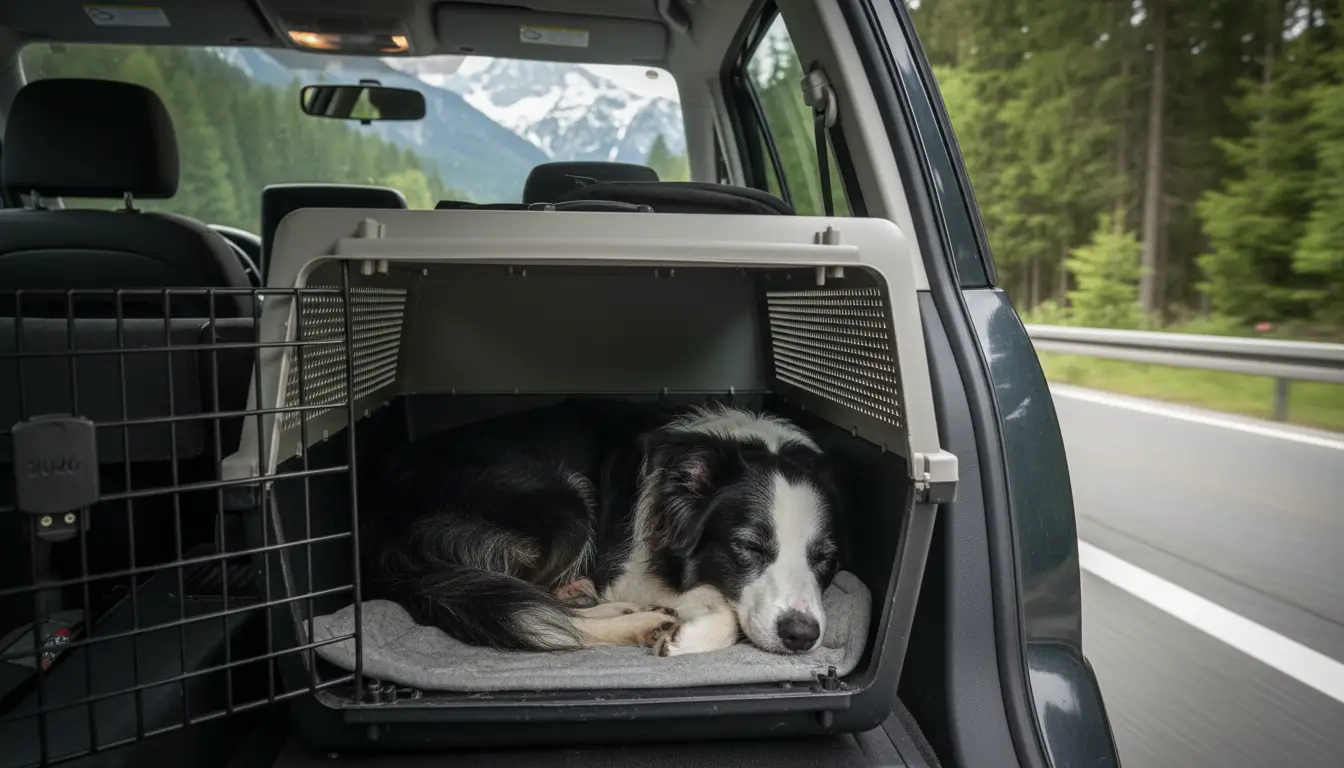
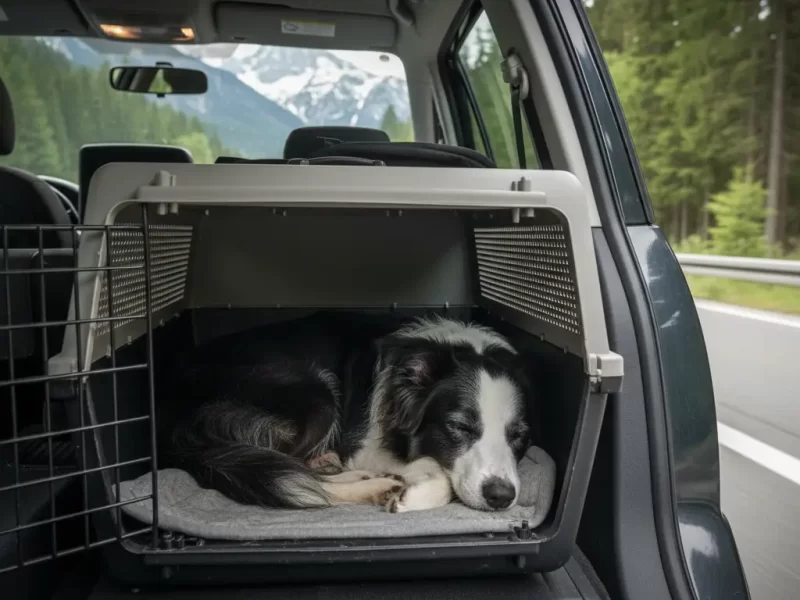
A fixed spot in the car offers your dog stability and confidence. Use a travel crate, harness or soft bed in a fixed place such as the boot or back seat. This gives your dog stability and prevents them from moving around the car. In many European countries it is also compulsory to secure your dog while driving.
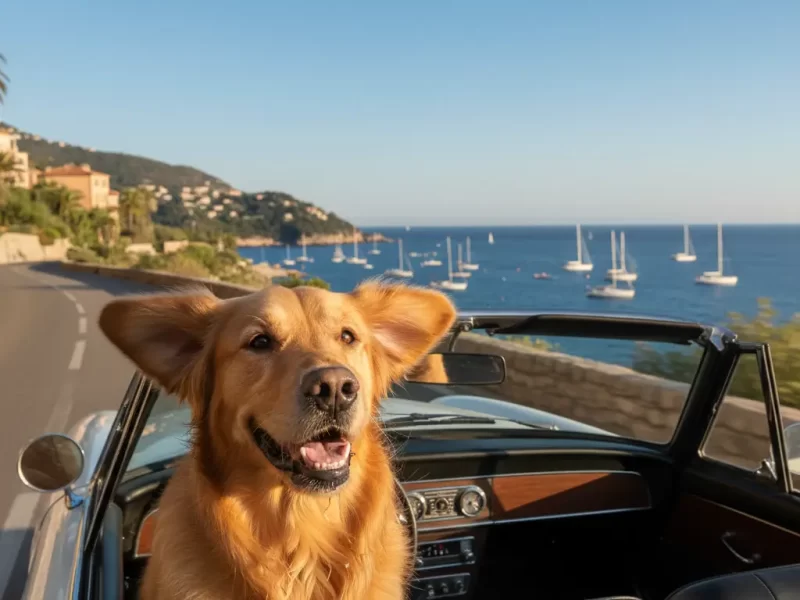
Make sure there is good ventilation. Open the windows slightly for fresh air. Do not let your dog hang their head out of the window. This can lead to ear infections or injuries.
Heat is a serious risk. Never leave your dog alone in the car, not even with an open window or in the shade. Overheating can be fatal within just a few minutes, especially during summer journeys.
Do not make the car a place only for unpleasant destinations. Also drive to positive locations, so your dog learns that the car does not always mean stress.
Prevent travel sickness with smart preparation
Many dogs suffer from travel sickness, especially puppies and young dogs. This shows as drooling, panting, restlessness or vomiting. The cause is often an inner ear that is not yet fully developed, or fear.
Do not feed your dog for at least two hours before departure. An empty stomach greatly reduces the chance of nausea and vomiting. You can offer water, but limit the amount just before you set off.
During the journey it helps to keep the car well ventilated and to drive smoothly. Avoid sudden braking and sharp bends.
If your dog continues to vomit despite these measures or is extremely anxious, consider a visit to the vet. There are medicines and calming aids available that can help, such as products with pheromones that reduce stress.
Plan regular breaks during long journeys
For holiday trips over longer distances, breaks are essential. Stop every two to three hours for a short walk, toilet break and water. This keeps your dog comfortable and helps prevent restlessness and stress.
Always keep your dog on the lead when getting out. Get out on the pavement side or away from traffic. Safety comes first, especially in busy car parks or along motorways.
Be careful with play areas along the road. In countries such as France and Italy, rat poison is sometimes spread along motorways. Keep your dog close and check what they are sniffing at.
Use breaks to have a little play together or enjoy a quiet moment. This strengthens the positive association with travelling.
‘ Reward calm and relaxation instead of comforting your dog when they are afraid, because that actually reinforces the unwanted behaviour. ’
Stay calm and consistent yourself
Dogs pick up on your emotions. If you are tense or stressed, your dog will mirror that restlessness. Stay calm, speak in a normal tone of voice and ignore signs of fear such as panting or trembling. Reward calm and relaxation instead of comforting your dog when they are afraid, because that actually reinforces the unwanted behaviour.
Be consistent in your approach. Repeat the exercises regularly. Increase the level of difficulty slowly. Do not force anything. Create positive experiences. Your dog will then learn to trust the situation.
Extra aids for difficult cases
Some dogs need extra support. Calming pheromones in sprays or special collars reduce panting, trembling and fear. These products are clinically tested and work for many dogs.
For young puppies, a familiar toy or blanket helps. The familiar scent provides reassurance in an unfamiliar situation.
When travelling to southern European destinations, be extra alert to heat and local risks. Check the import rules for dogs in each country in advance, such as compulsory vaccinations or the EU pet passport.
Make travelling with your dog a positive experience
With patience, structure and the right preparation, you can prevent or reduce behavioural problems in your dog during car journeys. Start with short training sessions, use a safe set-up and plan enough breaks. This way, the car becomes a familiar place for your dog and you can enjoy a relaxed holiday together.
On the Traveler Tips website you will find plenty more useful information about travelling with pets, planning holiday journeys and practical tips for on the road. Discover more and prepare optimally for your next trip.
Frequently asked questions
Prepare your dog with gradual familiarisation: first calmly in and around a stationary car, then with the engine running and short trips to fun destinations. Provide a safe, fixed spot (travel crate or harness), sufficient ventilation and take familiar items such as a blanket or toy. Do not feed your dog just before departure, plan a break every 2–3 hours for toileting, drinking and exercise, and never leave them alone in the car because of the risk of heat. If there are signs of travel sickness or extreme anxiety, the vet can advise on medication or calming aids.
Provide a safe travel spot with a solid travel crate or a special dog seat belt on the back seat or in the boot, with a familiar blanket or toy for extra comfort. Make sure there is good ventilation, prevent heat and never leave your dog alone in the car. Plan regular breaks so they can drink, move around and relieve themselves, especially on longer journeys. Build up their familiarisation with the car step by step with short drives and positive rewards, so that the car becomes a pleasant place.
Plan your route with regular breaks every 2–3 hours, so your dog can drink, walk and relax. Choose quieter roads where possible and avoid busy rush-hour traffic to limit sudden braking and steering manoeuvres. Do not feed your dog just before departure and make sure there is good ventilation, but without them hanging their head out of the window. Gradually build up the travel distance with short trips to enjoyable destinations first, so your dog has positive experiences with the car.
I recognise signs of stress or anxiety in my dog such as panting, shaking, whining, moving around restlessly or refusing to get in. I also see excessive sniffing, drooling or barking in the car as early warning signs. When I notice this, I take a break straight away, shorten the trip and provide positive distraction with treats or a toy. In addition, I practise outside the holiday season with very short, positive car rides so the car remains predictable and safe.