
 NL
NL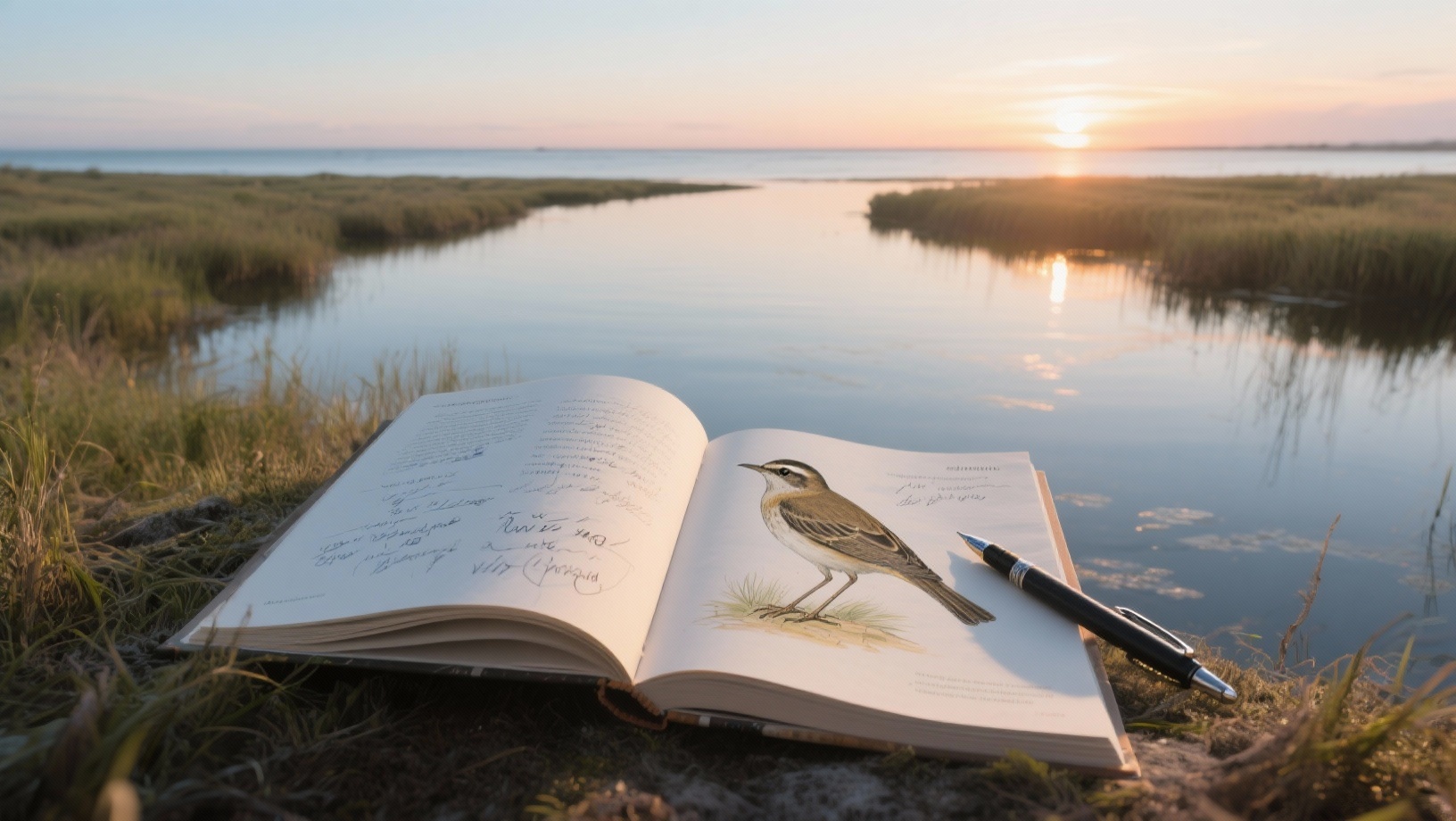
Birdwatching trips: a handbook for a smartly planned nature experience
A well-prepared birdwatching trip is one of the most enriching ways to experience nature and offers a perfect combination of peace, discovery and active relaxation. The success of such a trip does not depend on luck, but on smart planning. With the right knowledge of areas, seasons and equipment, you can turn an ordinary trip into a fascinating expedition. Discover how to watch birds like an expert.
Birdwatching is an active way to understand landscapes and grasp the dynamics of the seasons. This form of travel fits perfectly within the trend of conscious and thoughtful nature holidays, where the experience takes centre stage. You learn to look at your surroundings differently, whether along the Dutch coast or through the hills of Central Europe. The satisfaction of recognising a rare species or observing bird behaviour is a unique experience that deepens your trip.
The added value of birdwatching while travelling
Why make birdwatching part of your trip? Because it forces you to slow down and sharpen your senses. You pay attention to sounds, movements in the distance and small changes in the landscape. This process takes you out of the role of spectator and makes you an active participant in nature. It is an activity you can do anywhere, from a short stop along a river during a road trip to a fully planned week in a nature reserve. On top of that, it gives structure to your day: early morning and late afternoon are often the best times, leaving the rest of the day free for other activities.
‘ Making the right choices in advance is the difference between a frustrating search and a successful day. ’
Preparation: the basis for successful birdwatching
Good preparation is half the work, especially for the beginning birder. Making the right choices beforehand is the difference between a frustrating search and a successful day. Think of three basic principles: the right place, the right time and the right equipment. Look into your destination: which species live there and when are they most active? Spring and autumn are often ideal because of bird migration, when thousands of birds travel across Europe. This provides spectacular moments, even for those who cannot yet identify every species.
Essential equipment for every birder
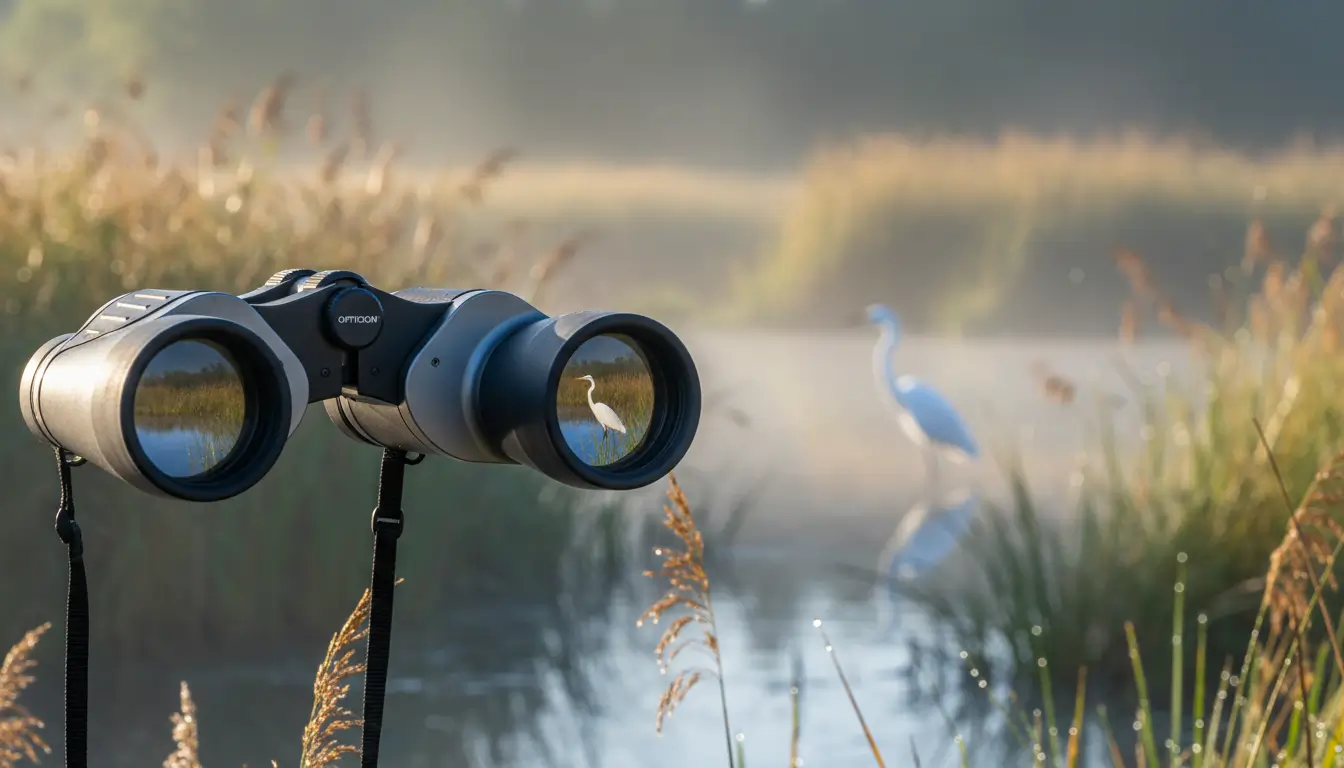
You do not need to spend a fortune to start birdwatching, but a few items are essential. A good pair of binoculars is by far the most important. Choose a model that is not too heavy and offers a bright, stable image. Magnification of 8x or 10x is generally perfect. A bird identification book or an app on your phone is also useful for identifying species. Think of apps such as Merlin Bird ID or use the website Waarneming.nl. Also make sure you have practical clothing appropriate to the weather and comfortable walking shoes. Subtle colours help to avoid scaring birds away.
- Binoculars: Choose a model with 8×42 or 10×42 magnification. This offers a good balance between magnification and a wide field of view.
- Bird identification book or app: A physical book or a digital app helps you recognise birds based on appearance, sound and habitat.
- Notebook: Write down what you see, where and when. This helps you to learn and recognise patterns.
- Clothing: Wear layers and opt for muted colours such as green, brown or grey. Sturdy, waterproof shoes are a must.
Top destinations for birding trips by car
Europe is full of areas that are perfect for a birdwatching trip by car or train. You do not have to travel far for an impressive experience. Many of the best places are easily accessible and offer excellent infrastructure with walking paths, bird hides and visitor centres. Below you will find some suggestions that are ideal for a self-organised trip.
The Netherlands: water country full of life
Our own country is a paradise for waterbirds. The combination of wetlands, polders and the Wadden Sea attracts millions of birds all year round. Lauwersmeer National Park is a top location, especially during migration periods. Here you can see huge groups of waders and geese and, with a bit of patience, even the white-tailed eagle. The Wadden Islands, such as Texel and Schiermonnikoog, are also fantastic. Hire a bicycle and explore the dunes, salt marshes and polders. In the Biesbosch you have a chance of seeing the osprey, while the new Marker Wadden are a unique project where you can spot birds such as the avocet, spoonbill and bearded reedling.
Spain: from vultures to migratory birds
For those who want to drive a bit further south, Spain offers a completely different landscape and other species. The region of Extremadura, in western Spain, is known for its huge populations of birds of prey. In Monfragüe National Park, griffon vultures and Spanish imperial eagles circle above the rock faces. It is an impressive sight. Another famous location is Doñana National Park in Andalusia, one of the most important wetlands in Europe. This is a hub for migratory birds travelling to and from Africa, where in the right season you will find an enormous diversity of species, including flamingos.
Germany: cranes and ancient forests
Also close to home, Germany offers great possibilities. In spring and autumn, the Diepholzer Moorniederung region, not far from the Dutch border, is a gathering place for tens of thousands of cranes. Their trumpeting calls and dances are an unforgettable spectacle. For a different experience, you can visit the national parks in, for example, the Bavarian Forest. Here you will find ancient forests with woodpeckers, owls and, with a bit of luck, even capercaillie. These areas are well set up for visitors, with clearly marked walking routes and information points.
Smart tips for on the road
Once you reach your destination, there are ways to improve your experience. The most important rule is: be patient and respect nature. Move calmly and keep your distance, especially during the breeding season. Do not disturb the birds, as this costs them precious energy.
Timing is everything
Get up early or go out towards evening. Many birds are most active at dawn and dusk. The soft light at these times of day is also ideal for taking photos. Try to check the tides as well if you are in a coastal area. Rising water drives many waders to higher areas, making them easier to see.
Use local knowledge
Visit a local nature centre or visitor centre. The staff there know exactly where most activity is at that moment and can give you tips on recent sightings. Sometimes these centres also organise excursions with experienced birders, an excellent way to learn a lot about the area and its inhabitants in a short time. Such an excursion can add an extra dimension to your trip.
Planning a birdwatching trip is an investment in a deeper travel experience. It connects you with the places you visit in a way that few other activities can match. With good preparation, the right equipment and a healthy dose of patience, you will discover Europe’s rich birdlife and experience nature at its most beautiful.