NL
NL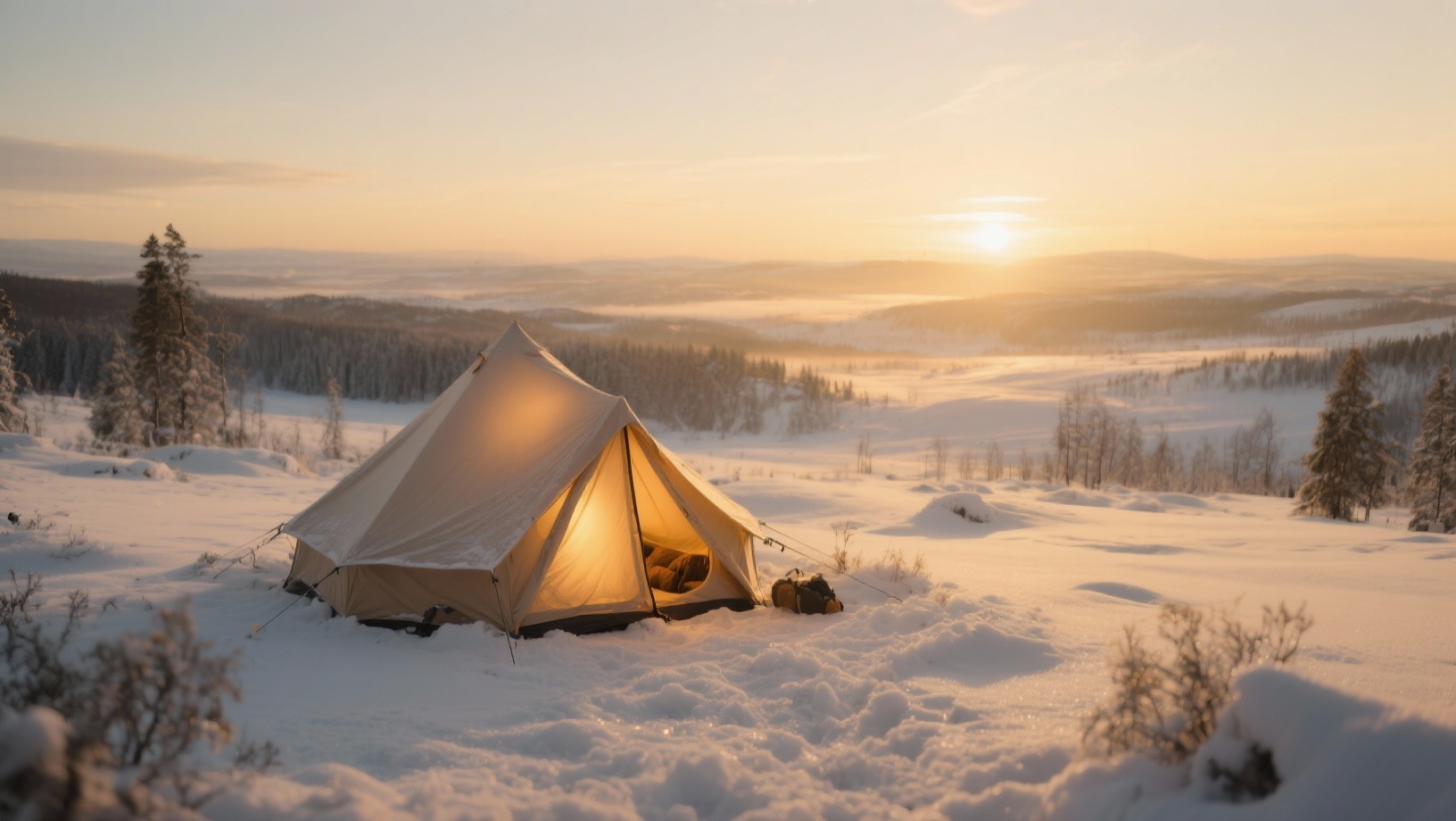
Camping in the low season and winter offers, with the right preparation, the chance to avoid the crowds and experience nature in a different way. These periods require thoughtful planning, with the reward being peace, space and lower costs. The question is how campers can best prepare themselves for the cold. This article describes the necessary steps for a successful camping holiday outside the summer months.
The advantages of camping outside peak season
Choosing to camp outside the summer months is becoming increasingly popular. The primary reason is the peace and quiet. Campsites are considerably emptier, meaning guests can enjoy the surroundings almost on their own. This tranquillity offers a different experience from the liveliness of the high season. An additional advantage is the flexibility. Whereas in summer you often need to book weeks or months in advance, in the low season it is easier to find a pitch and the minimum stay is generally shorter, for example just two nights.
In addition, camping in autumn, winter or early spring is budget-friendly. The rates for a pitch are significantly lower. Discounts can be as high as 25%, and with camping cards such as CampingCard ACSI, reduced rates are available at numerous winter campsites. This makes it an economical option for travellers who are conscious of their budget and still want to enjoy a comfortable holiday.
‘ The right equipment determines your level of comfort. ’
Essential equipment for camping in the cold
Good preparation is half the work, especially at lower temperatures. The right equipment determines your level of comfort. The vehicle and personal items must be suited to the weather conditions.
Adjustments for caravan or motorhome
Not every camping vehicle is suitable for winter use. A winterproof caravan or motorhome, usually fitted with a double floor, provides better insulation against rising cold. In addition, consider the following:
- Winter Tyres: These are compulsory in icy conditions in several European countries and also offer more grip and safety in the Netherlands.
- Insulation: Use insulation mats for the windows and heavy curtains for the driver’s cab to limit heat loss.
- Gas supply: Ensure you have sufficient propane gas, which freezes less quickly than butane gas. An automatic switch-over between gas bottles is convenient.
- Water pipes: Insulate external water pipes with special sleeves to prevent them from freezing.
- Practical tools: Take a ladder with you to remove snow from the roof and place boards under the corner steadies to prevent sinking when the ground thaws. Do not leave the handbrake engaged to avoid it freezing solid.
Personal kit and comfort
Your personal kit also needs some adjustments. Dress in layers so you can adapt to changing temperatures. Thermal clothing, a windproof and waterproof outer layer and good walking boots are indispensable. A warm sleeping bag with a comfort temperature suited to night frost is a sensible purchase. For extra comfort, an electric heater is worth considering, but always check whether its output is compatible with the power supply on the campsite.
Practical preparations on the campsite
Once you have arrived at the campsite there are a number of things to bear in mind. Choose your pitch carefully. A sheltered spot out of the wind increases comfort. Snow has an insulating effect, but a thick layer of snow on the roof of a caravan or on an awning creates a heavy load. Remove this in good time, especially before departure.
Protect power cables from potential snowploughs by keeping them clearly visible. Check the weather forecast regularly and adjust your plans accordingly. For those who want extra comfort, numerous campsites and holiday parks also offer heated chalets or static caravans in winter. This is a good option for anyone who wants to experience the atmosphere of the campsite but prefers not to sleep in their own camping vehicle.
Finding campsites for the low season and winter
In the Netherlands there are around 200 campsites that are open all year round, the so-called winter campsites. These are generally aimed at motorhomes and caravans and offer the necessary facilities. Websites such as Eurocampings and apps from camping card providers help you find suitable locations. Do pay attention to opening times. Numerous nature campsites operate a season running from the end of March to the end of October, but there are exceptions that are open all year round, such as Natuurkampeerterrein Vlagberg.
Bear in mind that the camping season in the Netherlands is regulated locally. Outside the period from 15 March to 31 October, camping is not permitted on various sites. Therefore, always check the current rules and opening times directly with the campsite of your choice. Wild camping is not allowed in the Netherlands; for this you need to head to countries such as Sweden or Norway, where different rules apply.
Good planning is the basis of every successful trip. With the right preparation and equipment, nothing stands in the way of a comfortable and relaxing camping holiday in the low season or winter.
Frequently asked questions
To camp comfortably and stay warm in the low season or winter, a winter-suitable caravan or motorhome with double floor and insulation mats for the driver’s cab is essential. Winter tyres are compulsory in icy conditions, and boards under the corner steadies prevent sinking when the ground thaws. A ladder and shovel are useful for removing snow from roofs and awnings. Consider chalets or static caravans for extra warmth, and insulate power cables and pipes.
To find campsites suitable for winter camping, look for winter campsites that are often open all year round and are geared towards caravans and motorhomes. Many parks, such as Roompot, offer chalets or static caravans for winter comfort. Use tools such as CampingCard ACSI or Eurocampings for discounts and for locations of winter campsites in the Netherlands. Always check directly with the campsite for up-to-date rules, facilities such as heated sanitary blocks and sufficient power supply, and any seasonal opening periods.
In the Netherlands, around 200 winter campsites, including nature sites such as Vlagberg and Borger that are open all year round, offer peace and lower prices for campers in the low season or winter. These locations are ideal for walkers who enjoy unique silence and privacy. For real winter camping you can head to countries such as Sweden and Norway. Typical activities include enjoying the empty campsites, the surrounding nature and the tranquillity that the low season brings.
When preparing your vehicle for winter camping trips, choose a winter-suitable caravan or motorhome with a double floor for insulation, and avoid tents because of the cold. Make sure you have winter tyres in icy conditions and place boards under the corner steadies to prevent sinking when the ground thaws. Release the handbrake to avoid it freezing and protect power cables from snowploughs. Take insulation mats and heavy curtains for the driver’s cab to travel comfortably and safely.
Camping in the low season offers peace and quiet, lower prices and flexibility in arrival dates and length of stay, with discounts of up to 25%. The challenges include the cold, which requires specific equipment such as winter-suitable motorhomes and insulation, and local regulations that often limit camping to 15 March–31 October, meaning many sites close. Preparing for the weather and the rules is crucial, especially as many winter campsites offer chalets or static caravans for extra comfort.