 NL
NL
Flexibility, sustainability and lower costs are making camping in the Netherlands an increasingly attractive option for the independent traveller. Being able to enjoy a variety of landscapes without long travel times offers a sense of freedom that fits perfectly with consciously planning your holiday. Discover how, with the right preparation, you can get the most out of your stay close to home.
Why choose a camping holiday in your own country?
More and more travellers are discovering the advantages of a holiday in their own country. The main reason is the limited travel time. Instead of spending a whole day on the road, you are often at your destination within just a few hours. This makes short breaks, such as a long weekend, much more accessible. You have more time left to relax and explore the surroundings. This efficiency ties in well with the wish to turn travel time into experiences.
Costs also play a role. Fuel expenses are significantly lower and you have more control over your budget. Although campsite prices vary, it remains an affordable way of travelling, especially if you opt for your own tent or caravan. It is wise to take future changes into account. From 2026, for example, road tax for motorhomes will be increased, which may affect costs for campervan owners. For the time being, VAT on a standard camping pitch will remain unchanged.
‘ It is a region that invites you to slow down and enjoy the elements. ’
Popular destinations for your next trip
The Netherlands offers a surprisingly diverse range of landscapes concentrated in a small area. This makes it easy to visit several regions in a short period of time. Some areas remain consistently popular with campers because of their unique character and good facilities.
The Veluwe: forests and tranquillity
The Veluwe in Gelderland is a classic destination for lovers of nature and peace and quiet. Its extensive forests, heathlands and drifting sands offer an ideal setting for walking and cycling tours. Here you will find campsites located directly on the edge of the forest, ranging from simple nature campsites to larger family sites. A visit to De Hoge Veluwe National Park is an obvious choice if you want to spot wildlife or visit the Kröller-Müller Museum.
The Wadden coast: unique nature
The Wadden area, with its unique tidal landscape, offers a completely different experience. The coastline of Friesland and Groningen is a starting point for mudflat walking or a visit to the islands. Campsites here are often close to the dyke, giving you sweeping views. It is a region that invites you to slow down and enjoy the elements. The combination of water, tranquillity and nature makes this area popular with a wide audience.
Drenthe: space and history
Drenthe is known for its peace, space and iconic dolmens. The landscape is characterised by heathland, peat bogs and traditional village greens. It is a province that lends itself perfectly to cycling trips along the many segregated paths. Campsites are often small-scale and offer a personal atmosphere. For those looking for a destination away from the crowds, Drenthe is an excellent option.
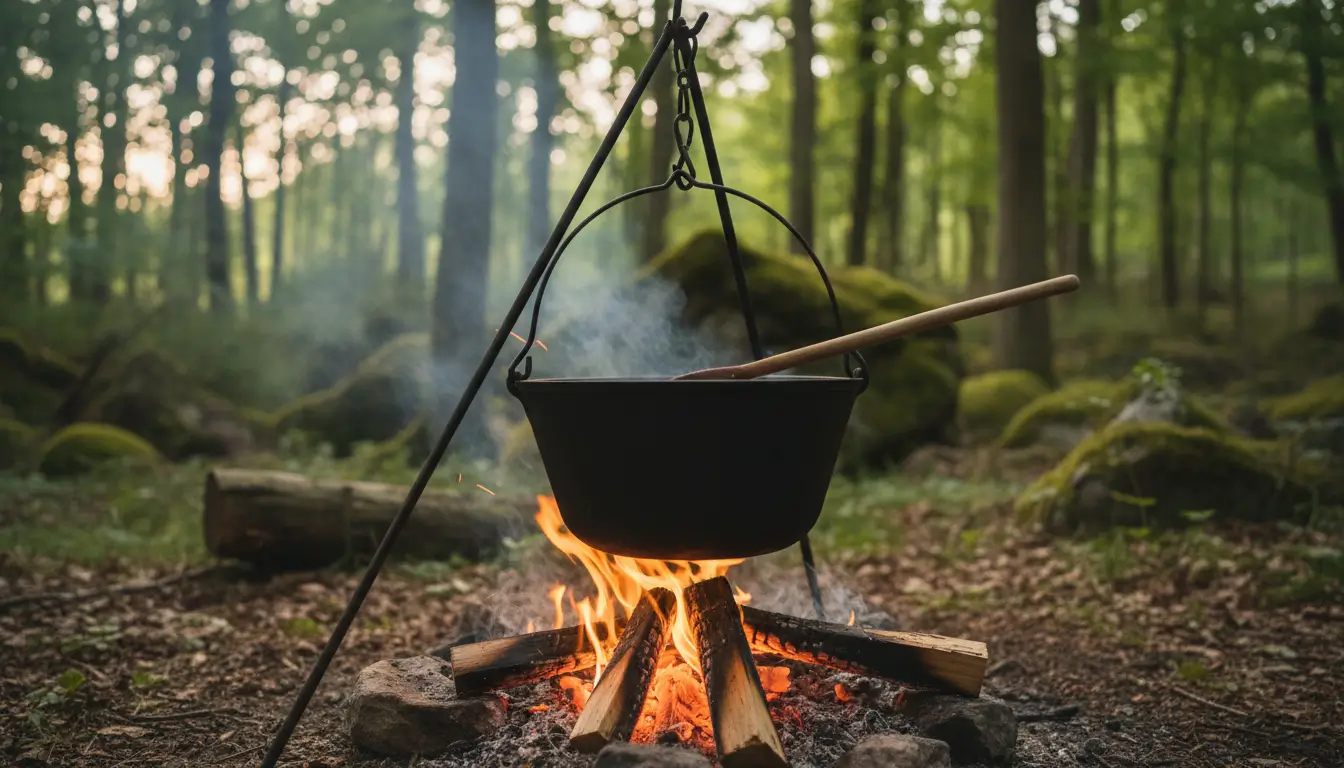
This is how to plan an efficient weekend trip
A short camping trip calls for smart planning. The aim is to relax as much as possible with minimal effort. Start by choosing a campsite that matches your wishes. If you are looking for peace and quiet, opt for a Natuurkampeerterrein (a designated nature campsite). If you are travelling with children, a campsite with more facilities may be a better choice. Platforms such as ACSI (a camping guide that rates thousands of campsites across Europe) provide a good overview of what is available.
Good preparation is key. Make a concise packing list tailored to a short stay. Think of the basics: good sleeping gear, cooking equipment and layered clothing suitable for the changeable Dutch weather. A waterproof tent and a power bank are far from a luxury. Reserve your pitch in advance, especially on popular weekends, and check the local tourist tax to avoid any surprises.
The advantages of camping in the low season
The high season in July and August is often busy and more expensive. So consider going in the shoulder seasons instead. May, June and September often offer pleasant weather and considerably more peace and quiet. The advantages are clear:
- More peace and space: Campsites are less crowded, giving you more privacy and a more relaxed atmosphere.
- Lower costs: Pitch fees are often lower outside the high season.
- More pleasant temperatures: For active holidays such as walking or cycling, the milder temperatures in spring and autumn are often more comfortable.
- A different experience of nature: Spring brings blossoming plants and young animals, while autumn treats you to beautiful colours in the forests.
Good preparation is the foundation of a successful trip. On the Traveler Tips website you will find plenty more practical information for planning your car or road trip, from smart packing tips to the most beautiful routes through the Netherlands and beyond. Explore our articles and travel more comfortably and consciously.
Frequently asked questions
Small campsites or farm campsites offer the best balance, as they are often quieter and cheaper, ideal for self-organised travellers. They are frequently located close to nature areas such as the Veluwe or Limburg, with good access to walking and cycling routes. For beach lovers, campsites in Zeeland are a good option, with dunes and sea views. Avoid the high season (July–August) for lower prices and fewer crowds.
For a carefree and comfortable camping trip through the Netherlands, booking via platforms such as ACSI, a waterproof tent and power banks are crucial. Plan routes using ANWB maps or apps and avoid the high season (July–August) to keep prices down. Consider caravans as an alternative to motorhomes because of rising costs, and declare your motorhome off the road when not in use to save on tax. Choose the low season (May/June, September) or midweek stays to avoid the crowds and enjoy peace and quiet on farm or association campsites.
Plan your trip through the Netherlands by combining unique farm campsites in Limburg or Natuurkampeerterreinen with local experiences such as cycling along the Zeeland coast, walking on the Veluwe or watersports in Friesland. Opt for a flexible road trip or travel by train to starting points for further exploration by bike or on foot. Book your camping spots in good time via platforms such as ACSI, and consider the low season (May/June, September) for a quieter and often cheaper experience. Take into account the financial changes for motorhomes from 2026 and explore quiet association campsites for a special camping experience.
For peace and nature, the Veluwe in Gelderland and Limburg, with its farm campsites and hilly terrain, are particularly suitable. For cultural depth there are no fixed, official routes, but the provinces of Zeeland (beach camping and cycle paths along the dykes) and Friesland and Groningen (watersports) offer a variety of landscapes. The low season (May/June, September) is ideal for avoiding the crowds and keeping prices down. Natuurkampeerterreinen are a good choice for eco-conscious campers.
When choosing a campsite in the Netherlands, the location and type of natural surroundings are essential for the experience you are looking for, whether that is beach, forest or water. Crucial to comfort are the available facilities such as showers, electricity and Wi‑Fi, with options ranging from basic to extensive. Booking in good time outside the high season can ensure better availability and prices, contributing to both comfort and a more relaxed stay. Finally, take into account fiscal changes, such as higher road tax for motorhomes from 2026, to avoid unexpected costs.