 NL
NL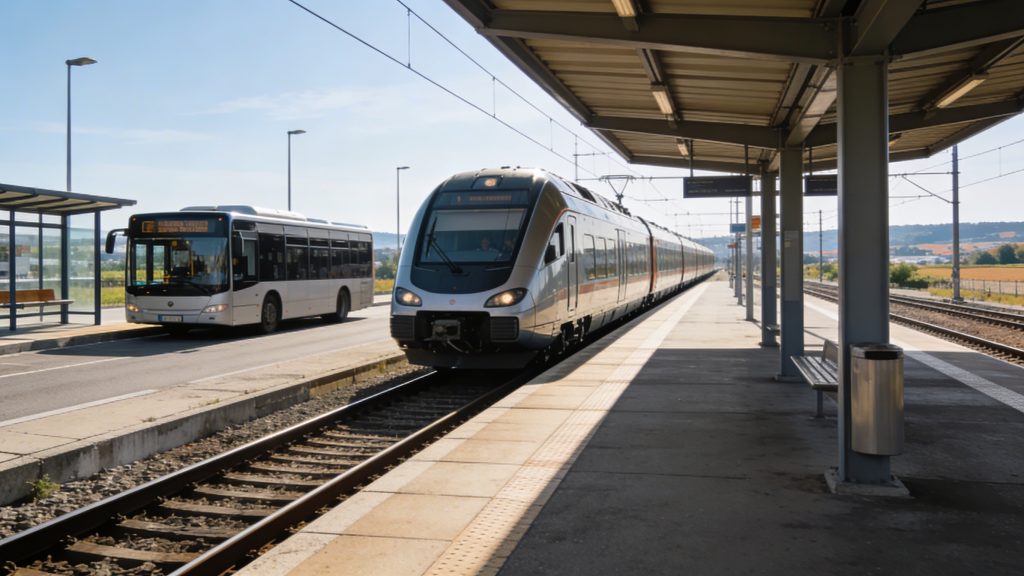
Combining trains and regional buses is the most efficient way to get maximum travel flexibility on a limited budget. Use the train for your main routes and switch to local buses when you want to explore remote areas and smaller villages. With the right day passes and combo tickets, you keep money left over for other things during your trip. Read on and discover how this hybrid transport option helps you get the most out of your travel budget.
Why the combination of train and bus works
The train takes you quickly from city to city, but many hidden spots and smaller destinations lie outside the rail network. Regional buses fill these gaps perfectly. Every year, people in the Netherlands travel 25 billion kilometres by public transport. This extensive network means you can reach almost any location without a car.
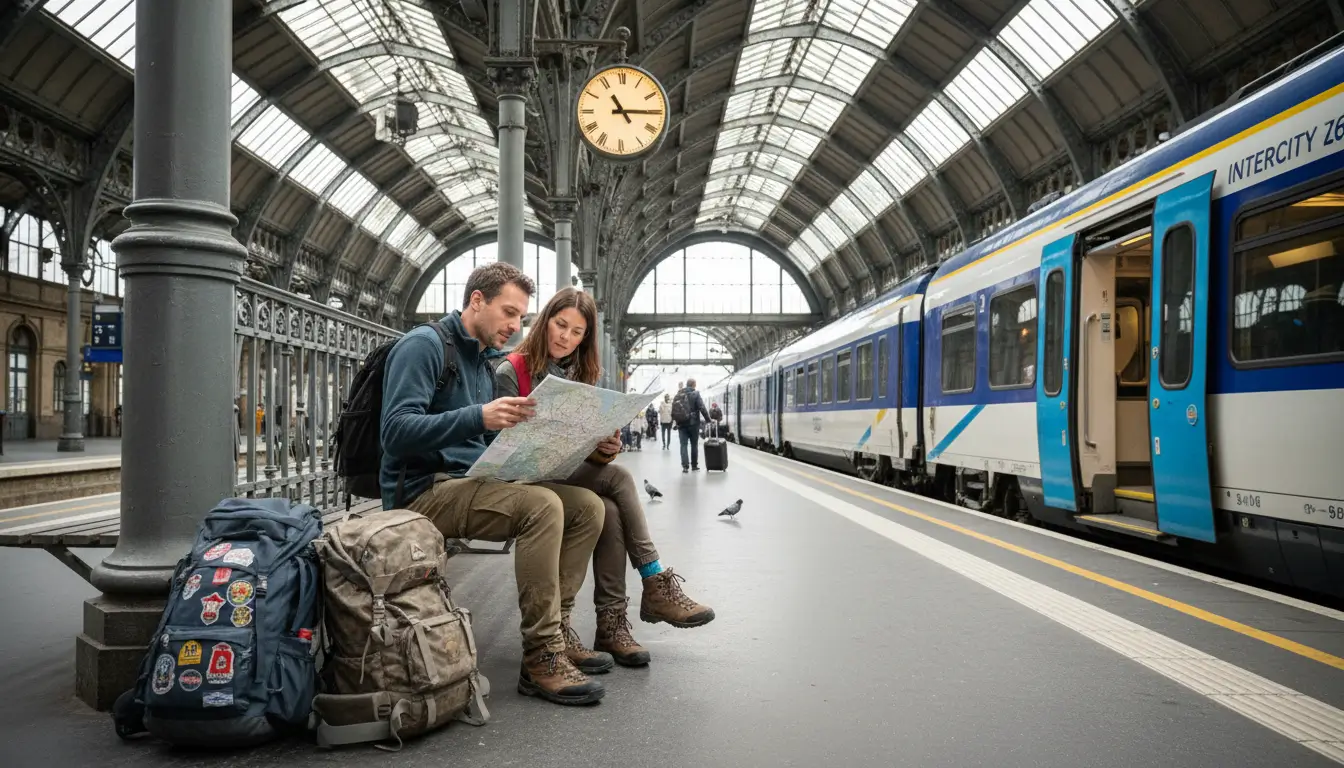
For backpackers and budget-conscious travellers, this combination offers an extra advantage: you only pay for the transport you actually use. With a backpacking-by-train holiday you stay in control of your spending and plan your route anew every day. Flexibility and affordability go hand in hand here.
The basics are simple. Use train connections for longer distances and transfer to buses when you arrive in a region. Day passes and combo tickets make this process cheaper than booking separate trips. It does require some preparation to know which passes are valid where.
Cheap ticket options for multiple travellers
Travelling with a group or family? Then there are various discounts available. NS’s “samenreiskorting” (shared travel discount) gives you a reduced fare when several people travel together. This immediately saves money on train tickets.
Regional day tickets are often the best choice for intensive travel days. In Friesland and Groningen, a public transport day ticket for all buses and trains run by Arriva costs only €9.95. Up to three children aged 11 and under travel for free. In Groningen and Drenthe, Qbuzz offers the “Vakantiebroezz’n” ticket for €12.50, valid for up to two adults and three children per adult.
For families with young children, there are even more options:
- Kids Day Ticket in Amstelland-Meerlanden: €1 for all bus lines, including night buses
- Free child fares with specific regional day passes
- Weekend tickets that make group travel more affordable
Combo tickets with attractions and day trips
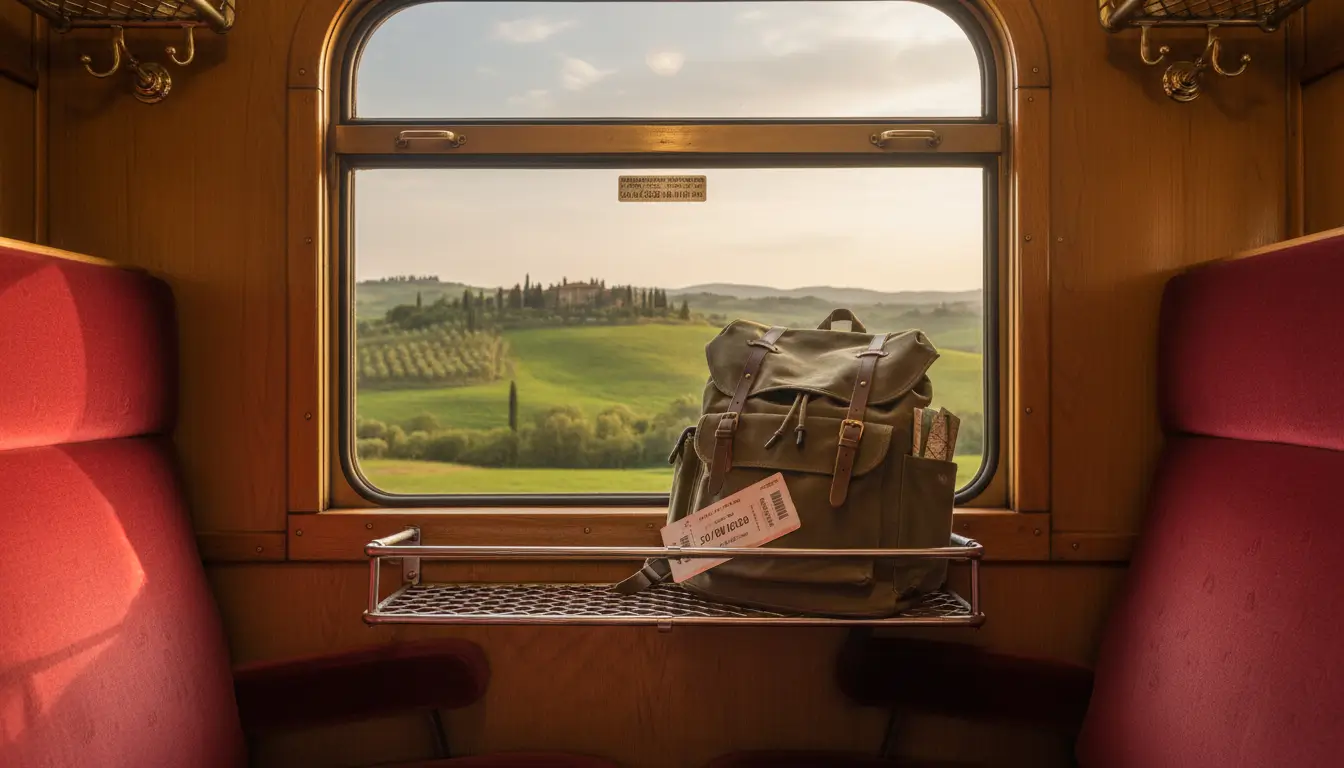
NS offers online combo tickets that combine a train journey with an entrance ticket for museums, zoos or other attractions. These packages are often cheaper than buying everything separately. Before you set off, check whether your destination offers a combo ticket.
This not only saves money, but also time. You don’t need to buy separate tickets when you arrive. Combining transport and activity in one package makes your day planning clearer. Especially for popular attractions, this can make a significant difference.
Season tickets for frequent travellers
If you travel regularly by public transport, a season ticket is cheaper than travelling on credit. For budget travellers who are on the road for longer periods, this can be interesting. The “Dal Voordeel Oost” product, for example, offers 40% off during off-peak hours on buses and regional trains in the east of the Netherlands for €25 per year.
Pay close attention to each pass’s conditions. Some are only valid in specific regions or at certain times. Work out in advance whether the investment pays off for your planned journeys. For those travelling outside rush hour and staying several weeks, an off-peak season ticket often pays for itself quite quickly.
‘ It makes it easier to keep track of your budget and saves you from having to manage multiple separate tickets. ’
Flexible mobility cards for multiple modes of transport
Mobility cards such as the NS Business Card, Reisbalans and ANWB mobility card give access to different modes of transport via one system. With the same card or app, you switch between train, bus, bike, e-scooter and shared cars.
This flexibility is useful if you change your plans on the move or use several modes of transport in one day. You check in and out with the same card and afterwards receive an overview of all your journeys. It makes it easier to keep track of your budget and prevents you from having to manage multiple separate tickets.

Which regional day passes are available
Each public transport company has its own day passes with different conditions and prices. Before you leave, research which operators are active in your region. Arriva, Qbuzz, Connexxion and other companies all have their own fares.
Regional day tickets are often much cheaper than separate returns. In some areas, a single day pass lets you travel unlimited on all bus lines and regional trains. This opens up opportunities for spontaneous trips to nearby villages and nature reserves.
Check whether day passes are valid for both bus and train in the same region. Some tickets only cover bus transport. Others combine several modes of transport. Read the conditions carefully to avoid surprises when checking in.
Save with off-peak and time-based discounts
Travelling outside rush hours earns you extra discounts. Off-peak hours are weekdays between 9:00 and 16:00 and after 18:30, plus the entire weekend. Many season tickets and discount cards are only valid during these periods.
For backpackers with flexible schedules, this is ideal. Plan your longer stretches during off-peak times and save up to 40% on your train tickets. Regional buses often do not have a peak surcharge, but do check this for each operator.
Leaving early in the morning or travelling after the rush hour also makes trains quieter. This increases your travel comfort at no extra cost.
‘ Digital payment cards make checking in and out easier than paper tickets. ’
Practical tips for combining train and bus
Start by mapping out your route. Use journey planners such as 9292 to see where you need to change from train to bus. Pay attention to connection times, especially at smaller stations where buses run less frequently.
Download the app for your OV-chipkaart (public transport smart card) and for the relevant operators. This gives you real-time information about delays and alternative routes. Digital payment cards make checking in and out easier than paper tickets.
Work out in advance which ticket is the best value for your travel day. Sometimes a day pass is cheaper than two single trips. On other days, a combo ticket is more worthwhile. Making these considered choices can make a big difference to your overall travel budget.
Always check whether you are travelling with other people. Shared travel discounts provide instant savings. Some day passes become cheaper the more people you travel with.
Which combinations work best in Europe
The Netherlands has an extensive and reliable public transport network. However, this hybrid approach also works well in many other European countries. Germany, Austria and Switzerland have similar systems with regional day passes and good connections between trains and buses.
In the Scandinavian countries, buses take you to remote fjords and national parks that are not accessible by train. Southern Europe has a less dense bus network, but in tourist areas there are often shuttle buses to popular sights.
Research which operators are active in each country and whether there are special tourist passes. Some countries offer multi-day passes that cover both trains and buses. This greatly simplifies your planning and budgeting.
Balancing accessibility and affordability
Public transport in the Netherlands is accessible and relatively affordable compared with many other countries. Even so, 10% of Dutch adults experience problems with the affordability of mobility. For backpackers and budget travellers, these discount options are therefore valuable.
By using day passes, combo tickets and shared travel discounts smartly, you keep more of your budget free for accommodation, meals and activities. These savings add up over longer trips. Anyone travelling for a week or more can save dozens of euros by consciously choosing the right tickets.
The combination of train and bus gives you access to more destinations without the cost of hire cars or taxis. This makes slow travel and exploring less touristy areas financially feasible.
‘ discover more helpful articles that support you in smartly preparing your next trip. ’
Discover more on Traveler Tips
On the Traveler Tips website you will find extensive information about train travel, route planning and budget tips for a range of destinations. From practical packing tips to detailed travel guides for European regions: discover more helpful articles that support you in smartly preparing your next trip.
Frequently asked questions
Specific combination tickets include regional public transport day tickets (such as the Arriva day ticket in Friesland/Groningen for both bus and train) and promotions like Qbuzz “Vakantiebroezz’n” in Groningen/Drenthe, which combine unlimited bus travel (and sometimes regional train travel) for a day. In addition, there are NS combo tickets that combine your train journey with entry to an attraction, and regional discount season tickets such as Dal Voordeel Oost which offer off-peak discounts on both bus and regional train. You maximise your savings by travelling outside peak hours, using regional day passes instead of single trips, and travelling together to benefit from group or shared travel discounts. Always compare the price of a day pass or combo ticket with the total cost of separate trips for your full day’s route before you leave.
First plan your route with the NS app and 9292, and make sure regional buses are included, so that you see the fastest and most comfortable connections. Then look at regional day passes and promotions (such as Arriva or Qbuzz day tickets), which are often cheaper than single trips. Travel in off-peak hours where possible and use shared travel discounts or a discount season ticket to lower your costs further. Finally, compare combo tickets (train + entry) with separate tickets to see which is cheapest for your situation.
Check whether you remain within the same fare and operator area and whether your tickets (train and bus) are both valid there, so you do not pay twice. Work out in advance whether a day pass or regional ticket is cheaper than single trips, and whether shared travel or off-peak discounts are available. When changing, always pay close attention to the conditions (such as time limits or compulsory check-in and check-out moments) to avoid surcharges or missed discounts. Also compare combo tickets (for example train + day out) with separate tickets so you do not end up paying more unintentionally.
Yes, especially in regions with cheap regional day tickets, such as Friesland and Groningen (Arriva day ticket) and Groningen–Drenthe (Qbuzz “Vakantiebroezz’n”), combining train and bus can be significantly cheaper. This is even more true at weekends, during holidays and in off-peak hours, when special promotions and discounts apply. Combination deals from NS (train + attraction entry) also often work out cheaper than separate tickets. For families and groups, this combination is usually the most economical thanks to children’s discounts and shared travel discounts.
Apps such as the NS app, 9292 and Google Maps help you plan combined train and bus journeys efficiently, including connections and real-time departure times. With the NS app you can also easily buy train tickets and sometimes find special offers or combo tickets. 9292 often shows you several route options with price indications, so you can stay within your budget. For regional routes, operator apps such as Arriva and Qbuzz provide extra information about local day passes and discount products.