
 NL
NL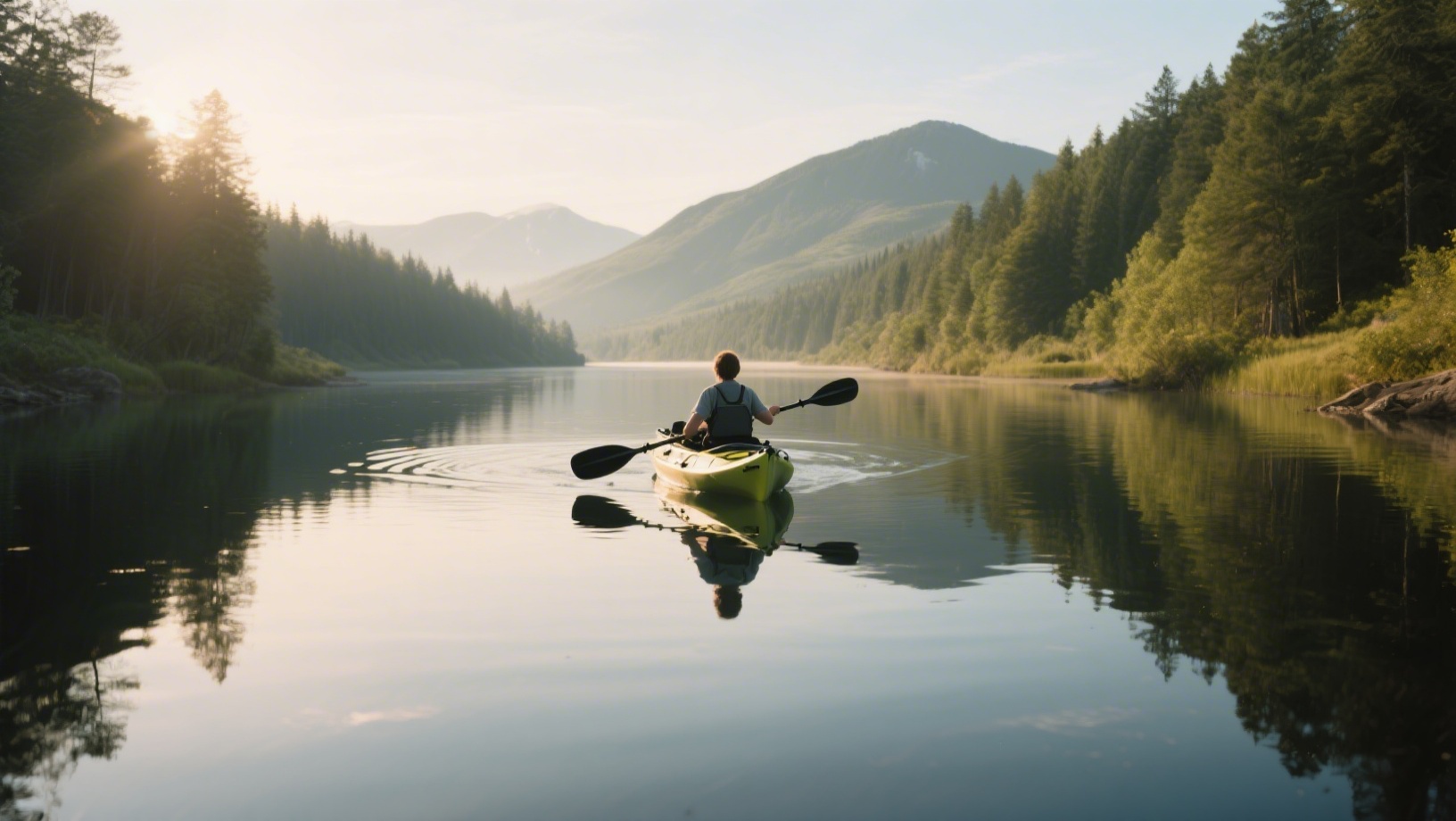
Canoe and kayak holiday: discover the most beautiful routes from the water
A canoe or kayak holiday takes you to places where cars and trains do not reach. You paddle through narrow creeks, travel past reed beds and spend the night at remote campsites that are only accessible by boat. You travel at your own pace, with nature setting the rhythm and every bend in the river bringing a new discovery. For those who consciously choose an active holiday with an in-depth experience of nature, a paddling trip offers the perfect combination of adventure and tranquillity.
Why paddling is the best way to experience nature
A nature holiday from the water gives you access to areas that remain unreachable from the shore. Silence, freedom of movement and the ability to choose your own route make this way of travelling unique. You pass through protected nature reserves where you can observe waterbirds at close range and see plants that only grow in marshy areas.
Paddling requires physical effort, but you set your own pace. Routes range from short day trips of four kilometres to multi-day expeditions of fifty kilometres or more. You can opt for gentle trips across open lakes or for winding little rivers that demand more navigation skills. The combination of movement, fresh air and the sounds of the water means many travellers find this relaxing despite the physical effort.
‘ The low centre of gravity gives stability, even in wind or waves. ’
The difference between a canoe and a kayak
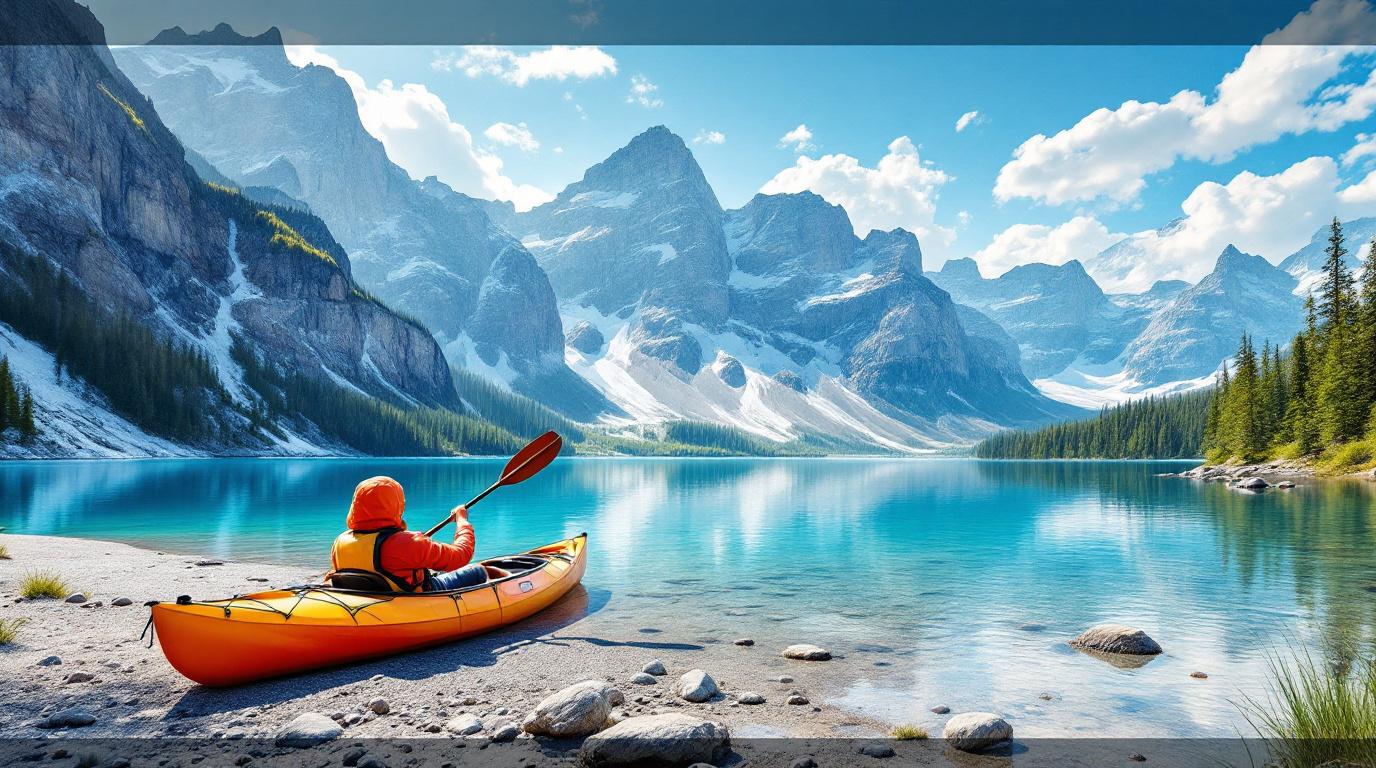
A kayak is narrower and more manoeuvrable than a canoe. You sit low in the boat with your legs stretched out and use a double-bladed paddle. This makes kayaking suitable for solo trips and for moving water. The low centre of gravity provides stability, even in wind or waves.
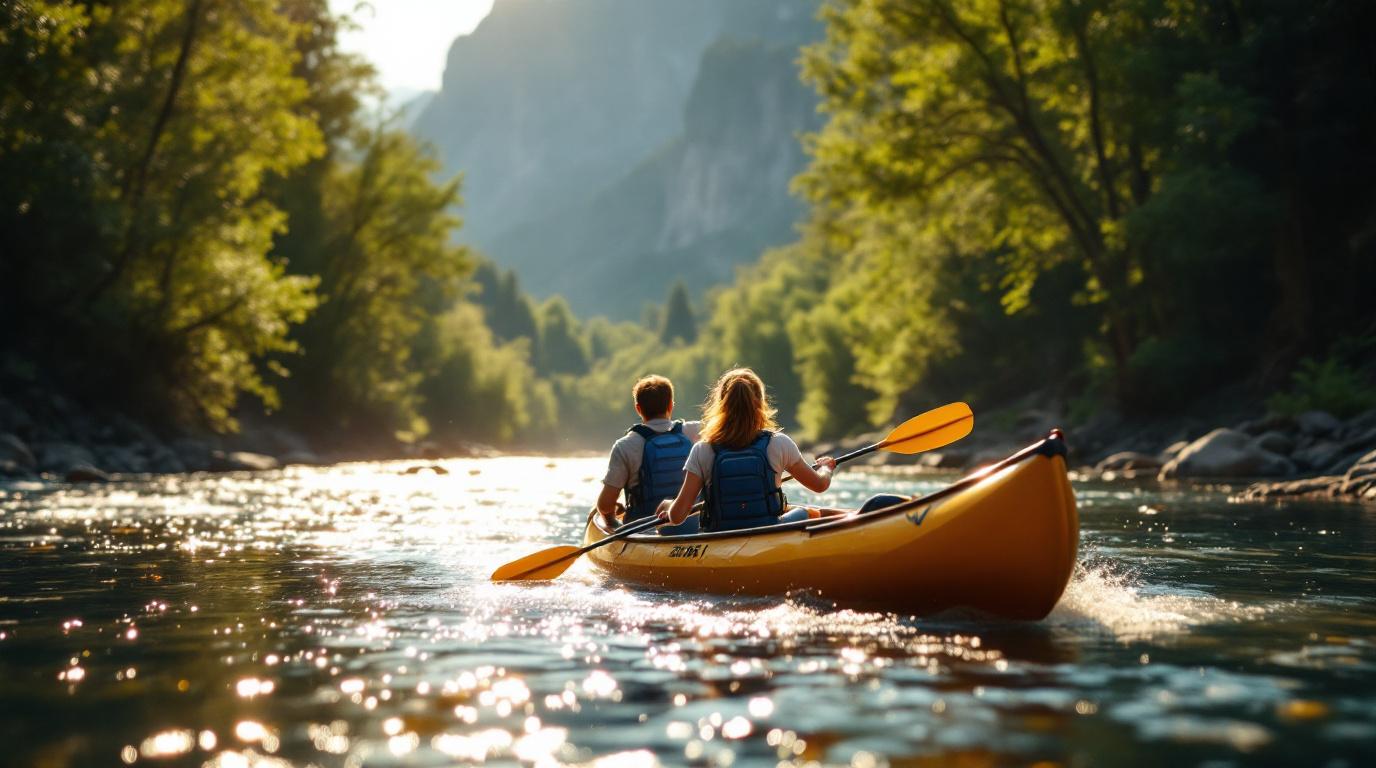
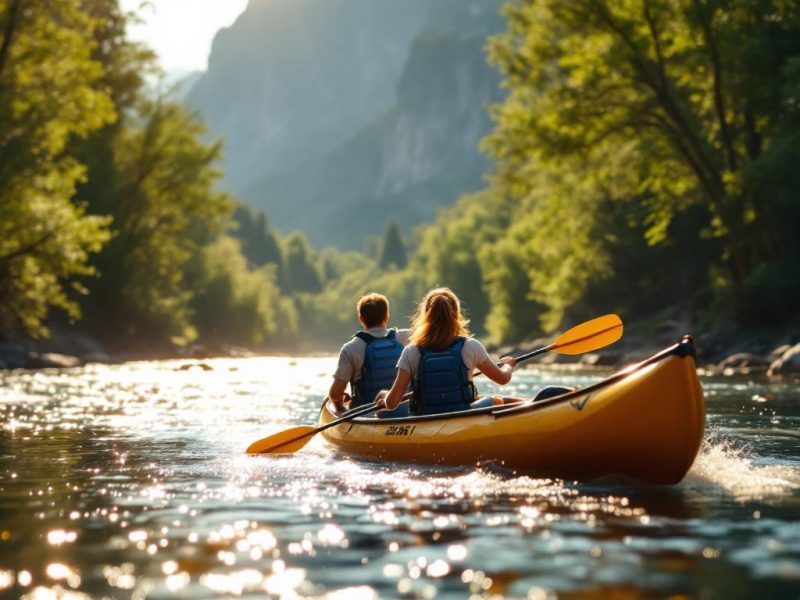
A Canadian canoe is wider and offers more space for luggage and passengers. You sit or kneel higher in the boat and use a single-bladed paddle. This type of boat is practical for multi-day trips where you take camping gear with you, or for families with children who want to come along. The downside is that a canoe is more sensitive to wind due to its higher profile.
For beginners wanting to do a day trip, both types of boat work well. Choose a kayak if you are going on your own and want plenty of movement. Choose a canoe if you are travelling with several people or need to take a lot of gear.
Which types of water are suitable for paddling
River trips combine a current with variety in the landscape. You travel with the flow, allowing you to cover greater distances with less effort. Creeks and narrow rivers demand good steering skills, especially at low water levels or where branches overhang. Meanders in peatland areas offer shelter and tranquillity, while broader rivers provide more open views.
Lakes and pools suit travellers looking for a clear overview and freedom in their choice of route. You do not have to take the current into account, but wind plays a larger role. Large lakes require more strength in headwinds. Smaller lakes with little islands and reed beds offer variety and shelter.
Sea kayaking requires specific knowledge of tides, currents and weather conditions. Seawater offers spectacular routes along cliffs and bays, but the risks are greater. This is an option for experienced paddlers who are familiar with maritime conditions and safety protocols.
Finding routes that match your experience
Start by determining your goal. Are you looking for a gentle day trip or a multi-day expedition with camping? Do you want to travel across open water or through sheltered creeks? Most rental companies and nature organisations provide route maps with varying degrees of difficulty.
A beginner’s route is usually between four and ten kilometres long, with clear put-in and take-out points and few obstacles. Straight waterways in national parks offer clear orientation and reduce the risk of getting lost. For more advanced paddlers there are routes with meanders, shallow sections and longer distances.
Always check the water level before you set off. Low water levels make narrow little rivers difficult to navigate, especially in dry summers. At high water the current can be too strong. Many areas provide up-to-date information on their website or via the rental company.
Download GPS tracks or use paper maps with detailed zoomed-in sections. Do not rely solely on your phone; batteries run out and digital maps do not always load. Note the locations of take-out points, drinking water and campsites in advance.
‘ Pack everything in dry bags and distribute the weight evenly across the boat to maintain stability. ’
Hire or buy: what you need
Hiring is the practical choice if you only paddle once or a few times a year. Most rental companies provide the boat, paddle, buoyancy aid and dry barrels for luggage. Prices range between 20 and 50 euros per day, depending on the type of boat and the location. For multi-day hire you often receive a discount.
Buying pays off if you want to paddle several times a season and have storage space. An entry-level kayak costs from around 400 euros, a Canadian canoe from 600 euros. Inflatable models are cheaper and easier to transport, but less manoeuvrable and more sensitive to wind. Solid polyethylene boats are durable and stable, but require a roof rack or trailer for transport.
In addition to the boat you will need:
- A well-fitting buoyancy aid with sufficient lift
- A dry bag or barrel for clothing, phone and wallet
- Spare clothing in a separate dry bag
- Drinking water and energy-rich food for the journey
- A cap or hat and high-factor sunscreen
- A map or GPS with routes and emergency contacts
- A first-aid kit and a whistle for emergencies
For multi-day trips you add camping gear: tent, sleeping bag, cooking equipment and food. Pack everything in dry bags and distribute the weight evenly across the boat to maintain stability.
Safety starts with preparation
Always wear a buoyancy aid, even if you are a strong swimmer. Falling out of the boat happens faster than you think, especially in windy conditions or when you meet unexpected obstacles. The buoyancy aid should close well and not ride up when you are in the water.
Check the weather forecast before you leave and stay alert to changes. Wind often picks up in the afternoon. Thunderstorms make paddling dangerous; water conducts electricity and open water offers no shelter. In strong winds or showers, head straight for a sheltered bank.
Tell someone where you are going to paddle and when you expect to be back. Take a charged phone in a waterproof case. Some nature areas have no mobile reception; in that case note the location of the nearest help point or ranger station.
Learn basic rescue techniques before you go out on the water. Know how to climb back into the boat after a fall, how to bail the water out and how to assist someone else. Many rental companies and canoe hire centres offer short briefings or courses.
Destinations where paddling is something special
The Netherlands offers varied paddling opportunities, from extensive marshes to historic rivers. De Biesbosch National Park in North Brabant is a maze of creeks and pools with routes from three to twenty kilometres. You can spend the night at pole campsites that are only accessible by boat. The area is rich in waterbirds and has a wilderness atmosphere that is rare in the Netherlands.
Weerribben-Wieden National Park in Overijssel is characterised by vast reed beds and swamp forests. The straight waterways make navigation straightforward, while the changing landscapes provide visual variety. Routes of eight to nine kilometres are suitable for beginners. You can combine multi-day trips with nearby campsites.
The Nieuwkoopse Plassen in South Holland offer winding peat rivers and open lakes. Nine-kilometre routes start from Nieuwkoop or Noorden. The area lies close to urban centres, yet feels remote thanks to the peace and natural character of the landscape.
The River Linge in Gelderland forms part of a 54-kilometre paddling route from Tiel to Gorinchem. You travel past orchards, dykes and historic small towns in the Betuwe region. In spring, the blossom is an extra attraction. This route requires more fitness and is suitable for experienced paddlers.
Outside the Netherlands, Sweden and Finland are popular for multi-day expeditions. The lakes in Scandinavia are vast and offer opportunities for wild camping. The Ardennes in Belgium have flowing rivers that are more technically challenging. In Germany, the Mecklenburg Lake District is a well-known paddling area with clear waters and campsites along the routes.
‘ Follow the principles of Leave No Trace: take all your rubbish with you, avoid damaging vegetation and keep your distance from nesting birds. ’
Spending the night en route and treating nature with care
Multi-day trips combine paddling with camping. In the Netherlands, wild camping is prohibited, but some nature reserves offer pole campsites that you book through the relevant nature organisation. These sites are minimally equipped: a platform, sometimes toilet facilities and the option for a small campfire in designated places.
Campsites along the route offer more comfort, with showers, drinking water and waste disposal facilities. Plan your route so that you stay within a reasonable distance of a campsite, especially if you are travelling with children or in uncertain weather.
Follow the principles of Leave No Trace: take all your rubbish with you, avoid damaging vegetation and keep your distance from nesting birds. Use biodegradable soap when you wash and do so at least thirty metres from the water. Burning rubbish or leaving food scraps behind attracts rats and other pests.
Keep campsites small and noise levels low. Other travellers and nature lovers are looking for the same peace and quiet as you. Respect private land and do not paddle through fenced-off nesting areas or protected zones.
Getting into the boat and onto the water
A paddling holiday takes preparation, but gives you access to places most travellers never see. You experience landscapes from a perspective you do not have from the road: low on the water, moving quietly, surrounded by the sounds of nature. You travel at your own pace, where planning and flexibility come together.
Start with a short day trip to see whether this way of travelling suits you. Build up the distance gradually and explore different types of water. The combination of physical exercise, immersion in nature and the simplicity of life on the move makes this a way of travelling that will stay with you for a long time.