 NL
NL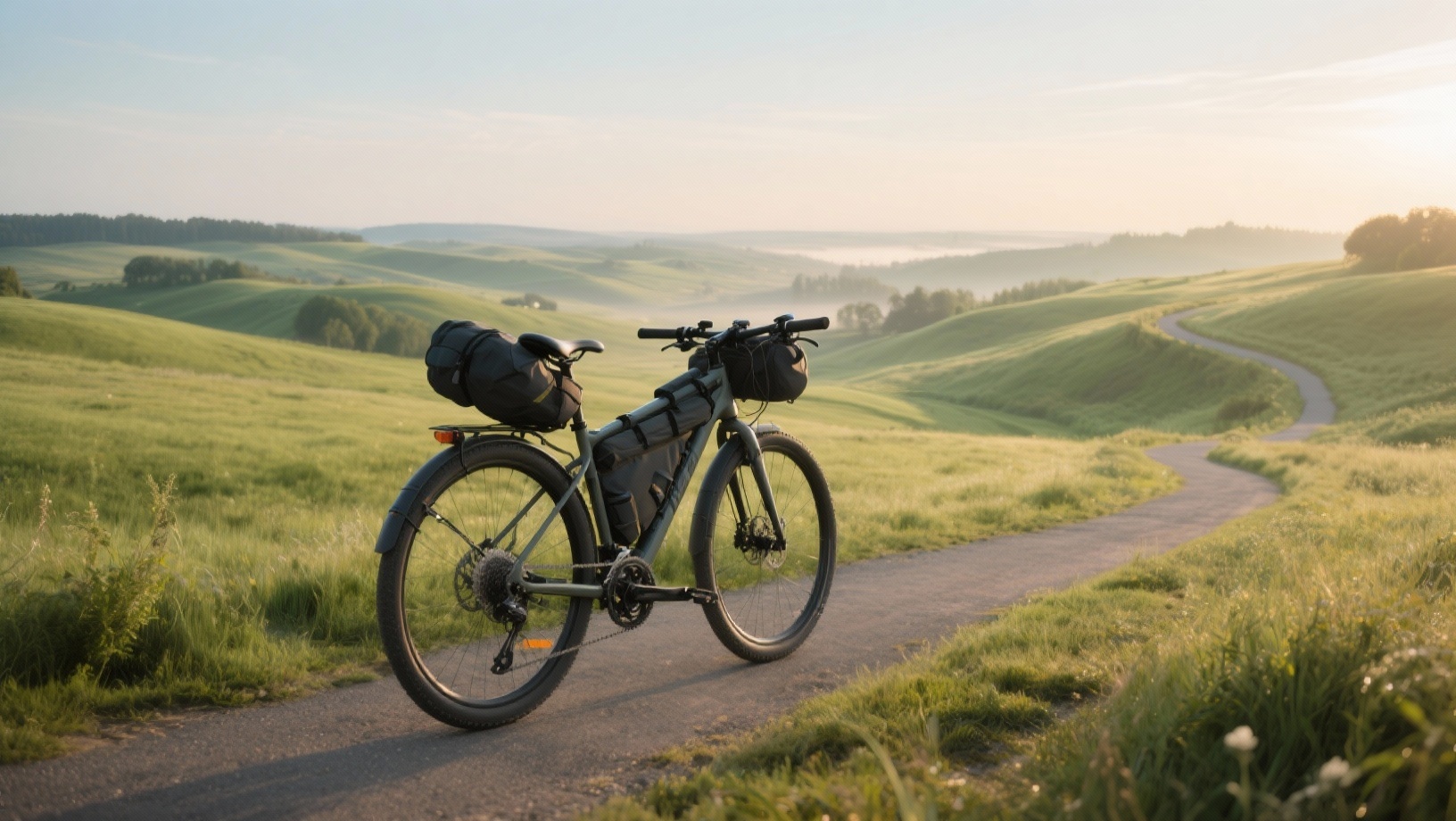
Your perfect cycling holiday: everything you need to know
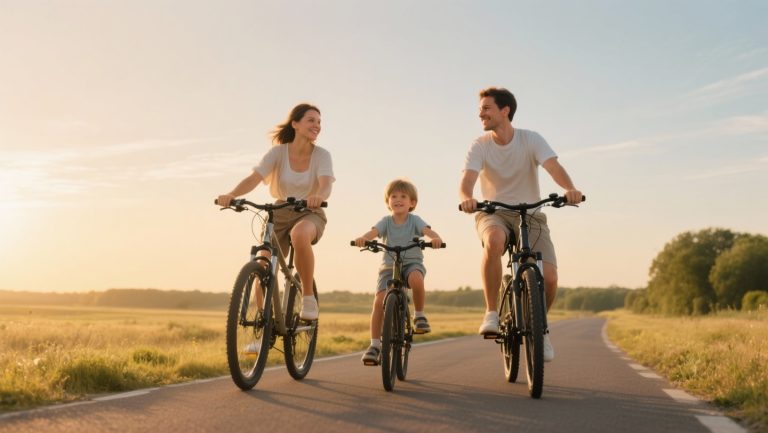
A carefully planned cycling holiday is the ideal way to combine freedom, adventure and nature, allowing you to experience a destination in a unique and in-depth way. The rhythm of your own pedals sets the pace, every bend reveals a new panorama and the sense of satisfaction after a day in the saddle is unmatched. Whether you dream of rolling hills, endless coastlines or peaceful river valleys, the bicycle takes you there in a way no other means of transport can equal. Discover here how to turn your next trip into an unforgettable cycling adventure.
The charm of a cycling holiday lies in its simplicity and the direct connection with your surroundings. You are not just a spectator rushing past behind glass; you feel the wind, smell freshly cut grass and hear the birds sing. This way of travelling invites you to slow down and opens the door to spontaneous encounters and unexpected discoveries. It is an active, sustainable and healthy way to explore the world. The direct connection with your surroundings makes it one of the purest forms of nature travel, allowing you to experience landscapes and cultures more intensely.
Choose your cycling adventure
No two cycling holidays are the same. The type of bike and terrain largely determine the nature of your trip. The choice depends on your fitness, comfort preferences and the kind of adventure you are looking for.
Trekking bike: the reliable all-rounder
The classic trekking bike is built for comfort and reliability over long distances. With a sturdy frame, multiple gears and the ability to carry lots of luggage, this bike is perfect for routes mainly on paved roads, such as the popular European river routes. Ideal for those who put comfort and stability first.
Gravel bike: beyond the beaten track
The gravel bike is a sporty combination of a road bike and a mountain bike. It is fast on tarmac, yet feels just as at home on unpaved country lanes, forest tracks and gravel paths. This type of bike opens up a world of new routes and is perfect for the adventurous traveller who wants to combine flexibility and speed.
Mountain bike (MTB): into the wild
If you dream of rugged mountain trails, technical descents and unspoilt nature, a mountain bike is your best friend. An MTB holiday requires good fitness and technical skills, but rewards you with spectacular views and a hefty dose of adrenaline.
E-bike: comfort and accessibility
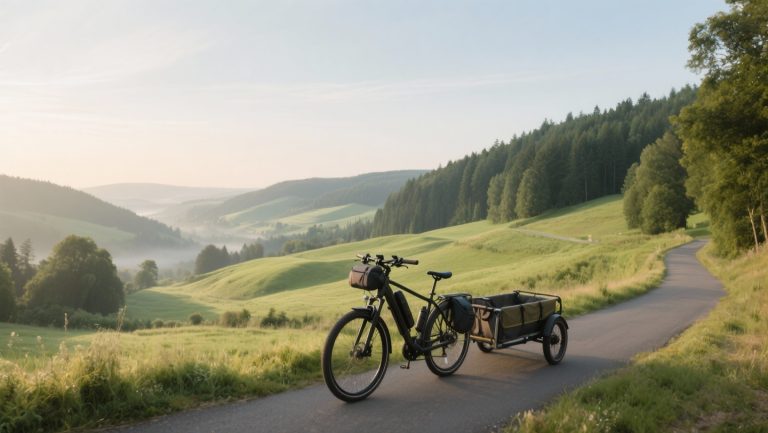
The e-bike has made cycling holidays accessible to a wide audience. Thanks to pedal assistance, hills become less daunting and longer distances are achievable for everyone, regardless of fitness level. It is the perfect choice for travelling together with a partner of a different level, or simply to enjoy more of the surroundings with less effort.
‘ Europe is a paradise for cyclists, with an extensive network of well-marked long-distance routes. ’
The best nature regions and routes
Europe is a paradise for cyclists, with an extensive network of well-marked long-distance routes. Let yourself be inspired by some classics.
In the Netherlands and Belgium
Closer to home you will find beautiful routes. The Dutch LF routes (national cycle routes) criss-cross the entire country, from the coast to the hills of Limburg. The Vennbahn, an old railway line converted into a cycle path, takes you from Aachen through the Ardennes to Luxembourg and, thanks to its gentle gradients, is a joy to ride.
Popular European routes
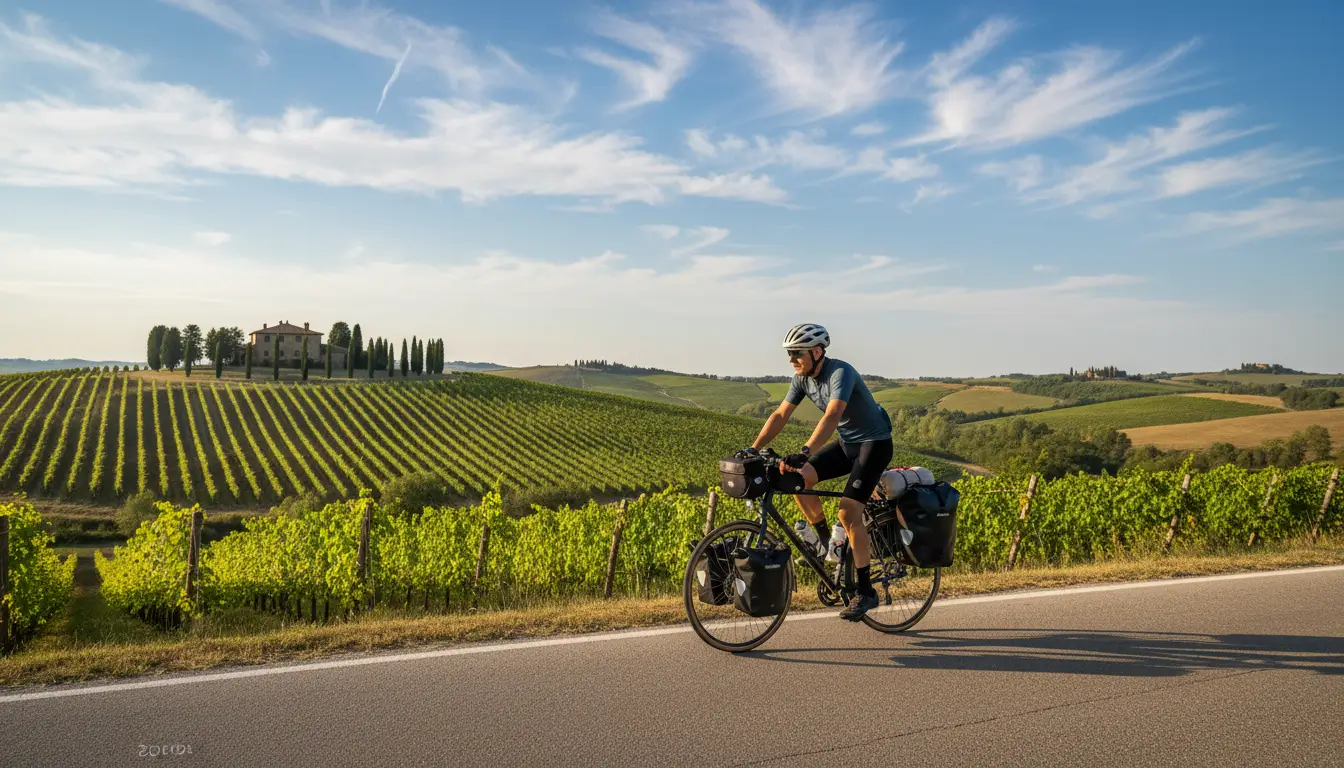
The Danube Cycle Path (Donauradweg) is perhaps the best-known cycle route in Europe. The flat and well-maintained path follows the Danube from Germany via Austria to Hungary and is ideal for beginners and families. In France, the ViaRhôna is highly recommended, taking you from Lake Geneva past the lavender fields of Provence to the Mediterranean. For sun lovers, the coast of Portugal or a ride through the Tuscan hills in Italy offers unforgettable experiences.
Practical logistics and luggage transport
Good logistical planning is important for a carefree trip. Think in advance about how you will get to your starting point and how you will organise your luggage.
Bike transport
If you travel by car, a good bike rack is the simplest solution. For more distant destinations, the train is an excellent and sustainable alternative. Make sure you check the rules for taking bikes on board; these differ per country and per train operator. Booking is often compulsory. Hiring a bike at your destination can also be a smart choice to avoid transport hassles.
Luggage
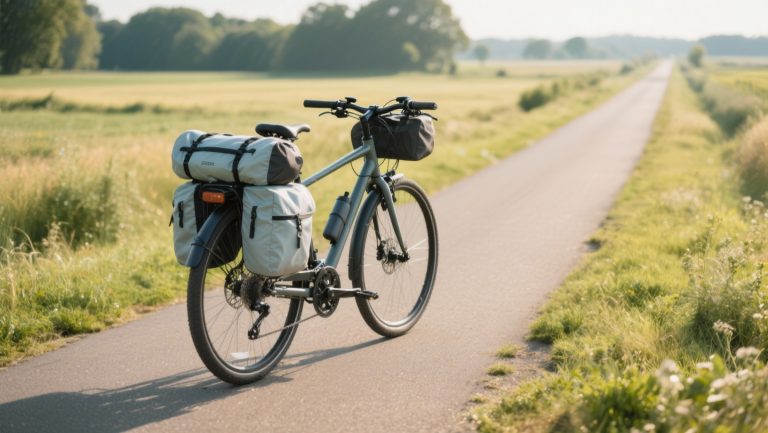
The purist carries everything themselves in waterproof panniers. This gives you maximum freedom. For more comfort, you can opt for an organised trip where your luggage is transported from hotel to hotel. Another option is to travel from a fixed base, making day trips without heavy bags.
Cyclist-friendly accommodation
After a long day in the saddle, a comfortable place to spend the night is worth its weight in gold. Fortunately, there are plenty of options specifically geared towards cyclists. In Germany and Austria there is the “Bett+Bike” quality label, which guarantees secure bike storage, a drying room for clothing and tools for small repairs. In the Netherlands, the “Vrienden op de Fiets” (Friends on Bikes) concept is popular, where you stay with private hosts. Campsites are a budget-friendly option that keeps you close to nature, while hotels and B&Bs offer more comfort.
‘ A helmet is essential. ’
Bike and kit: what do you need?
Good preparation prevents discomfort on the road. Make sure your bike is in top condition and pack smart.
The right bike
Make sure your bike is well maintained before you set off. Check the brakes, tyres and chain. A properly adjusted saddle and handlebar are essential to prevent saddle sores and other physical complaints. Do a long test ride with full luggage to get used to it.
What to take with you
- Clothing: Dress in layers. Take a breathable cycling jersey, comfortable padded cycling shorts, a windproof and waterproof jacket and, if needed, arm and leg warmers.
- Navigation: A bike computer with GPS or your smartphone in a sturdy mount. Take a power bank so you don’t run out of battery. Paper maps are a good back-up.
- Repair kit: A multitool, tyre levers, a spare inner tube, a puncture repair kit and a bike pump are indispensable.
- Safety: A helmet is essential. Also make sure you have good lights, a bell and a strong lock.
- Personal items: A compact first-aid kit, sun cream, sunglasses and water bottles.
Safety and maintenance on the road
With a bit of basic knowledge you can solve common problems yourself and continue your journey safely.
Advice for a safe ride
Always wear a helmet and make sure you are visible to other traffic, especially at dusk. Know the local traffic rules, which can differ from country to country. Plan your stages realistically and take enough breaks. Listen to your body and do not push yourself too hard.
Basic know-how for dealing with breakdowns
The most common problem is a puncture. Practise changing an inner tube at home so you can do this quickly and confidently on the road. Also learn how to clean and oil your chain, especially after riding in the rain. This significantly extends the life of your kit.
Budgeting for your cycling holiday
A cycling holiday can be as expensive or as cheap as you want it to be. The biggest expenses are accommodation and food. Camping and cooking for yourself is considerably cheaper than staying in hotels and eating out. Also factor in the cost of travelling to your starting point, any bike hire, maps or navigation apps and a buffer for unforeseen expenses. As a rule of thumb, you can work with a budget of between €40 (camping) and €100 (hotels) per person per day.
‘ The best experiences are often unplanned. ’
Extra tips for a richer experience
Get the most out of your trip with these final tips.
Useful apps
Apps such as Komoot and Strava are ideal for planning and navigating routes. Through Warmshowers you can get in touch with other cycle travellers who offer a free place to stay. Local tourism apps often provide tips for sights along the way.
Local discoveries
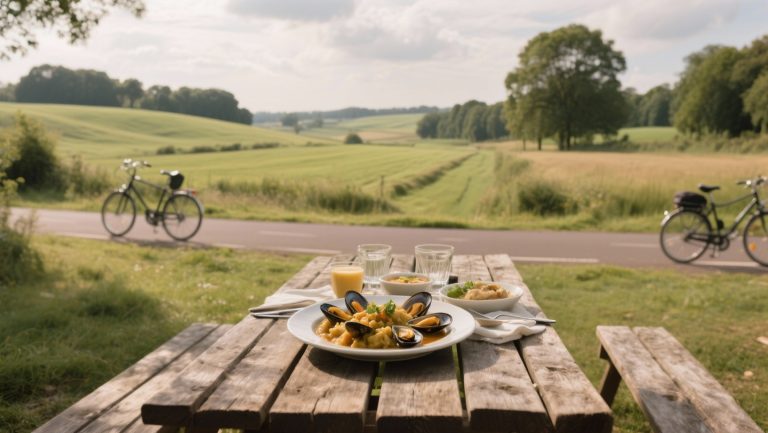
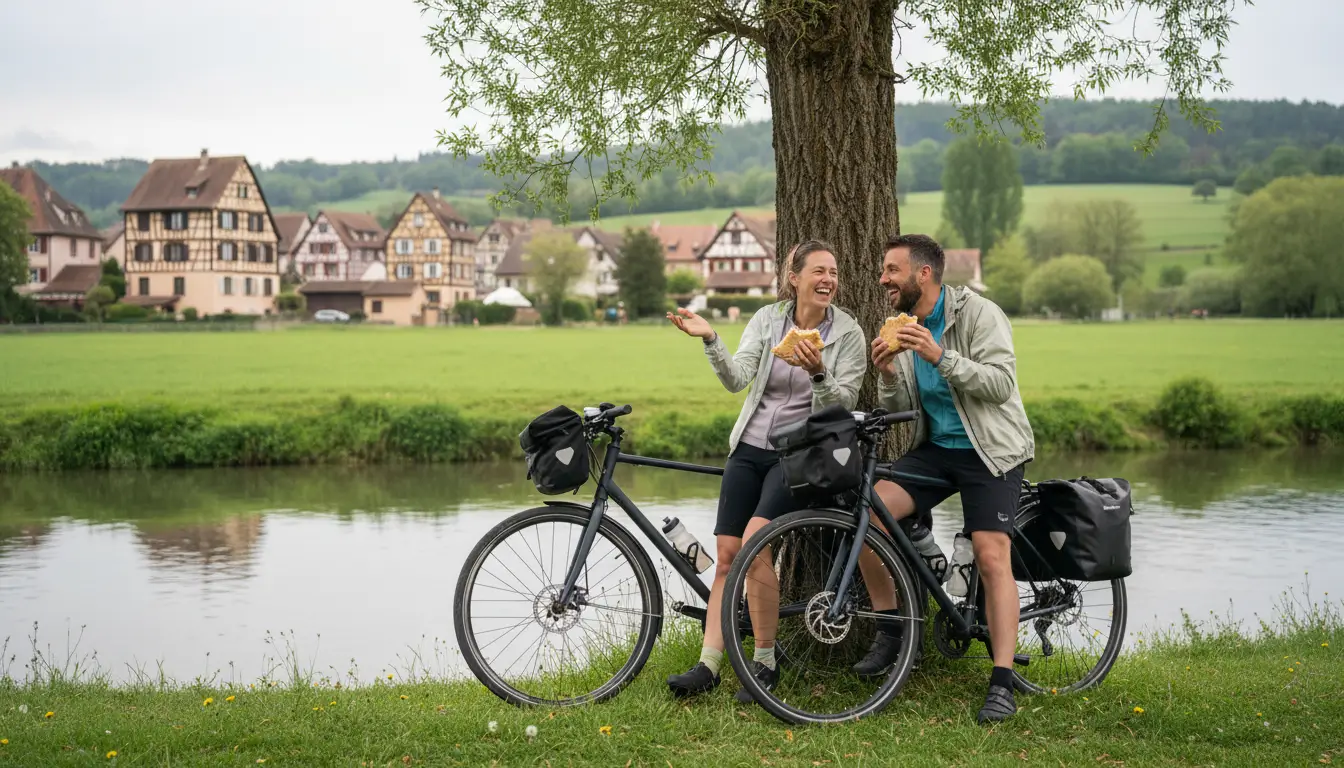
Be flexible. The best experiences are often unplanned. Stop at that small café, take a dip in a secluded lake or follow a road that looks interesting. It is precisely those spontaneous moments that make a cycling holiday unforgettable.
Solo or in a group
Travelling alone gives you complete freedom to follow your own plans. Travelling with a partner or in a group can be more sociable and motivating. Whatever you choose, the bike is your faithful companion on the way to an adventure you will remember for a long time.