 NL
NL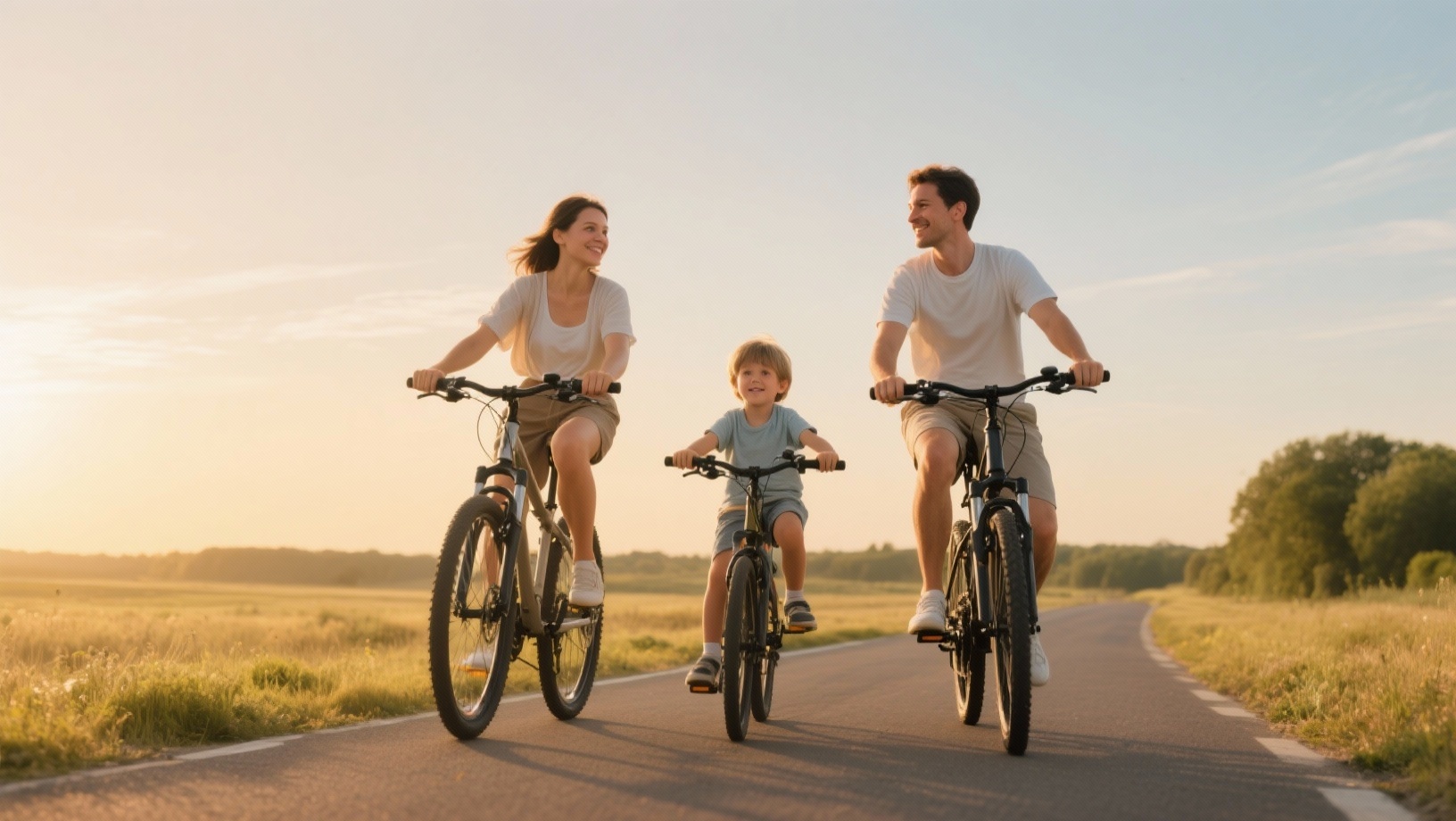
A cycling holiday with children is perfectly achievable if you choose short stages, safe areas and sufficient breaks. With the right preparation and realistic planning, it will be a trip full of memories. Discover how to go about it smartly.
Start Small and Build Up
Don’t jump straight into the deep end. Start with short test rides from home before embarking on a proper cycling holiday. Aim for a maximum of 20 kilometres per day through quiet nature and car-free cycle paths. This helps children get used to cycling for longer periods, without immediately investing in expensive holiday or touring bikes.
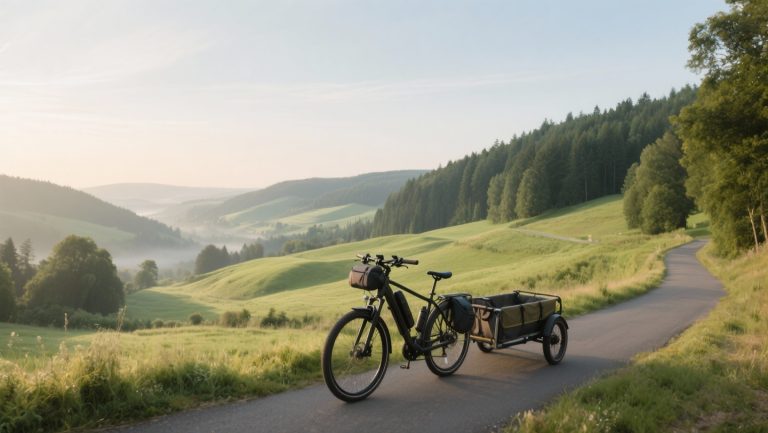
Gradually increase the distances. For older children between 6 and 10 years, increase the distance to a maximum of 60 kilometres on a tandem bike. However, do plan rest days for swimming, museums or other activities. Avoid hills if you are riding with trailers or bike carts.
‘ Flexibility is the keyword here. ’
Keep Daily Distances Realistic
Plan between 25 and 50 kilometres per day, adjusted to age. Count on long breaks for playing, eating and drinking. Pace is less important than enjoyment. The goal is for everyone to still have energy left at the end of the day.
Flexibility is the keyword here. Have you planned a 40-kilometre day? The children might get tired. Then hop on the train without guilt. Book your accommodations in advance, but be prepared for the possibility of adjusting your plans.
Choose Child-Friendly Routes
The Netherlands offers plenty of flat, safe cycling routes with paved paths and a convenient junction system. Use the cycle junctions as a treasure hunt for your children. Stick the numbers on the handlebars and let them find their way. It turns navigating into a game.
Some popular family routes:
- Family Cycle and Food route in the Boterhuispolder: 25 kilometres through meadows and past windmills with organic breakfast at Brasserie Meelfabriek. Start from an NS station and rent public transport bikes.
- Noorderpark Ruigenhoek near Utrecht: 16 kilometres along forts of the New Dutch Waterline with play areas en route. Rent a bike at Vierfiets from Amersfoort station.
- Traptrip Zeeland: variable routes along beaches, defensive works and playgrounds. Download free guides for a carefree mini-holiday.
- Drenthe: maximum 60 kilometres per day past dolmens and through tranquil nature. Start from Emmen by train and combine cycling with a visit to the zoo.
Outside the Netherlands, Flanders and Northern France are excellent options. There too you will find flat, safe routes suitable for families. The Bruges Woodland, for example, offers a 6-day tour through picturesque villages with playgrounds. The Via Rhona along the Rhône River in France has car-free paths and runs through orchards and villages.
Ensure You Have the Right Equipment
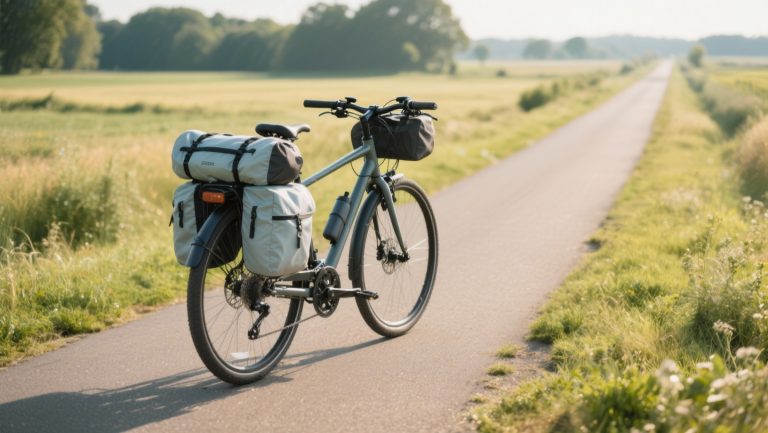
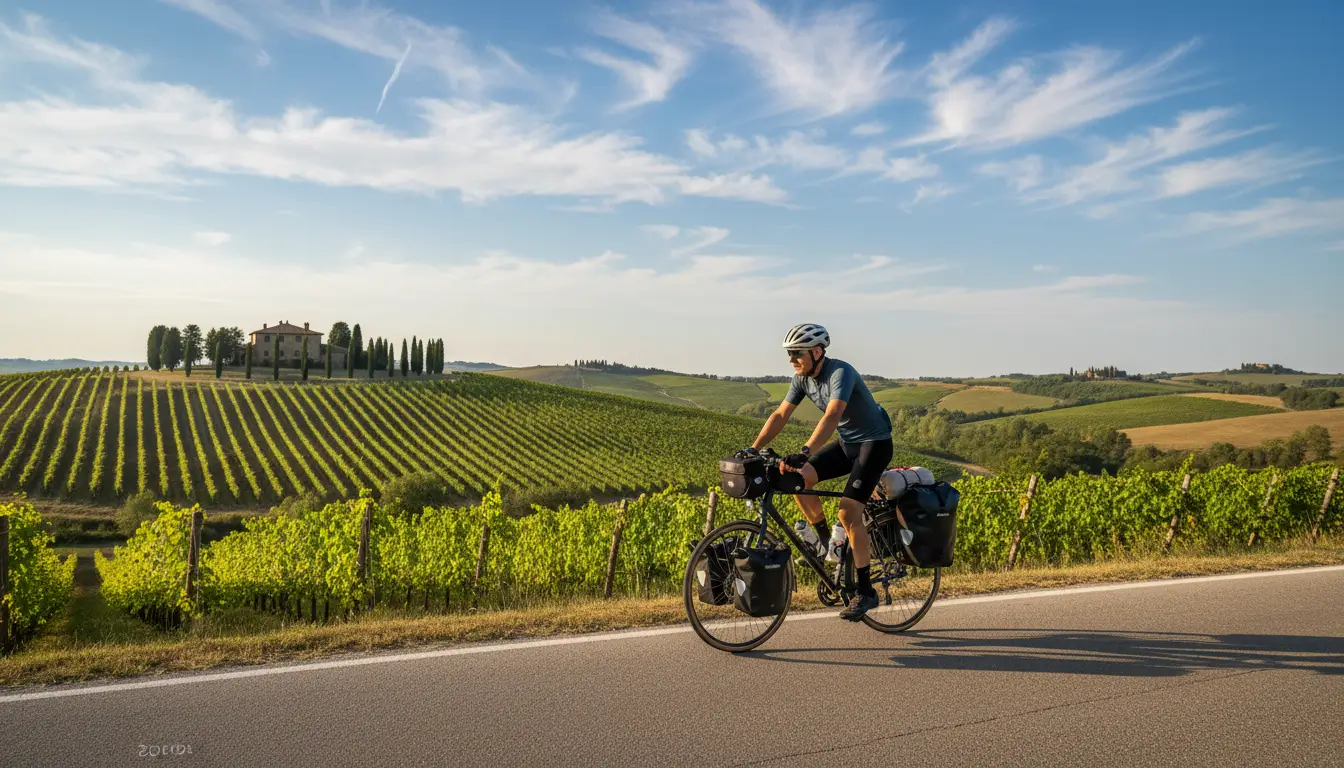
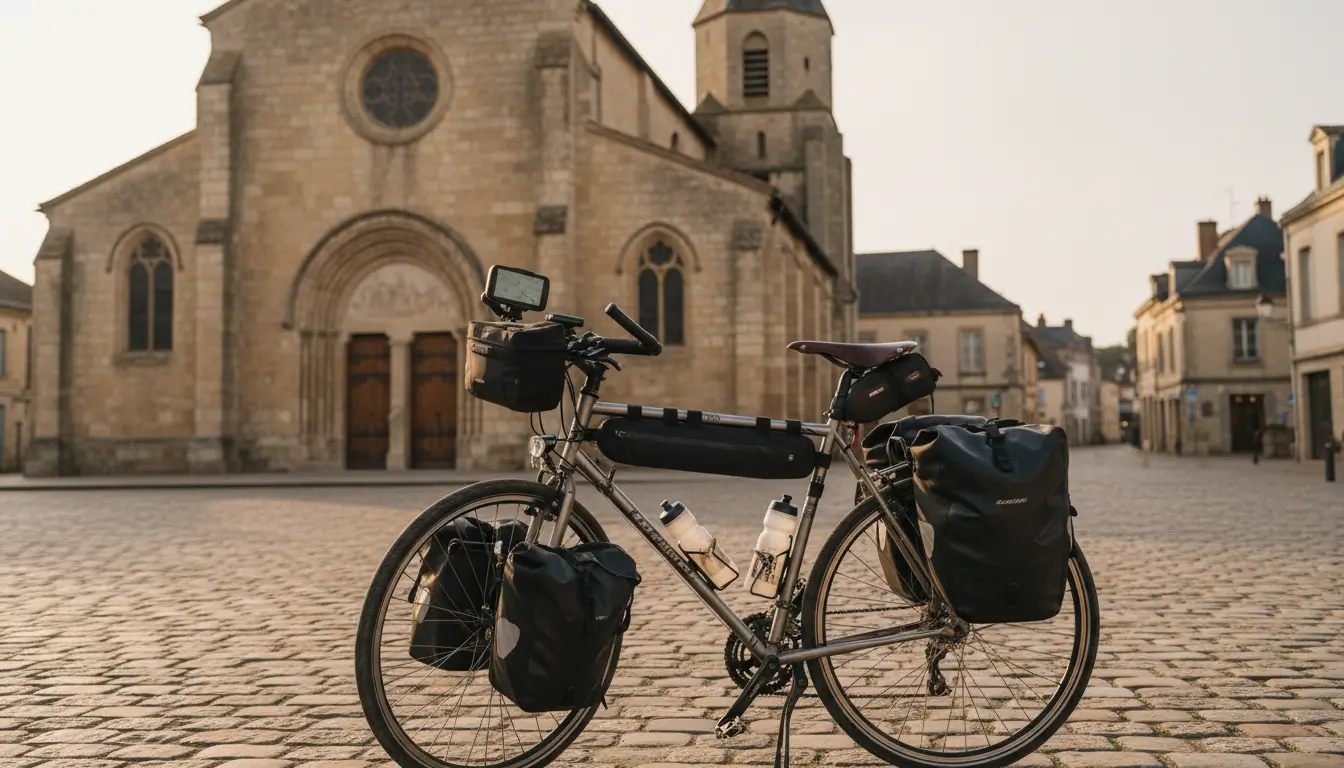
You don’t need expensive sports bikes. Choose a lightweight touring bike with a bike trailer or cargo trailer for luggage. Tents are often unnecessary if you book organised trips with pre-reserved accommodations.
Thoroughly check the equipment before you leave: tyre pressure, brake function and the child seat’s attachment. A technical breakdown en route is something you can definitely do without.
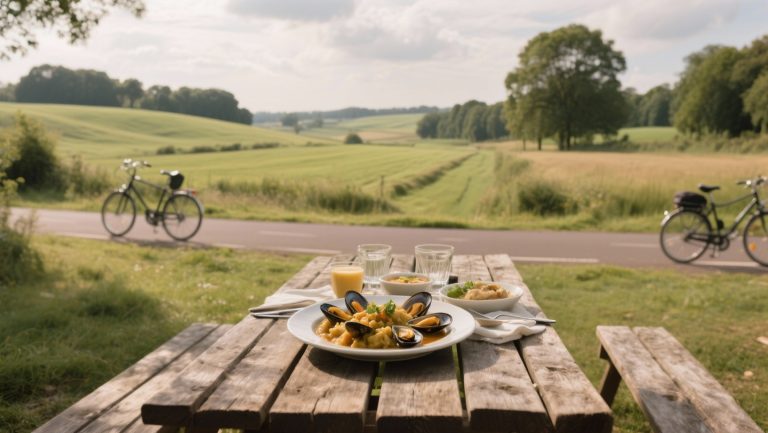
Don’t forget the small details. Take plenty of drinks and plan stops at farms or brasseries for food. Children’s bikes can be rented from €2.50 per day via NS Railrunner for children aged 4 to 11.
‘ It’s not about covering distances, but about enjoying time together. ’
Plan Variety and Playtime
Cycling is fun, but children need variety. Look for routes with forests, lakes and villages where they can eat an ice cream. Deliberately plan stops where children can climb, run or play football.
Take rest days between cycling. A day at the zoo or a swimming pool prevents boredom and keeps the holiday fun. It’s not about covering distances, but about enjoying time together.
Choose Family-Friendly Accommodations
Book campsites or hotels with family-friendly facilities such as family rooms and luggage transport. This way, you don’t have to carry everything yourself. Some providers offer complete packages with pre-planned routes and booked overnight stays.
Look for accommodations with play areas or nearby attractions. After a day of cycling, children will want to let off some steam.
Navigate Smartly with Children
Use an app or the Cyclists’ Union’s junction system for easy planning. Let older children cycle at the front; this gives them responsibility and makes them part of the navigation process.
Download routes in advance so you’re not dependent on mobile data en route. Websites like Traptrip Zeeland offer free downloadable guides.
‘ Don’t forget that children get tired faster than adults. ’
Avoid Common Mistakes
Overly ambitious planning is the most common mistake. Don’t count on 70 kilometres with young children. Keep it short, simple and fun. Also avoid crowds by travelling or booking outside peak hours.
Don’t take too much luggage. Pack light and functionally. Don’t forget that children get tired faster than adults. Listen to their signals and adjust your pace.
On Traveler Tips, you’ll find much more information about travelling with children, suitable routes, packing lists and child-friendly destinations. Use the route planner to prepare your route step by step and depart well-prepared.
Frequently Asked Questions
Choose a route primarily featuring car-free cycle paths and utilise the junction system, allowing you to easily adjust the distance for different ages. Plan relatively short daily distances (approx. 25–50 km) with plenty of breaks at playgrounds, in nature, or in villages with ice cream, ensuring it remains challenging but not exhausting. Provide well-maintained, appropriate bikes (possibly tandem or bike trailer) and check the route beforehand for busy intersections and difficult inclines. Build in flexibility by allowing alternative sections by train or bus for comfort and safety.
Use a bike trailer, cargo trailer, or tag-along behind the bike to comfortably transport children and luggage, especially on longer stretches. Combine this with a lightweight touring bike or tandem, so an adult does most of the work and children can pedal along when they want. Utilise train + bike (for example, with Railrunner) to facilitate the starting point or return journey and skip difficult, boring sections. Consider organised routes or accommodations with luggage transport, so you only have day luggage on your bike during the day.
Plan short stages (25–40 km) with lots of variety in surroundings, such as alternating forest, village, water, and farm, so children constantly discover something new. Incorporate a longer break every 45–60 minutes with space to play, eat an ice cream, or swim, and schedule a proper rest day every few days. Use the junction system as a treasure hunt: let children find the next numbers themselves and do a stamp or photo game at each stop. Choose your route past playgrounds, petting zoos, forts, or swimming lakes and plan these child-friendly activities on the map in advance.
Essential equipment includes well-fitting children’s bikes or a tandem/bike trailer, sturdy child helmets, panniers or a cargo trailer for luggage, and basic repair tools (spare inner tube, pump, multi-tool). Useful gadgets are a reliable navigation app or junction map on the handlebars, bike lights and reflective material, child seats or cushions for extra comfort, and possibly a phone holder. Take plenty of water bottles, snacks, and weather protection (rain jackets, sunscreen, caps) to ensure breaks remain pleasant. A scavenger hunt with junctions, reward stickers, or a simple odometer makes cycling more fun and motivates children to keep going.
First, choose a child-friendly route per region with daily distances of approximately 25–50 km (shorter with many hills) and then plan the overnight stays around it, not the other way around. Look for family-friendly campsites or hotels with family rooms and preferably play areas, so children can unwind after cycling. Incorporate a (near) rest day every 2–3 days at a location with a swimming pool, zoo, or beach, and keep room in the schedule to cover a section by train if fatigue sets in. Reserve accommodations in advance, but have a Plan B route with shorter stages so you can adjust on the spot.