 NL
NL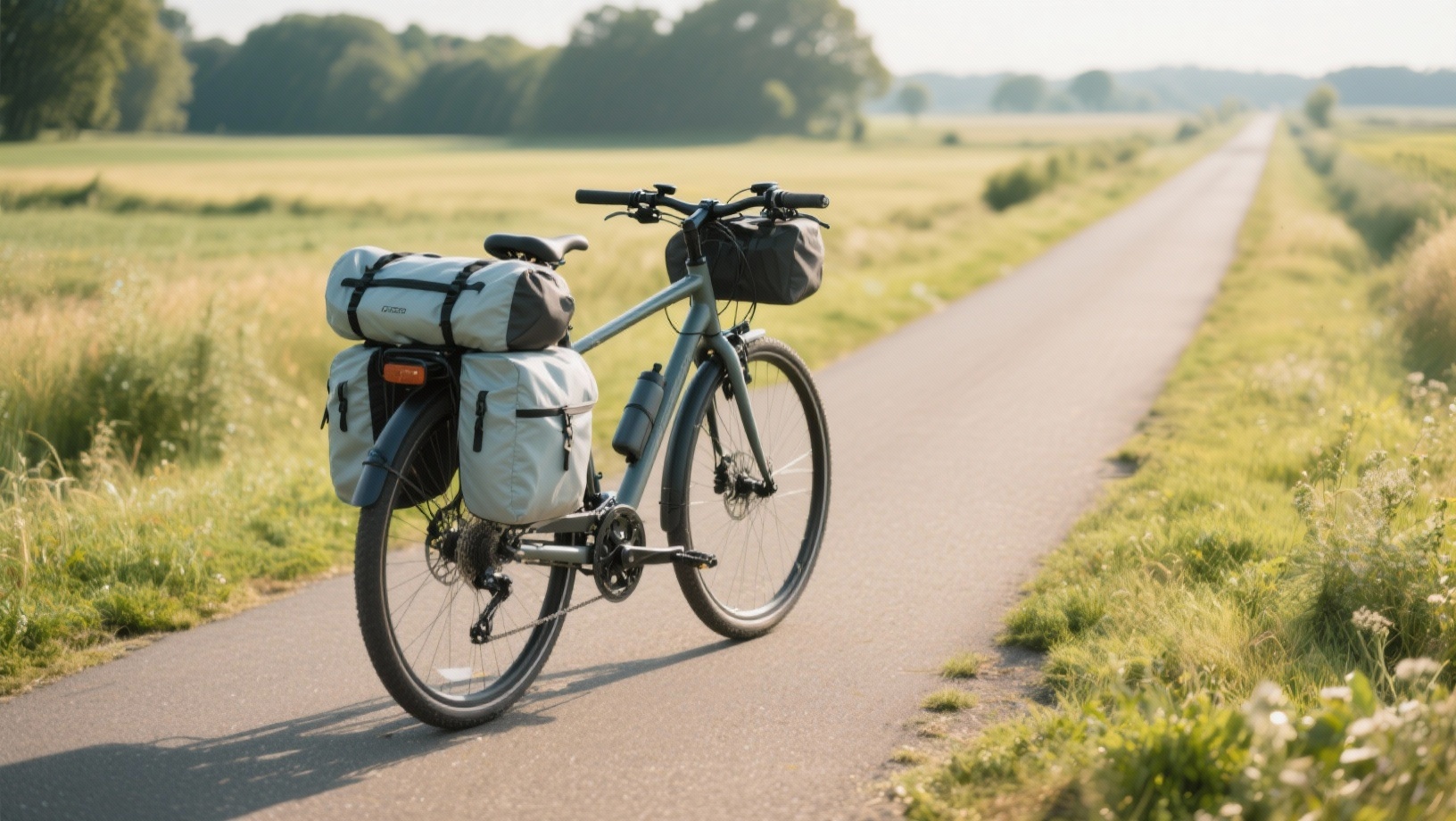
Arranging luggage transport during cycling holidays is the key to a comfortable and carefree trip, allowing you to fully enjoy your surroundings without the burden of heavy panniers. This service makes multi-day rides accessible and enjoyable, whether you are a recreational cyclist or an experienced rider. Discover how to make the most of this service and what the best approach is for your next cycling trip.
How does luggage transport from hotel to hotel work?
Luggage transport on a cycling holiday is a logistical service that gives you the freedom to ride during the day without heavy baggage. The process is simple and efficient. In the morning, usually after breakfast, you hand in your suitcase or travel bag at the reception of your accommodation. A specialised courier service collects the luggage and transports it safely to your next overnight stop. By the time you arrive after a day of cycling, your luggage is already waiting for you. Often you will find it in your room, or you can pick it up at reception.
This service is a standard part of most organised cycling packages, both for individual travellers and for groups. Participants receive luggage tags from the tour operator which must be attached to the bags. These show your name and route information, so the carrier knows exactly which piece of luggage has to go to which hotel. This system ensures a smooth flow and minimises the chance of mistakes, allowing you to fully focus on the route and the scenery.
‘ Packing requires a minimalist approach; every item counts towards the total weight. ’
Carry your own luggage or have it transported?
One of the first decisions when planning a multi-day cycling tour is how you will transport your belongings. Both options, carrying everything yourself or using a transport service, have their pros and cons. The best choice depends on the type of trip, your physical condition and your personal preference for comfort and flexibility.
Taking everything with you
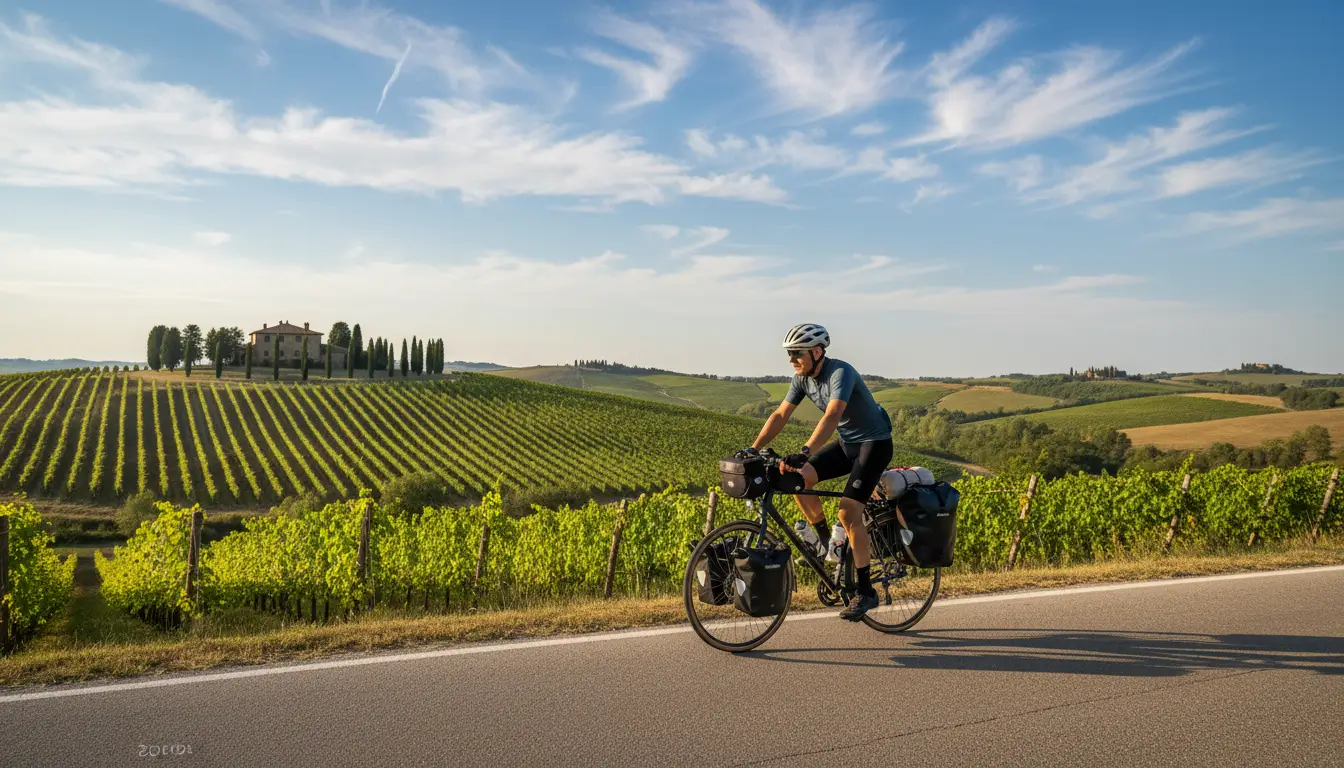
If you choose to carry your own luggage, also known as bikepacking, you have complete freedom. You are not dependent on the schedule of a carrier and can adjust your route at any time. This does, however, require good preparation and the right equipment. Your bike must be suitable for carrying extra weight and you will need a set of waterproof panniers to keep your belongings dry. Packing requires a minimalist approach; every item counts towards the total weight. Good weight distribution is important for the stability and safety of the bike.
- Waterproof panniers: Invest in high-quality bags for both the front and rear racks to protect your clothing and equipment from rain.
- Weight distribution: For stable road handling, place about 60% of the weight on the rear and 40% on the front. Heavy items belong at the bottom of the bags.
- Handlebar bag: Use a handlebar bag for valuables such as your phone, wallet and passport, so you always have them within easy reach.
- Smart packing: Limit yourself to the essentials. Roll clothes to save space and use multifunctional items.
Opting for a luggage transport service
Having your luggage transported offers a significant degree of comfort. You ride a light bike, which makes climbing and covering long distances considerably easier. This means you do not need a heavy touring bike; a lighter road bike, gravel bike or even a standard city bike may be sufficient. It allows you to enjoy the ride itself more and still have energy left at the end of the day. This option is very suitable for travellers who value comfort and convenience and want to focus on the experience of the journey, without the physical strain of heavy baggage.
Planning your cycling holiday with a luggage service
Arranging luggage transport can be done in two ways. The most common method is via an organised cycling package, but in some regions it is also possible to hire an independent carrier.
Organised cycling packages
The easiest way to use luggage transport is to book a complete cycling package with a specialised tour operator. In the Netherlands and Belgium, organisations such as ANWB Reizen, Eigenwijze Reizen and Aktiva Tours offer packages that include accommodation, routes and luggage transport. You choose a route and the organisation takes care of the rest. This saves you a lot of planning time and you are assured of reliable partners. On such trips, the transport is seamlessly integrated into the programme, guaranteeing a relaxed travel experience.
Independent luggage carriers
If you prefer to book your own accommodation, you can look for an independent luggage carrier. These services are mainly found in popular cycling regions abroad. You agree on a route section and the carrier takes care of the transport between the locations you have chosen. This gives you more flexibility in your choice of hotels, but does require more organisation on your part. It is important to carefully check the reliability and conditions of the carrier before you book.
Practical tips for a smooth experience
To get the most out of a luggage service and avoid surprises, good preparation is important. With the following points in mind, everything will run smoothly.
- Check the conditions: When booking, always ask about the specific baggage rules. There is usually a weight limit (often around 20 kilograms) and a limit on the number of items (usually one bag per person).
- Label your luggage clearly: Make sure the luggage labels from the organisation are correctly and securely attached to your bag. For extra security, add an additional label with your own contact details.
- Pack a compact day bag: Everything you need during the day you carry yourself. Think of a rain jacket, sunscreen, water, snacks, a repair kit and your navigation system or map. A small, lightweight rucksack or handlebar bag is ideal for this.
- Ask about insurance: Check how your luggage is insured during transport. Usually this falls under the responsibility of the tour operator, but it is wise to know the cover and conditions in the event of damage or loss.
A well-planned cycling holiday starts with smart choices about comfort and logistics. On the Traveler Tips website you will find many more practical guides on planning cycling routes, choosing the right equipment and discovering the most beautiful destinations in the Netherlands and beyond. Find out more and turn your next trip into a well-prepared experience.
Frequently asked questions
For long-distance cycling holidays, luggage transport services offer the greatest comfort, as an organisation transports your luggage from hotel to hotel and you ride with a light bike yourself. If you take your luggage with you, the best weight distribution is 40% at the front and 60% at the rear for optimum stability. For daily essentials such as food and rainwear, a handlebar bag, daypack or hip bag offers practical solutions. Minimise the weight by taking only essential items, ideally keeping the total under 20 kg.
To pack minimally and efficiently, focus on essential items and versatile clothing that you can wear for different occasions. Try to keep the total weight under 20 kg for optimum comfort. Make a list of what you really need to avoid overpacking.
External luggage transport on cycling holidays means that an organisation transports your luggage from hotel to hotel, so you can ride light with only a daypack. This is ideal for individual point-to-point tours and is offered by organisations such as ANWB, Eigenwijze Reizen and Aktiva Tours. You hand in your luggage at reception in the morning, after which it often arrives at your next accommodation before 5 p.m. Pay attention to maximum weights (usually 20–25 kg per bag) and check whether transport and insurance are included.
To adapt your luggage to changeable weather conditions and unexpected situations during a cycling holiday, it is essential to pack versatile clothing and use a waterproof handlebar bag for essentials such as rainwear. Minimise the total weight by taking only essential items, ideally under 20–25 kg, and always check the weight and packing limits of the luggage carrier. En route, a daypack or hip bag is useful for food, maps and other small items. Check with the tour operator for the specific conditions and insurance for luggage transport.
Recommended are fully waterproof welded materials such as coated polyester or nylon (for example with PVC, TPU or PU coating), drybag-style panniers and sturdy canvas with a water-repellent treatment. When buying, look for fully waterproof seams (welded rather than stitched), a roll-top or effective flap closure, strong hooks/fixings and a reinforced base. Also check that the bag is compatible with your rack (tube diameter, hook position) and that it is comfortable to carry if you will use it off the bike. Finally, pay attention to volume, visibility (reflective details) and the durability of zips and buckles.