NL
NL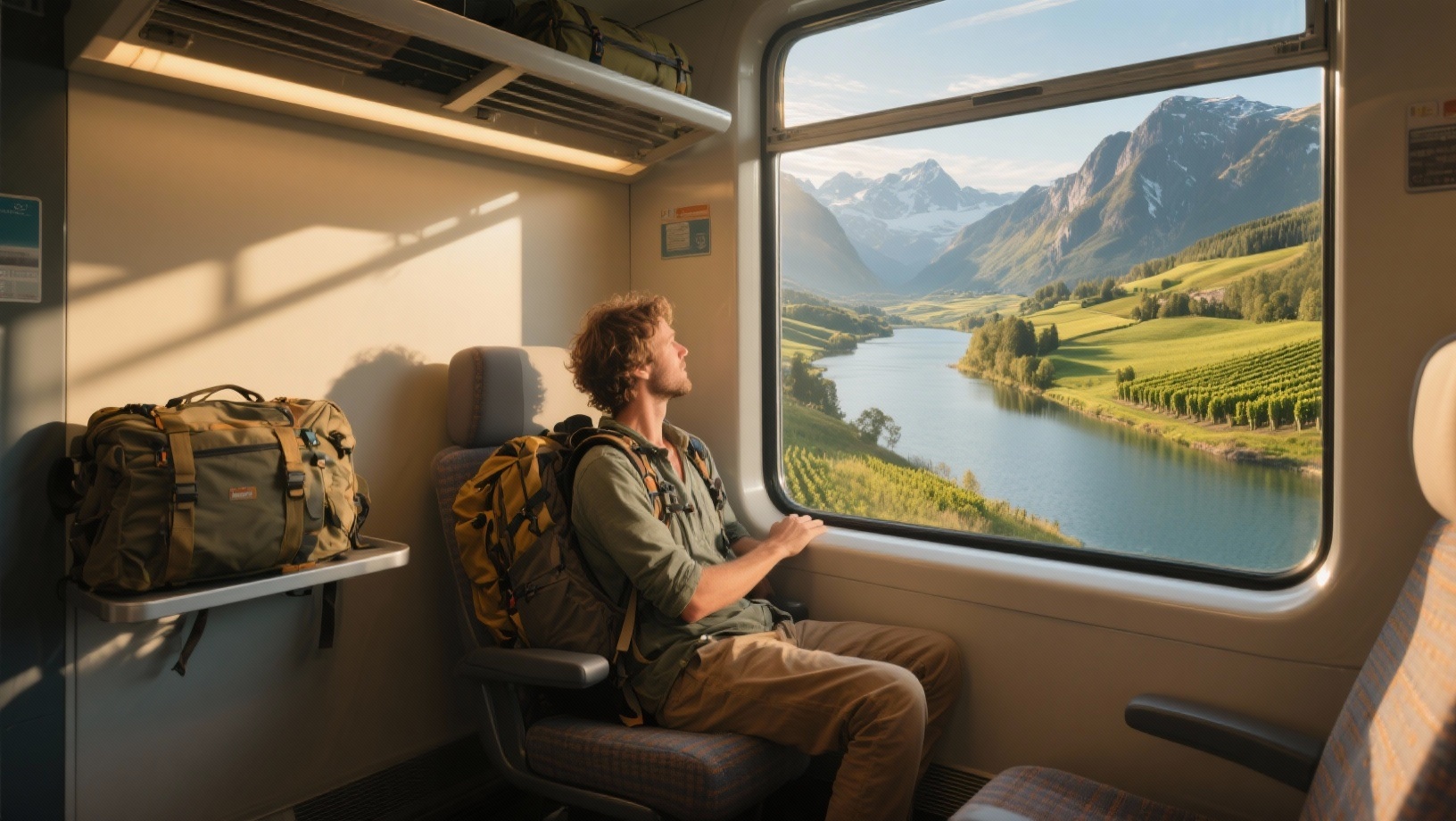
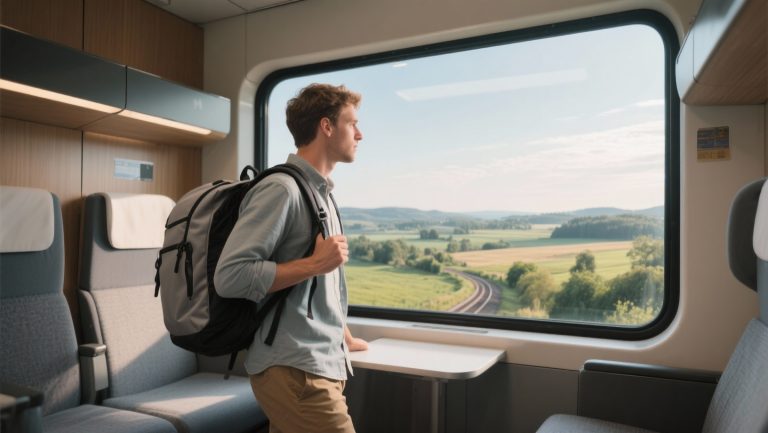
Scenic and budget-friendly train routes for a backpacking holiday in Europe combine affordable regional connections with spectacular landscapes, turning the journey itself into an experience. By train you travel comfortably from city centre to city centre, while enjoying views along the way that you would never see from a plane. Discover how choosing the right tickets and combining regional with international connections helps you get more out of your trip, and which routes offer a truly special experience.
Popular and scenic train journeys
Europe’s rail network offers routes that range from high mountain passes to sun-drenched coastlines, each with its own character and scenery. For a backpacker, travelling by train is a practical and sustainable way to stay flexible. Below you’ll find a selection of routes known for their views and accessibility.
Through the Rhine Valley in Germany
The route through the Rhine Valley, between Koblenz and Mainz, has been popular with travellers for decades because of the dense succession of castles and vineyards. This railway line follows the River Rhine and winds past dozens of castles, ruins and vineyards that are on the UNESCO World Heritage List. The journey only takes a few hours, but it’s worth setting aside a full day so you can get off in one of the picturesque villages for a walk. It’s an accessible route that is easy to reach from the Netherlands and is a logical starting point for a longer trip through Germany because of the short travel distance.
Crossing the Alps in Switzerland
For those looking for rugged mountain landscapes with peaks above 3,000 metres, Swiss train routes offer a combination of technical feats of engineering and alpine panoramas. The Bernina Express, from Chur to Tirano in Italy, is known for its visually impressive route with steep gradients and spectacular viewpoints. The train climbs over high viaducts, such as the iconic Landwasser Viaduct, and passes glaciers and mountain lakes. Another popular route is the Glacier Express, which links Zermatt with St. Moritz. This “slowest express train in the world” gives you eight hours to enjoy the Swiss Alpine panorama. For backpackers, a Swiss Travel Pass is often a cost-effective option because a single pass gives you access to several routes and you don’t need to buy individual tickets.
Along the Italian coast on the Cinque Terre Express
Between Levanto and La Spezia runs the Cinque Terre Express, which connects the five famous coastal villages. The ride itself is short, but the views of the azure Ligurian Sea and colourful houses clinging to steep cliffs make the route worthwhile. The route suits backpackers well because with a day ticket you can get on and off as often as you like, giving you the flexibility to explore the villages. This way you can visit the villages, walk a section of the coastal path and take the train on to your next destination at the end of the day.
From mountains to sea: Belgrade to Bar
A lesser-known but technically challenging route with varied natural landscapes is the train journey from Belgrade in Serbia to Bar in Montenegro. In around twelve hours you cross the Balkans and travel through more than 250 tunnels and over 400 bridges, including the highest railway viaduct in Europe. The landscapes shift from green hills to rugged, unspoilt mountains. A one-way ticket costs around €20 to €30, significantly less than comparable routes in Western Europe, making it attractive for budget-conscious travellers who want to get off the beaten track.
‘ The advantage of a rail pass is the freedom to change your plans. ’
How to travel Europe by train on a budget
A train journey through Europe doesn’t have to be expensive. By planning ahead, using rail passes and choosing night trains, you save money that you can then spend on local food, museum visits or activities at your destination. By choosing the right tickets and making the most of the options offered by the rail network, you keep your travel costs under control.
Make use of rail passes
For a longer backpacking trip through several countries, an Interrail Pass is often a cost-effective option because, for a fixed price, you can travel without limit for a certain number of days in 33 countries, without having to buy separate tickets each time. If you are under 28, reduced fares apply. Prefer to travel within a single country? There are often country-specific passes, such as the German Rail Pass, which offer more flexibility than individual tickets.
The benefits of night trains
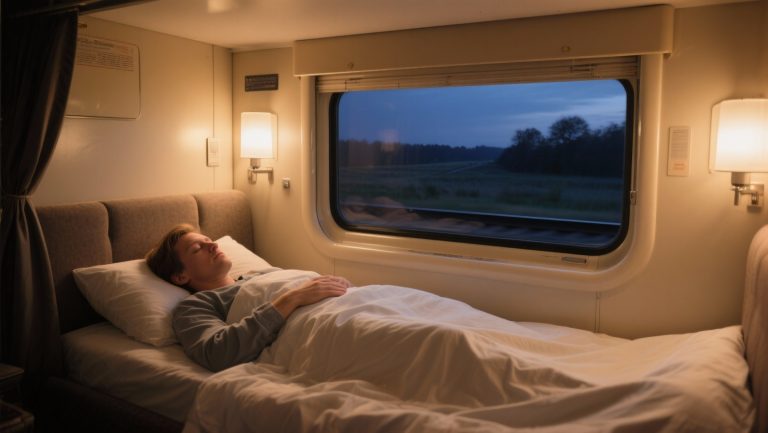
Night trains are an efficient way to save money, because you cover a large distance while you sleep and therefore save on a night in a hostel or hotel. You arrive in the centre of a new city in the morning, rested and ready to explore. The European night train network is growing, with new connections linking cities such as Amsterdam, Berlin, Vienna and Barcelona.
Tips for your first Interrail trip
A first backpacking holiday by train can feel challenging because of the many choices in routes, connections and logistics. With these practical tips you can make sure you start well prepared:
- Plan broadly, travel flexibly: Map out a general route, but leave room for spontaneous ideas. The advantage of a rail pass is the freedom to change your plans.
- Travel light: You will often have to carry your backpack at stations and on trains. A light, compact backpack makes your trip more comfortable and reduces physical strain.
- Reserve in good time: For most high-speed trains and night trains, a seat reservation is compulsory. Book these well in advance, especially in high season, to avoid disappointment.
- Use handy apps: Apps such as the Rail Planner App help you look up connections and manage your Interrail Pass.
- Combine train types: Alternate fast international trains with slower regional lines. Regional trains often stop in smaller towns and run through varied landscapes with nature reserves and countryside.
Start your train journey straight from the Netherlands
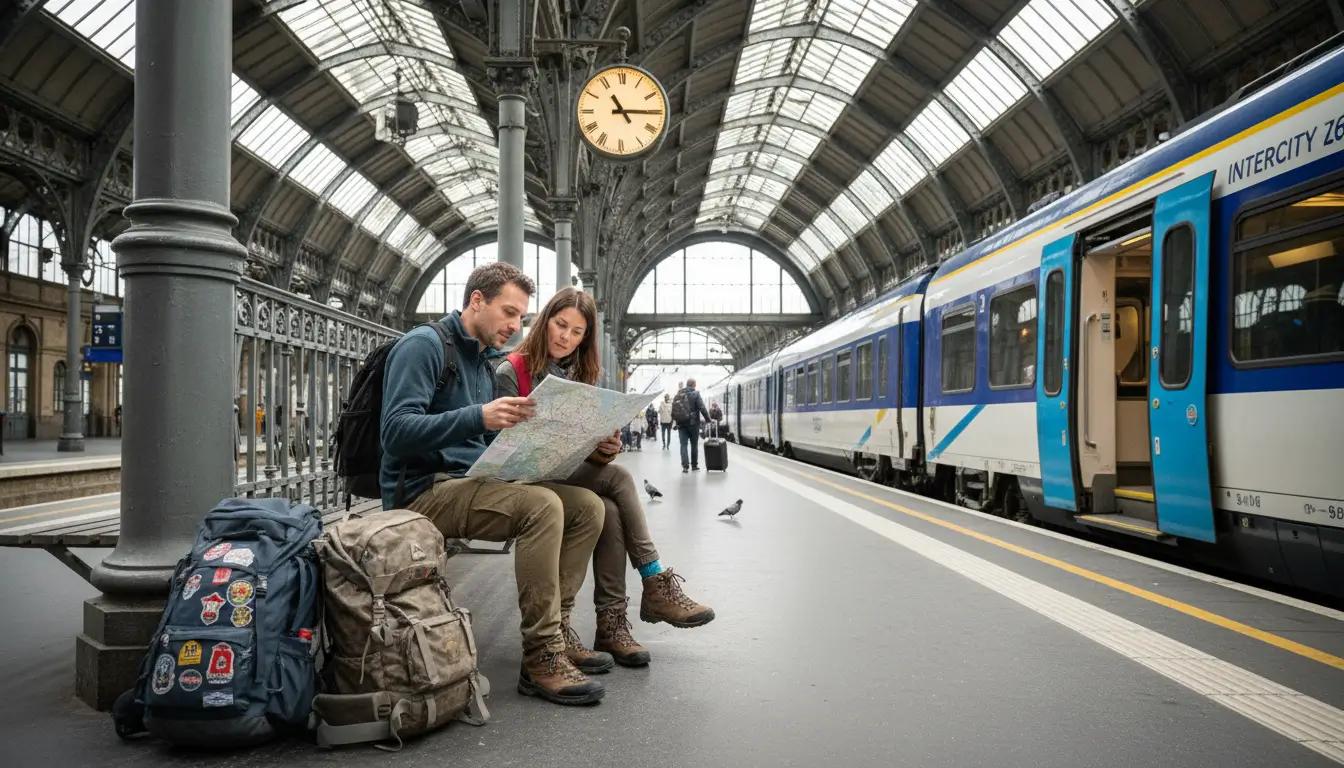
Begin your European backpacking trip straight from the Netherlands by train. From cities such as Utrecht, Rotterdam and Amsterdam you can board trains directly to many European destinations. With just one change you can reach the Alps, Southern Europe or the Balkans.
Take, for example, the journey from Utrecht to Sonthofen in the German Alps. You take an international train to Germany and then change to a regional train that takes you deep into the mountains. Another option is the train from Rotterdam to Marseille, which takes you directly to the south coast of France. The network is expanding with new direct night trains from Amsterdam to cities such as Barcelona and Milan, making it easier to travel to Southern Europe by allowing longer journeys in one go without extra changes.
Thorough preparation helps you to estimate travel time and budgets more accurately. On the Traveler Tips website you’ll find detailed route descriptions, comparisons between rail passes and practical guides for destinations across Europe. Discover more on our website and turn your next holiday into a trip where you can draw up your travel plans with confidence and a clear overview.
Frequently asked questions
Europe offers various scenic train routes that are ideal for backpackers and provide stunning views. The Rhine Valley in Germany is known for its castles and vineyards, while the Bernina Express and Glacier Express in Switzerland cross spectacular Alpine landscapes. For an adventure through the Balkans, the Belgrade–Bar route is an affordable option with unspoilt mountain views. In addition, routes such as the Cinque Terre Express in Italy and the Schwarzwaldbahn in Germany are perfect for day trips.
To save money on train tickets and passes for a longer backpacking trip through Europe, you could consider buying an Interrail Pass, especially if you are under 28, for unlimited travel in 33 countries. Prioritise night trains, as they not only provide a place to sleep and save hostel costs, but also maximise your travel time. In addition, country-specific passes such as the Swiss Travel Pass or German Rail Pass can be good value, and travelling outside the high season (spring/autumn) can help you avoid crowds and potentially higher prices. Plan your routes strategically and book reservations via apps such as Rail Europe to get the most out of your pass.
Practical considerations for European train journeys include prioritising night trains to minimise changes and hotel costs. Interrail passes offer flexibility for routes through several countries, which simplifies planning transfers. For luggage, it is advisable to travel light and flexibly, in keeping with backpacking. Using couchettes on night trains ensures your luggage stays safe and within reach.
Europe offers various train routes for a multi-week backpacking holiday, including the scenic Rhine Valley in Germany and breathtaking Alpine routes such as the Bernina Express through Switzerland and Italy. For adventurous travellers there are routes from Belgrade to Bar (Serbia/Montenegro) and the Schwarzwaldbahn in Germany. Longer connections such as Budapest–Milan cross Central Europe via Hungary, Austria and Slovenia. From 2026 there will also be night trains linking Amsterdam with Barcelona and Milan, and Basel with Malmö, making even more European combinations possible.
To optimise your itinerary for Europe and minimise stress, focus on planning smart routes, choosing efficient transport and preparing thoroughly. Prioritise train journeys with panoramic views and use night trains to save money and maximise travel time. Consider an Interrail Pass for flexibility and, where useful, combine trains with buses or ferries for hybrid routes. Book seat reservations in good time and travel preferably outside the high season to avoid crowds.