NL
NL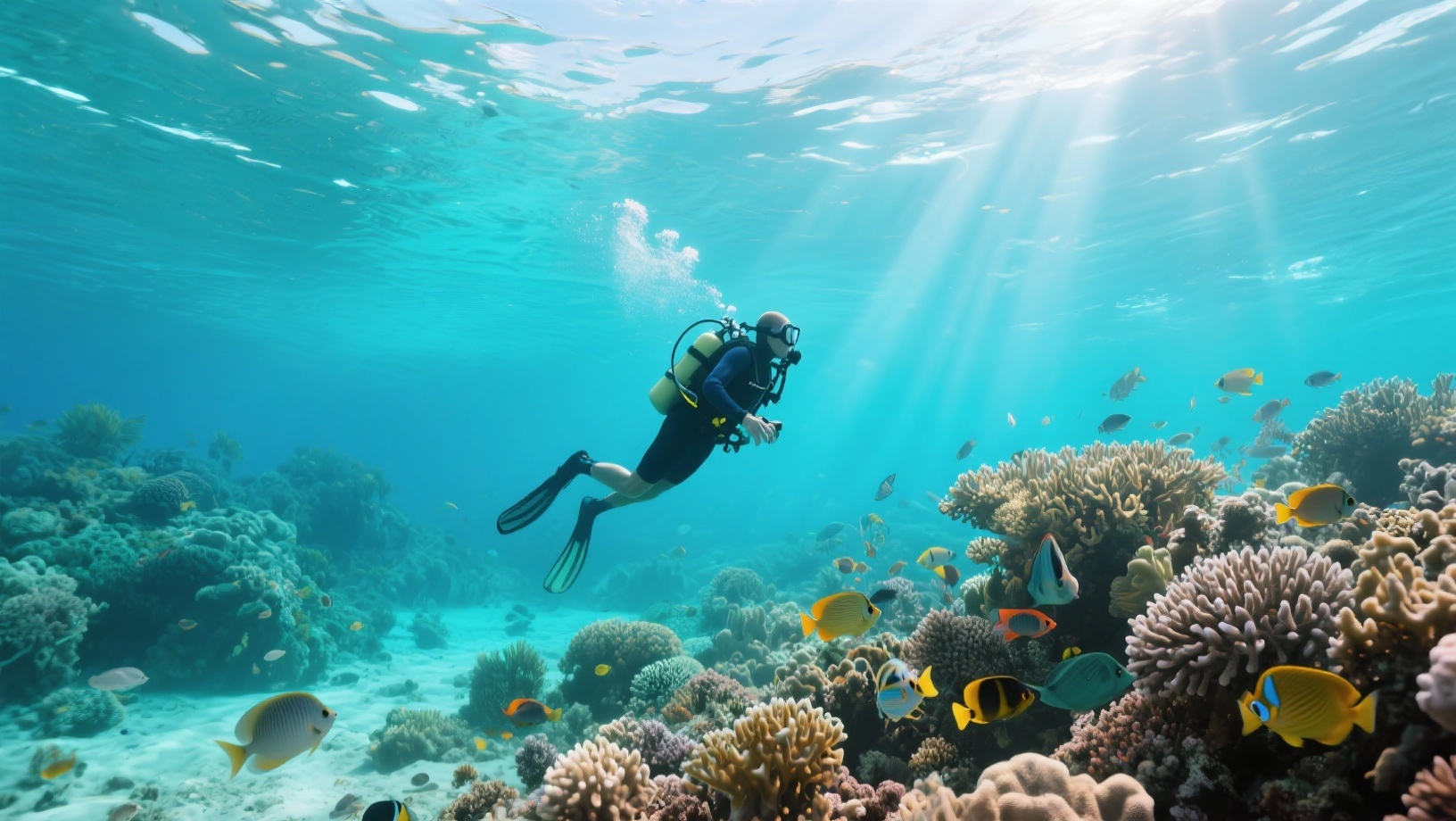
Are you a serious diver looking for unparalleled biodiversity? The waters of Southeast Asia and the Indian Ocean offer the most exotic dive sites in the world. Raja Ampat in Indonesia and the Maldives are renowned for their rich marine life. Think pristine coral reefs and large schools of pelagic fish. Good preparation determines the success of your trip to these remote locations. Discover what makes these places so special. Learn how to plan your diving trip in the best possible way.
Why is Raja Ampat an epicentre of biodiversity?
Raja Ampat is located in Indonesia’s West Papua province. Experienced divers and biologists regard it as the epicentre of marine biodiversity. This area lies within the Coral Triangle. This region is known for the highest concentration of coral and fish species on earth. The reefs here are exceptionally resilient and teeming with life. Divers can expect an enormous variety of underwater landscapes. From steep walls and mangroves to calm bays full of soft coral.
What sets Raja Ampat apart is its immense species richness. You’ll find more than 1,500 fish species and over 500 types of coral. This is the place to spot rare creatures, such as the wobbegong shark, pygmy seahorses and several species of manta ray. The diving conditions are suitable for both beginners and advanced divers, although some locations do have strong currents. A liveaboard is a popular way to explore the archipelago: a boat on which you stay and from which you dive. This allows you to reach the most remote and untouched dive sites.
‘ This makes the Maldives a top destination for drift diving. ’
What makes diving in the Maldives so special?
The Maldives are an archipelago of more than a thousand coral islands. They offer a very different kind of diving experience. The islands are atolls, ring-shaped coral reefs enclosing a lagoon. Diving is concentrated around the channels – the openings in the atoll rim where water flows in and out of the lagoon. These currents carry nutrients with them and therefore attract large quantities of marine life. This makes the Maldives a top destination for drift diving. You allow yourself to be carried along by the current past the reef walls.
In the channels of the Maldives you have a high chance of seeing pelagic species. Think grey reef sharks, eagle rays and sometimes even whale sharks and hammerheads. Inside the atolls you’ll find calmer dive sites, with colourful coral gardens and an abundance of smaller reef fish. A liveaboard is an excellent option for visiting several atolls and dive sites, so you can discover more of these waters. The best time to travel is during the dry season, from December to April.
How do you reach these remote diving paradises?
A trip to the world’s most remote diving destinations requires careful planning. Getting there is often a challenge – but that’s also what keeps these places so unspoilt. Here are some practical steps for planning your trip:
- Flights: For Raja Ampat you typically fly to Sorong (SOQ) in West Papua, often with a stopover in Jakarta (CGK) or another major Indonesian city. For the Maldives, Malé’s international airport (MLE) is the main point of entry.
- Liveaboards: For both Raja Ampat and the Maldives, a liveaboard is the recommended way to dive. Book well in advance, especially in the high season. Most liveaboards offer packages including accommodation, meals and a set number of dives per day.
- Best time to travel: Plan your trip in the right season. For Raja Ampat this is generally from October to April, when the sea is calm and visibility is optimal. For the Maldives, the period from December to April is ideal, as this is the dry season.
- Dive certification: Although there are dive sites for every level, experts recommend a PADI Advanced Open Water certification for many of the more challenging locations. In particular for drift dives and deeper dives, experience with currents is an advantage.
How do you consciously prepare for this diving trip?
Good planning is about more than just booking a ticket and a boat. It also involves conscious preparation that contributes to a comfortable and responsible trip. Make sure you have comprehensive dive insurance that covers decompression sickness. Use reef-safe sunscreen to protect vulnerable coral ecosystems. By doing your research and making the right choices, you’ll enjoy an unforgettable diving experience while at the same time helping to preserve these remarkable underwater worlds.
Feeling inspired to plan your next diving trip? On Traveler Tips you’ll find articles on preparing your journeys, choosing destinations and practical tips for on the road. Discover how to travel smarter and more consciously. Get the most out of your next holiday.
Frequently asked questions
To smartly combine a road trip or train journey with exotic dive sites, you can focus on destinations such as Bonaire, where you drive your own car directly to the dive locations for shore dives. For most remote and exotic dive spots, such as the Galápagos or Cocos Island, a road trip or train journey mainly serves to reach the departure harbour or airport. From there, a flight and a multi-day liveaboard boat trip are often necessary to reach the actual dive sites. Plan the land journey as a prelude to the maritime expedition to these unique underwater worlds.
Essential preparations for a comfortable and safe diving trip to remote exotic locations include at minimum a PADI Advanced Open Water certification, a refresher course if you have had a long break from diving, and choosing reef-safe sunscreen. In addition, liveaboards are often required and expensive, so booking well in advance is crucial, as are permits for certain locations. Finally, medical check-ups for decompression sickness risks and any antimalarial tablets for specific regions are important.
Although most exotic diving destinations are remote and often reached by liveaboard or flight, there are a few that can reasonably be combined with a road trip. Bonaire, known as the “shore-dive capital”, is ideal, for example, for exploring the various dive sites along the coast by car. The Great Barrier Reef in Australia, with Cairns as a hub, also offers opportunities to discover the surrounding area by car as part of the journey to the dive locations. The Red Sea in Egypt is another option, as the dive sites are accessible both from the shore and by boat, offering more flexibility for travellers who would like to make a road trip.
To plan a budget-friendly dive adventure with maximum overall experience, focus on destinations such as the Red Sea in Egypt for affordable options. Maximise your experience by obtaining a PADI Advanced Open Water certification and consider a liveaboard for access to remote and biodiverse dive sites such as Raja Ampat. Book permits and accommodation well in advance for popular locations such as Sipadan to guarantee access and avoid crowds. Contribute to sustainability by using reef-safe products and supporting marine parks, which enriches your experience and helps safeguard the underwater world.