 NL
NL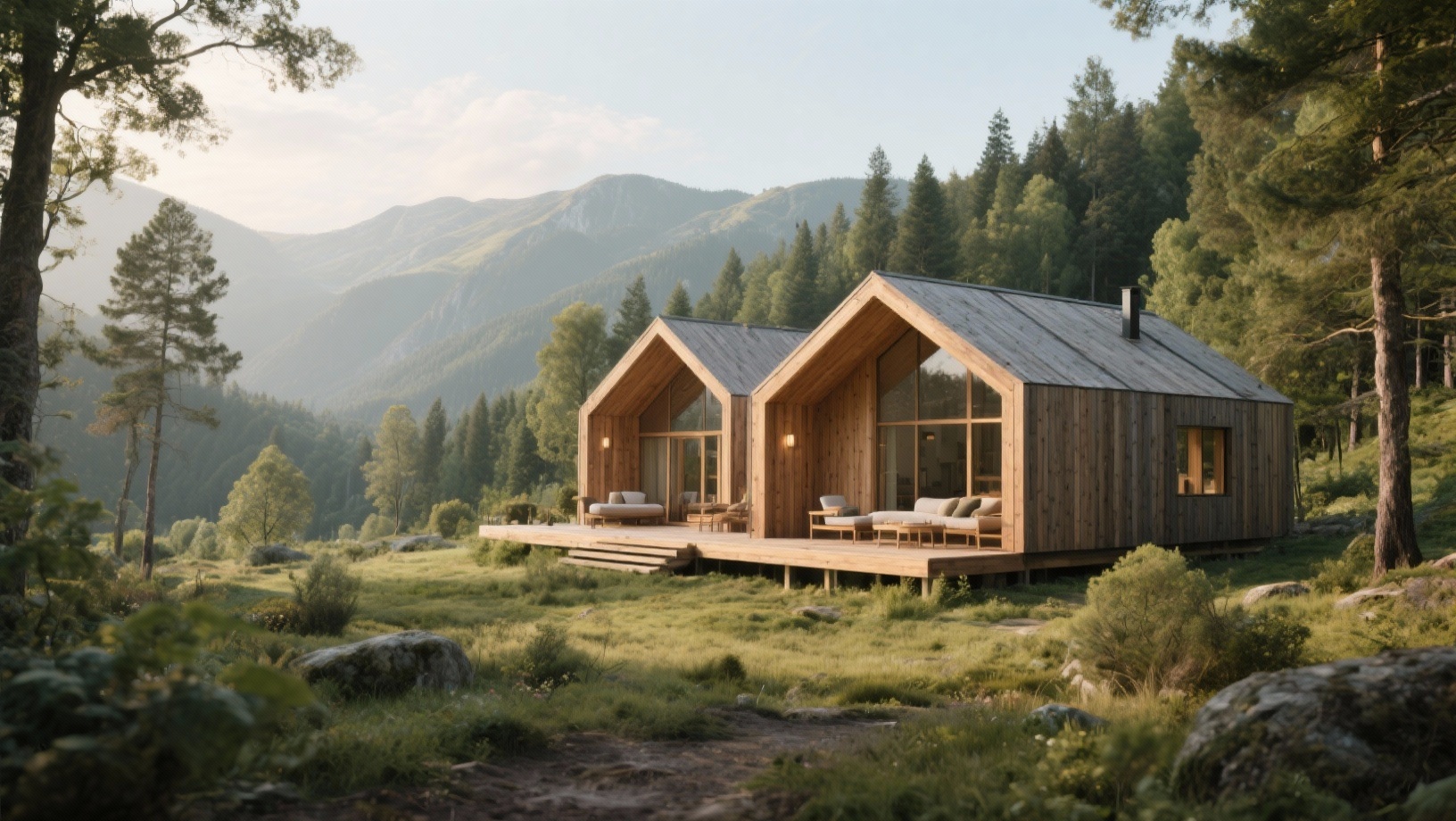
Ecolodges: everything you need to know about a sustainable stay in nature
A stay in an ecolodge offers a way of travelling in which comfort, experiencing nature and taking responsibility come together. These accommodations are destinations that are completely designed to give travellers an authentic experience. They have minimal impact on the environment and provide maximum support for the local community. An ecolodge suits the conscious traveller who wants to experience nature intensely without sacrificing comfort. This article describes how these special places to stay put sustainability into practice and what visitors can expect.
What exactly is an ecolodge?
An ecolodge is a small-scale accommodation in a natural setting. Strict ecological and social principles form the basis for its construction and management. The essence of a true ecolodge rests on three pillars: actively contributing to nature conservation, the wellbeing of the local population, and educating guests about the surrounding area. This is what sets an ecolodge apart from a standard hotel or even a ‘green’ hotel in the city. The focus here is entirely on sustainability and the connection with nature. This fits in with the growing demand for conscious nature holidays. The buildings are often constructed from local, sustainable materials. The design allows the accommodation to blend into the landscape.
The scale is another defining feature. Most ecolodges have fewer than thirty rooms. This keeps the ecological footprint limited and the atmosphere personal and tranquil. They are located far from urban bustle, noise and pollution. The sounds and rhythms of nature completely immerse guests.
‘ This closeness to nature offers a sense of calm that a regular hotel rarely provides. ’
Why do travellers choose an ecolodge experience?
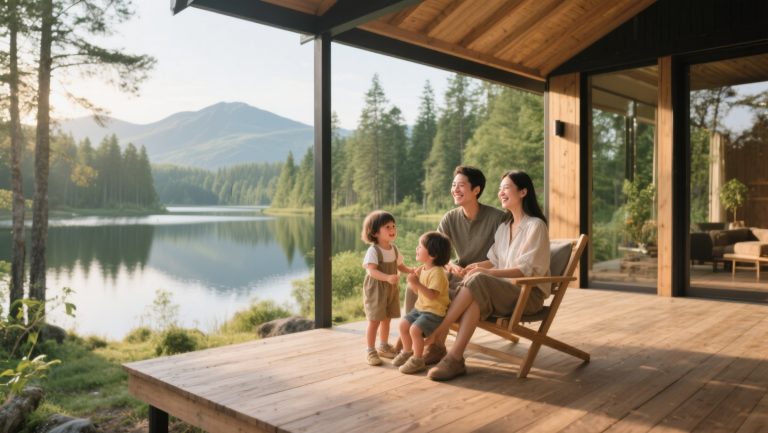
Travellers who choose an ecolodge are looking for more than just a place to sleep: they want a deeper connection with their destination. The experience revolves around peace and quiet, authenticity and a direct link with nature. The sound of birds, monkeys or the sea wakes guests in the morning. From the room, a single step leads straight into unspoilt surroundings. This closeness to nature offers a sense of calm that a regular hotel rarely provides.
Authenticity plays a major role. A stay in an ecolodge is not a polished tourist experience. It is a chance to really get to know a region, often through the people who live and work there. The staff and guides usually come from the surrounding area and proudly share their knowledge of local flora, fauna and culture. This leads to genuine interaction and an educational experience that enriches the holiday.
How does an ecolodge put sustainability into practice?
The sustainable philosophy of an ecolodge is reflected in every aspect of its operations. Conscious choices are made to minimise the impact on the planet and to strengthen the local community.
How do ecolodges manage energy, water and waste?
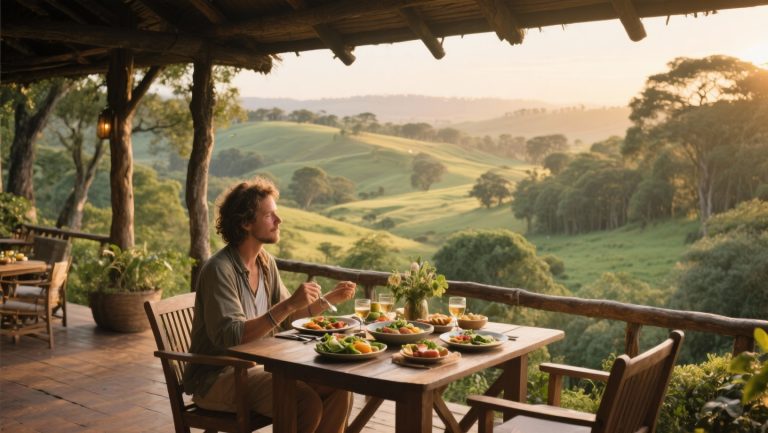
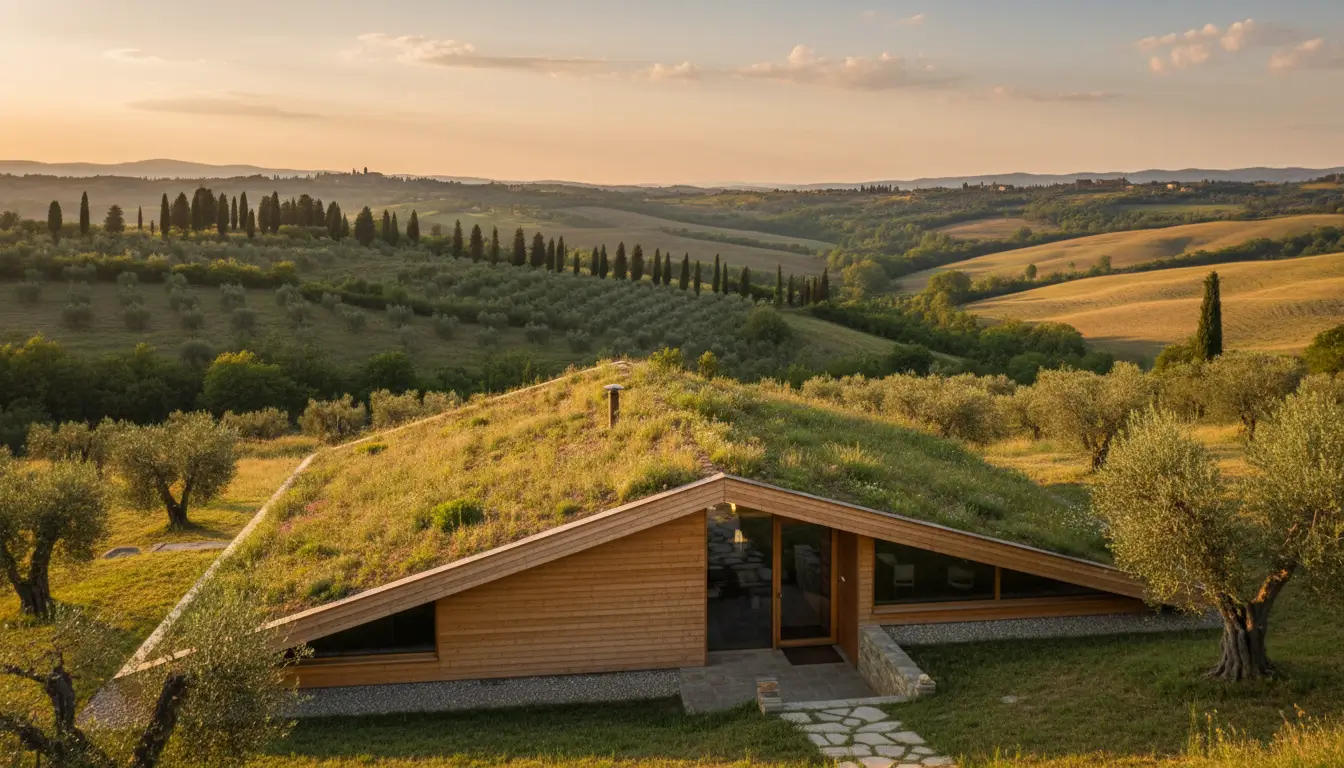
Many ecolodges are partly or fully self-sufficient. They generate their own energy using solar panels or wind turbines. Water management is handled with care: rainwater is collected and waste water is treated so it can be reused in the gardens. Waste processing is high on the agenda. Active recycling and composting are standard practice. Single-use plastics are avoided as much as possible. In the kitchen, meals are prepared with local, seasonal ingredients, which further reduces the ecological footprint.
How do ecolodges contribute to the local community and nature conservation?
An ecolodge is deeply rooted in the local community. They provide jobs and fair wages for people from the area and purchase their products and services from local suppliers. They often also support social projects such as schools or healthcare. Many lodges contribute directly to nature conservation by taking part in reforestation projects, protecting endangered species or maintaining hiking trails in nearby nature reserves.
What level of comfort and which facilities do ecolodges offer?
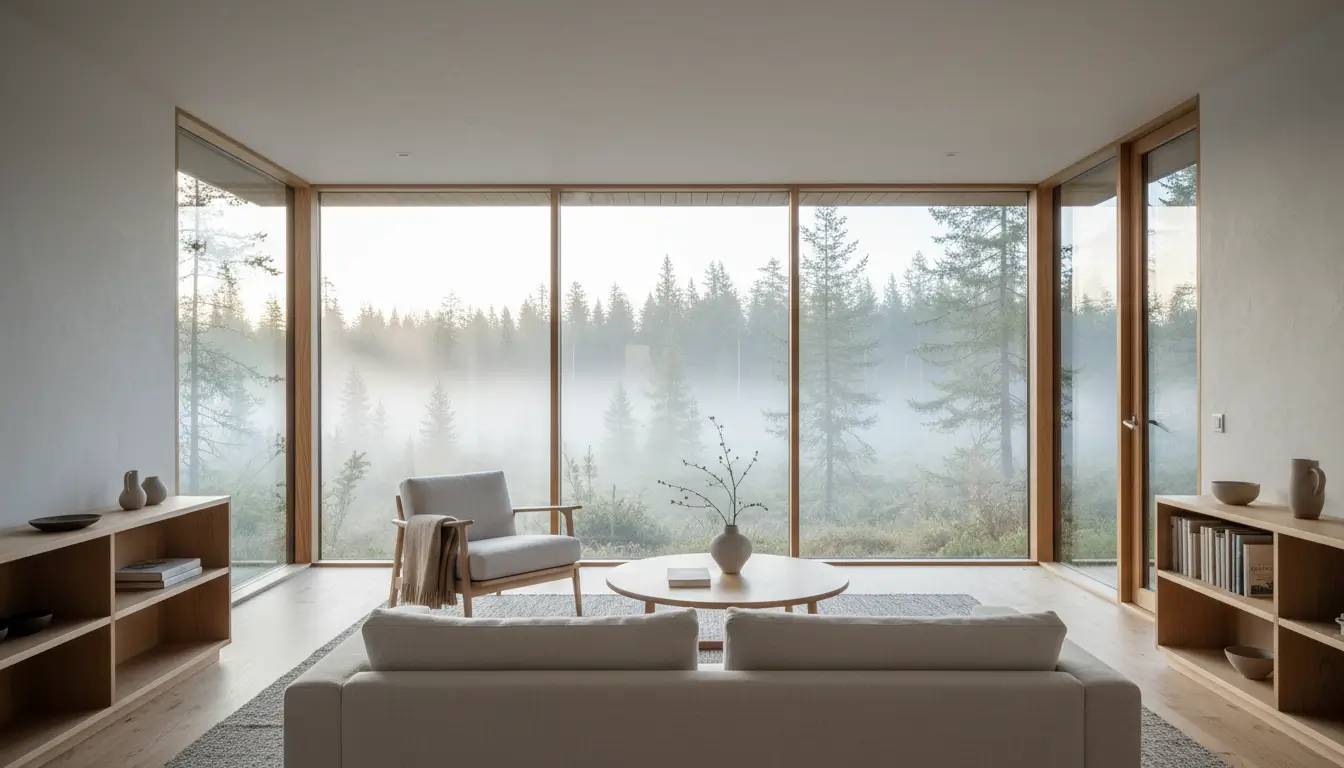
Sustainability does not mean that guests have to give up comfort. Ecolodges range from simple, rustic cabins to luxury villas with private pools. Comfort is always in harmony with the surroundings. Unnecessary luxuries such as televisions or constantly running air conditioning are absent. The luxury lies in the details: a comfortable bed with views of the jungle, an outdoor shower under the stars, or a veranda with a hammock to enjoy the natural surroundings.
Most lodges offer activities focused on experiencing nature and learning about it. Guided walks with a nature guide, birdwatching excursions, workshops on local crafts or cookery classes using ingredients from their own garden are among the possibilities. The guides’ knowledge is often a major strength. They open guests’ eyes to the wonders of the surrounding ecosystem.
‘ The ecological principles are not a marketing tool, but the foundation of the entire concept. ’
What sets an ecolodge apart from glamping, treehouses and other nature stays?
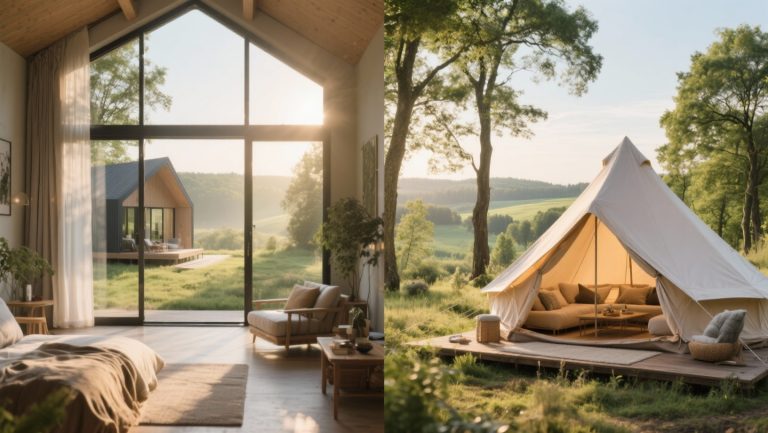
The term ‘ecolodge’ is sometimes confused with other special nature accommodations such as glamping tents or treehouses. Although these places also offer a unique nature experience, there is an important difference. A true ecolodge sets itself apart through its deeply rooted and all-encompassing sustainable philosophy. Whereas a treehouse is primarily a special place to sleep, an ecolodge goes further by actively contributing to nature conservation and the local community.
The ecological principles are not a marketing tool, but the foundation of the entire concept. This means that not every attractive hut in nature automatically qualifies as an ecolodge. An authentic ecolodge makes visible investments in sustainable systems and social projects, and can also demonstrate this.
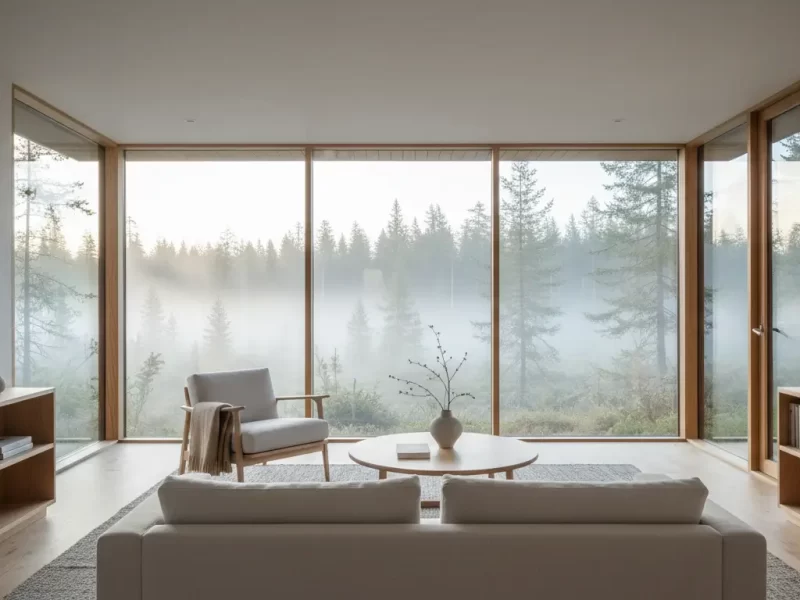
Where can you find ecolodges: from jungle to coast and mountains
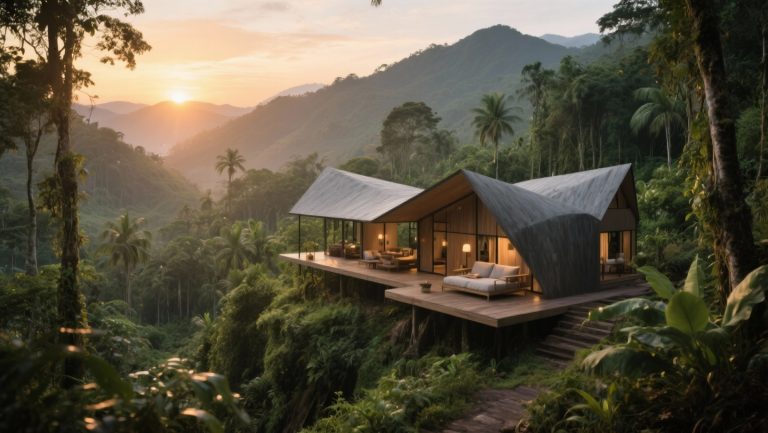
Ecolodges can be found all over the world, in the most diverse locations. Whether the dream is to stay deep in the Amazon, in a hut on a deserted beach in Southeast Asia or in a lodge high in the Alpine mountains, there is plenty of choice. Every environment offers a unique experience. In the jungle, guests are surrounded by an abundance of flora and fauna. On the coast, the sea takes centre stage and visitors learn about the marine ecosystem. In the mountains, peace, sweeping views and challenging hiking routes await. The location largely determines the atmosphere and the possible activities, so it helps to choose a setting that matches your travel wishes.
How do you plan and book a stay in an ecolodge?
Good preparation helps when it comes to finding the right ecolodge. Here are some key points to consider when planning and booking:
- Research their sustainability practices: Check the lodge’s website to see how they put their ecological and social responsibility into practice. Look for concrete examples, such as the use of solar energy, water-saving measures and partnerships with the local community.
- Pay attention to certifications: Some ecolodges are affiliated with international labels for sustainable tourism. While not every good lodge holds a certificate, it can be an indication of their commitment.
- Read reviews from other travellers: The experiences of previous guests often provide a good impression of the atmosphere, comfort and authenticity of the lodge.
- Opt for small scale: Smaller lodges generally offer a more personal and peaceful experience.
- Book directly: By booking directly with the lodge, a larger share of the money benefits the accommodation and the local economy.
‘ A stay in an ecolodge shows that tourism can be a positive force for both people and nature. ’
What impact does a stay in an ecolodge have?
By choosing to stay in an ecolodge, you are making a conscious decision that goes beyond simply enjoying your holiday. Guests contribute directly to the preservation of fragile ecosystems. Their stay helps the lodge fund conservation projects. It also supports the local economy in a sustainable way. It creates jobs and income for the local population, giving them an alternative to potentially harmful economic activities such as illegal logging or poaching. A stay in an ecolodge shows that tourism can be a positive force for both people and nature.
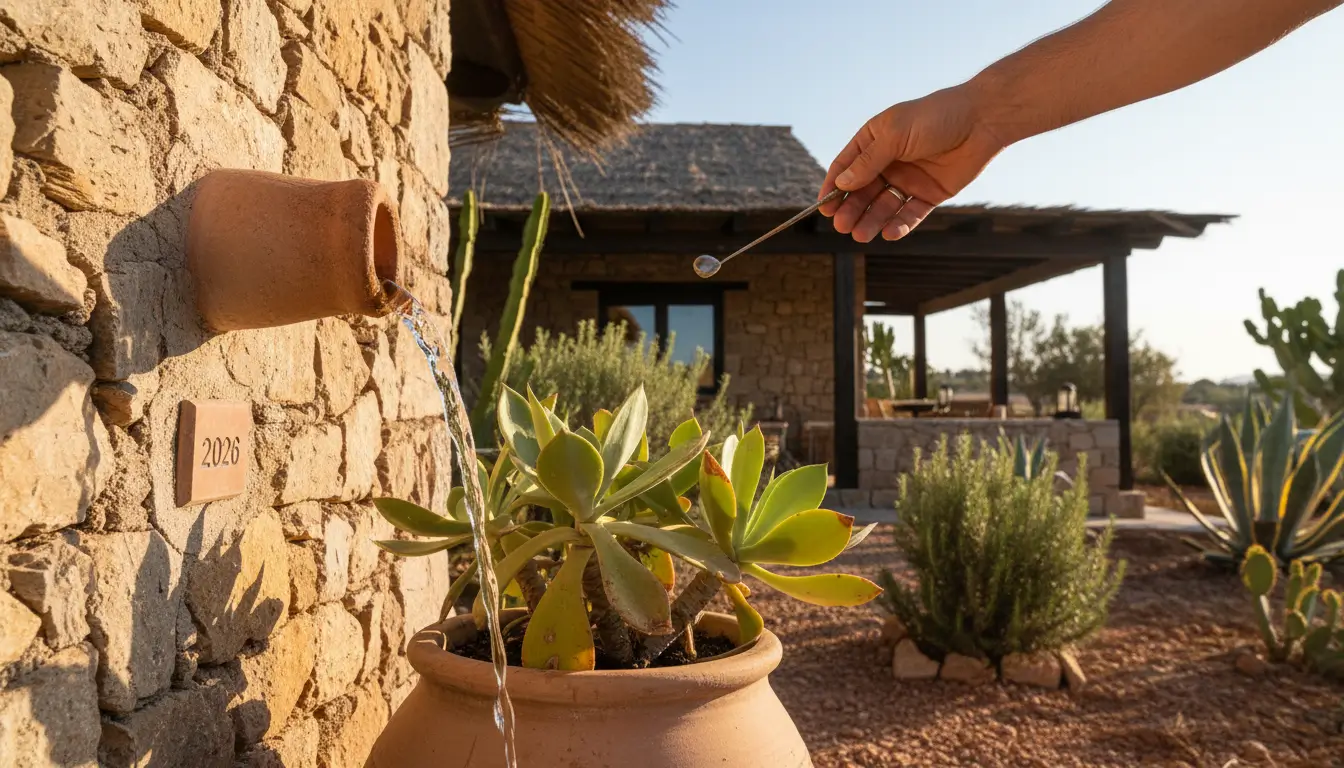
Discover the possibilities of a conscious nature holiday
An ecolodge provides a place to stay for travellers seeking comfort, tranquillity and a meaningful connection with nature. It is a way of travelling that not only brings relaxation, but also enriches you with new knowledge and insights. By choosing an ecolodge, you are investing in a special experience and contributing to a more sustainable world. For your next trip, it is worth considering a stay where your presence makes a positive difference. Both nature and the local community will benefit.