 NL
NL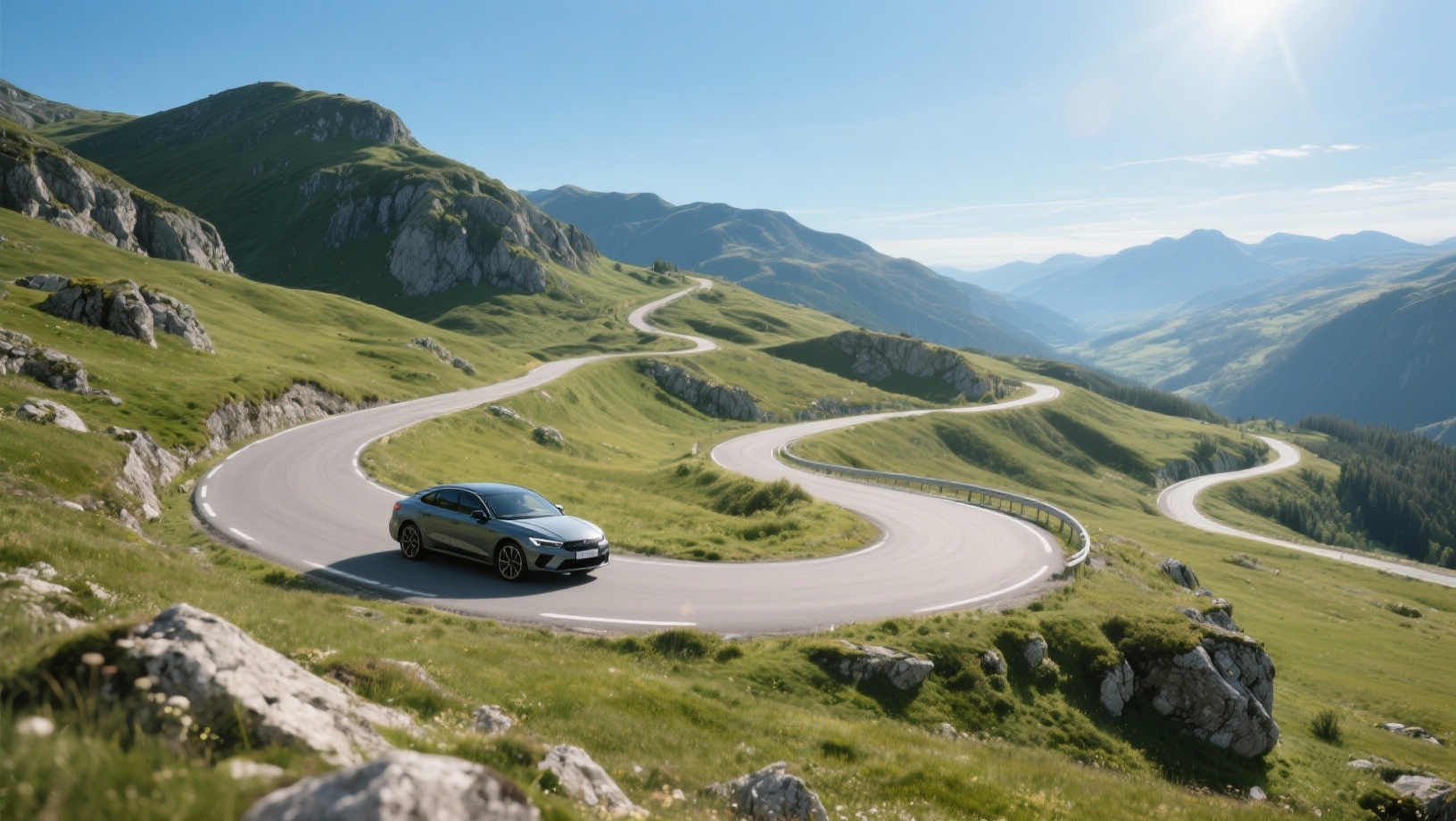
With the right cornering technique you drive safely and relaxed through the mountains. It’s not about speed, but about control, looking ahead and choosing the correct line. Do you feel unsure on steep and winding roads? With good preparation and the right approach you can turn fear into self-confidence. Discover how to take hairpin bends and other challenges smoothly and safely.
The basic principles for every mountain drive
Driving in the mountains requires a different mindset than on flat roads. The scenery is constantly changing and roads are often narrow and unpredictable. The basis of a safe drive lies in three principles: observation, anticipation and smooth driving. Before you tackle specific bends, it’s good to understand these fundamentals. They form the core of every decision you make on a mountain road.
The most important rule is to look far ahead, beyond the bend directly in front of you. By focusing your gaze on the point where the road is leading, you will automatically steer the correct line. This helps you to adjust your speed in good time so nothing takes you by surprise. Always slow down well before the bend and only start to gently accelerate when you can see the end of the bend. This provides stability and grip, because the car pulls itself out of the bend.
‘ Relieving the brakes is the main goal here. ’
How do you take hairpin bends by car?
Hairpin bends are the most challenging bends in the mountains. They are tight, often steep and visibility is limited. A correct approach is crucial here, both when climbing and descending.
Climbing hairpin bends
When driving uphill, maintaining momentum is important without losing control. Follow these steps for a smooth climb:
- Choose the right gear: Make sure you are in a low gear (first or second) before you enter the bend. This gives you enough pulling power to get up the slope without having to change gear in the middle of the bend.
- Take the outside line: Steer in as wide as possible. Drive from the outside of the bend towards the inside. This makes the bend as gentle as possible and helps you keep a better overview. Always stay on your own side of the road.
- Look far through the bend: Focus your gaze on the point where you want to go after the bend. Your hands and the car will follow naturally.
- Apply the throttle gradually: Only start accelerating once you are straightening the steering wheel again. This prevents the wheels from losing grip on a steep, slippery surface.
Descending hairpin bends
Descending through a hairpin bend requires even more control, because gravity is pushing the car downhill. Relieving the brakes is the main goal here.
- Use engine braking: Shift down to a low gear (first or second) before you approach the bend. The engine brakes the car, meaning you need to use the footbrake less and can prevent it from overheating.
- Brake before the bend: Reduce your speed firmly before you start steering. Use the brake as little as possible in the bend itself in order to maintain control.
- Choose the right line: Start wide on the outside and steer sharply towards the inside of the bend. This gives you the best view of possible oncoming traffic.
- Let the car roll: Release the brake as you come through the bend and let the car roll gently. Only accelerate again once the road straightens.
Cornering technique for beginners
If you are new to driving in the mountains, build it up gradually. Nobody expects you to conquer the Stelvio Pass without a hitch straight away. Start with wider, less steep mountain roads to get a feel for how your car behaves. Focus on consistently applying the basic principles: look far ahead and always brake before the bend, never in it. Accept a lower speed so that you feel comfortable and in control. Let faster traffic pass at a safe spot instead of allowing yourself to be pressured. Practice and patience are your best tools.
Avoiding mistakes on a mountain road trip
Even experienced drivers make mistakes on unfamiliar terrain. By knowing the most common mistakes, you can avoid them more easily and travel more safely.
A common mistake is braking too late or in the bend. This upsets the balance of the car and causes a loss of grip. Another mistake is fixing your gaze on the crash barrier or the drop. Always look where you want to go, not at what you are afraid of. Cutting corners on roads with poor visibility is dangerous; you never know if there is an oncoming car. Finally, overloading the brakes during a long descent is a classic error. Use the engine brake actively by driving in a low gear. That way your brakes stay cool and effective for the moments when you really need them.
Good preparation involves more than just the right driving technique. Make sure your car is in good condition, especially the tyres and brakes. On our website you will find more articles about preparing your car for a road trip, planning the most beautiful routes and tips for travelling in different seasons. Discover the practical guides on Traveler Tips and make sure your next trip runs perfectly.
Frequently asked questions
To practise cornering techniques in the mountains in advance, it is essential to build up control and confidence. Start by driving on gently winding roads where you can take small, controlled steering inputs and keep the car stable, always looking well ahead into the bend. Build up your experience step by step and focus on braking in good time before the bend and accelerating smoothly out of it. If you find mountain driving exciting, a specialist mountain driving course is recommended, where you can learn and practise techniques such as taking hairpin bends and controlled braking under supervision.
Essential driving techniques for hairpin bends and steep descents in the mountains include choosing the right gear, looking far ahead and steering smoothly. In climbing hairpin bends it is important to engage a low gear in good time and maintain momentum without accelerating sharply. During descents you should rely as much as possible on engine braking, brake firmly before the bend, and avoid braking hard in the bend itself. Always choose a wide, smooth line so you retain maximum grip and overview.
Yes, adapting your driving behaviour is essential in mountainous areas under different weather conditions. In rain, fog, snow or ice, reduce your speed, increase your following distance and brake earlier and more gently. Steer smoothly, avoid abrupt movements and use a higher gear where necessary to reduce wheelspin. Always check the weather forecast and, if conditions deteriorate, consider postponing your journey or turning back in time.
To choose the best route that matches your driving skills and the type of mountain pass experience you want, it is essential to assess your own abilities honestly. Start with easier, wider and less steep passes and build up to more challenging routes with tighter hairpin bends and narrower roads. Read route descriptions carefully and check height differences, gradients and road width in advance. If you have little experience, avoid very narrow or unpaved mountain roads and choose popular, well-maintained passes instead.
Avoid braking too late and too hard in bends, as this upsets the balance and reduces grip. Don’t focus your gaze on the crash barrier or the drop, but always look where you want to go. Don’t cut blind corners and don’t drive too close to the inside edge, because this limits your margin for error. Also don’t neglect preparation: check your tyres and brakes, adjust your speed to the conditions and take regular breaks so you stay alert and relaxed.