NL
NL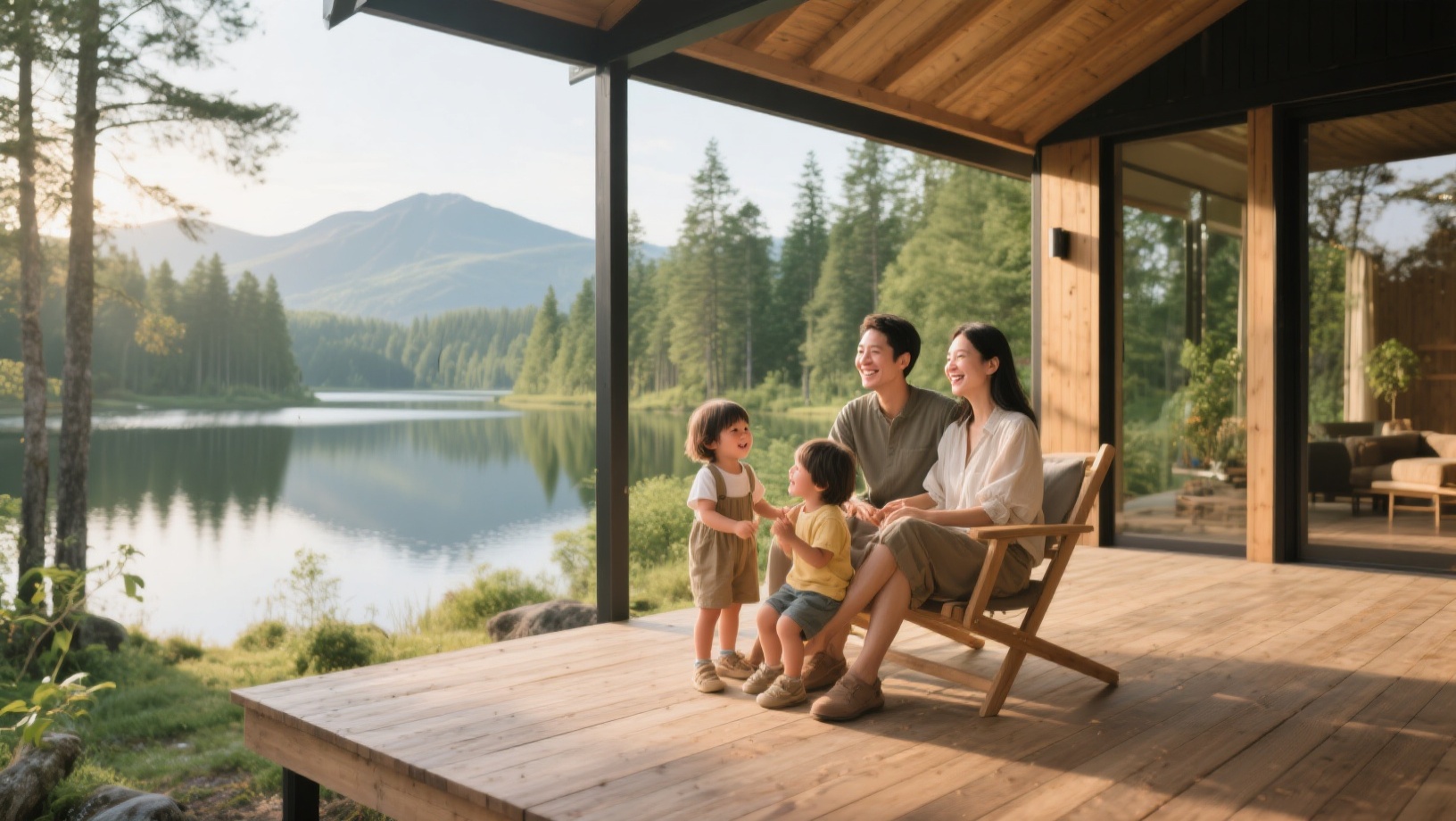
Ecolodges for families offer sustainable accommodation with learning experiences. They create environments where children come into direct contact with nature and learn about ecosystems, sustainability and conservation. Wildlife spotting, picking vegetables and ecological workshops are examples of activities. Here, travel comes together with meaningful education. Discover how to plan your family holiday to an ecolodge.
Why ecolodges are suitable for families
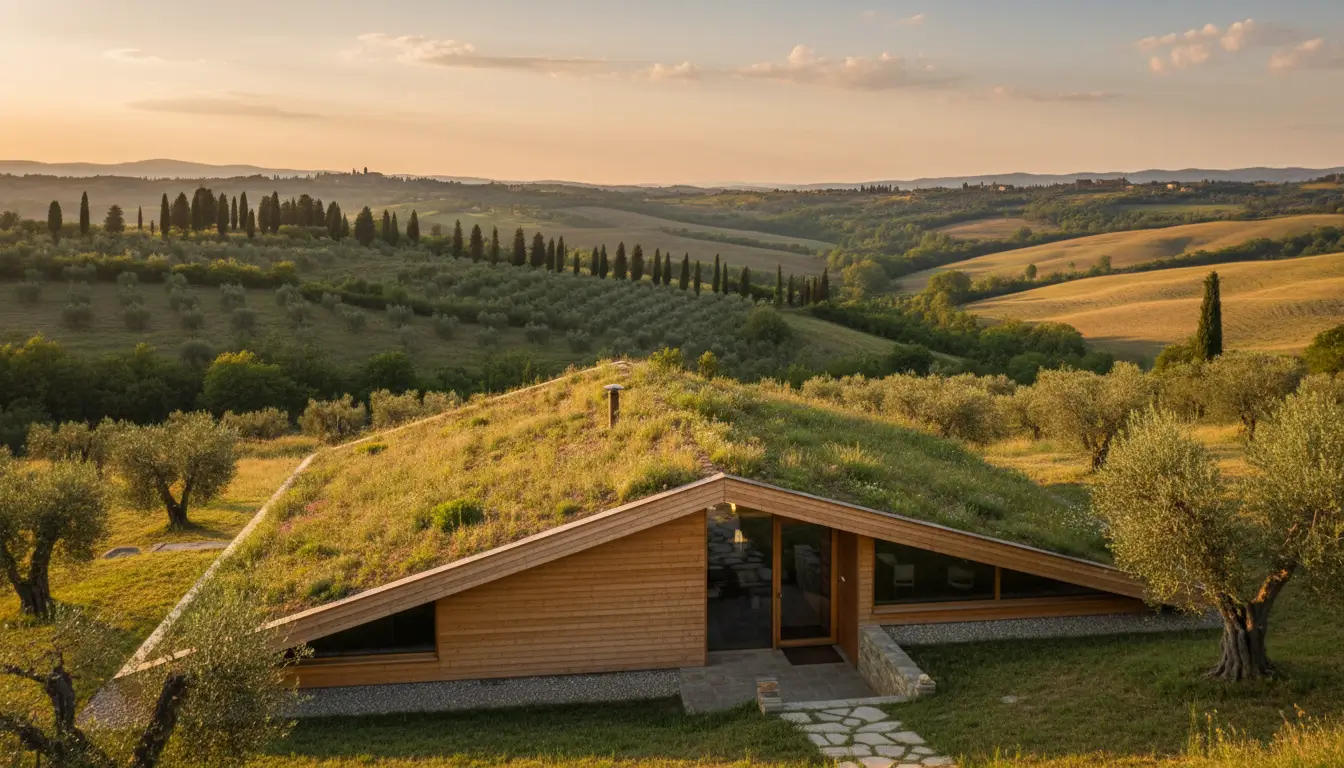
Ecolodges offer environmentally conscious stays with the space and facilities that families need. Many ecolodges are located in natural areas such as the Veluwe, the Utrechtse Heuvelrug or nature parks abroad. They offer accommodation with multiple bedrooms, kitchens and terraces, often for four to eight people. Think wooden lodges with solar panels, water-saving showers and gas-free systems.
The location plays an important role. Ecolodges are often close to walking trails, forests or waterside areas where children can play and explore. Play areas, outdoor grounds and access to nature make the stay practical for families with children of different ages. Many lodges have sustainability features such as charging points for electric cars, recirculation toilets and natural materials. These features make the difference visible for children.
‘ This way, the stay becomes a lesson in sustainable living. ’
Educational programmes for children in ecolodges
Many ecolodges offer programmes that get children actively learning about nature and the environment. These programmes vary by location, but they have in common that they are practical and accessible.
- Ecological workshops on water management, solar energy or composting
- Picking vegetables in on-site kitchen gardens or at nearby farms
- Nature walks with guides who explain about plants and animals
- Workshops on waste separation and reusable materials
These activities help children develop an understanding of ecosystems. They see how a lodge with its own energy supply works or how rainwater is reused. This way, the stay becomes a lesson in sustainable living.
Wildlife spotting with the family
Wildlife spotting is a popular activity in and around ecolodges. Many locations are in areas with wild animals such as deer, foxes, birds or amphibians. In the Netherlands you can find ecolodges near the Veluwe or nature parks with heathland and forest. Abroad, ecolodges can give access to wildlife reserves.
Safety comes first when wildlife spotting. Choose guided walks with guides who know the animals and their behaviour. Many ecolodges offer family safaris or nature trips. You then keep a respectful distance from wild animals. Organised activities are safer for young children than roaming freely in natural areas.
When wildlife spotting, children learn how to observe animals. They also learn respect for nature. They learn how animals function in their habitat and why it is important to keep your distance. Don’t forget to take binoculars and choose quiet moments in the morning or evening when animals are more active.
Activities besides wildlife spotting
Children can do much more than just spot animals. Ecolodges often offer activities that cater to different interests and ages.
- Cycling and walking on routes through forests or along rivers
- Playgrounds and outdoor play areas on site
- Workshops such as baking bread, woodworking or making nature art
- Swimming in natural swimming ponds or nearby lakes
- Treasure hunts with tasks about the local nature
Older children can take part in volunteer projects. They can help maintain walking trails or support nature conservation. Younger children enjoy simple activities such as collecting leaves, building dens or playing in the garden.
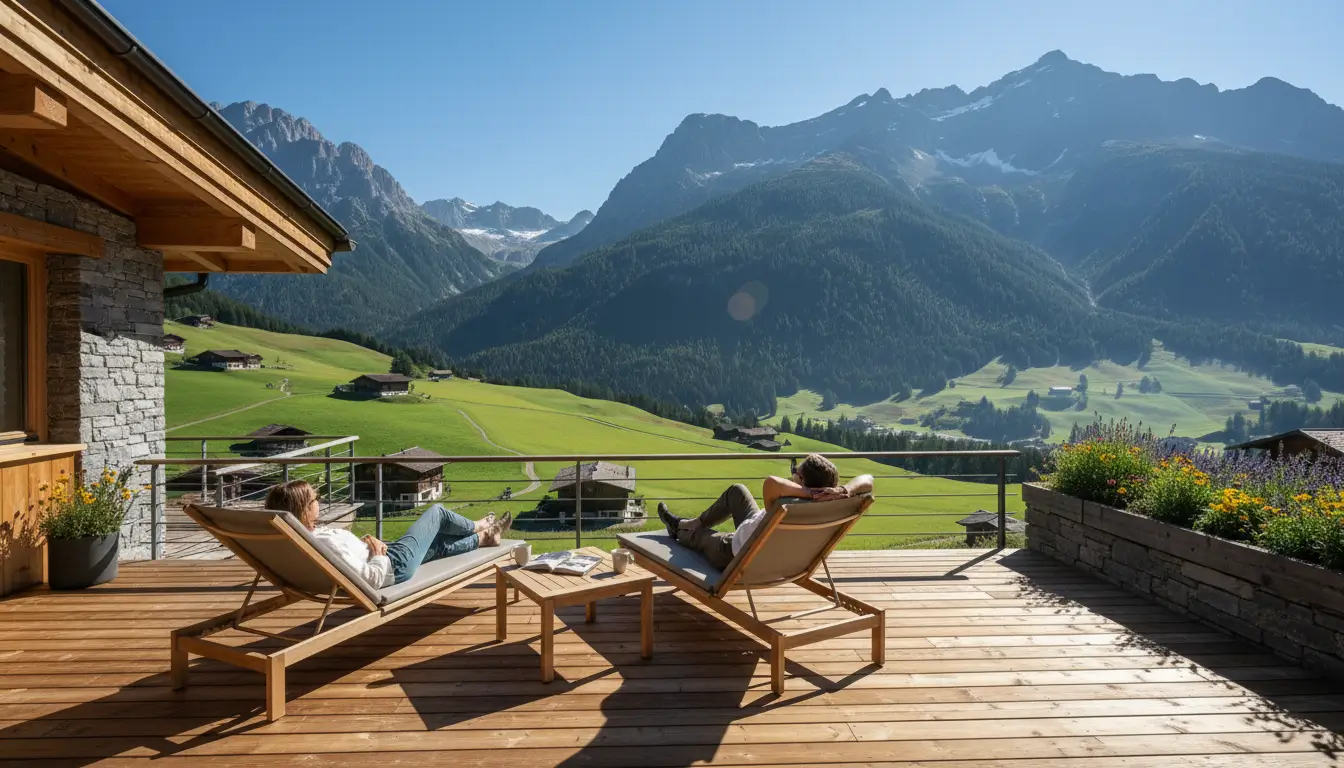
Many ecolodges also offer wellness options such as hot tubs or saunas. This gives parents relaxation while children play outside or join supervised activities.
‘ Older children, in particular, appreciate access to outdoor areas and activities in which they can take part independently. ’
Making it suitable for different ages
Planning an ecolodge holiday for families with children of different ages requires thoughtful choices. Start with the accommodation. Choose lodges with enough bedrooms and separate spaces so children have their own spot. Accommodation with its own kitchen offers flexibility for meals, especially with young children.
Plan activities that work for several ages. Walks in nature are suitable for all ages, provided you adjust the distance and pace. Treasure hunts or nature games also keep younger children engaged. For teenagers, you can look at more challenging activities such as climbing, kayaking or longer bike rides.
Take facilities into account. Check whether the lodge has highchairs, cots or play materials. For babies and toddlers, short distances to facilities are important. A quiet environment is also pleasant for young children. Older children, in contrast, appreciate access to outdoor areas and activities in which they can take part independently.
Book early, especially for popular locations near national parks. This way, you have more choice of accommodation and can communicate any special requests.
What to take with you to an ecolodge
Pack sustainable clothing and reusable items. Think reusable water bottles, cloth bags and eco-friendly toiletries. Many ecolodges have electric hobs instead of gas, so bear this in mind if you are cooking for yourself.
For children, outdoor clothes, sturdy shoes and waterproofs are important. Also take outdoor play equipment, such as a ball, frisbee or toys for the sand. Binoculars and a nature guide help with identifying plants and animals.
Check in advance whether the lodge provides bedding and towels. Some locations ask you to bring these yourself or to rent them for a fee.
Practical tips for booking
Choose a lodge with at least three bedrooms for families of up to eight people. Check whether pets are allowed if you are travelling with a dog or cat. Pay attention to the season: spring and autumn are often quieter than the summer months, with fewer crowds and lower prices.
Prices vary. In the Netherlands, you pay from around €125 per night for a family ecolodge. Weekends and school holidays are more expensive. Book via official websites for the best deals and reliable information.
Ask about nearby sights and activities. Many ecolodges share information about walking routes, cycle paths and local attractions. This helps you plan your holiday better.
‘ Discover routes, accommodation and inspiration for your next trip. ’
Discover more on Traveler Tips
On the Traveler Tips website you will find more information about sustainable travel, family holiday destinations and practical tips for self-organised trips. Discover routes, accommodation and inspiration for your next trip.
Frequently asked questions
Most ecolodges are easy to reach by car via regional roads and often offer parking and sometimes EV charging points right by the lodge. By public transport, you usually travel by train to a nearby town or village and then continue by bus and a short walk or taxi. The routes are generally child-friendly, but the last stretch (for example walking from the bus stop or along unpaved paths) may sometimes require a buggy or baby carrier for young children. Plan departure times and connections in advance so that waiting times with children remain limited.
Ecolodges for families often offer spacious, gas-free lodges with their own kitchen, multiple bedrooms, outdoor play space and sometimes private wellness such as hot tubs or saunas. They are usually located in the heart of nature, with direct access to walking and cycling routes, water play areas, beaches or forests, so children can spend lots of time outdoors. Sustainable facilities such as solar panels, heat pumps, rainwater or recirculation toilets and EV charging points reduce the ecological footprint. Self-sufficient systems and the use of natural materials mean that families experience in a very concrete way how comfortable and enjoyable sustainable stays can be.
Plan your ecolodge as an anchor point in your route: first drive or travel a longer leg (by car or train) to the region and stay there for at least 2–4 nights so that you can do day trips on foot or by bike. For example, combine an ecolodge in the Veluwe or on the Utrechtse Heuvelrug with a car-free day: leave the car and use walking and cycling routes in the immediate area. Choose lodges with EV charging points or good public transport connections near the station, so you can continue your journey sustainably to your next stop. For comfort, plan a maximum of 3–4 hours of travel time per travel day, take layered clothing, snacks and reusable bottles with you, and where possible choose accommodation with wellness (sauna/hot tub) to recover from the journey.
On average, the cost of an ecolodge for families is around €124 per night, with weekend stays often starting at about €380 for a (tiny) family lodge. Compared with regular accommodation, ecolodges offer a much smaller ecological footprint thanks to, among other things, solar panels, heat pumps and water-saving systems. In addition, they usually have a more spacious, family-friendly layout with their own kitchen, terraces and often wellness facilities such as hot tubs or saunas. Their location in the middle of nature with direct access to walking and play areas offers an experiential value that standard hotels or cottages rarely match.
Take reusable drinking bottles, containers and bags with you, plus layered clothing and rain or outdoor toys so children can play outside comfortably. Check in advance whether there are cots, highchairs and basic safety features (stair gates, enclosed garden) and add these yourself if necessary. For a sustainable stay, take eco-friendly toiletries and, if needed, your own bin bags for separating waste. Finally, plan child-friendly outdoor activities around the lodge so that you hardly need to drive and the nature experience is central.