 NL
NL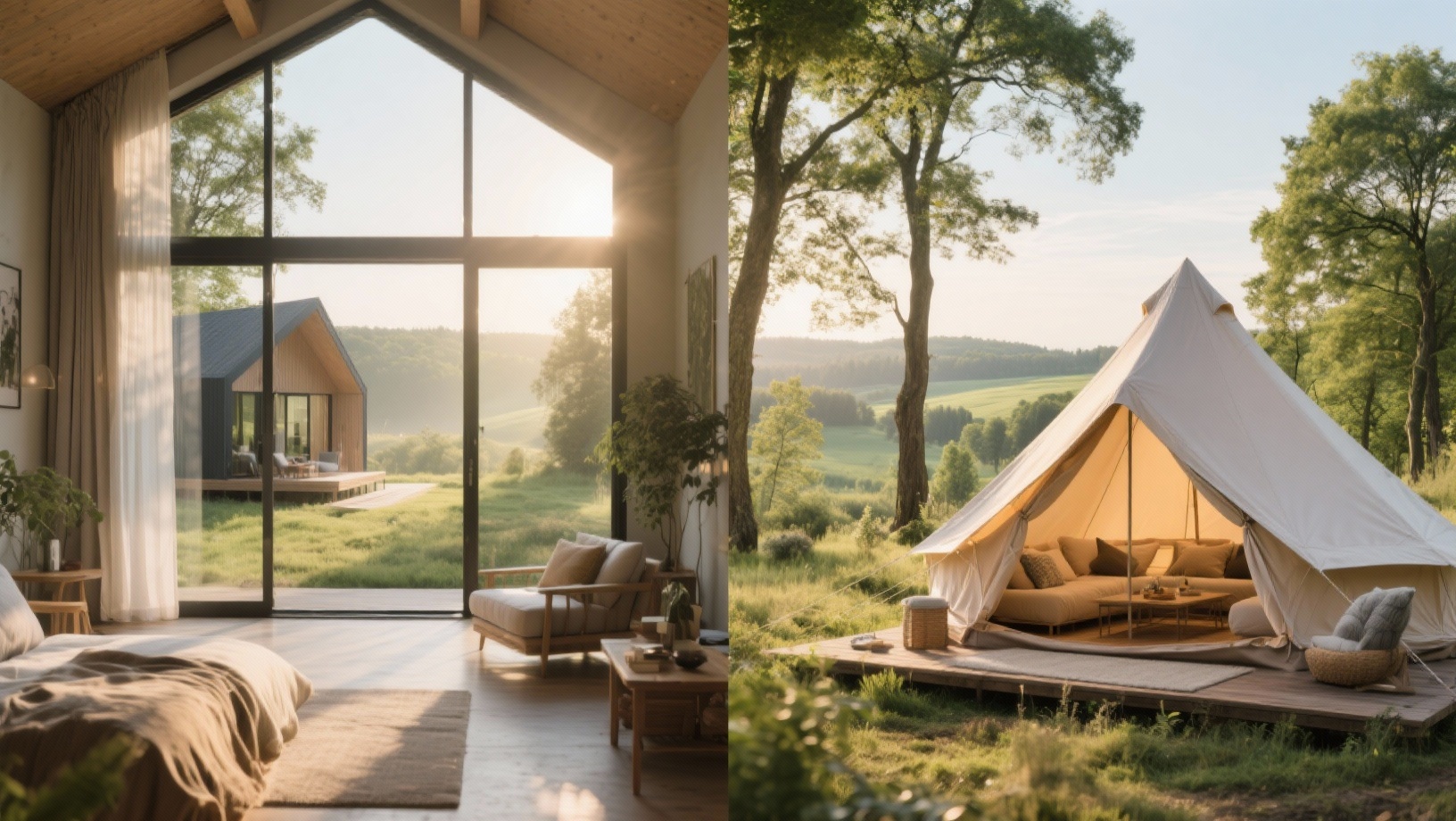
When choosing between ecolodges and glamping, the best option depends entirely on your travel style. An ecolodge is designed around nature conservation and a minimal ecological footprint. Glamping, on the other hand, puts luxury and comfort in a natural setting first. One is therefore not better than the other; they are simply different ways to enjoy nature. Curious which type of sustainable stay best suits your next trip? Read on and discover the key differences.
What is glamping?
Glamping, a combination of ‘glamorous camping’, is exactly what the name suggests: camping with the luxury and comfort of a hotel. You spend the night in nature, but without the hassle of pitching a tent or sleeping on an airbed. You stay in fully furnished accommodation. Think of a spacious safari tent, an atmospheric yurt, a cosy pod or a modern treehouse. These stays are often equipped with proper beds, a private kitchen and sometimes even a private bathroom with a hot shower.
The aim of glamping is to make nature accessible and comfortable. It is ideal for travellers who want to be outdoors, but do not want to compromise on convenience. Sustainability is increasingly playing a role, for example through the use of solar energy, sustainable materials or water-saving systems. However, the emphasis is primarily on the luxury experience and the comfort of the guest.
‘ Comfort is provided, but it serves to support the nature experience, not as the main goal. ’
What is an ecolodge?
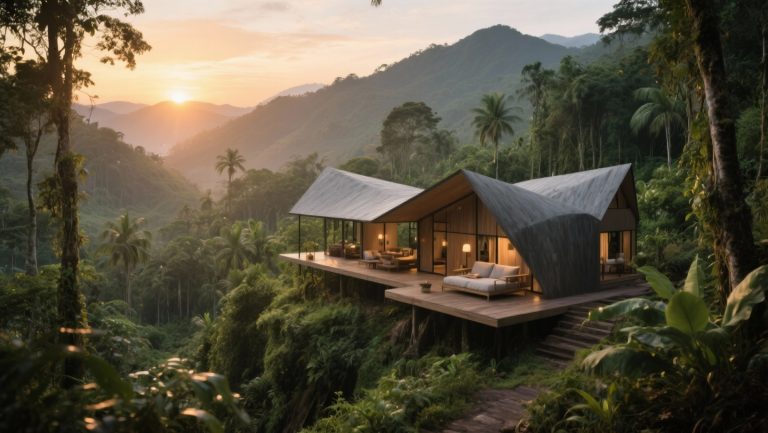
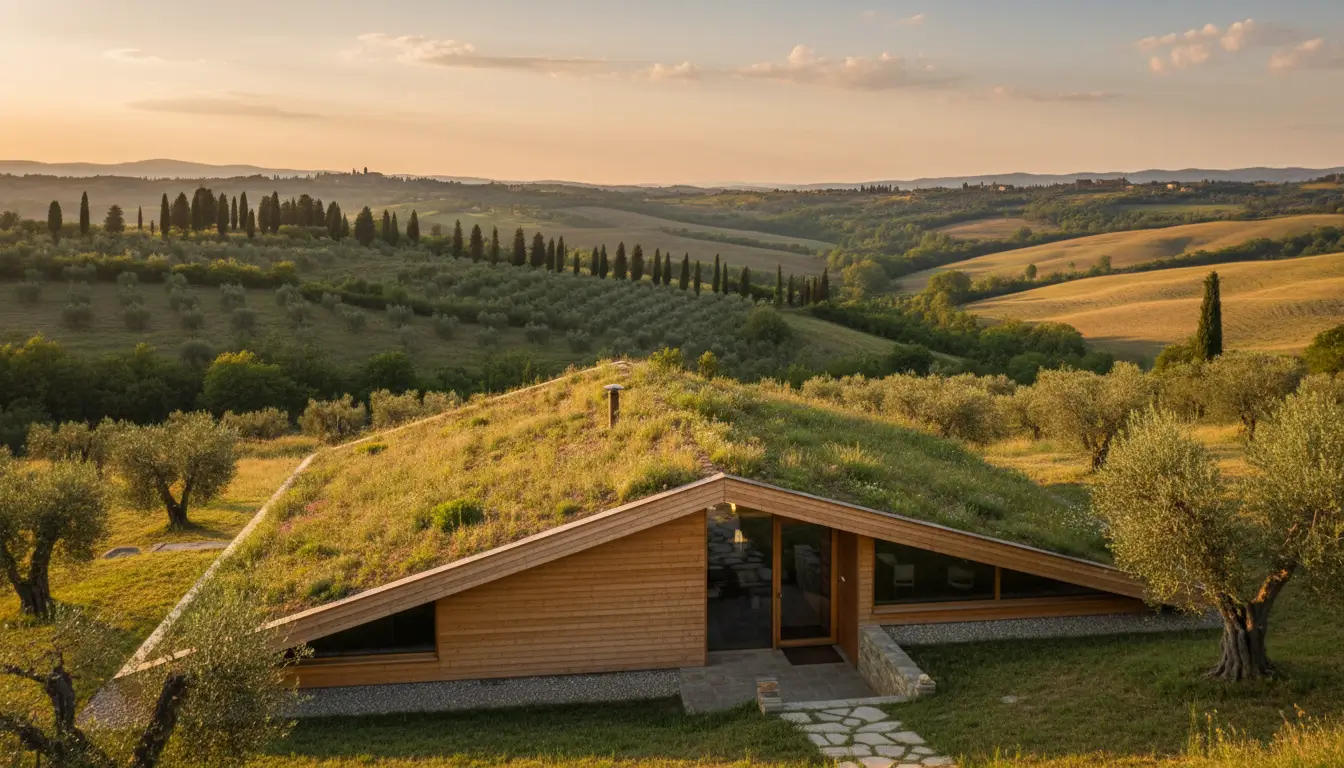
An ecolodge is accommodation that has been specifically designed and built to have a minimal impact on the environment. The concept goes beyond simply providing a comfortable stay in nature. It is based on a deeply rooted philosophy of nature conservation, sustainability and involvement with the local community. An ecolodge aims to protect the natural surroundings and to inform guests about them.
The characteristics of an ecolodge are often very concrete and measurable. Examples include:
- Energy consumption: Use of renewable energy sources such as solar panels.
- Water management: Systems for collecting rainwater and treating wastewater.
- Building materials: Construction using local, sustainable and recycled materials.
- Nature conservation: Active contribution to the protection of local flora and fauna.
- Community: Working with and supporting the local population.
At an ecolodge, the experience of nature is central, with respect for the environment. Comfort is provided, but it serves to support the nature experience, not as the main goal.
The main differences at a glance
Although both types of accommodation bring you close to nature, there are fundamental differences in their approach and objectives. It becomes easier to choose if you place the core principles side by side.
Focus: mission versus comfort
The most essential difference lies in the philosophy. An ecolodge has a clear mission: to promote nature conservation and sustainable tourism. Educating guests about the local ecology is often an important part of the experience. Glamping, on the other hand, focuses on offering a luxurious and comfortable experience in nature. The emphasis is on relaxation and convenience, with sustainable elements as a welcome addition, but not as the core of the concept.
Structure: permanent versus flexible
Ecolodges are generally permanent structures, often built as a small-scale resort with a fixed infrastructure. They are designed to blend into the landscape and have solid construction. Glamping accommodations are often more flexible and sometimes even temporary in nature. Think of tents, pods or yurts that are relatively easy to set up and move. This results in a smaller impact on the immediate surroundings during construction and installation.
Experience: immersion versus relaxation
A stay in an ecolodge is often a more immersive experience. You are encouraged to get to know the surroundings, take part in guided walks or learn about local ecosystems. It is a more active way of experiencing nature. Glamping is more focused on relaxation. It offers a comfortable base from which you can explore nature, but the emphasis is on enjoying your luxurious accommodation and the peaceful environment.
And where do treehouses and safari lodges fit in?
Accommodations such as treehouses, safari lodges or chalets are more a type of structure than a category in themselves. They can fall under both glamping and an ecolodge. A luxury treehouse with a hot tub and air conditioning in a holiday park is a perfect example of glamping. A treehouse built from local wood, powered by solar energy and part of a forest conservation project functions as an ecolodge. So it is the underlying philosophy and operational approach that determine whether a stay is classified as glamping or as an ecolodge, not the form of the accommodation itself.
‘ In both cases you are paying for a unique experience, whether it is focused on pure nature conservation or on luxurious comfort. ’
Which option is the most exclusive?
Both ecolodges and glamping can be highly exclusive. The exclusivity of an ecolodge often stems from the unique, remote location in protected natural areas and the profound, authentic experience that is offered. For high-end glamping, exclusivity is determined by the level of luxury, design, private facilities and personal service. In both cases you are paying for a unique experience, whether it is focused on pure nature conservation or on luxurious comfort.
Choosing the luxury of glamping or the sustainable mission of an ecolodge guarantees you a special time in nature. On the Traveler Tips website you will find plenty more inspiration for planning your ideal trip. Discover our articles on the most beautiful driving routes, sustainable travel and unique destinations to make your next holiday unforgettable.
Frequently asked questions
Ecolodges are permanent, large-scale accommodations with extensive resort facilities such as saunas and restaurants, focused on in-depth sustainability and suitable for longer family stays. Glamping offers luxurious, temporary camping experiences in units such as tents or pods, with facilities like beds and kitchens, ideal for flexible, intimate trips. If you want a deep connection with nature combined with resort-style comfort and are prepared to invest more, choose an ecolodge. For an accessible, luxurious camping experience with flexibility and minimal impact, glamping is more suitable.
Ecolodges and glamping contribute to a sustainable travel experience by focusing on nature and luxury, with systems such as solar energy and rainwater harvesting to minimise environmental impact. Ecolodges offer a deeper sustainability focus with regenerative practices and permanent structures, which leads to a more profound contact with nature. Glamping offers more flexibility and is more accessible, with temporary luxury units that have minimal impact and are ideal for shorter, intimate trips. The most authentic connection with nature is often experienced in ecolodges, which combine stewardship with comfort.
Ecolodges offer resort facilities and in-depth sustainability, ideal for longer stays with families in remote areas, which involves higher costs. Glamping, by contrast, is a flexible, luxury camping experience in temporary structures with minimal environmental impact, often more accessible and better suited to shorter, intimate trips for couples or small groups, with higher nightly prices than basic camping. Your travel planning and budget are influenced by the length of your stay, the desired level of comfort and the degree of connection with nature you are looking for. For beginners or families seeking convenience, glamping is ideal, while ecolodges are suited to travellers who want deeper nature experiences with minimal impact.
Ecolodges offer deeper cultural immersion thanks to their focus on regenerative practices and close contact with nature. Glamping, on the other hand, can provide more direct adventurous activities such as off-grid adventure, canoeing and e-biking. Both options deliver unique experiences, depending on your preference for intensive immersion or flexible adventure. The choice depends on what you are looking for in a special travel experience.
Ecolodges are often located in remote areas and offer deeper contact with nature, which is ideal for longer road trips where you want to explore the surroundings. Glamping is more flexible and mobile, often more accessible and easier to integrate into a car holiday or road trip as a shorter, luxurious stop. Ecolodges have a fixed infrastructure and can serve as a base for exploring national parks, while glamping units such as tents or pods can be placed more easily in different landscapes. For a road trip, both options offer luxury and sustainability, with the choice depending on the desired level of remoteness and flexibility.