 NL
NL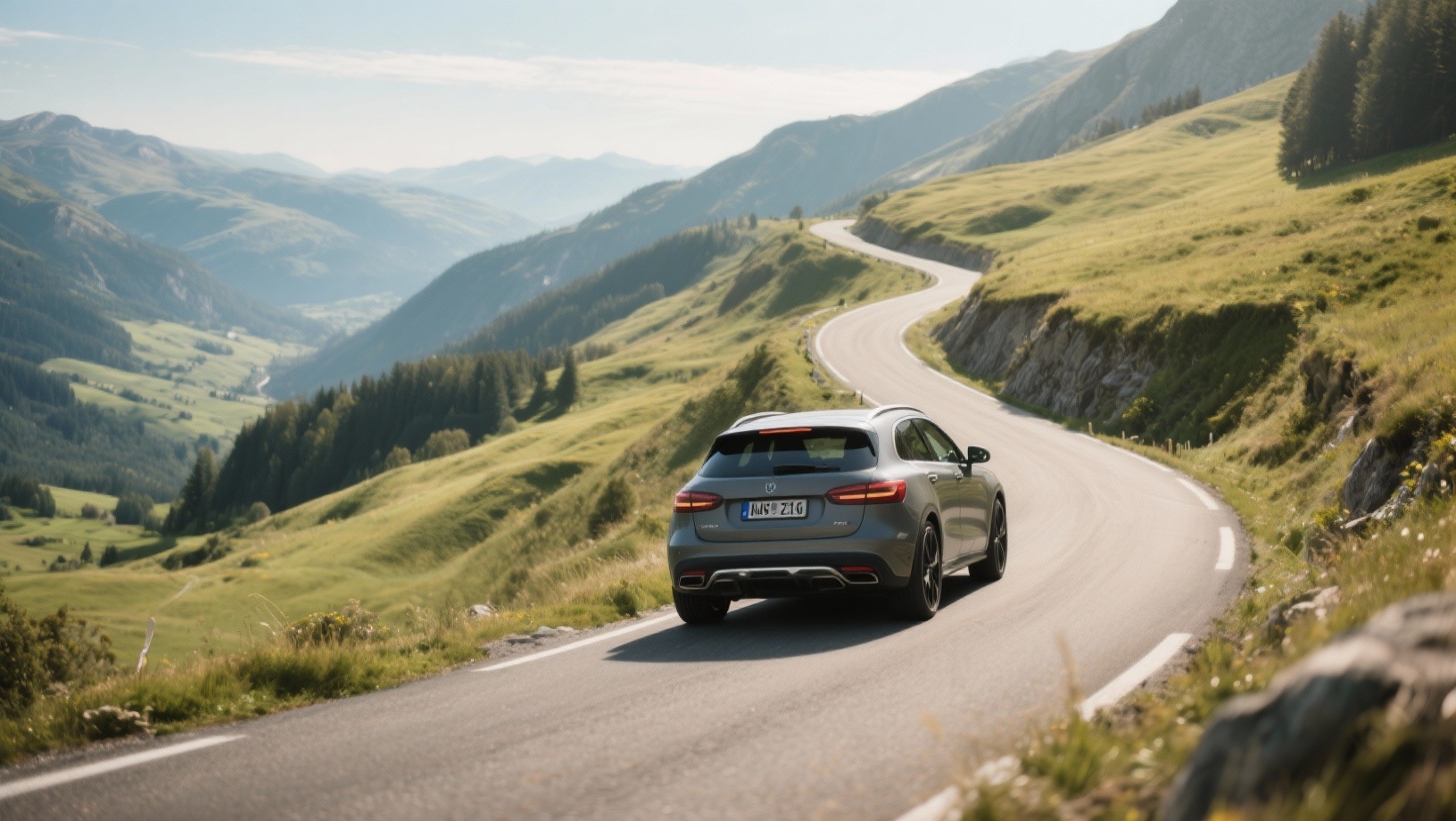
Safe driving in the mountains comes down to one technique: engine braking. By selecting the right low gear when descending, you prevent your brakes from overheating and maintain full control of your car. It’s a simple skill that makes your journey more comfortable and safer. Discover how to use this technique correctly and tackle the most beautiful mountain passes with confidence.
The golden rule: climb and descend in the same gear
The most important rule for driving in the mountains is simple: the gear you use to drive up a slope is the same gear you need to come down safely. When you drive in a low gear, for example second or third, the engine runs at higher revs. When climbing, this provides the pulling power needed to reach the top. When descending, it works the other way round. If you take your foot off the accelerator, the engine slows the car down thanks to the resistance of the rotating engine components. This is called engine braking. As a result, you hardly need to use the brake pedal and you prevent the brakes from becoming overloaded.
‘ Avoid having to stop halfway up a steep slope, but if it does happen, use the handbrake when pulling away to prevent the car from rolling backwards. ’
Driving up a mountain: choose the right gear
When you climb a mountain, you’ll quickly notice that the engine has to work harder. Change down to a lower gear in good time to help the engine. This keeps the revs high enough, usually between 2,500 and 3,000 revolutions per minute. This provides sufficient pulling power and prevents the engine from overheating. Do you feel the car losing speed or struggling with the gradient? Change down immediately. Try to avoid having to stop halfway up a steep slope, but if it does happen, use the handbrake when pulling away to prevent the car from rolling backwards.
Descending safely: how to use engine braking
Going downhill may seem easier than climbing, but it requires more attention. The biggest danger is overheating your brakes. If you keep your foot on the brake pedal all the time, the brake discs and pads become so hot that they lose their braking power. This phenomenon is known as ‘fading’ and leads to dangerous situations. You can prevent this by letting the engine do the hard work.
Change down to a low gear before you start the descent. This is often second or third gear. Then take your foot off the accelerator. You’ll notice that the car rolls downhill at a controlled speed without you needing to brake. The engine acts as a natural brake. Is your speed building up too much? Brake briefly but firmly to correct your speed and then release the brake pedal again. Avoid driving with your foot lightly on the brake all the time.
And with an automatic?
You can also use engine braking with an automatic gearbox. Modern automatics often have a manual mode (indicated by M, + and -) or special programmes for mountain driving. These allow you to lock the gearbox in a low gear. Some older automatics have an ‘L’ (Low), ‘2’ or ‘3’ position that has the same effect. Check your car’s manual to see which options your automatic offers. Use these functions actively, because in the standard ‘D’ (Drive) mode the automatic gearbox will shift up too quickly, meaning you’ll still need to use the brakes.
Practical tips for on the road
In addition to using your gears correctly, keep the following things in mind for a safe journey through the mountains.
- Hairpin bends: Approach a sharp bend at low speed. Brake before the bend, not in the bend itself. Change down to first or second gear and steer smoothly through the corner.
- Narrow roads: On narrow mountain roads in the Alpine countries, uphill traffic has priority over downhill traffic. The reason is that it’s harder for a vehicle climbing uphill to pull away again on a slope. Use your common sense and give each other space.
- Parking on a slope: Always leave your car with the handbrake on and in first gear (if the nose is pointing uphill) or in reverse (if the nose is pointing downhill). For extra security, turn your wheels towards the kerb or the mountainside.
- Anticipation: Look well ahead and anticipate the traffic and the road. Switch off your cruise control so that you keep full control yourself.
Good preparation is the foundation of a relaxed journey. At Traveler Tips you’ll find more articles to help you plan your driving holiday smartly. For example, read about the mandatory equipment for your car in different countries or discover the most beautiful routes through Europe. Explore the Traveler Tips website and set off well prepared.
Frequently asked questions
For mountain driving, essential checks of your car’s tyres, brakes and cooling system are crucial, as well as a recent service. Important driving skills to brush up on are using low gears for both climbing (high revs) and descending (engine braking), and practising hill starts. Also be prepared for hairpin bends, slippery conditions and the possibility of wild animals crossing the road.
For steep slopes, use a low gear with high revs to prevent overloading the engine. When descending, change down to the same low gear you used for climbing, allowing the engine brake to regulate your speed. For hairpin bends, slow down before the bend to a maximum of 20 km/h in second gear and look well ahead. Switch off cruise control for full control.
When planning a mountain route, it’s crucial to check car maintenance, route planning and local traffic regulations. Anticipate weather changes by checking the forecast and using offline maps, as fog, rain or snow can change quickly. Drive in a low gear, use engine braking when descending and avoid cruise control. Take extra precautions on slippery roads and be prepared for falling rocks and wild animals crossing.
For safety in the mountains, a first-aid kit, warm clothing, a warning triangle and a high-visibility vest are recommended, as well as knowing local emergency numbers such as 112. In the event of a breakdown, park the car safely, let the engine cool down if it has overheated, and place a warning triangle while wearing a vest. Always park in the correct gear with the handbrake on and, if necessary, a stone behind the wheels.